Some living rooms photograph well but never quite feel comfortable to sit in, while others are visually simple yet make every guest linger longer than planned. The difference rarely comes down to budget. It comes down to psychology, the quiet science of how colour, layout, texture, and light shape the way our brain reads a space as safe, warm, and welcoming. Understanding these principles is also why choosing the right living room furniture Chennai residents actually enjoy spending time in matters more than simply filling a room with pieces that look good in isolation.
Why Some Living Rooms Feel Instantly Comfortable
The Brain Reads a Room Before You Consciously Notice It
Human beings evolved outdoors, and our nervous systems still respond to open horizons, natural light, and organic textures long before we consciously evaluate a room. Modern interiors filled with hard corners, artificial lighting, and flat gray surfaces can create a subtle, low-grade stress response that most people simply accept as normal without realizing furniture and layout are the actual cause. A living room that feels instantly comfortable is usually one that quietly works with these instincts instead of against them.
Cognitive Load and the Feeling of a Blocked Room
Environmental psychology research points to a clear pattern: a cluttered or poorly planned room increases cognitive load, meaning the brain has to work harder just to interpret what it is seeing. Poorly planned layouts can significantly reduce usable floor space and make a room feel more cramped, which means visual clutter is not just an aesthetic issue but a functional one that quietly drains mental energy every time someone walks into the room.
The Psychology of Colour in a Living Room
How Colour Shapes Mood Before a Single Word Is Spoken
Colour is never just a surface decision. Different wavelengths of light interact with retinal photoreceptors and influence neurochemical responses, which is why cool blues tend to support calm and focus while warm neutrals tend to feel more inhabited and personal.
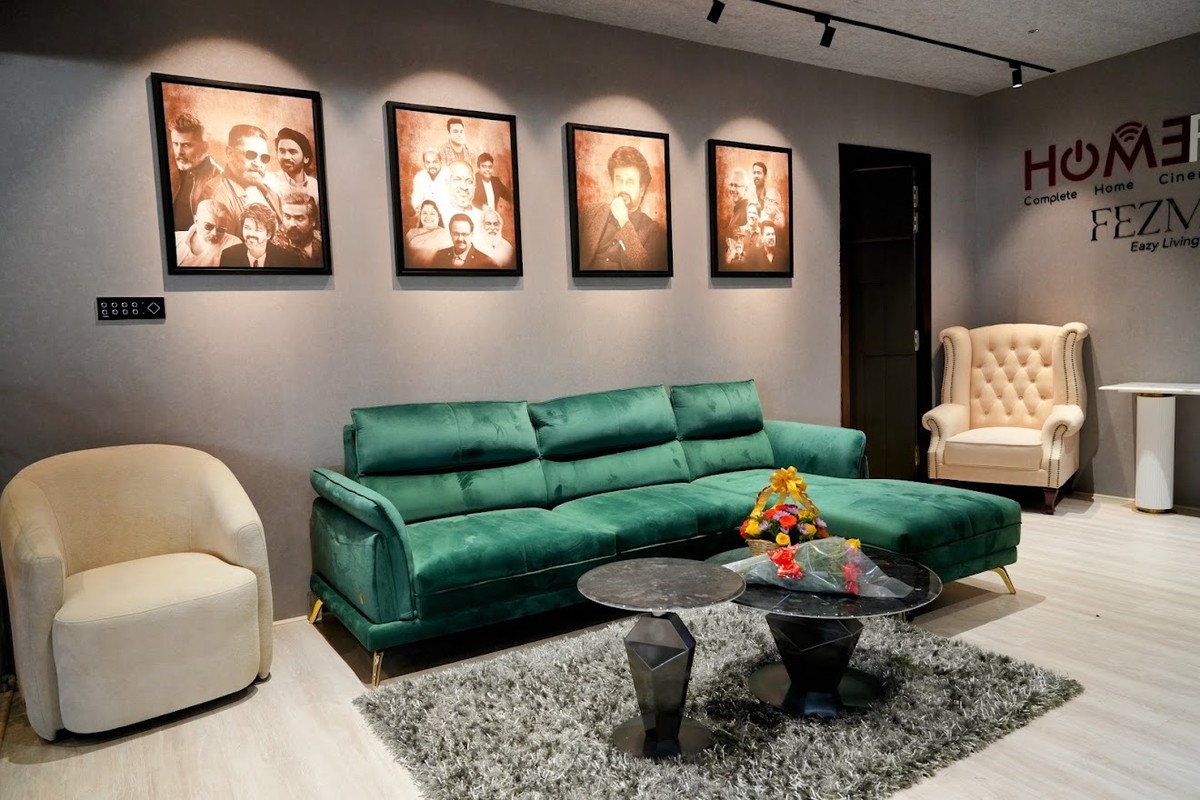
Green in particular is strongly associated with a sense of balance and reduced mental fatigue, largely because the brain reads it as a natural, safe environment, a connection rooted in what researchers call biophilic design.
Why All White Rooms Often Feel Cold in Practice
A pristine white sofa against white walls photographs beautifully but often feels emotionally flat for actual daily living. Recent interior design trends show a growing preference for warm neutrals, soft creams, and layered tonal palettes over stark all-white interiors, since a true white undertone can read as clinical rather than lived in. A subtle warm undertone can make a room feel more inviting than a stark white palette, often marking the difference between a room that feels like a showroom and one that feels like a home.
Warm Neutrals Versus Cool Grays
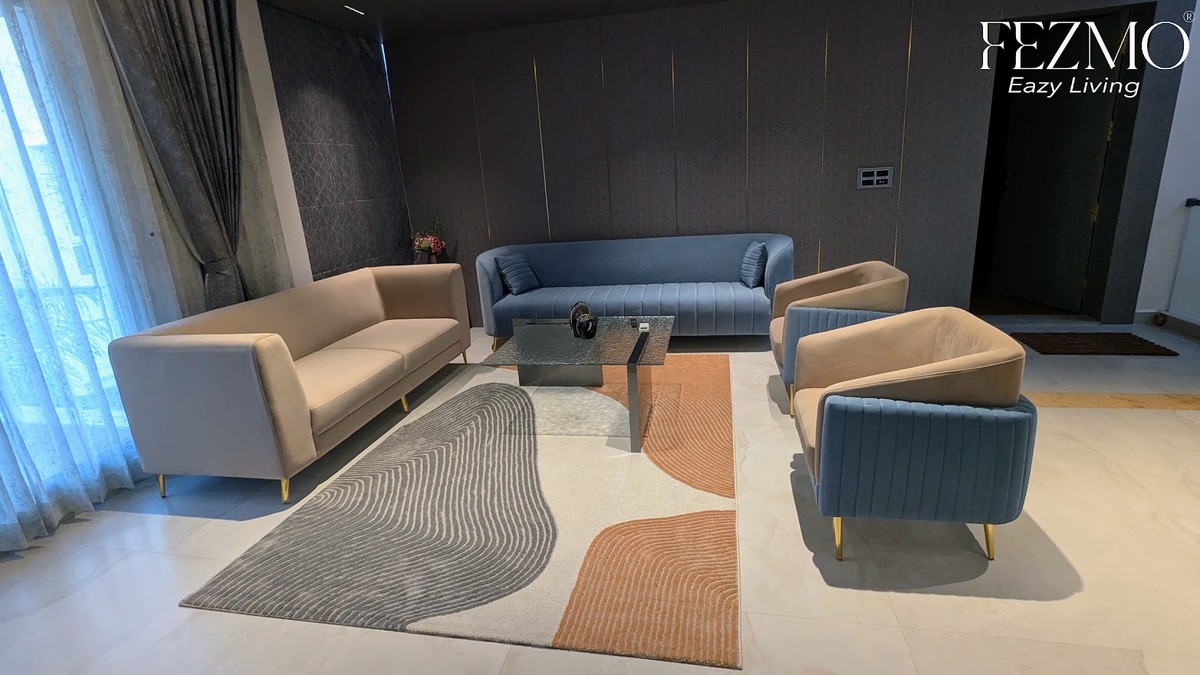
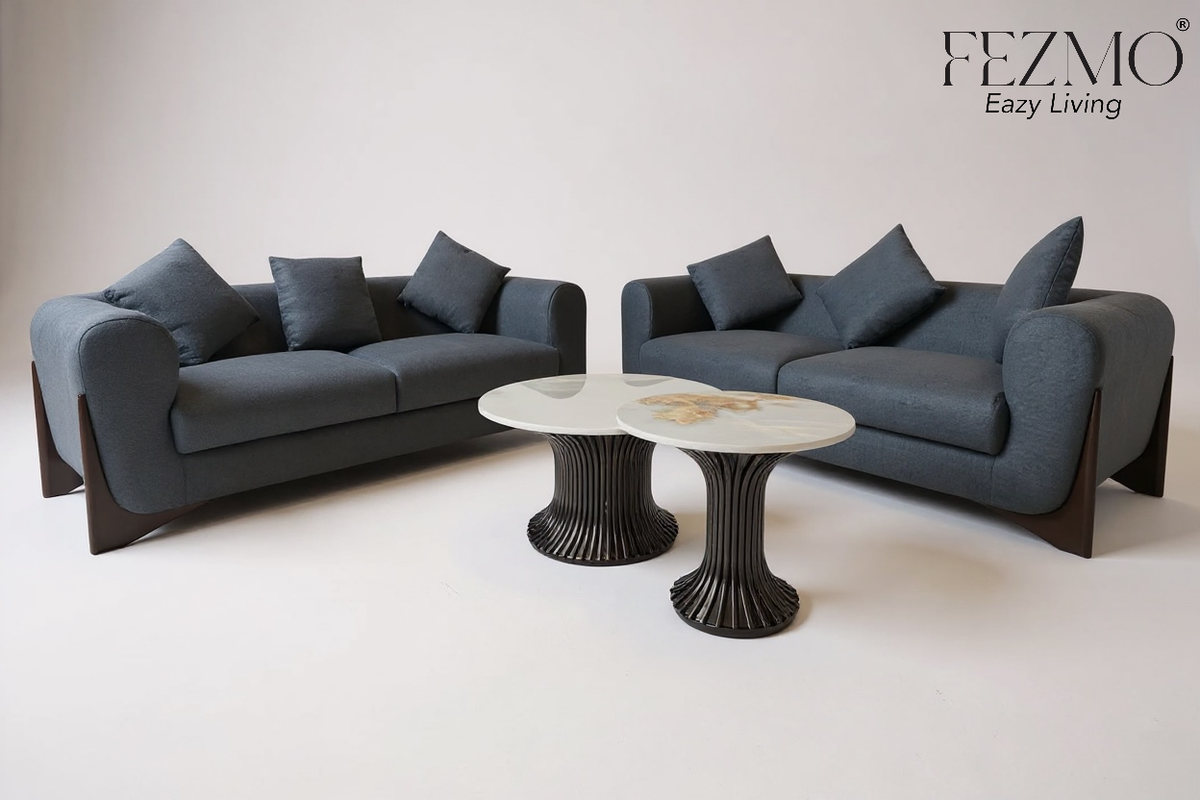
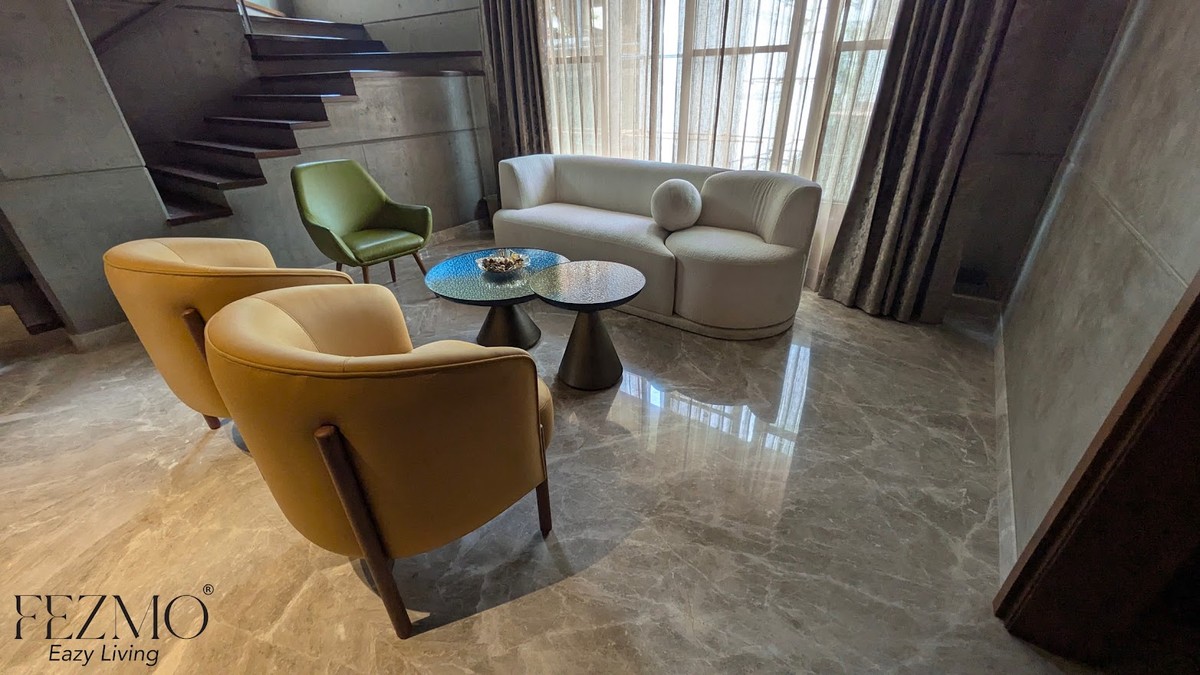
For much of the last decade, gray was treated as the safest neutral choice, but many homeowners now find that an all Gray room, however clean, can feel sterile rather than restful. Adding warmer materials such as wood, linen, and rattan alongside a gray palette introduces the kind of visual friction that makes a space feel settled instead of showroom perfect.
Layout and Furniture Placement Psychology
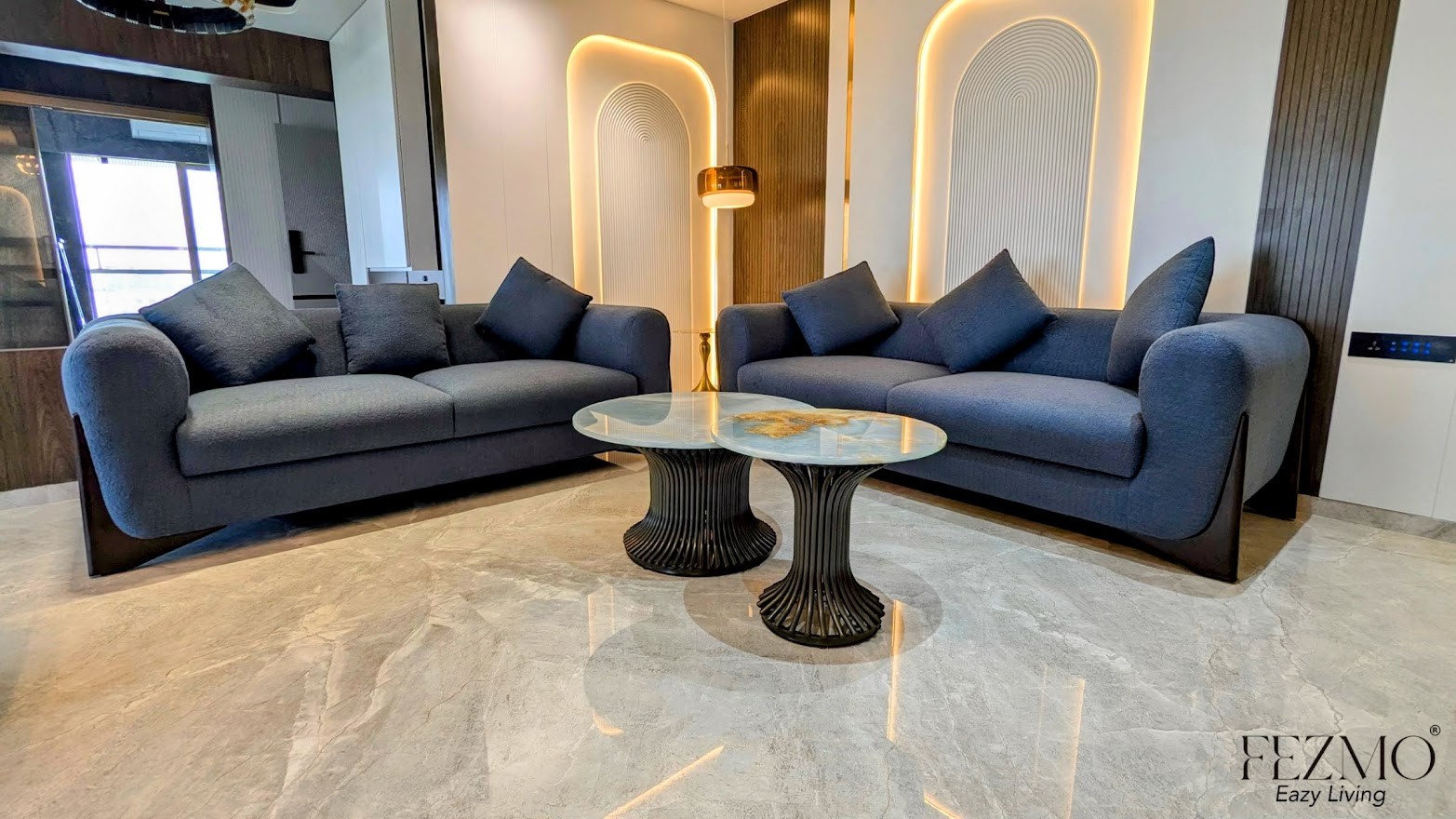
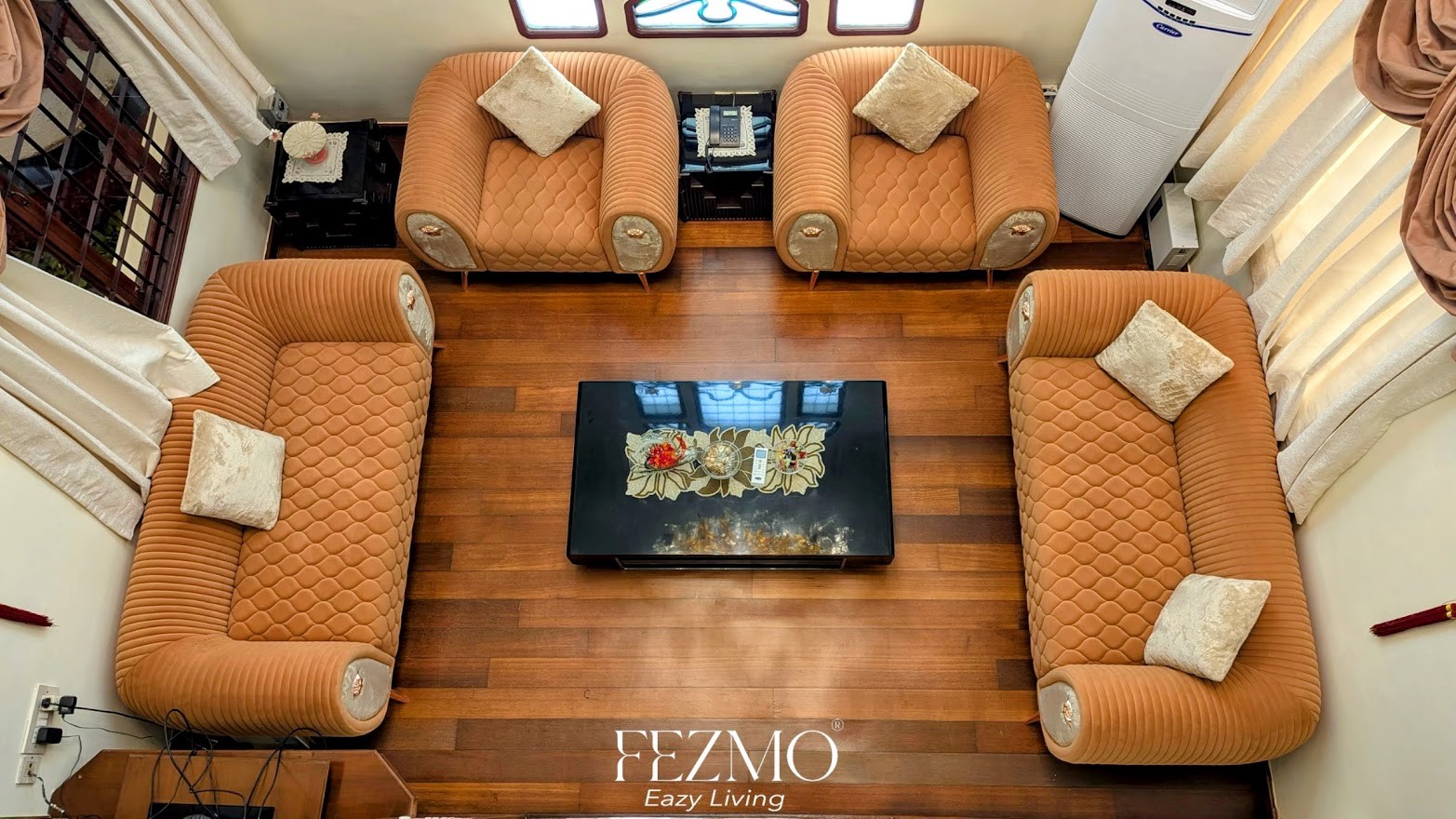
Seating That Faces Each Other Invites Real Conversation
Furniture arrangement affects how people actually talk to each other. Seats angled toward one another encourage conversation, while seating lined up against the walls tends to discourage it. This is one of the most overlooked reasons a room full of good luxury furniture Chennai pieces can still feel socially flat, since expensive furniture arranged the wrong way can undermine the very interaction it was meant to support.
The Role of Proxemics in a Living Room
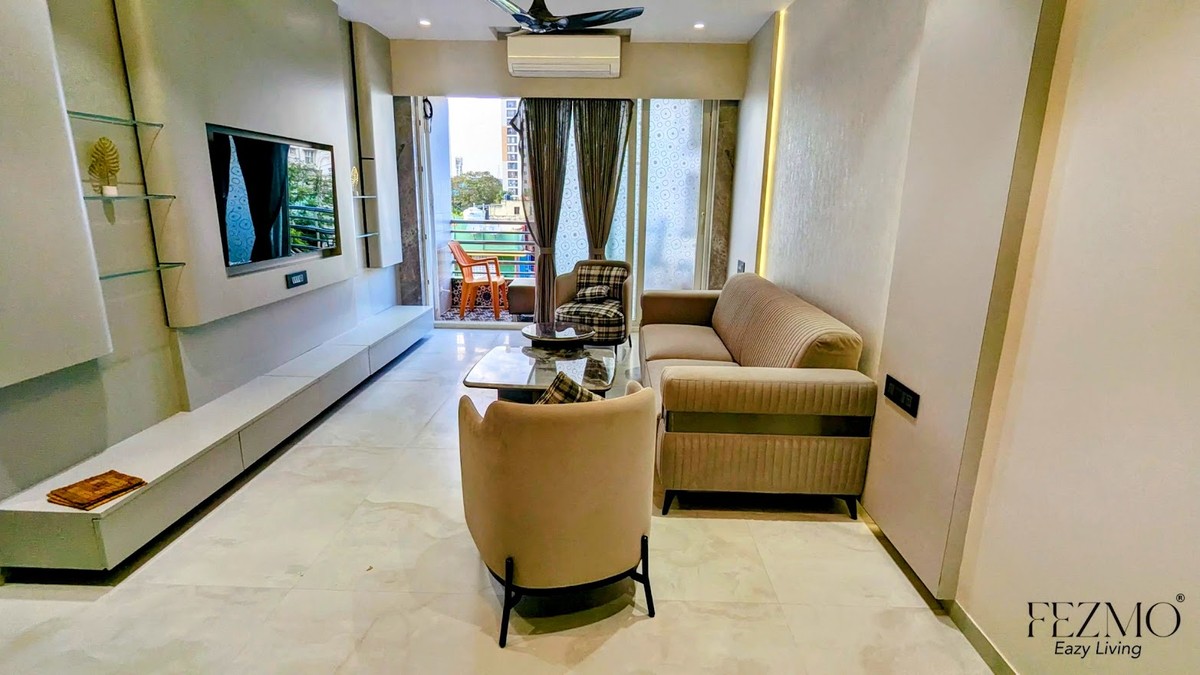
Proxemics, the study of how people experience physical space during social interaction, consistently shows that spatial positioning affects comfort, intimacy, and even perceived power dynamics. In a living room, keeping roughly four to six feet between major seating pieces tends to balance personal space with a sense of closeness, while a coffee table placed with about eighteen inches of clearance keeps the room functional without breaking that conversational circle.
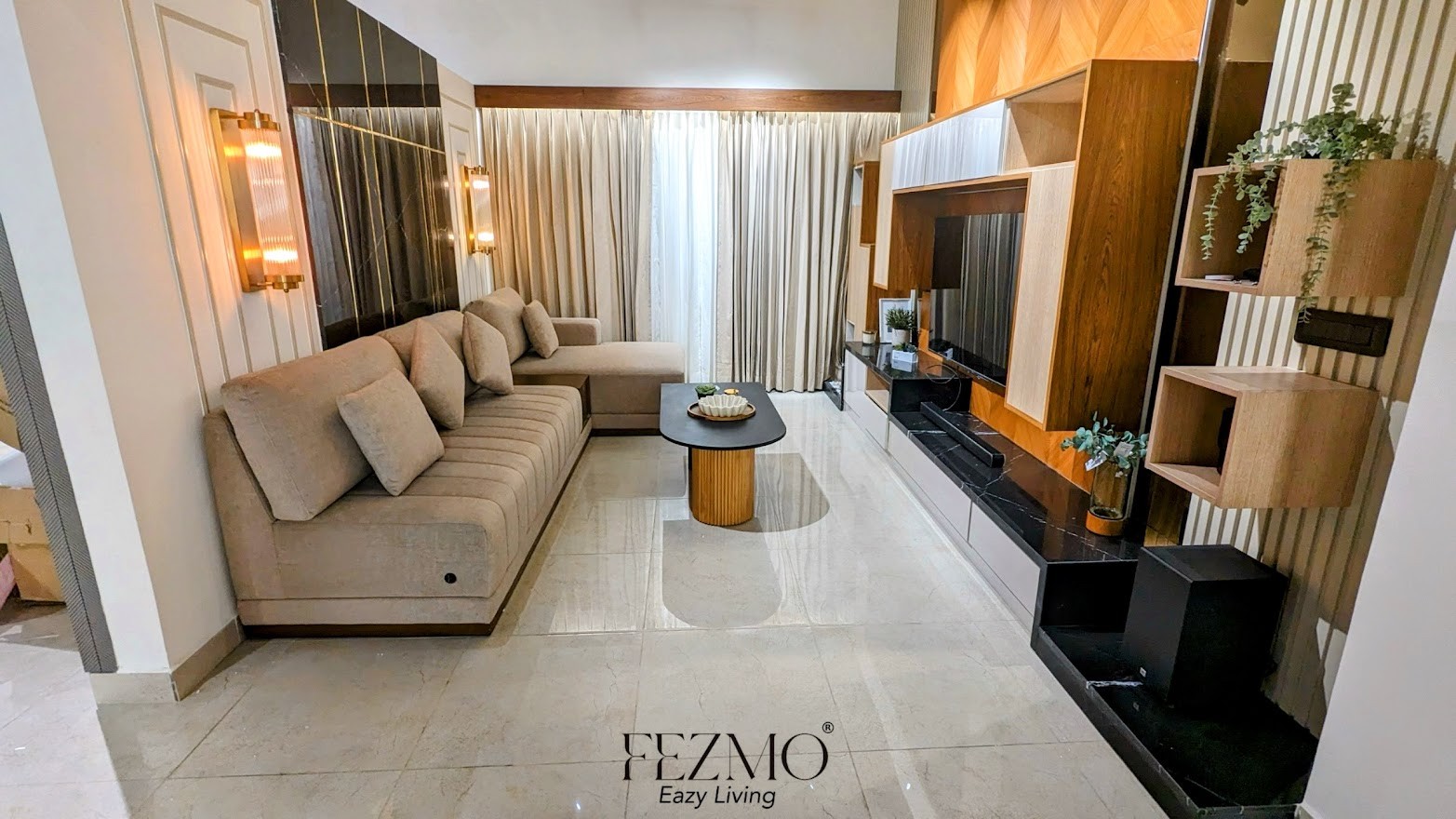
Give the Room a Focal Point
Brains are drawn to structure, and a clear focal point, whether that is a window, a media unit, or a striking piece of art, gives people an anchor for where to look and gather.
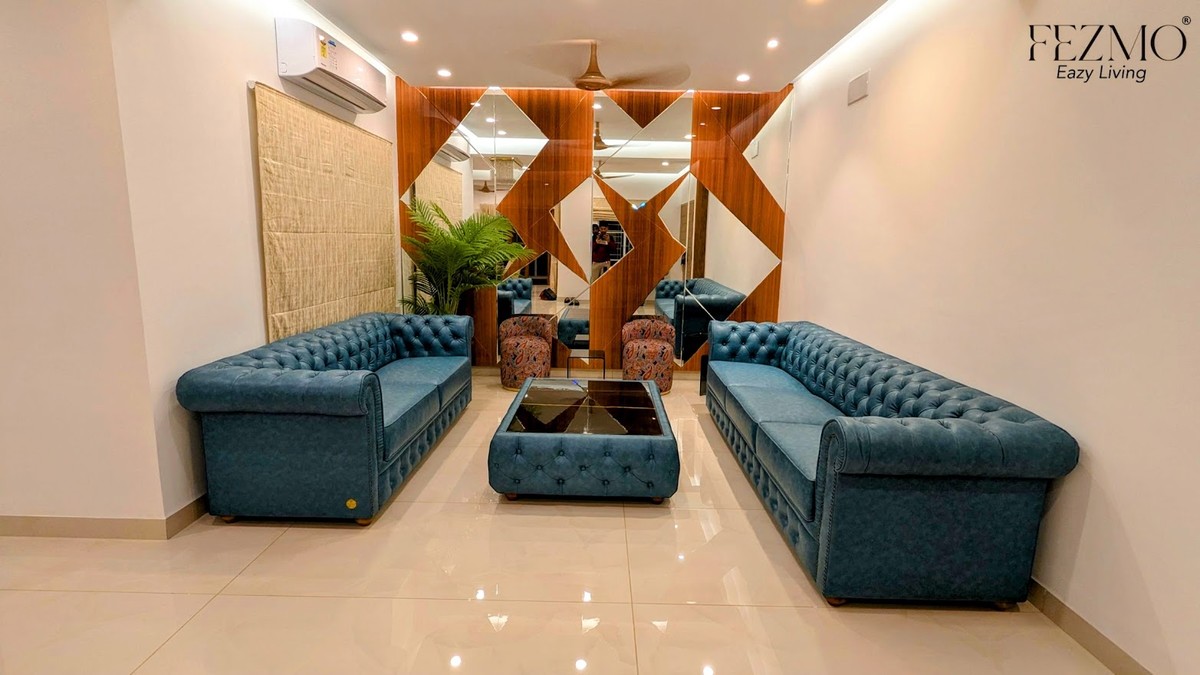
Arranging the main seating to face that focal point, rather than scattering pieces around the room's edges, creates the kind of coherence that makes a layout feel intentional rather than accidental.
Keep Pathways Open
Clear circulation space matters as much as the furniture itself. Design researchers generally recommend leaving at least thirty inches of walking space through major pathways, since a room that forces people to squeeze past furniture creates subconscious tension even when nobody can quite explain why the space feels off.
Texture, Light, and the Sense of Being Grounded
Natural Materials Signal Safety to the Brain
Biophilic design research consistently shows that natural materials such as wood, linen, and woven fiber help a room feel grounded and calming in a way that glass, metal, and high gloss surfaces rarely achieve on their own. Layering in a wool throw, a woven rug, or a wood-framed piece introduces the kind of tactile variety that keeps a room from feeling flat or overly staged.
Lighting Changes How a Room Is Read
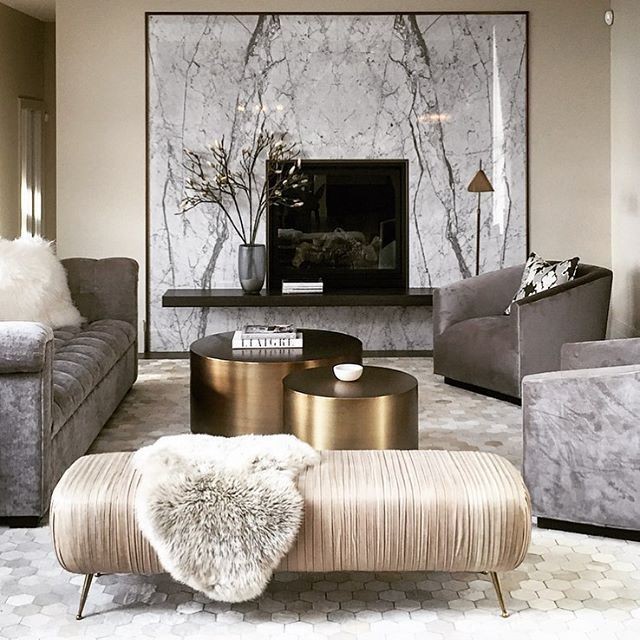
Harsh, cool white lighting can make even a well-decorated room feel clinical, since cool tones tend to exaggerate any gray or blue undertones already present in the space. Warmer, diffused lighting, particularly light filtered through natural materials like rattan or woven shades, creates a softer, dappled effect that mimics natural light and tends to feel more restful in the evening.
Clutter Quietly Adds Mental Weight
A cluttered room does more than look messy. It forces the brain to process unnecessary visual information, which research links to higher stress and reduced ability to focus.
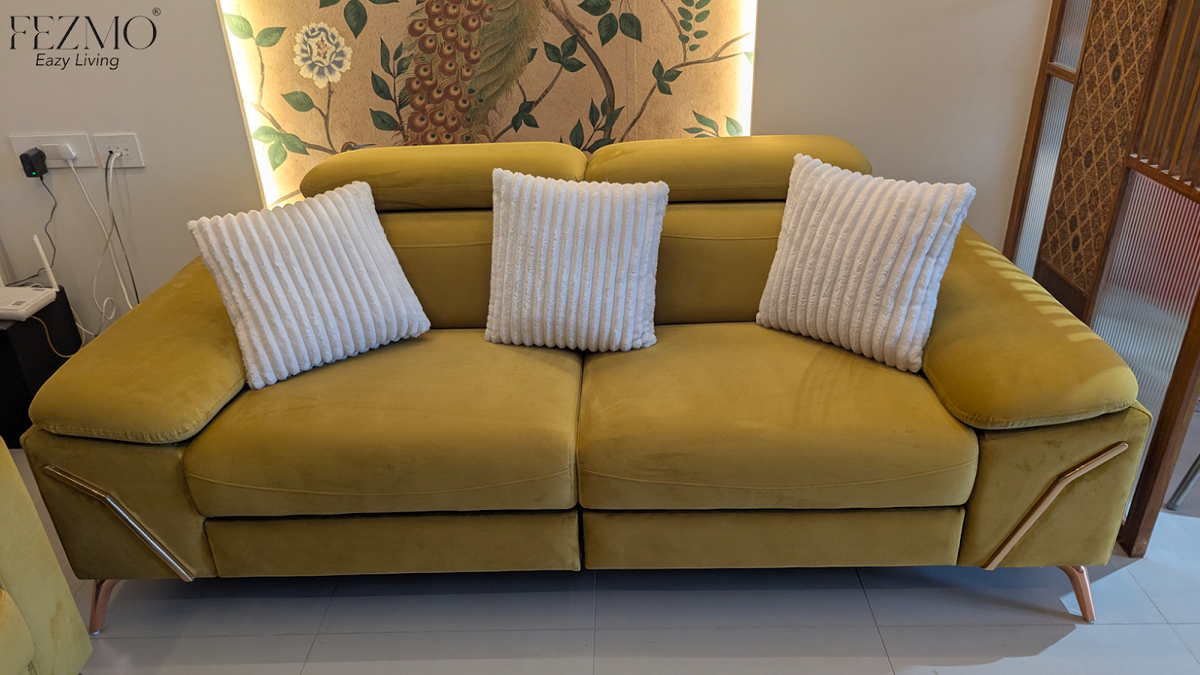
Built in storage, closed cabinets, and furniture that serves more than one purpose all help reduce that background noise, letting a room feel calm even when it is being actively used every day.
Bringing the Psychology Together in a Real Room
None of these principles work well in isolation. A perfectly chosen colour palette on a wall behind a cluttered, poorly arranged sofa will not feel calming, and a beautifully arranged seating circle under harsh cool lighting will not feel warm. The living rooms people love tend to combine several of these elements at once: a grounded colour palette, furniture arranged around real conversation and a clear focal point, natural texture layered throughout, and lighting that supports rather than fights the mood of the space. Working with a design led furniture partner rather than assembling pieces at random makes it far easier to get all of these elements working together instead of fighting each other.
Why Chennai Homeowners Are Rethinking Their Living Rooms
Chennai's warm climate, strong natural daylight, and increasingly compact apartment layouts make these psychological principles especially relevant. A room that manages glare, uses warm rather than stark lighting, and avoids overcrowding a small floor plan tends to feel far more livable than one furnished purely for visual impact. Visiting furniture shops in Chennai that understand both the climate and the psychology behind good design can make the difference between a living room that looks impressive in photos and one that genuinely feels good to live in every day.
Conclusion
A beautiful living room is not simply a matter of taste. It is the result of colour, layout, texture, and light working together in ways that align with how the human brain actually reads comfort and safety. Once these psychological principles are understood, furnishing a room becomes less about chasing trends and more about creating a space that genuinely supports how a family lives, relaxes, and connects. If you are ready to apply these ideas to your own home, contact us and our team can help you plan a living room that feels as good as it looks.
Frequently Asked Questions
Why do some living rooms feel uncomfortable even when they look well-decorated?
A room can look visually appealing yet still feel uncomfortable if the furniture layout blocks conversation, the lighting is too cool and clinical, or there is enough clutter to raise cognitive load. Comfort depends on how a space functions psychologically, not just how it photographs.
What colour works best for a calming living room?
Warm neutrals with a slight yellow undertone and muted greens tend to work well for most living rooms, since they read as natural and inhabited rather than clinical. The right choice ultimately depends on the room's natural light and the mood the space is meant to support.
How far apart should living room furniture be placed?
A general guideline is four to six feet between major seating pieces to balance personal space with closeness, roughly eighteen inches of clearance around a coffee table, and at least thirty inches of clear walking space through main pathways.
Does furniture arrangement really affect conversation?
Yes. Seating arranged to face each other, such as a circular or U-shaped layout, encourages eye contact and conversation, while seating lined up along the walls tends to discourage social interaction, even when the furniture itself is comfortable and attractive.
How does clutter affect how a living room feels?
Clutter increases the amount of visual information the brain has to process, which research links to higher stress and reduced focus. Reducing clutter through better storage and more intentional furniture choices generally makes a room feel calmer, even without changing its overall size.
Should living room design be different in a warm climate like Chennai?
Yes. Strong natural daylight and warmer temperatures call for lighting and materials that manage glare and heat while still feeling warm rather than stark, along with layouts that avoid overcrowding smaller apartment floor plans common in many parts of the city.