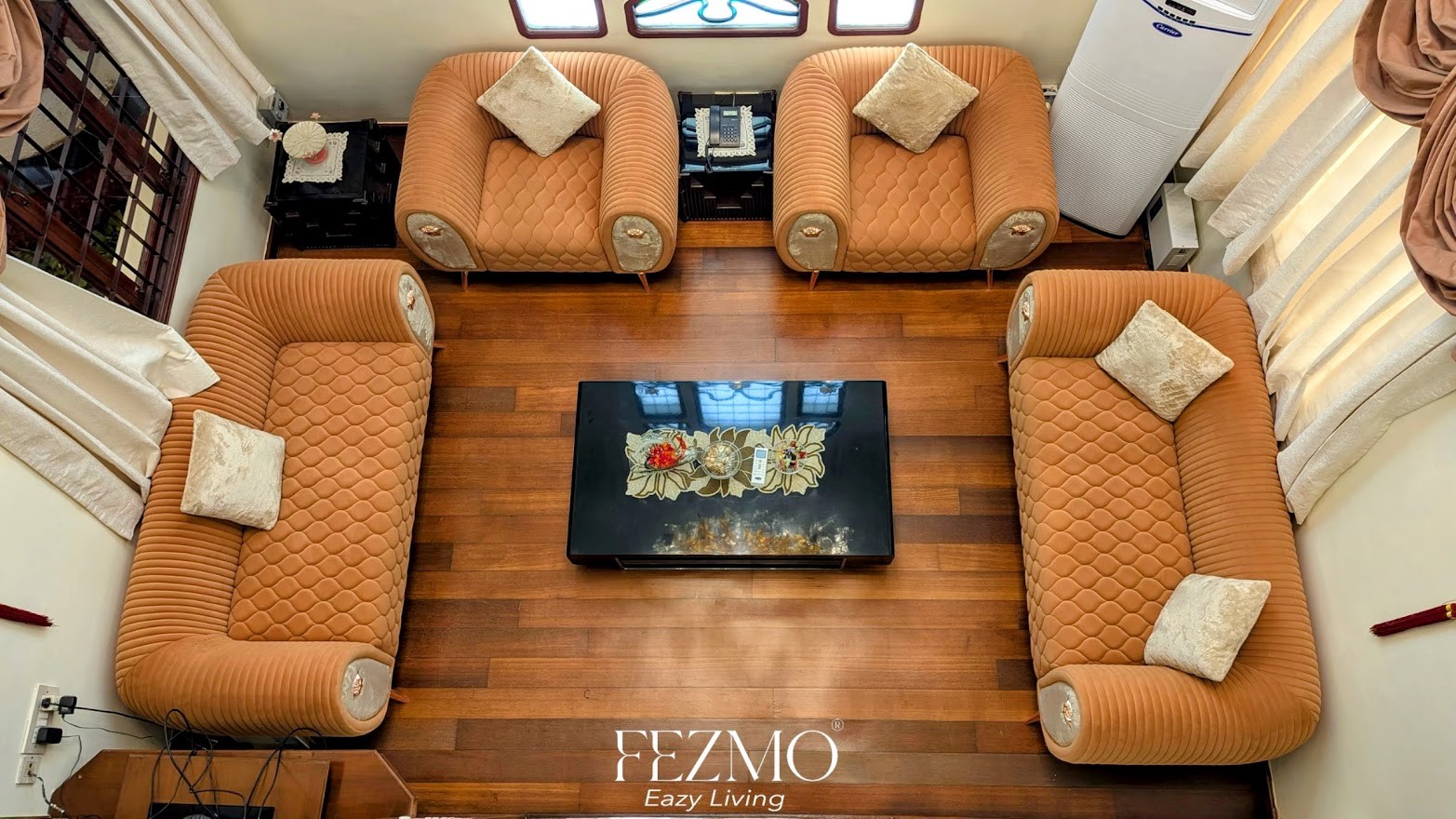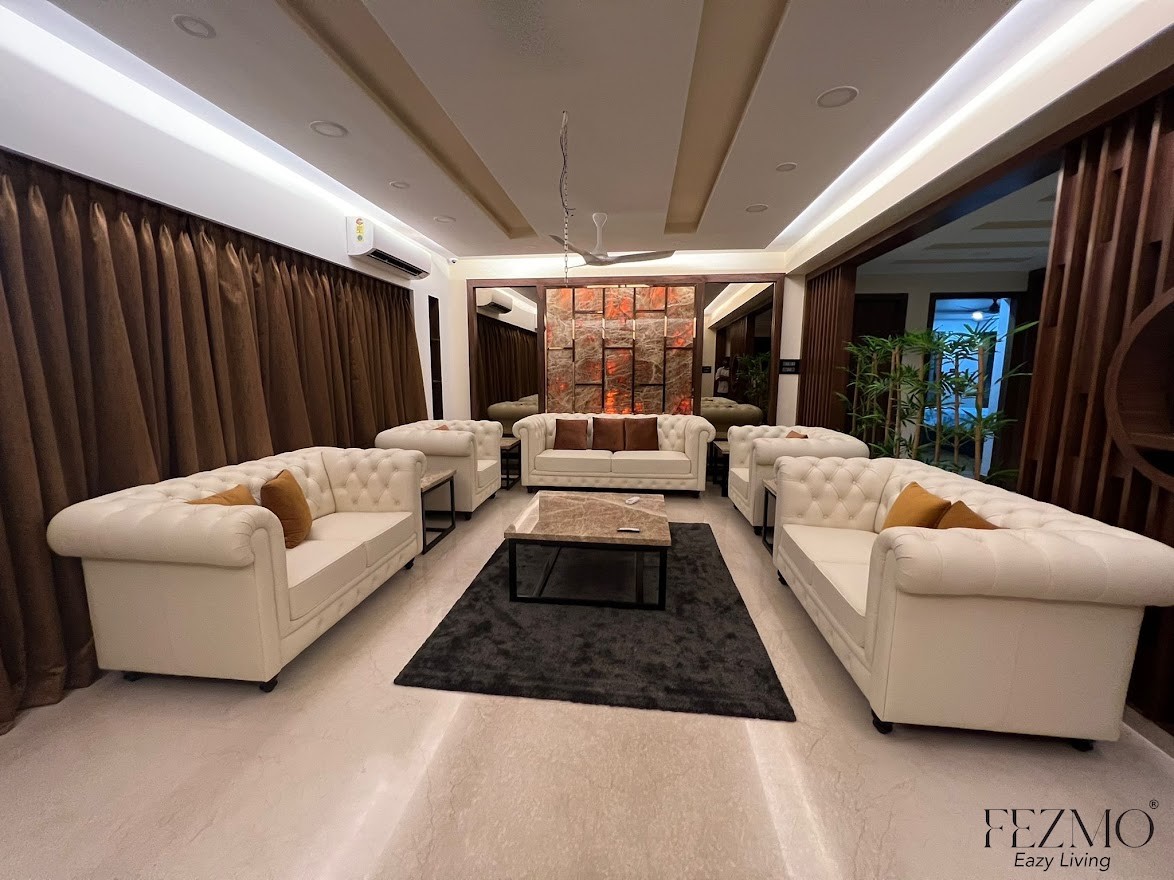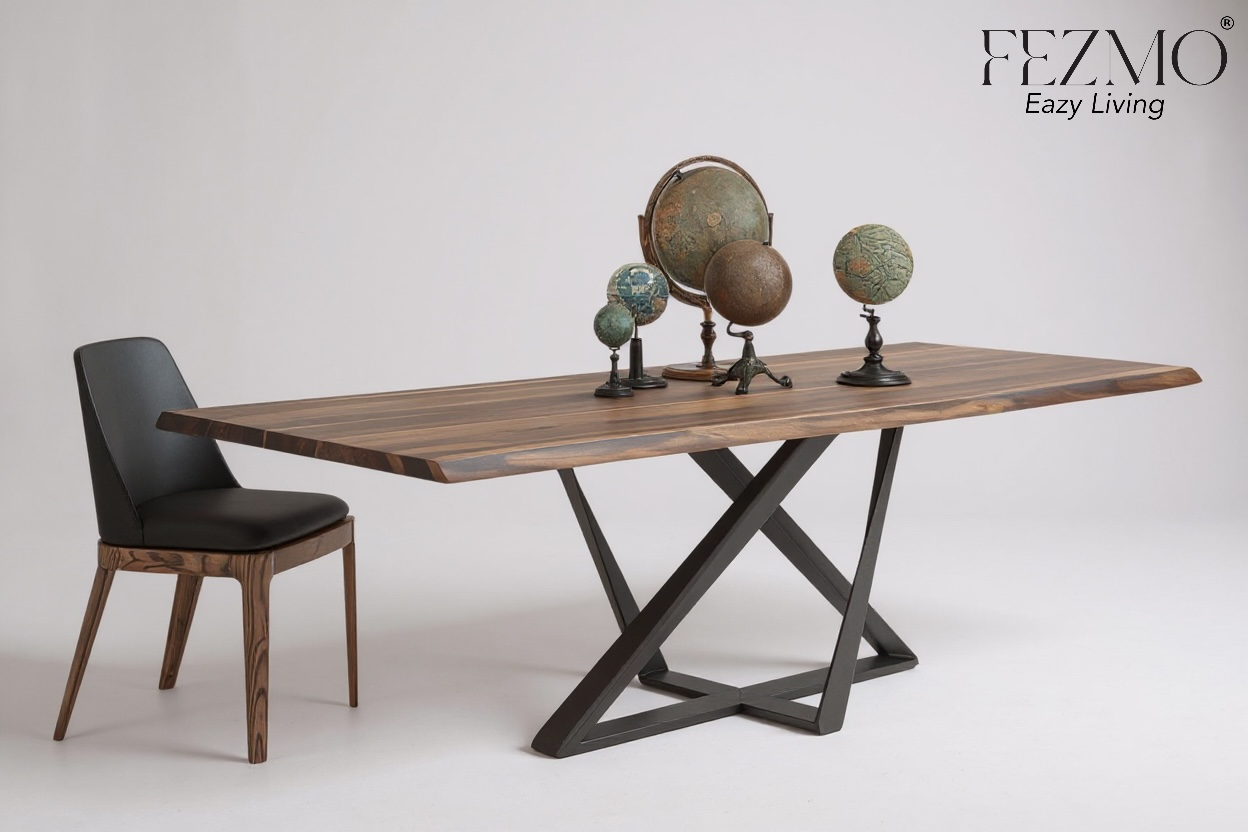
Most living rooms in Chennai are not badly designed. They are just assembled. A sofa gets bought first, a coffee table follows, a television unit gets added wherever it fits, and the room ends up functional but forgettable. The difference between a room like that and one people remember rarely comes down to budget alone. It comes down to intention, the kind that shows up when someone chooses home decor furniture in Chennai as part of a considered plan rather than a shopping list.
This piece looks at what actually separates a thoughtfully furnished living room from an ordinary one, and how to plan a living room update that holds up once the excitement of buying furniture wears off.
Why Furniture Choices Matter More Than People Realize
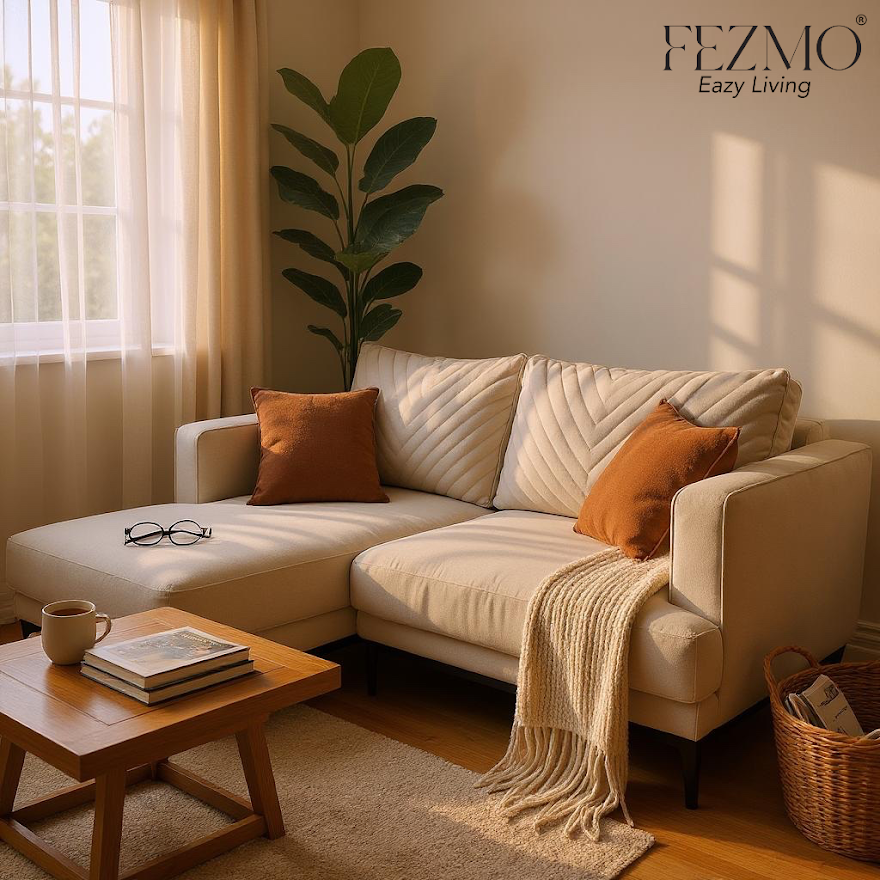
Furniture does more work in a home than most people give it credit for. It sets the pace of a room, influences how light is perceived within the space, and quietly influences how long guests choose to stay after dinner. A living room with the right pieces feels calm even when it is busy. One with the wrong pieces can feel cramped even when it is technically spacious.
The Living Room as the First Impression of a Home
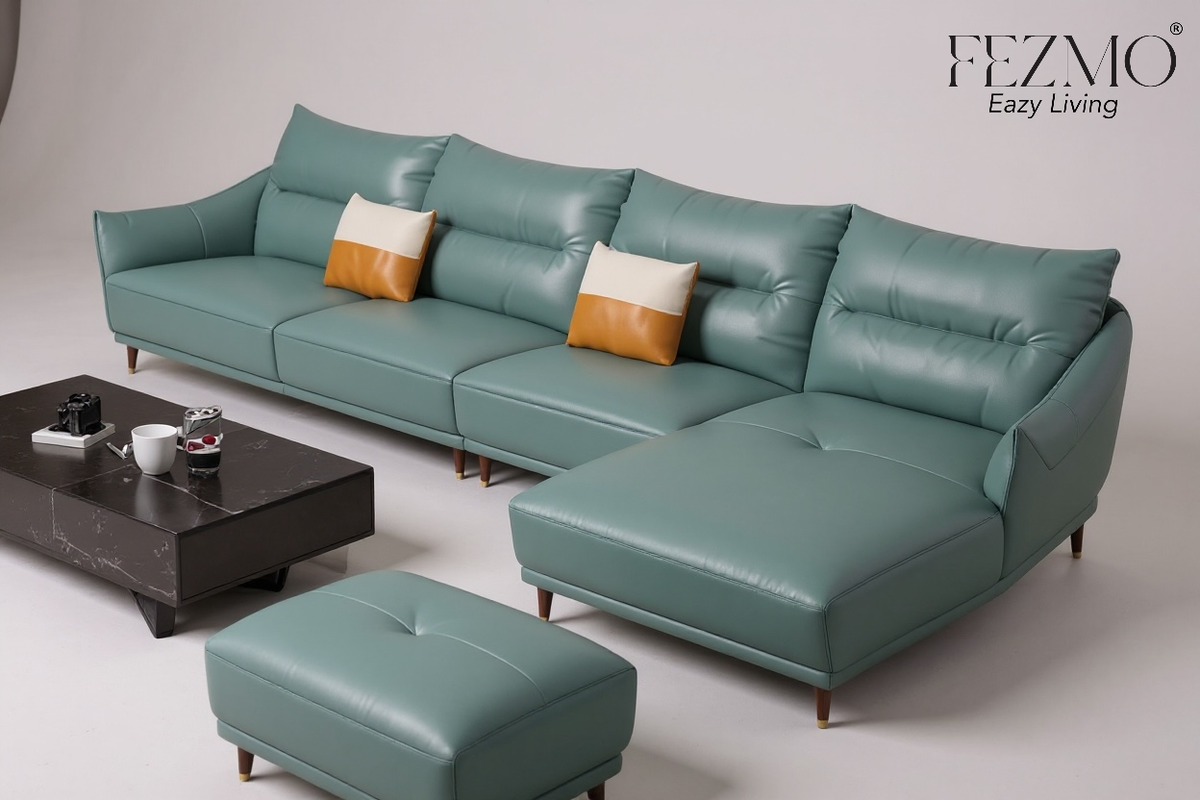
Visitors often form an early impression of a home within the first few moments in the living room. That snap judgment is built from small signals such as whether the seating faces a natural focal point, whether surfaces are cluttered or considered, and whether the colours in the room feel like they were chosen together or arrived separately over several years. None of this requires an expensive renovation. It requires a plan that treats the room as one composition rather than a collection of individual purchases.
What Makes a Living Room Feel Intentional Instead of Assembled
Scale and Proportion
A common issue in Chennai apartments is furniture bought for a showroom floor rather than the actual room it will occupy. A three-seater sofa that looked modest in a large display hall can dominate a compact living room and block the natural walking path. Before buying anything, it helps to measure the room, mark out where each piece will sit, and check that there is still enough clearance to move around comfortably. Furniture that fits the proportions of a room almost always looks more expensive than it actually was.
Colour and Light Working Together
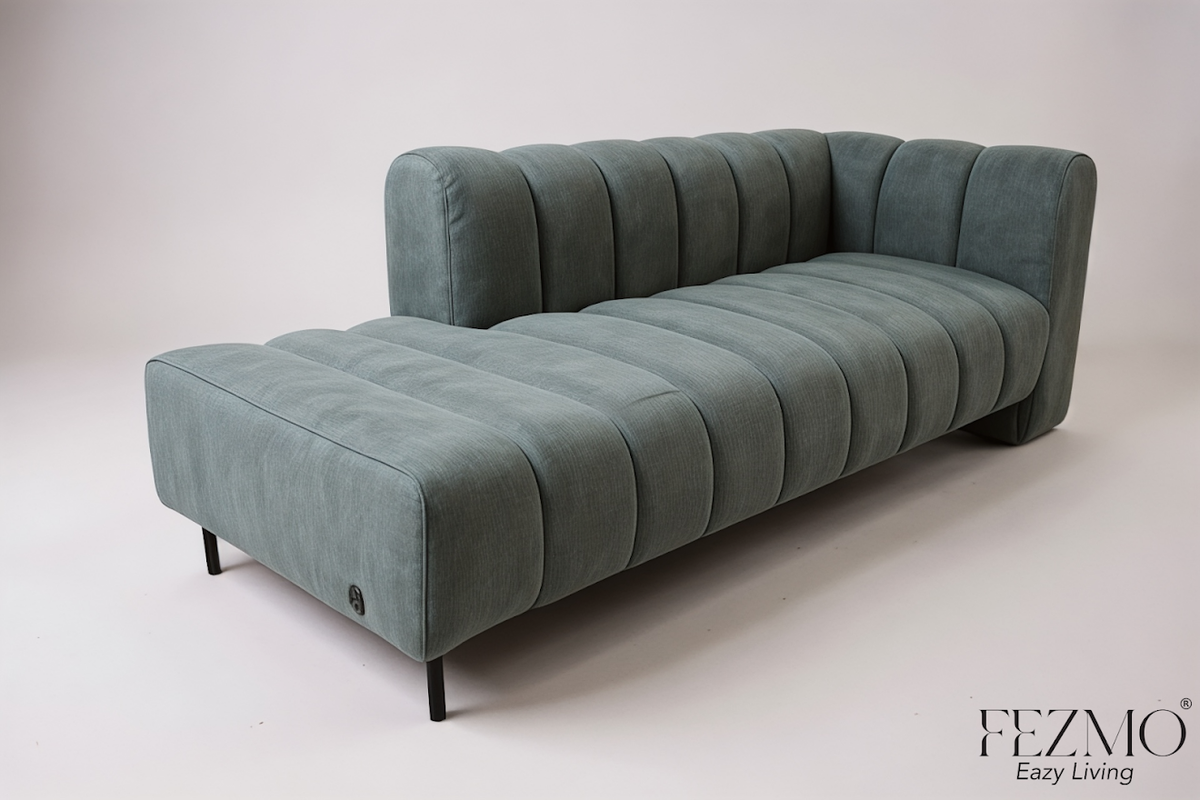
Furniture colour rarely gets chosen with natural light in mind, yet the two affect each other constantly through the day. A dark upholstered sofa placed against a wall that gets strong afternoon sun can look completely different by evening, sometimes in a way the buyer never anticipated in the showroom. Before settling on a colour, it helps to look at the room at two or three different times of day and picture the furniture in that changing light rather than under a single showroom bulb.
Materials That Suit Chennai's Climate
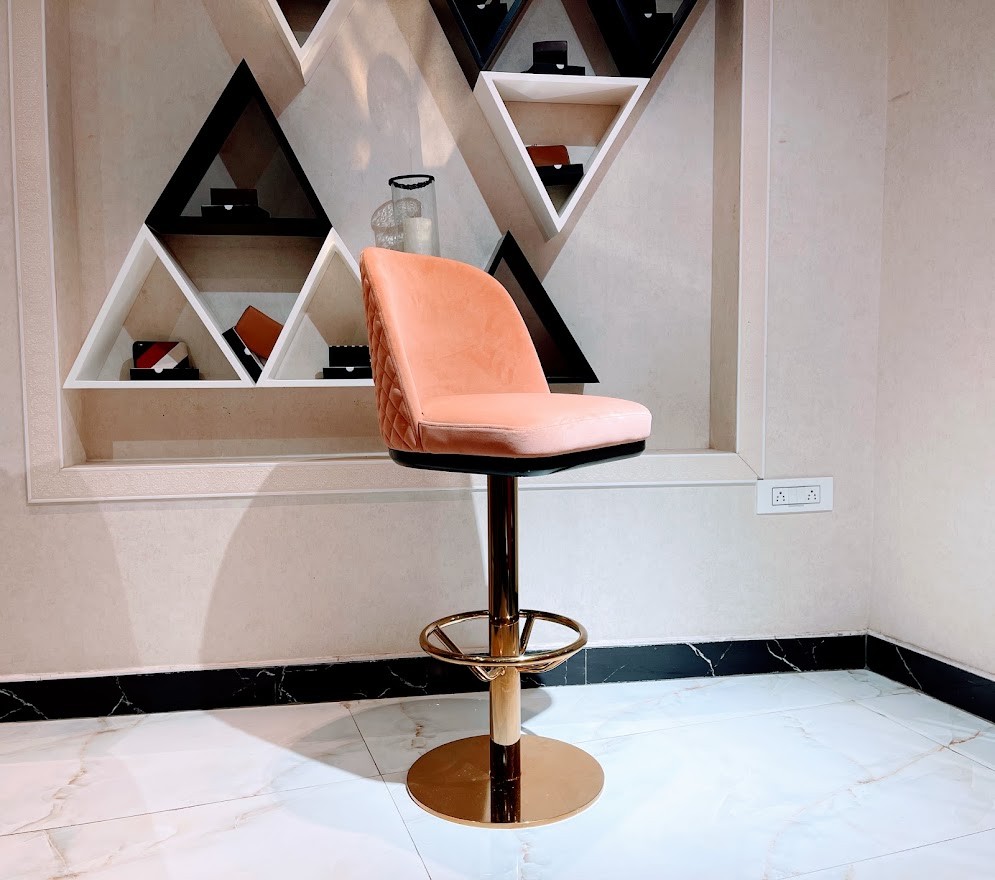
Chennai's warm, humid climate can affect how wood and upholstery perform over time, making material selection and moisture management important considerations rather than afterthoughts.
Wood and Humidity
Wood-based furniture can respond to changes in humidity through expansion and contraction, since wood naturally exchanges moisture with the surrounding air. The performance of engineered boards varies considerably by material, construction, and moisture resistance, so it is not accurate to assume one category always outperforms the other. In either case, a suitable finish and protection from prolonged moisture exposure matter more than the material label on its own.
Fabric and Upholstery Choices
Breathable fabrics and removable, washable covers can be easier to maintain through Chennai's warmer months than heavier, non-removable upholstery. This is a practical detail rather than a stylistic one, and it becomes obvious only after a full year of use, which is why it is worth asking about before purchase rather than after.
Building a Layout That Works With How You Actually Live
Zoning a Single Room for Multiple Activities
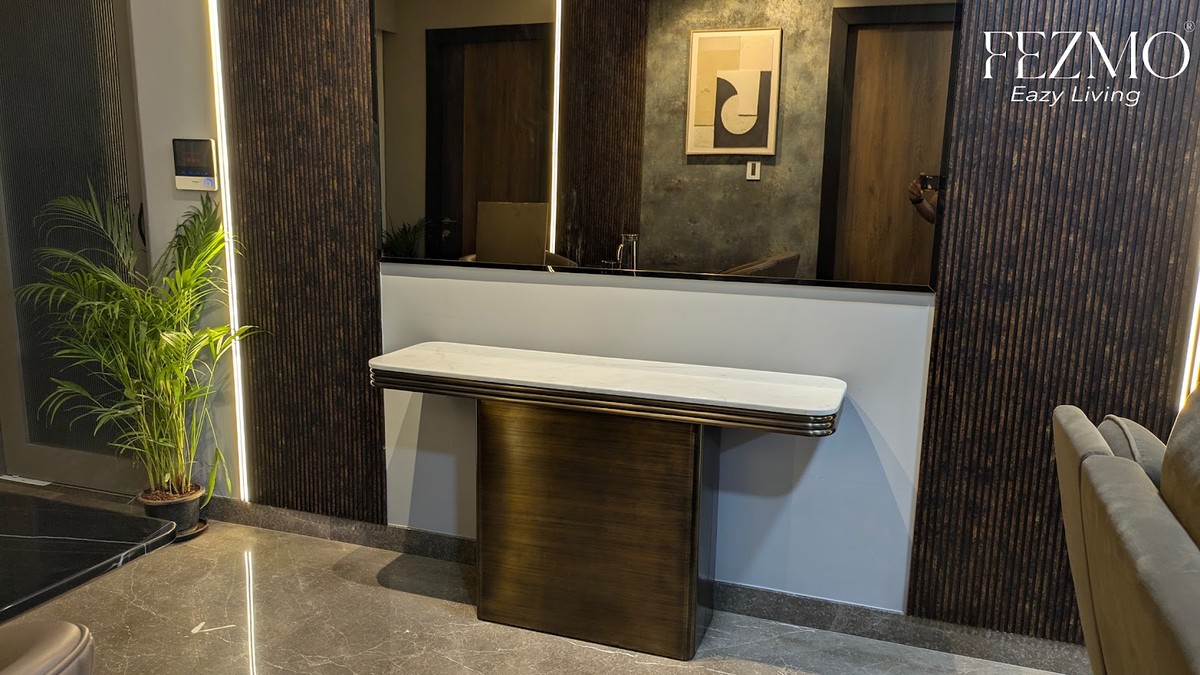
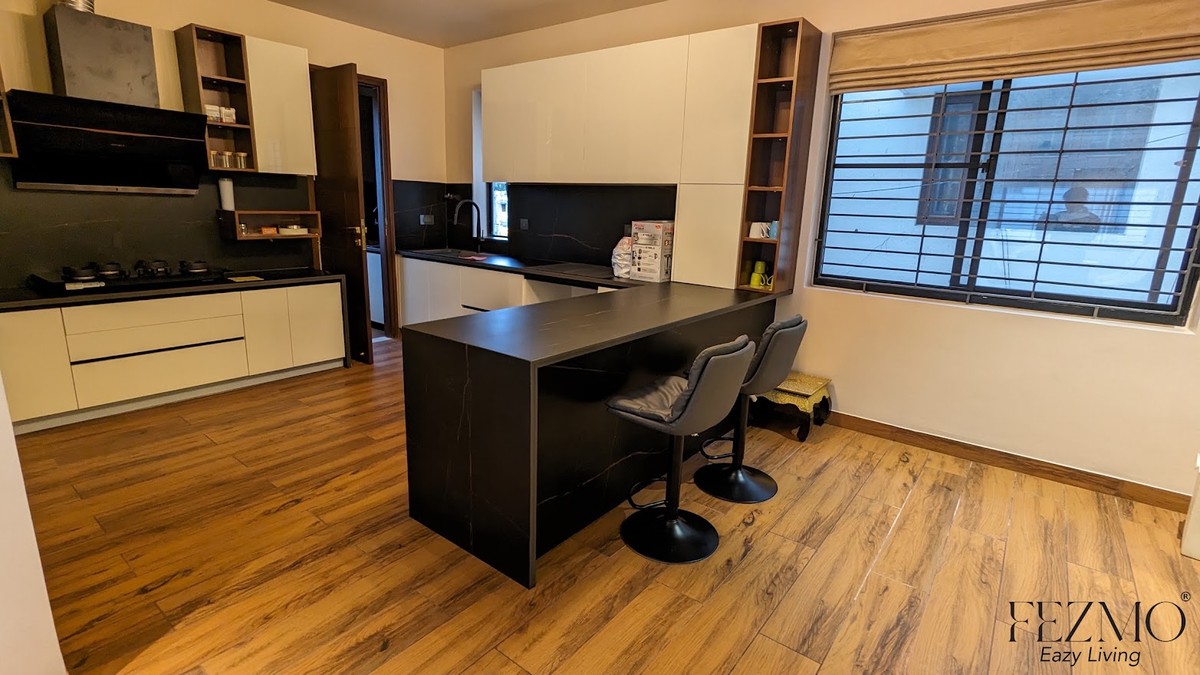
Many Indian living rooms are asked to do several jobs at once. They host guests, double as a homework corner, and sometimes turn into a temporary workspace during the day. Rather than treating the room as one undivided space, it helps to define loose zones using a rug, a console, or a change in seating direction. This lets one room support different activities without feeling chaotic, without requiring a permanent structural change.
A well-chosen collection of living room furniture in Chennai makes this kind of zoning easier, because pieces designed for flexible arrangement, such as modular seating or nesting tables, can be reconfigured as the room's needs change instead of locking the layout in place.
Choosing Between Ready Furniture and Custom Pieces
This is one of the most practical decisions a homeowner will make, and there is no universally correct answer. It depends on the room's dimensions, the budget, and how particular someone is about finish and fit.
When Off the Shelf Works
Ready-made furniture is usually the faster and more economical route when a room follows fairly standard proportions and the goal is to furnish it quickly without waiting weeks for production.
When Custom Makes Sense
An irregular room shape, an odd alcove, or a very specific colour palette usually calls for something built to measure. This is where custom-made furniture in Chennai tends to be worth the extra lead time, since a piece built around the exact space can reduce the compromises that come with fitting a standard size into a non-standard room.
Common Furnishing Mistakes That Undercut a Good Room
Buying Pieces in Isolation
Purchasing a sofa this month, a coffee table next month, and a shelf unit whenever a sale comes along often results in a room where nothing quite talks to anything else. It helps to settle on a rough palette and a general style direction before making any single purchase, even if the pieces themselves are bought over several months.
Ignoring Traffic Flow
A living room should let people move between the entrance, the seating, and adjoining rooms without squeezing past furniture. This sounds obvious, yet it is one of the most common oversights, usually because furniture gets placed against available wall space rather than around how people actually walk through the room.
Overlooking Storage Until It's Too Late
Remote controls, magazines, chargers, and children's toys all need somewhere to live that is not the coffee table. Storage is easiest to plan before furniture arrives and considerably harder to retrofit once a room is already full.
Chasing a Trend Instead of a Style
A design that looks striking in a social media post does not always suit the way a specific family actually uses its living room. Trend-led purchases can date more quickly, while furniture chosen around a genuine, lasting preference may remain visually relevant for longer. It is worth asking whether a piece is being chosen because it fits the room or because it was trending that month.
A Practical Way to Plan Your Next Living Room Update
Rather than shopping piece by piece, it helps to work through a short sequence of decisions in order.
Start With the Anchor Piece
Every living room benefits from one piece that sets the tone for everything else, usually the sofa or a statement chair. Choosing this first gives every later decision, from wall colour to lighting, a reference point to work against.
Layer in Function Before Decoration
Seating, storage, and lighting should be settled before cushions, art, or accessories enter the picture. Decoration is what makes a room feel finished, but function is what makes it usable, and getting the order right prevents a room from looking styled while still feeling impractical to live in.
Final Thoughts
A living room does not need a large budget to feel considered. It needs a sequence of decisions made in the right order, materials chosen for how the room will actually be used, and furniture sized to fit the space rather than the showroom it was displayed in. If you are planning an update and want a second opinion on layout, materials, or sizing before you commit to anything, contact us and we can help you work through the specifics for your room.
Frequently Asked Questions
How do I know if my living room furniture is the right size for the room?
Measure the room first and mark out where each piece will sit, including walking space around it. For main walkways, around 90 centimetres of clearance is a useful target, while lower-traffic spaces may work with somewhat less.
Is solid wood furniture necessary in a humid city like Chennai?
Solid wood is not mandatory. Wood naturally responds to humidity through expansion and contraction, and engineered boards vary in how well they resist moisture depending on their construction. A well-sealed piece with a good finish, whether solid or engineered, tends to hold up better than one without adequate protection.
Should I buy furniture in sets or mix and match individual pieces?
Either approach works as long as there is a shared palette or material running through the room. Buying in sets is simpler for beginners, while mixing pieces gives more character once you are confident about what colours and finishes work together.
When does custom furniture make more sense than ready-made options?
Custom furniture is worth considering for irregular room shapes, unusual alcoves, or when a very specific size or finish is needed that standard catalogues do not offer.
How much clearance should I leave for a coffee table in front of a sofa?
A gap of around 45 centimetres between the sofa and coffee table is a common starting point, although the ideal distance depends on the table height, seating depth, and available circulation space.