Most furniture regrets are not about spending too much. They are about spending on the wrong thing and paying for it twice. The single costliest error buyers make is choosing furniture without planning for how it will fit their actual space and life, then having to replace it far sooner than they should. That mistake quietly wastes more money than any premium price tag ever could, which is why the best furniture stores in Chennai spend as much time understanding a room as they do showing products.
This article focuses on that one expensive mistake and how to avoid it: buying on impulse or on looks alone, without measuring, planning, or thinking about longevity. Getting this right does not require a bigger budget; it requires a slower, more deliberate approach at the point of purchase.
The Real Cost Is Replacement, Not Price
A discounted sofa that has to be replaced in three years is not a saving. It is two purchases where one would have done. When furniture is chosen for its immediate appeal rather than its fit and durability, it tends to disappoint quickly, and the cost of buying again dwarfs whatever was saved at the start. The expensive mistake is not paying for quality. It is paying twice because quality and fit were ignored the first time.
Thinking in terms of cost per year of use, rather than the sticker price, changes every decision. A well‑made piece that serves for fifteen years is cheaper by that measure than a cheap one replaced three times over the same period. This is the arithmetic that separates a shrewd buyer from a regretful one.
Buying on Looks Without Measuring
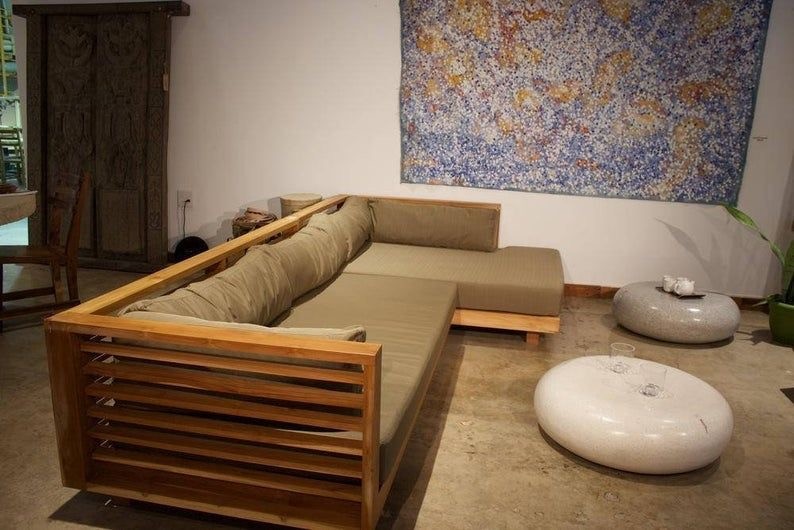
The most common version of the mistake is falling for a piece in a showroom without knowing whether it will fit. A sectional that looked perfect under bright showroom lights arrives home and swallows the hall, blocks a doorway, or cannot clear the lift. Measuring the room, mapping the layout, and checking access routes before buying prevents an error that is costly to undo once the delivery truck has left.
Impulse Is the Enemy of a Good Furniture Decision
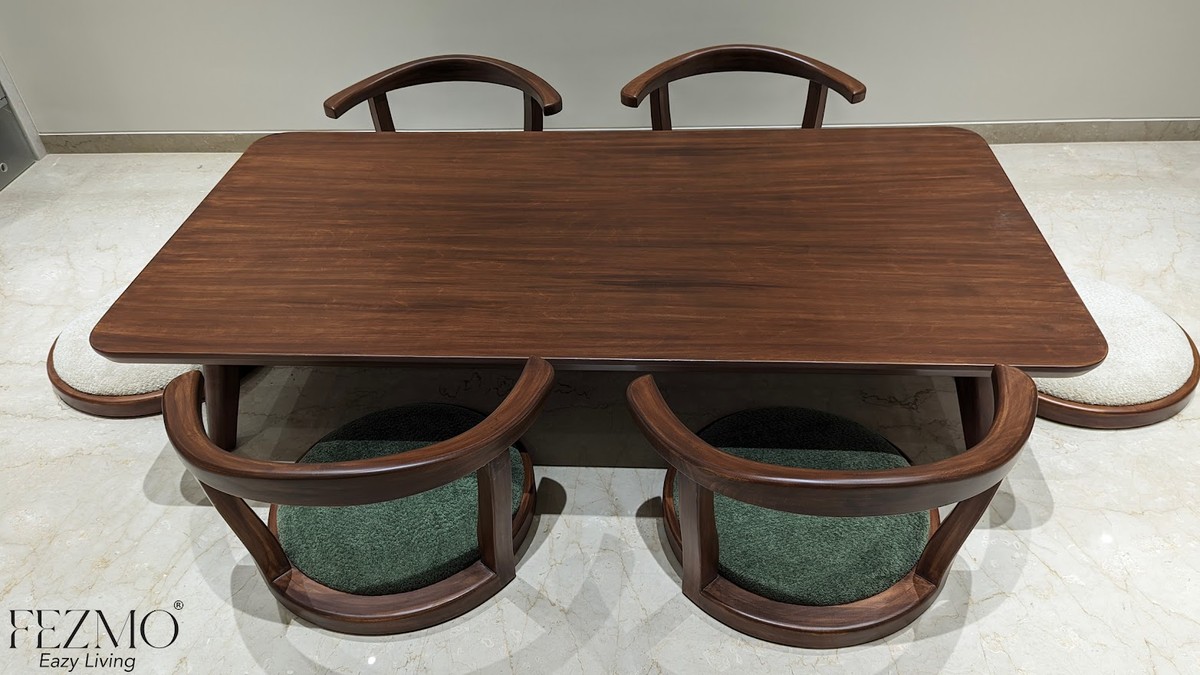
Furniture is a long‑term purchase made too often in a short‑term mood. A limited‑time offer, a persuasive display, or simple fatigue after a long day of shopping pushes people into decisions they later regret. Slowing down is the cheapest insurance available. Taking time to compare options, revisit a showroom, and sleep on a big choice consistently leads to better outcomes. Browsing modular furniture options in Chennai at an unhurried pace, with your measurements and needs in hand, protects you from the pressure that drives expensive mistakes.
A good store supports this deliberate pace rather than fighting it. Staff who encourage you to measure, reconsider, and return without pressure are signalling confidence in what they sell. Aggressive urgency to close a sale today, by contrast, is often a sign that the value will not survive a second look.
Ignoring How the Piece Will Age
Buyers frequently think about how furniture looks new and rarely about how it will look after two years of real use. Fabric that stains easily, finishes that scratch, and frames that loosen turn an attractive purchase into a daily irritation. Asking how a piece is built, what the warranty covers, and how it holds up under real conditions is far more valuable than admiring the showroom finish. Longevity, not first impressions, is what protects the money spent.
- Avoid buying furniture based only on appearance. Instead, choose pieces that suit your space, lifestyle, and will remain durable for years.
- Never skip measurements. Measure your room, doorways, staircases, and access routes before making a purchase to avoid costly mistakes.
- Don't make decisions on impulse. Give yourself time to compare options, revisit the showroom if needed, and sleep on major purchases.
- Look beyond the price tag. Judge furniture by its cost per year of use rather than its initial purchase price.
- Think about how the furniture will age. Ask about the construction quality, materials, durability, and warranty before you buy.
- Buy furniture with long-term value in mind. Investing in quality pieces that last for many years is far more economical than replacing cheaper furniture every few years.
The Hidden Costs Buyers Forget to Count
The price on the tag is rarely the full cost of a piece of furniture. Delivery, assembly, and the effort of returning something that does not fit all add up, and a poor decision multiplies these hidden costs. When a wrongly chosen item has to be sent back or replaced, the buyer pays again in money, time, and frustration. Factoring in the whole journey, not just the purchase price, gives a truer picture of what a decision really costs.
There is also an opportunity cost that is easy to miss. Money tied up in furniture that disappoints is money that could have gone toward a piece worth keeping. Every early replacement is not just a repeated expense but a lost chance to have bought well the first time. Seen this way, the discipline of buying carefully is not caution for its own sake. It is a way of protecting resources for what genuinely matters in a home.
Why the Cheapest Option Often Costs the Most
A low price is persuasive precisely because the cost of a bad decision is invisible at the moment of purchase. The consequences arrive later, in sagging cushions, wobbling frames, and finishes that wear through. By the time the true cost reveals itself, the savings that felt so smart have long since vanished. Understanding that the cheapest choice frequently turns into the most expensive one over time is the mindset shift that protects a buyer from the trap.
How a Good Store Helps You Avoid the Trap
A reliable retailer is an ally against this mistake, not a party to it. Staff who ask about your space, encourage measuring, explain how a piece is built, and give you room to decide are helping you buy once and buy well. The value of good guidance shows up years later, in furniture that still serves and pleases. Choosing where you buy, and not only what you buy, is part of avoiding the costliest error of all.
Planning Ahead Beats Reacting Later
The buyers who avoid the expensive mistake are usually the ones who treat furnishing as a project rather than a series of impulses. They think about the whole room before buying a single piece, consider how new items will work with what they already own, and set a realistic order of priorities. This planning does not remove the pleasure of shopping; it sharpens it, because every choice fits into a larger picture instead of being a gamble made in isolation.
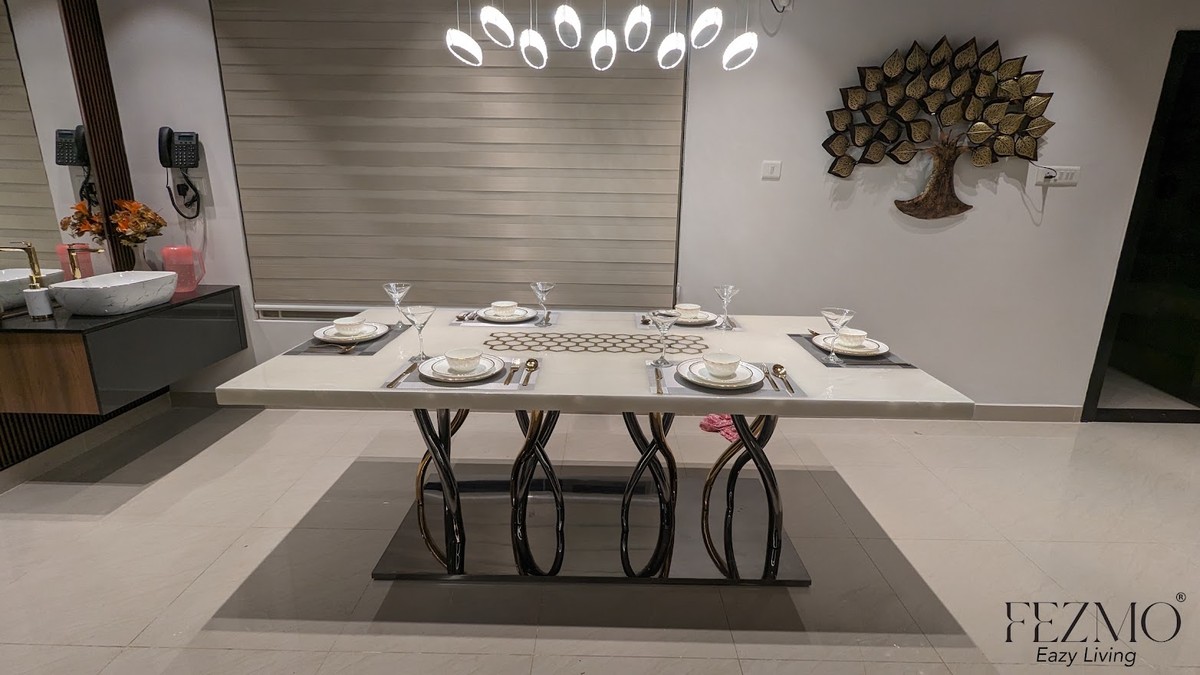
Reacting, by contrast, means buying whatever catches the eye and hoping it all comes together later. It rarely does. Pieces bought without a plan often clash in scale, tone, or purpose, forcing compromises or replacements down the line. A little planning at the start, even a rough sketch of the room and a clear sense of what each space needs, prevents the accumulation of mismatched purchases that never quite feel right together.
How to Buy Once and Buy Well
Avoiding the costly mistake comes down to a simple discipline. Measure the space and the access routes. Define how the piece will be used and by whom. Ask honest questions about construction and warranty. Compare rather than settle, and resist any pressure to decide on the spot. None of this is complicated, yet skipping it is precisely how buyers end up paying for the same piece of furniture more than once.
Spend Wisely, Not Twice
The most expensive mistake in furniture is rarely overspending. It is under‑planning, then replacing what should have lasted. Measure carefully, buy for fit and longevity, and give big decisions time to breathe. That approach protects your money far better than chasing the lowest price. If you would like help choosing pieces that suit your space and last, contact the Fezmo team to plan purchases you will still be glad about years from now.
Frequently Asked Questions
What is the most expensive mistake when buying furniture?
Buying without planning for fit, use, and durability, then replacing the piece far sooner than necessary. The real cost lies in paying for the same item twice, not in the original price.
How do I avoid buying furniture that does not fit?
Measure the room and the access routes, including doorways, stairwells, and lifts, before buying. Mapping the layout in advance prevents the costly problem of a piece that cannot fit or cannot be delivered into the space.
Is it worth paying more for quality furniture?
Often yes, when judged by cost per year of use. A well built piece that lasts many years is usually cheaper over time than a low cost item replaced repeatedly, and it avoids the frustration of constant replacement.
How can I resist impulse furniture purchases?
Slow down. Compare options, revisit the showroom, and sleep on major decisions. A trustworthy store supports this pace, while pressure to buy immediately is often a sign the value will not survive a second look.