A house starts to feel like a home the moment its rooms stop looking like a catalogue page and start looking like the people who live in them. That shift rarely happens by accident. It comes from choosing pieces with intention, mixing materials selected for durability, maintenance, and how they are likely to age, and resisting the pull of whatever is trending this season. In Chennai, where old-world warmth meets modern city living, this balance shows up clearly in how families approach home decor and furniture in Chennai. This article looks at what makes a home feel bespoke rather than generic, and how thoughtful design choices, room by room, add up to interiors that feel personal, timeless, and refined for years to come.
What Does a Bespoke Home Really Mean
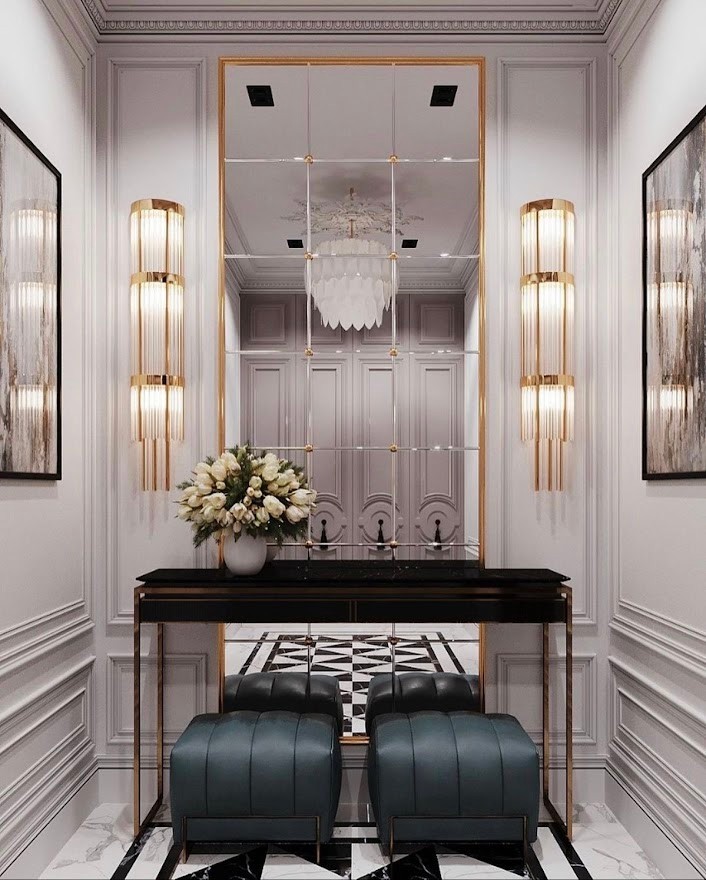
Bespoke design is often mistaken for expensive design, but the two are not the same thing. A bespoke home is one where every major piece, from the sofa to the dining table, is chosen or made to fit the actual space, the actual habits of the household, and the actual climate of the city. It is less about luxury labels and more about fit. A sofa that is scaled correctly for a Chennai balcony, a dining table sized for how often the family actually eats together, a wardrobe built around the clothes someone owns rather than a standard template, these are the details that separate a personal home from a showroom display.
The word bespoke originally described tailoring, a suit cut to one person's measurements rather than pulled off a rack. Applied to interiors, the same idea holds. A room measured and planned around the people who actually use it is more likely to feel balanced and functional than one arranged primarily to match a magazine layout.
This approach also tends to age better than trend-led decorating. Because bespoke pieces are chosen deliberately rather than picked off a shelf to fill a gap, they may remain visually relevant longer than pieces chosen primarily around short-lived trends.
The Three Pillars of Personal, Timeless Interiors
Personal: Designing Around How You Actually Live
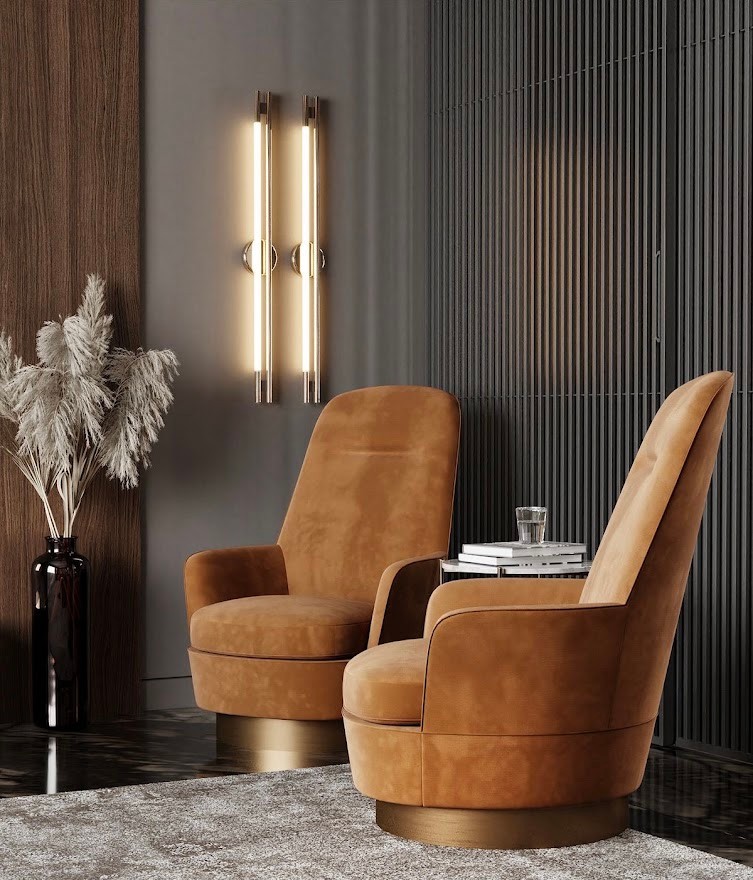
Personal interiors start with an honest look at daily habits rather than aspirational ones. A family that works from home needs a study corner that functions before it needs to look impressive on camera. A household that entertains often needs seating that can be rearranged easily. Personal design asks what a room needs to do first, and lets the aesthetic follow that answer.
Timeless: Choosing What Will Still Feel Right in a Decade
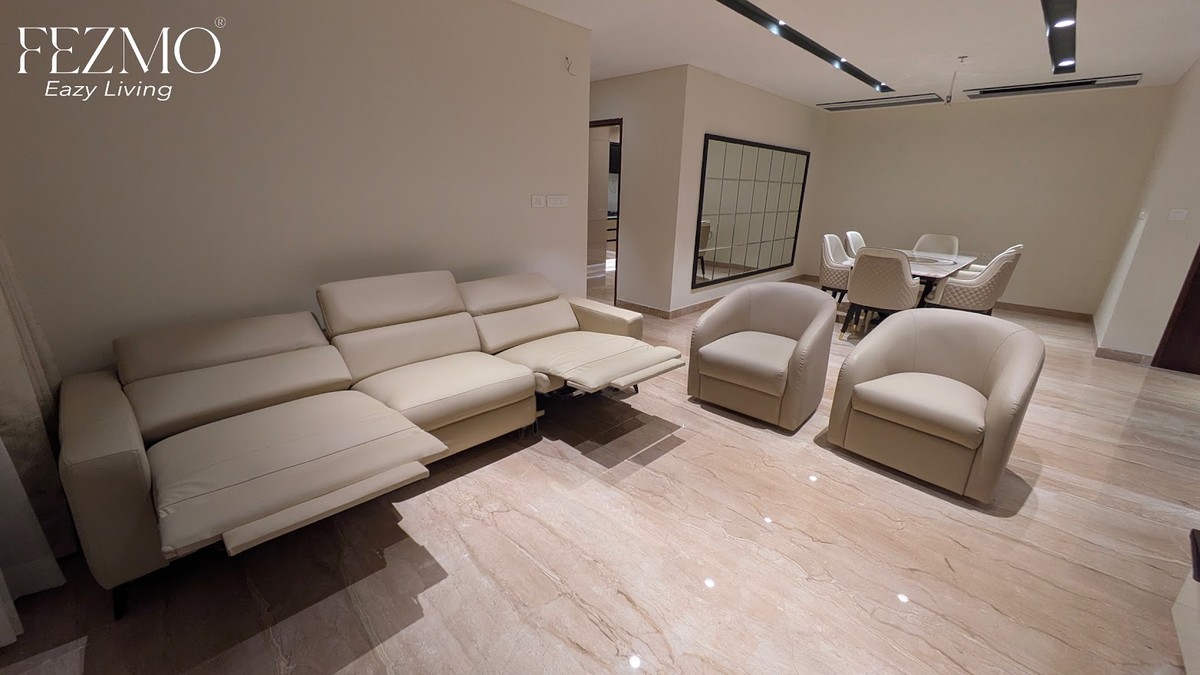
Timeless does not mean plain. It means picking silhouettes, materials, and colour palettes that do not depend on a passing trend cycle to look good. Solid wood dining sets, well-proportioned sofas, and neutral upholstery paired with a few bold accent pieces tend to hold up far longer than an entire room decorated around one fashionable colour or pattern.
Refined: The Discipline of Restraint
Refinement is largely about editing. A refined room usually has fewer pieces than a cluttered one, but each piece is considered. This is where quality craftsmanship matters more than quantity, and where working with makers who understand joinery, finishing, and proportion makes a visible difference over time.
Room by Room: Practical Ways to Build a Bespoke Feel
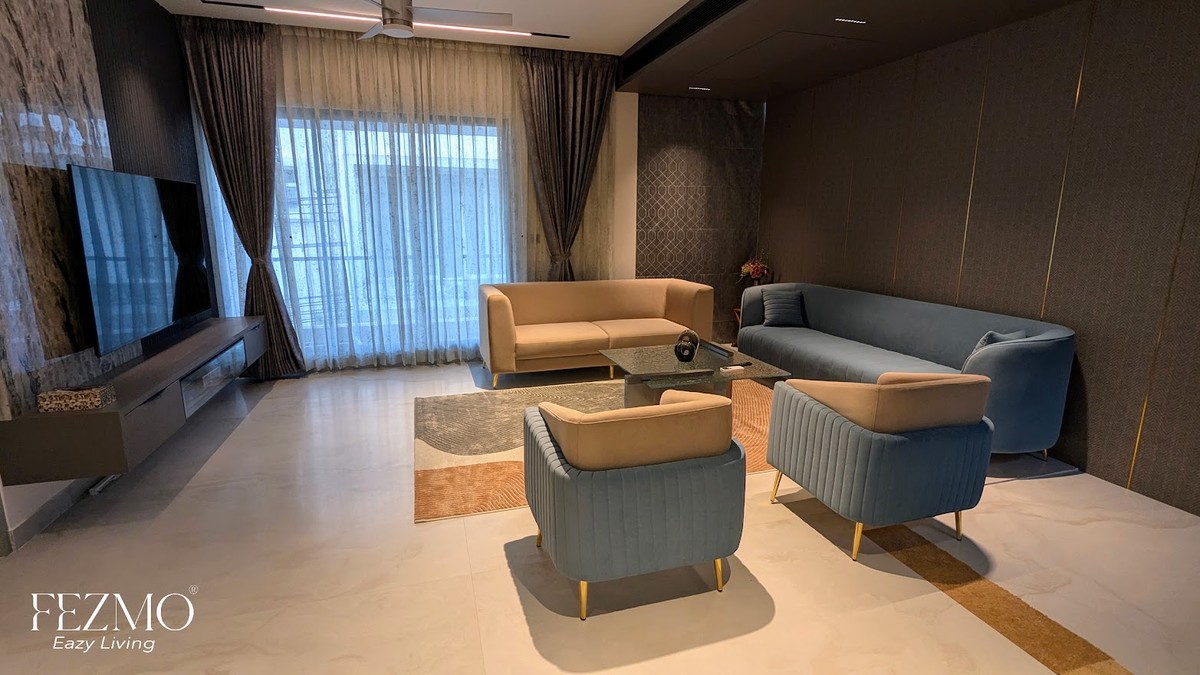
Living Rooms That Reflect the Household
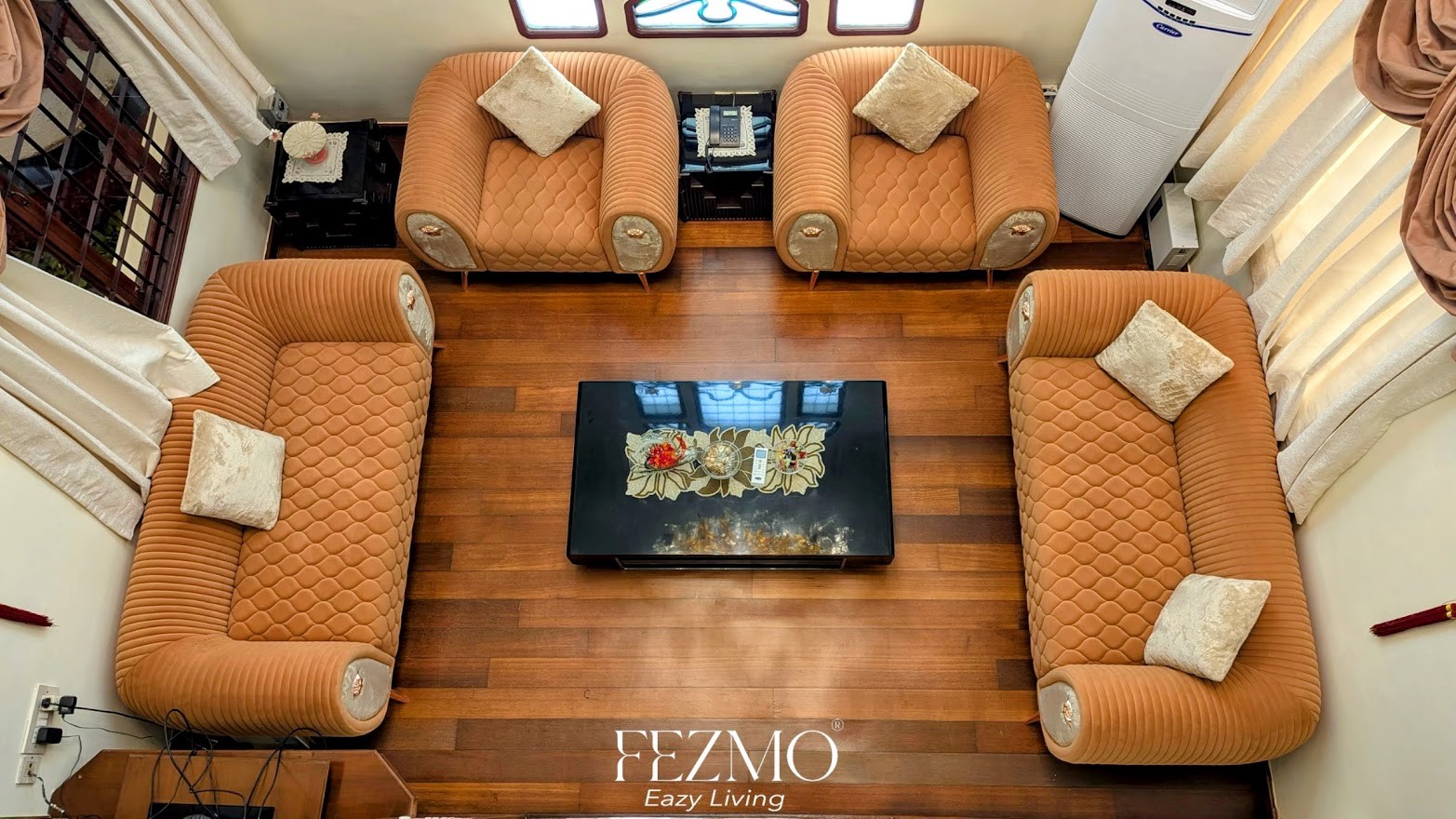
The living room carries the most visual weight in a home, which is why it is worth spending the most thought here. Scale matters as much as style. A sofa that is too large for the room overwhelms it, while one that is too small leaves the space feeling unfinished. Layering textures, a wooden coffee table against a fabric sofa, a woven rug against a lacquered console, gives a room depth without needing more furniture. Anyone furnishing this space from scratch will find that living room furniture in Chennai designed with local proportions and finishes suited to the environment can be a practical choice for long-term use.
Bedrooms Built for Rest, Not Just Appearance
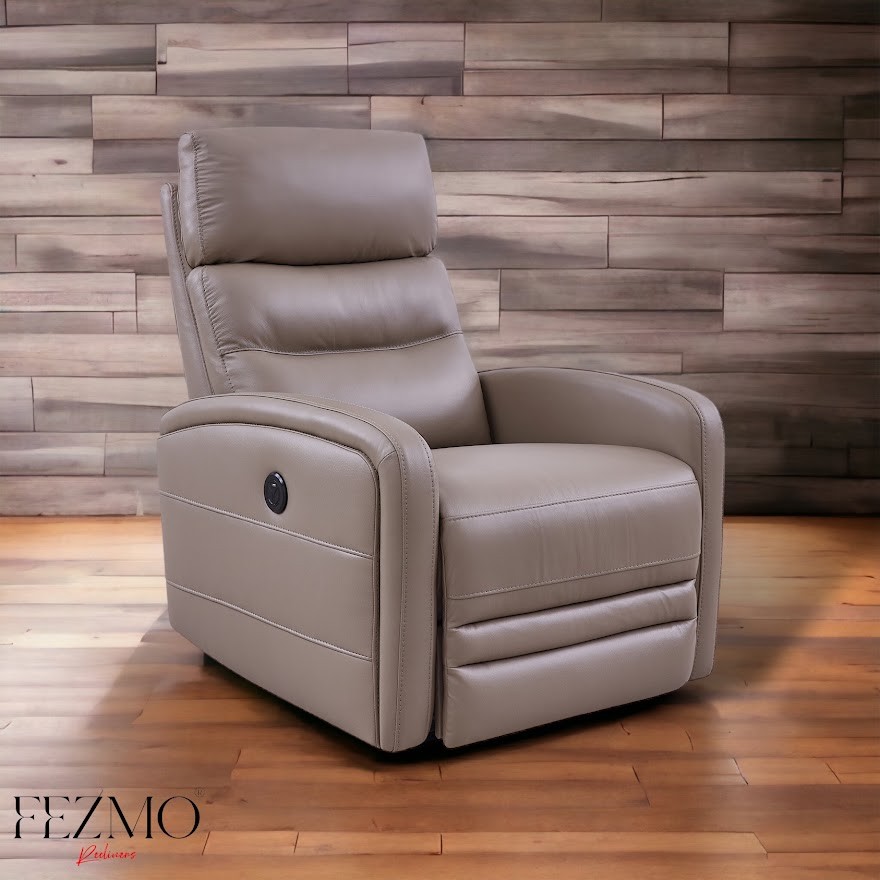
Bedrooms photograph well when they are styled, but they only function well when storage is planned properly. Built-in wardrobes, bedside tables at the correct height, and lighting that can be dimmed for evenings matter more to daily comfort than decorative headboards. A bespoke bedroom starts with what needs to be stored and where, then builds the aesthetic around that plan.
Dining Spaces That Encourage Gathering
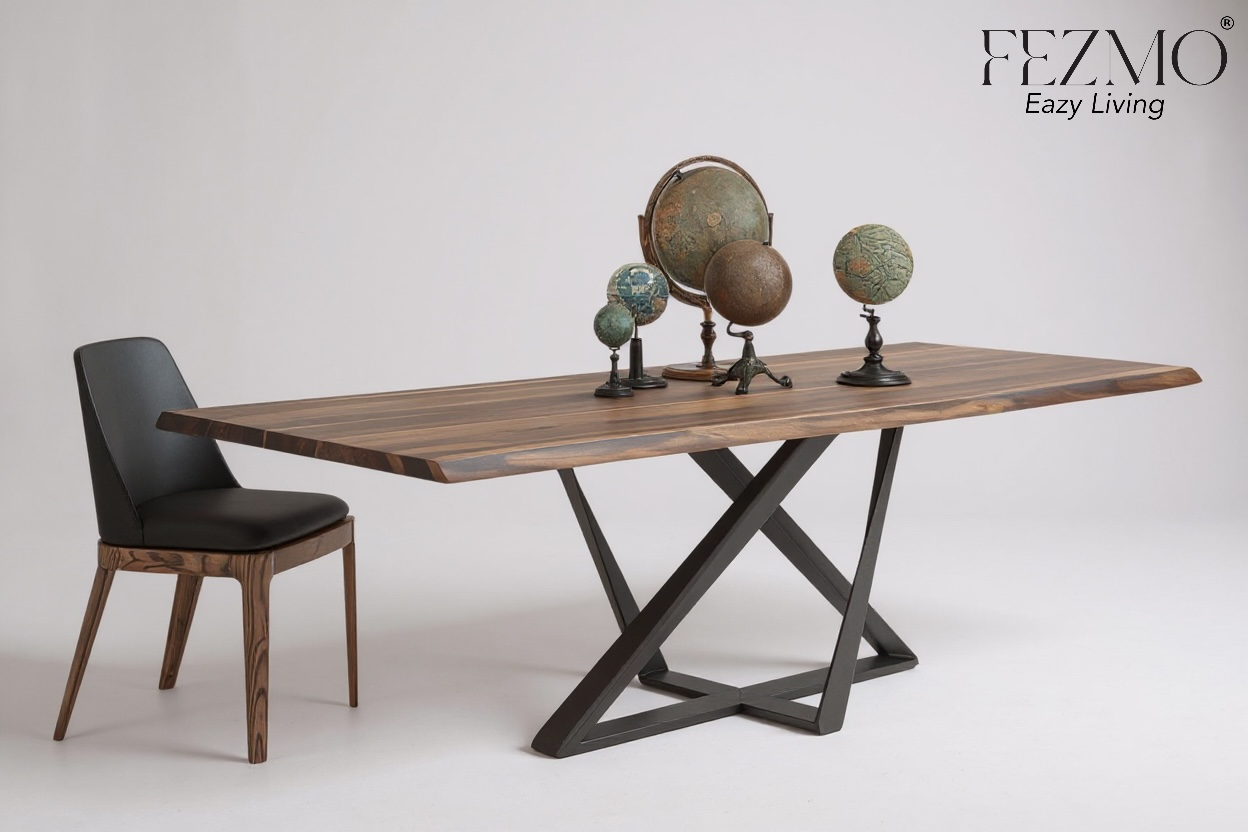
A dining table is one of the few pieces of furniture a family gathers around daily, which makes its material and size worth getting right. Solid wood tables with a slightly worn, hand-finished look can be practical for households that want everyday wear to blend naturally into the surface rather than remain highly visible.
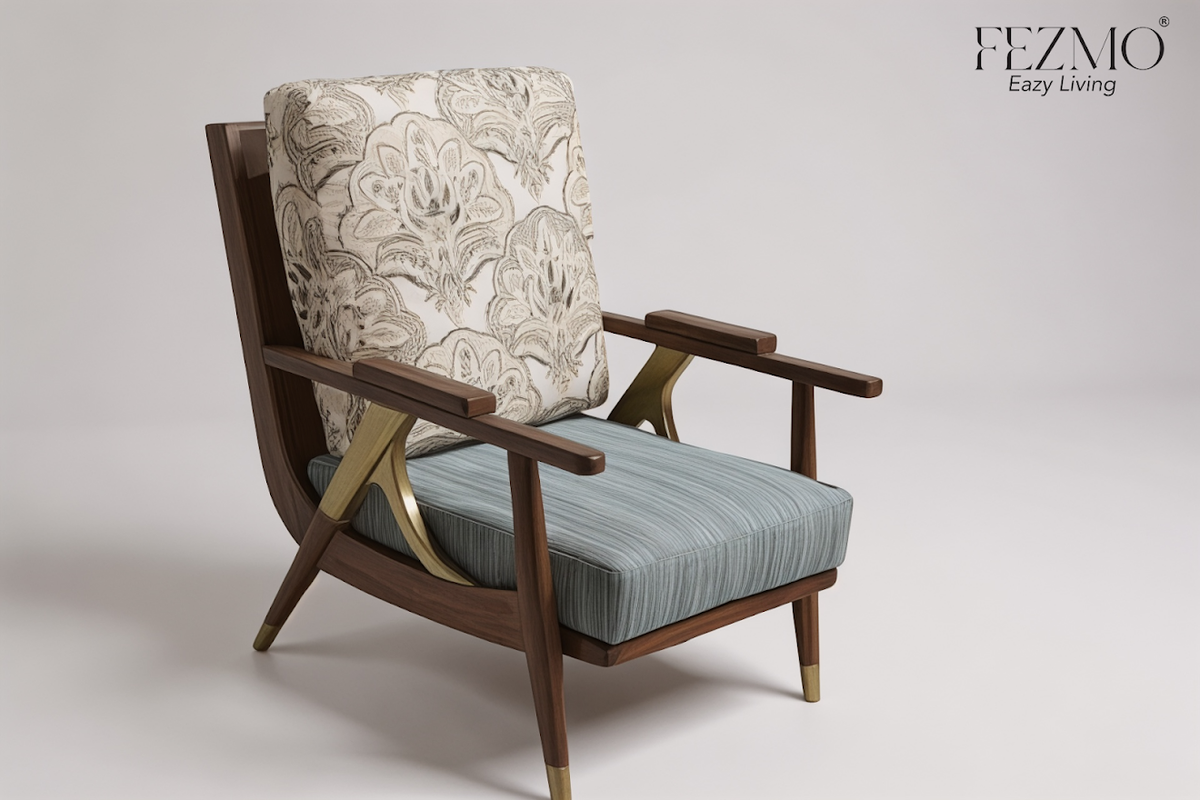
Small Details That Change a Room
Hardware such as handles and knobs in a consistent finish across a room
Cushion and throw fabrics that echo one colour from the main upholstery
A mix of ambient, task, and accent lighting where the room's activities require it
At least one handcrafted or custom piece per room to avoid a fully mass-produced look
Choosing Materials That Suit Chennai's Climate
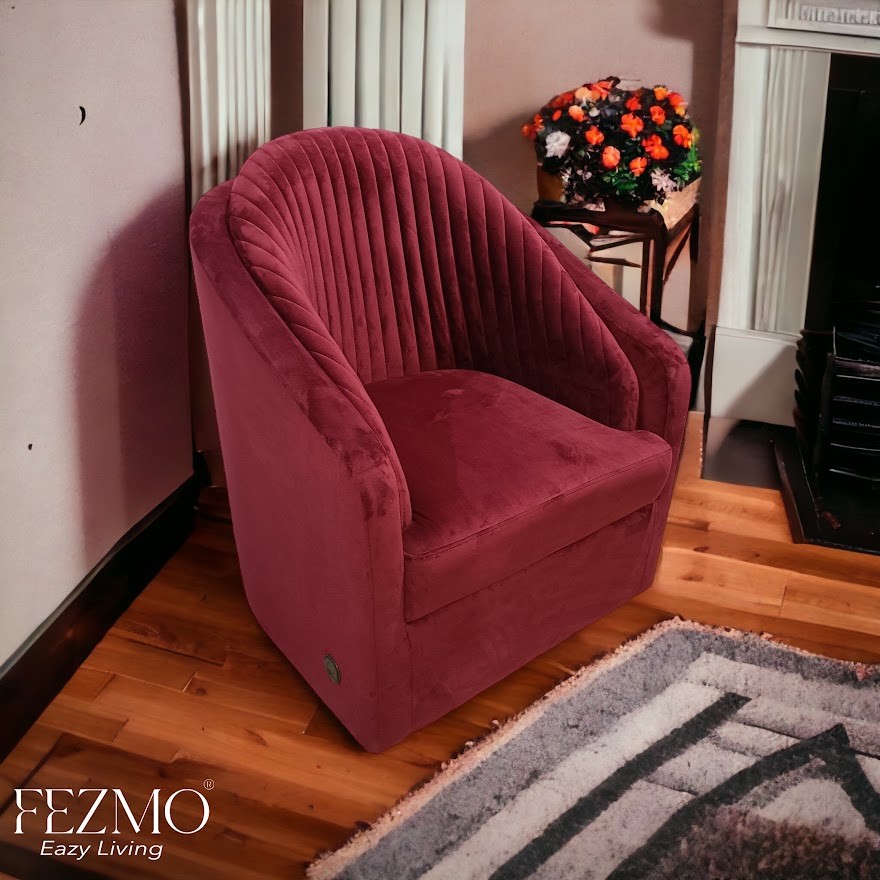
Interiors in Chennai deal with a specific set of conditions that many generic design guides ignore: prolonged humidity, coastal influence, and long stretches of strong sunlight through unshaded windows. Materials that look identical in a showroom can age very differently once they are living through a Chennai summer.
Wood responds to changes in humidity, so moisture content, seasoning, construction, and finishing all matter when selecting furniture for Chennai. Well-seasoned wood and appropriately finished furniture can help reduce problems associated with moisture movement, while prolonged exposure to damp conditions can affect many wood-based materials. Cotton, linen, and other breathable upholstery options can feel more comfortable in warm conditions, while the suitability of any fabric depends on its weave, construction, maintenance requirements, and intended use. For rooms that receive direct afternoon light, fade-resistant fabrics and finishes can help maintain the appearance of furniture exposed to direct sunlight better than materials selected without considering UV exposure.
Why Custom Furniture Changes the Outcome
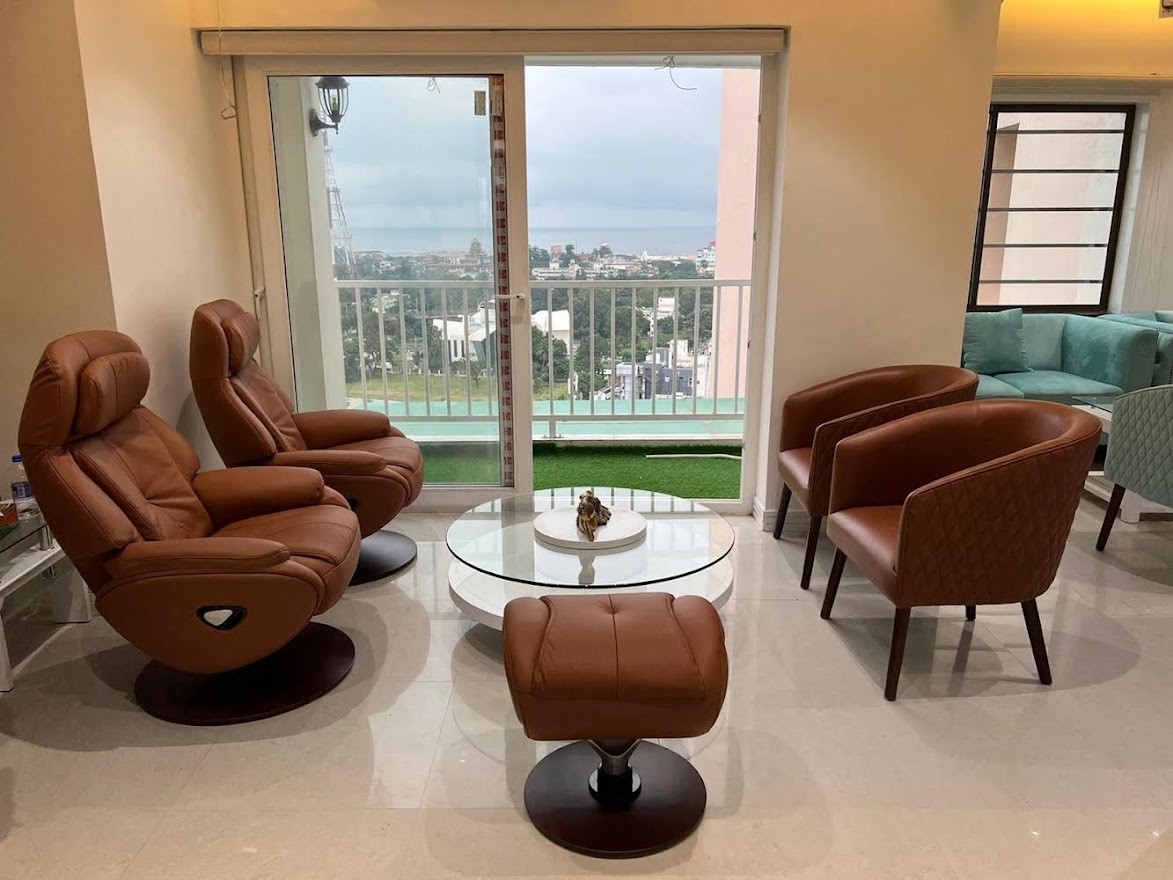
Ready-made furniture is built for an average room and an average buyer, which means it rarely fits any specific home perfectly. Working with custom-made furniture in Chennai allows dimensions, wood type, upholstery, and finish to be matched to the exact space and to the way a household actually uses that space. A slightly narrower console for a tight hallway, a bench seat that doubles as storage, or a headboard sized to a specific mattress are all small adjustments that ready-made furniture usually cannot offer.
Custom furniture can also allow greater control over joinery, materials, dimensions, and finishing, although the final quality depends on the design, materials, workmanship, and manufacturer. This is part of why well-made bespoke pieces can have a longer useful life when their materials, construction, and maintenance are appropriate for the way they are used.
Avoiding Common Mistakes in Bespoke Design
A few missteps show up repeatedly in homes that aim for a bespoke look but fall short of it.
Mixing too many wood tones in one room without a unifying element
Choosing furniture based on a photo without checking real-world dimensions
Prioritising a trending colour over one that suits the room's natural light
Buying every piece from a single collection, which can flatten a room instead of giving it character
The fix for most of these is patience. A bespoke home is often developed gradually rather than completed in a single shopping trip, with pieces added as the right fit is found rather than to complete a room quickly.
Bringing It All Together
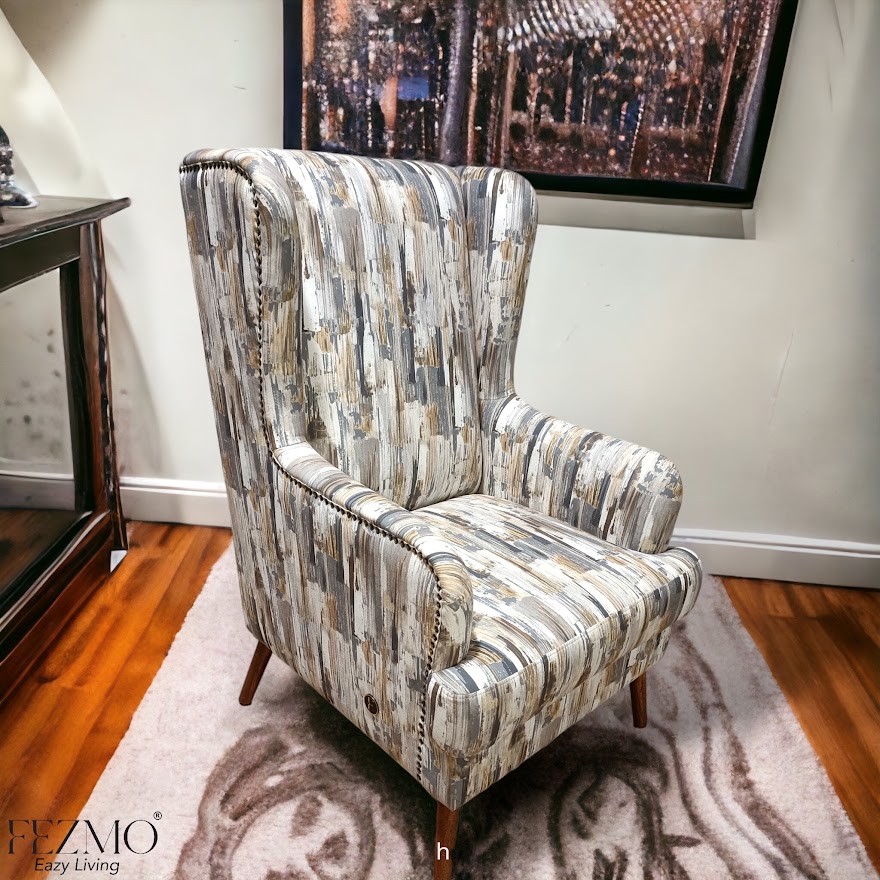
A truly personal home rarely happens through a single big purchase. It builds gradually through pieces chosen with care, materials that suit the climate, and a willingness to prioritise fit over fashion. Whether the starting point is a single custom-made sofa or a full room plan, the goal stays the same: interiors that feel unmistakably like the people who live in them, and that still feel right ten years from now. If you are ready to start shaping a space like this, contact us to talk through your rooms, your habits, and the pieces that would genuinely fit your home.
Frequently Asked Questions
What makes a home design bespoke rather than just decorated?
Bespoke design is built around the specific dimensions, habits, and needs of a household rather than a general style template. Decorated homes can still look attractive while using standard, off-the-shelf pieces that were not chosen with the exact space in mind.
Is custom furniture significantly more expensive than ready-made options?
Pricing depends on materials and complexity, but custom pieces are not automatically more expensive. Whether the additional cost is worthwhile depends on the materials, craftsmanship, complexity, and how closely the piece needs to match the space.
How long does it usually take to furnish a home in a bespoke way?
Bespoke interiors can be developed gradually, particularly when multiple rooms or custom pieces are involved. This allows each room to be planned properly and each piece to be matched to how the space is actually used.
Can a bespoke approach work for a rented home?
Yes. Freestanding custom pieces such as sofas, dining tables, and storage units can move with a household even in a rented home, unlike built-in fittings that stay behind.
What is the easiest way to start making a room feel more personal?
Begin with the piece used most often, usually the sofa, bed, or dining table, and choose it based on how the room is actually lived in rather than how it will photograph. The rest of the room tends to build naturally around that anchor piece.