Some homes make you exhale the moment you step inside. Nothing shouts for attention, yet everything feels considered, calm, and quietly expensive. That sense of ease is rarely an accident. It is the result of restraint, proportion, and a few well-chosen pieces working together rather than competing. Understanding how that effect is built is more useful than copying a look, and it is exactly the thinking that guides the best furniture stores in Chennai when they help a client assemble a room that feels graceful without trying too hard.
In 2026, effortlessly elegant homes in Chennai rely less on trends and more on editing, proportion, and a few well‑made anchors. This guide explains the design principles behind that calm, “quietly expensive” feel and how to apply them in typical Chennai apartments.
Effortless elegance is a paradox, because it takes real intention to look unforced. This article breaks down the principles behind it: editing, breathing space, cohesion, quality signals, and the discipline of leaving things out. None of this depends on a large budget. It depends on judgement, and judgement can be learned.
Elegance Begins with Editing, Not Adding
The most common instinct when furnishing a room is to fill it. More cushions, more decor, more furniture to cover every gap. Elegant rooms do the opposite. They start from what can be removed. When each object has a reason to be there, the eye rests instead of darting around, and the space reads as calm rather than busy. Editing is the single most powerful move available to anyone, and it costs nothing.
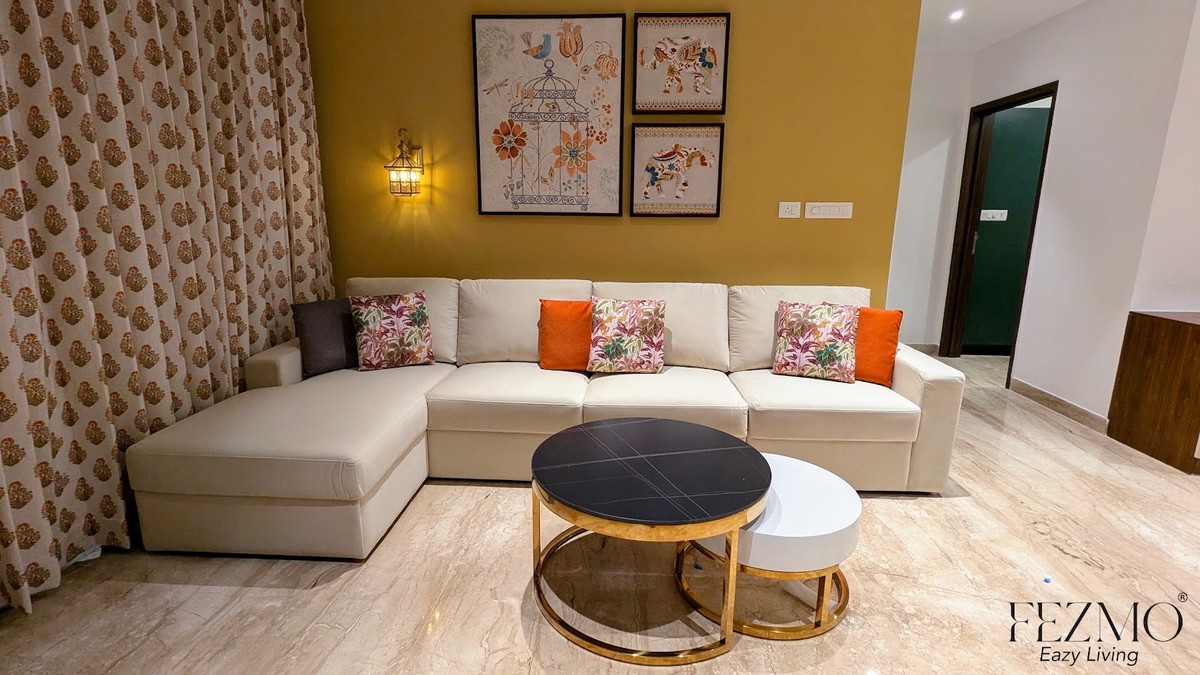
A useful test is to look at a room and ask which three items you would keep if you had to remove half of everything. The pieces that survive that question are usually the ones carrying the character of the space. Everything else is often filler that dilutes the effect rather than adding to it.
The Value of Breathing Space
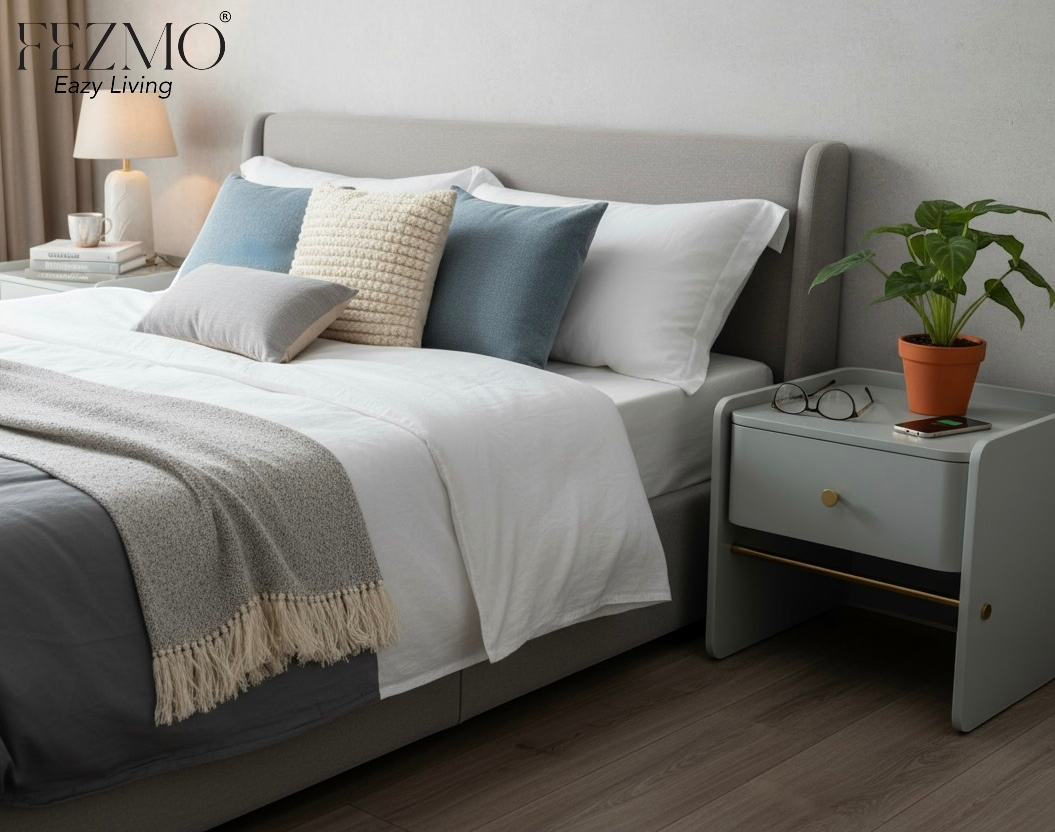
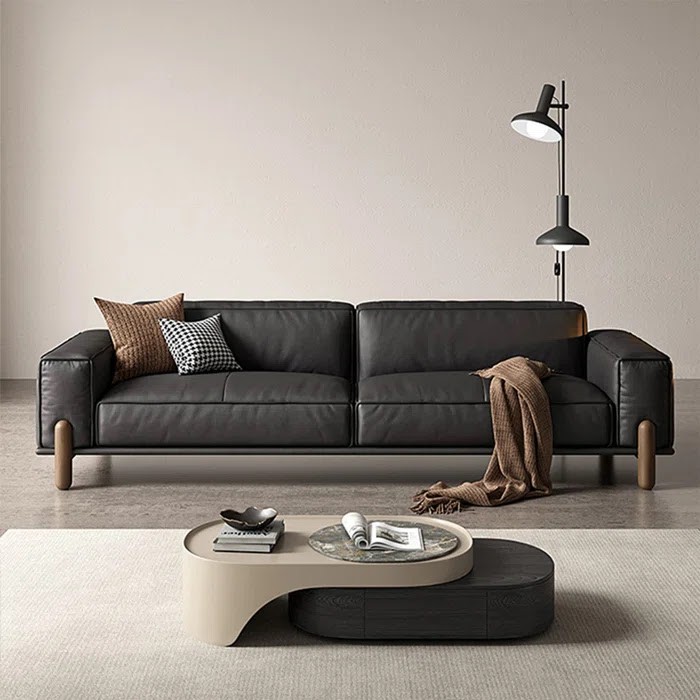
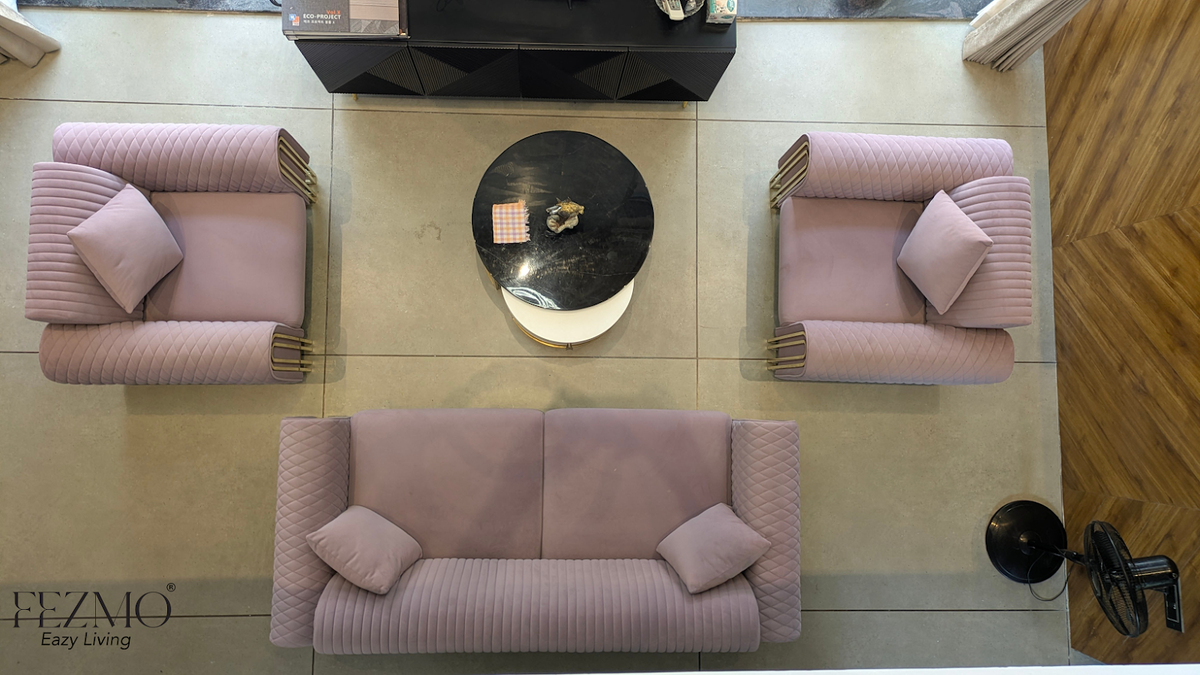
Negative space, the deliberate emptiness around and between pieces, is what lets good furniture be seen. A beautiful sofa crammed against three other objects loses its presence. The same sofa, when given room to breathe, becomes a statement. Chennai apartments are often tight on floor area, which makes this discipline harder and more important. Choosing fewer, better pieces and letting them breathe almost always beats crowding a room with more.
Cohesion Is What the Eye Actually Reads
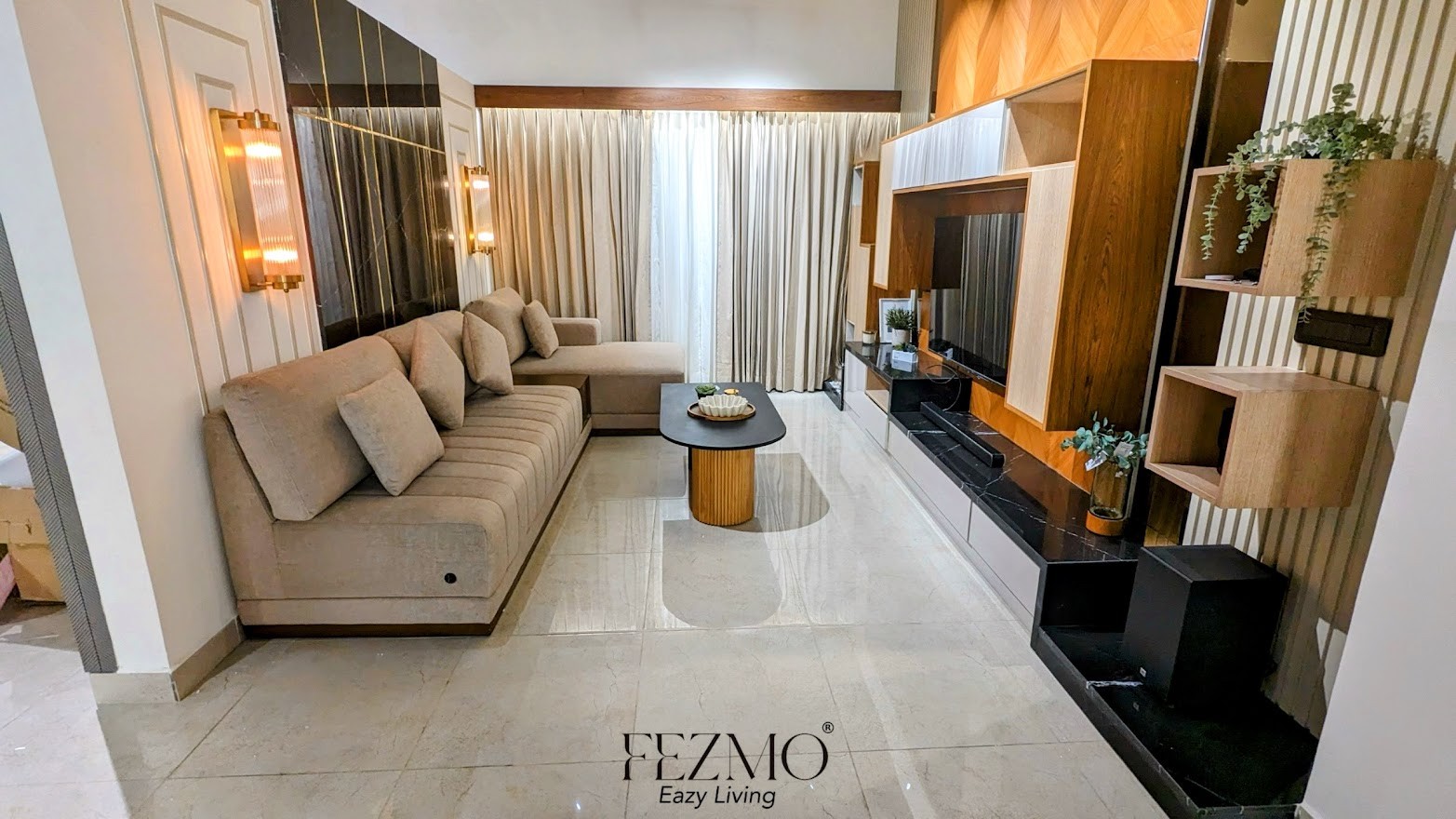
Elegance is less about any single item and more about how items relate. A cohesive palette, consistent undertones in wood and metal, and a repeating sense of proportion make a room feel intentional. This is where curated guidance helps, because staff at a considered showroom can steer you toward pieces that speak to each other. Browsing living room furnishings in Chennai with cohesion in mind, rather than buying attractive items one at a time, helps prevent the disjointed look that undermines so many well-funded rooms.
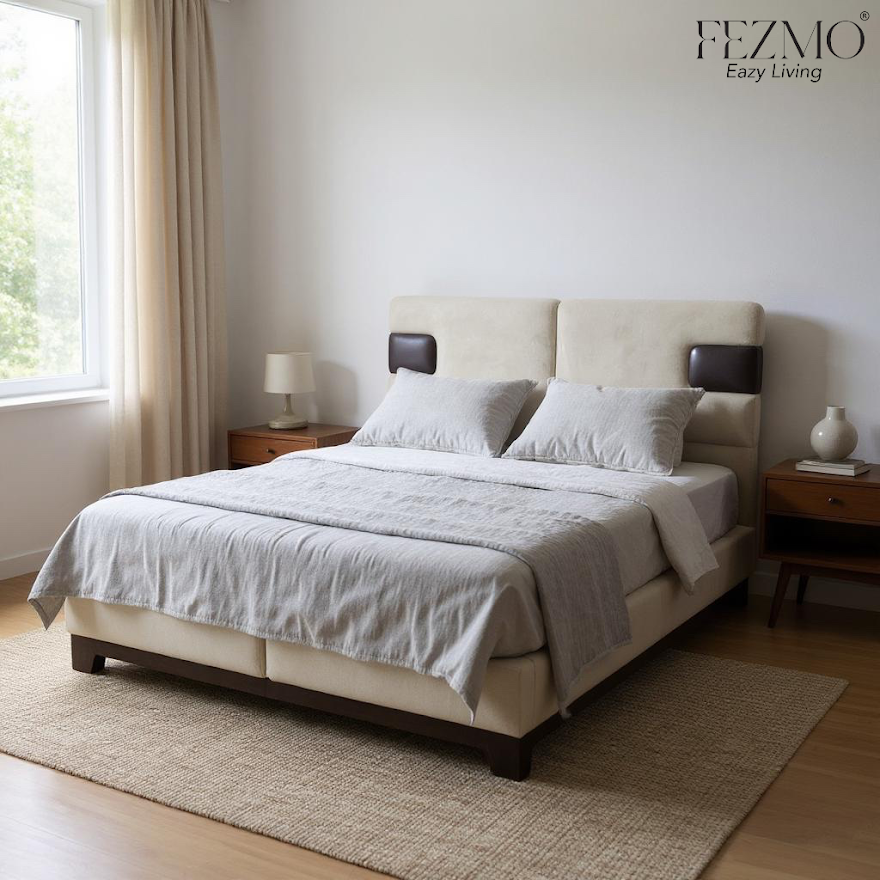
Cohesion does not mean everything matches. In fact, a room where every piece is from one matching set can feel like a showroom rather than a home. The skill lies in variety held together by a common thread, whether that thread is a colour family, a material, or a shared era of design. Contrast within a consistent framework is what gives a space life without chaos.
Proportion and Scale
A piece that is the wrong size for its room breaks the spell instantly. An oversized sectional in a modest hall feels heavy, while dainty furniture in a large space looks lost. Getting scale right is one of the quiet skills behind elegant interiors. Measuring the room, mapping the layout, and choosing pieces sized to the space matters more than the individual beauty of any one item.
Quality Signals the Eye Picks Up Subconsciously
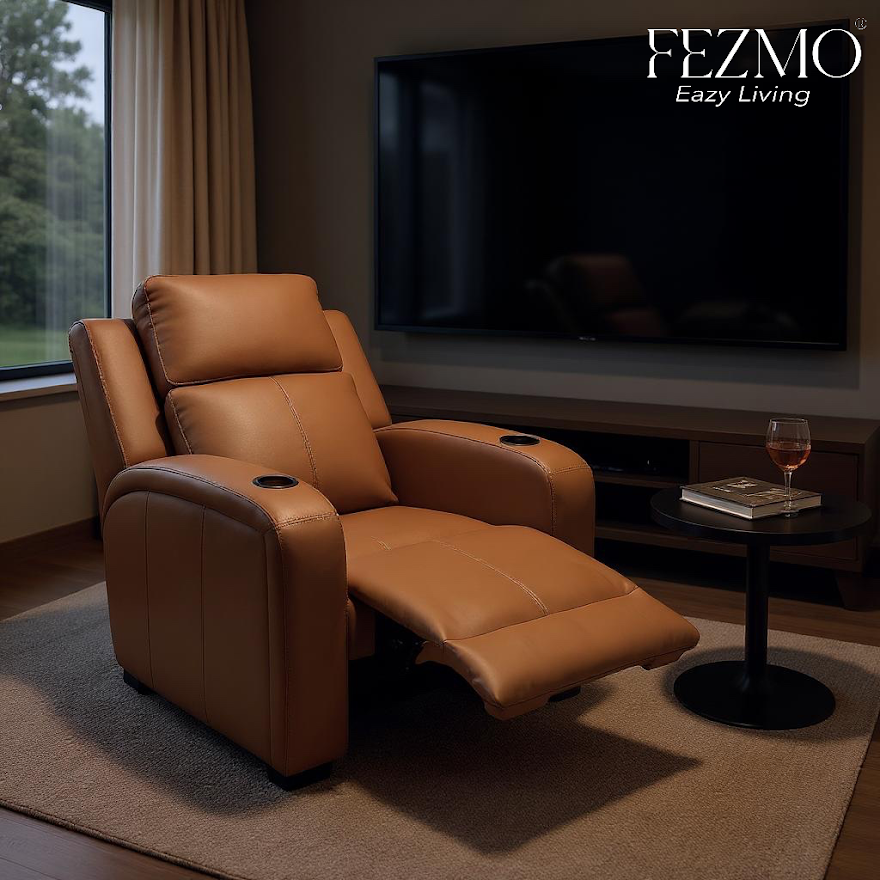
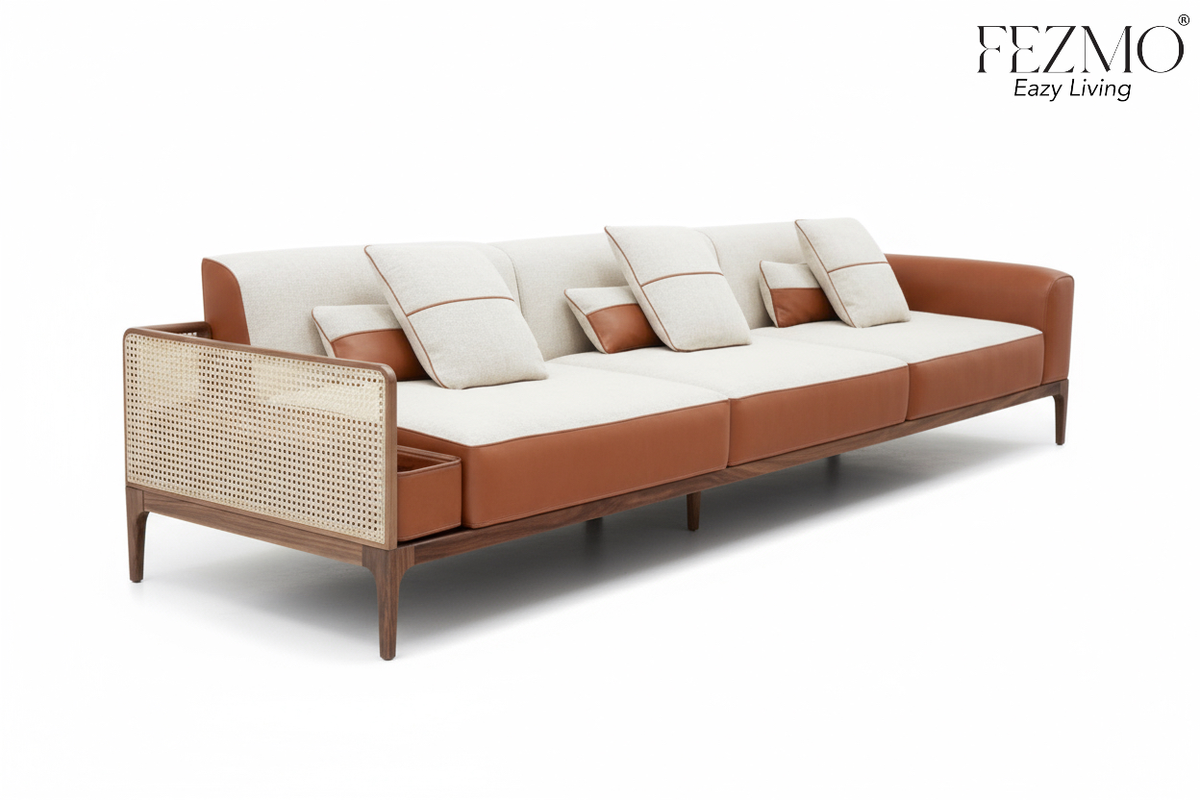
People register quality before they can name it. The way a fabric holds its shape, the weight of a well-made drawer, the honesty of solid wood over thin veneer, all of these send signals that a room is built on substance. You do not need many such pieces. One or two genuinely well-made anchors lift everything around them, which is why investing in a few quality pieces beats spreading a budget thinly across many forgettable ones.
- Effortless elegance comes from choosing a few well-crafted pieces, while a forced look often results from filling every available surface.
- Elegant spaces leave breathing room around furniture, whereas crowded layouts make a room feel visually overwhelming.
- A cohesive colour palette and complementary materials create harmony, while clashing colours and unrelated furniture styles make a room feel disconnected.
- Furniture that is properly scaled to the room enhances balance, while pieces that are too large or too small disrupt the overall design.
- One or two high-quality statement pieces create lasting impact, whereas many ordinary or forgettable items dilute the room's character.
- Elegant homes use décor with restraint and intention, while over-accessorised surfaces make a space feel cluttered rather than sophisticated.
Why Restraint Reads as Luxury
There is a reason the most expensive interiors often feel the most sparse. Restraint signals confidence. It says each piece was chosen because it earned its place, not to fill a gap or follow a trend. A crowded room, however costly its contents, can feel anxious, as though it is trying to prove something. A pared back room feels settled, and that settledness is what the eye reads as luxury. This is why editing consistently outperforms accumulating, whatever the budget behind it.
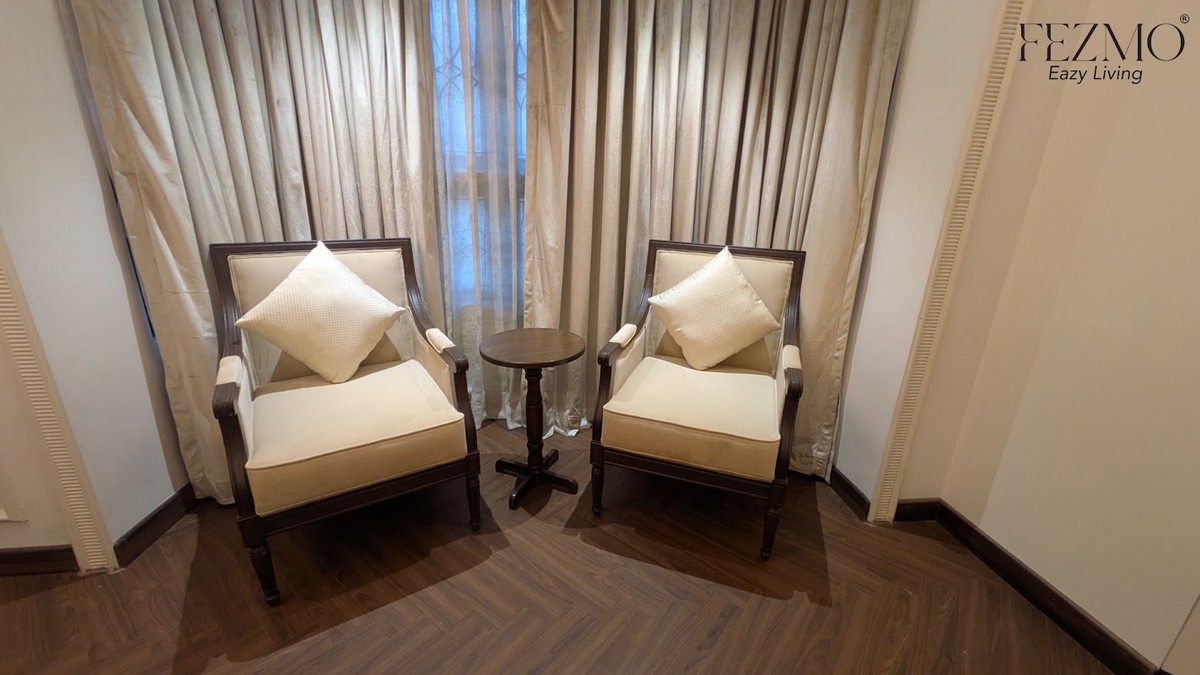
Restraint also ages far better than excess. Trends date quickly, and a room stuffed with of‑the‑moment pieces can look tired within a year. A room built on a few quiet, well-made anchors and plenty of breathing space tends to look current for far longer, because it was never chasing a moment in the first place. Choosing timelessness over novelty is one of the most cost-effective decisions an elegant home can make, since it spares the expense of constant reinvention.
The Role of Light and Texture
Elegance is not only visual geometry. Soft, layered lighting flatters a room far more than a single, harsh ceiling light, and a mix of textures, such as a smooth wood table beside a woven throw and a linen sofa, gives depth that a flat, uniform surface never achieves. These are inexpensive adjustments that make expensive rooms feel warm rather than sterile. Attention to how a space feels, not just how it looks, separates a merely tidy room from a genuinely inviting one.
Common Ways the Effect Gets Broken
Understanding what ruins effortless elegance is as useful as knowing how to build it. The most frequent culprit is over accessorising, where a clean room slowly accumulates small objects until it feels cluttered again. Another is chasing every trend, which leaves a space feeling dated and disjointed within a couple of years. A third is buying matching sets that strip a room of individuality. Recognising these traps early keeps a space from drifting away from the calm it started with.
Inconsistent lighting is another quiet spoiler. A room can be beautifully furnished yet feel flat under a single cold overhead bulb. Mismatched undertones also undermine cohesion, such as warm wood fighting with cool grey upholstery in a way the eye notices even when the mind cannot name it. Small corrections in these areas often rescue a room that felt almost right but not quite.
Elegance Is Maintained, Not Just Created
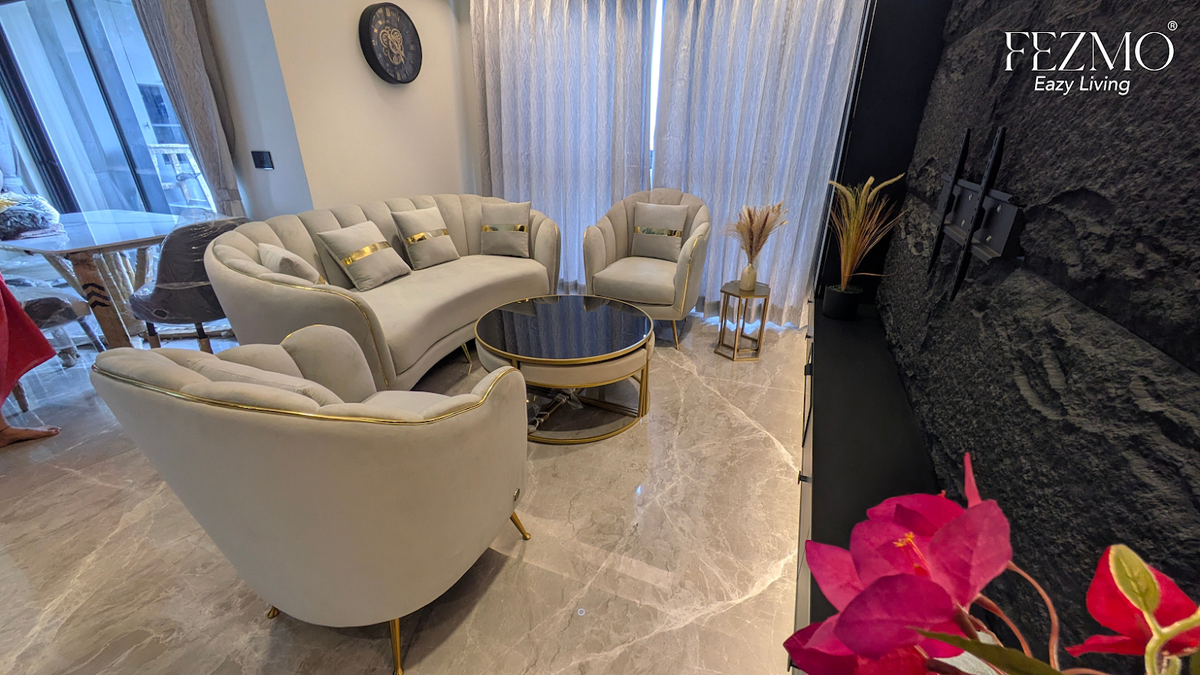
An elegant room is not a fixed achievement. It needs light maintenance, mostly in the form of restraint over time. As life brings new objects into a home, the discipline of editing has to continue, or the calm slowly erodes. The homes that stay elegant are the ones where owners periodically pause, look with fresh eyes, and remove what has crept in. Treating elegance as an ongoing habit rather than a one-time project is what keeps a space feeling considered for years.
Bringing the Principles Together
Effortless elegance is a set of decisions anyone can make : edit ruthlessly, respect breathing space, keep a cohesive palette, get the scale right, invest in a few quality anchors, and layer light and texture. Done together, they produce a home that feels calm and considered without looking laboured. If you would like help translating these ideas into pieces suited to your own space, speak with the Fezmo team to plan a room that feels effortless for years, not just on the day it is styled.
Frequently Asked Questions
Does effortless elegance require a big budget?
No. It depends on judgement rather than spending. Editing, breathing space, and cohesion cost nothing, and one or two quality anchor pieces often achieve more than many expensive but unrelated items.
How many statement pieces should a room have?
Usually one or two. A single well made anchor, such as a sofa or a dining table, gives a room its character. Too many statement pieces compete with each other and cancel the effect.
Why do some expensive rooms still look cluttered?
Because spending does not replace editing. A room filled with costly items but no breathing space or cohesion reads as busy. Restraint and relationship between pieces matter more than the price of each one.
Can small Chennai apartments feel elegant?
Yes, and restraint helps most here. Fewer, correctly scaled pieces with room to breathe make a compact space feel calm and considered rather than crowded, which is the essence of quiet elegance.