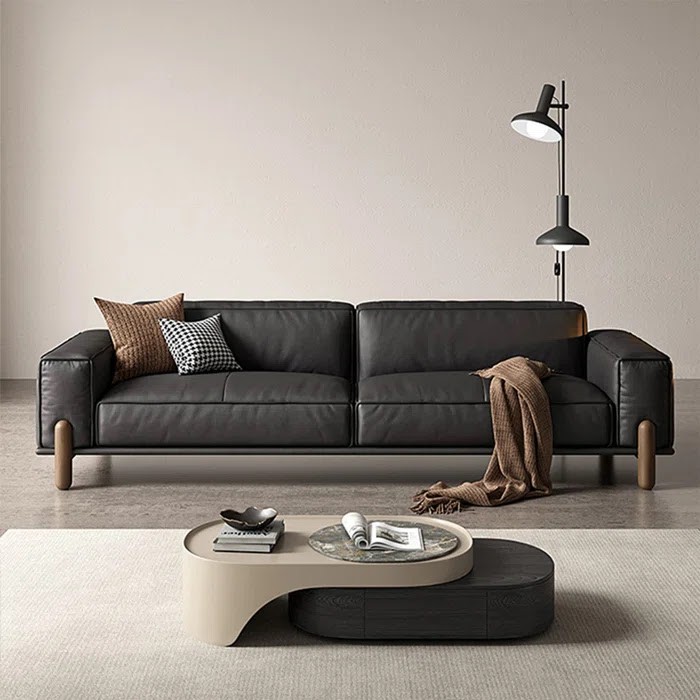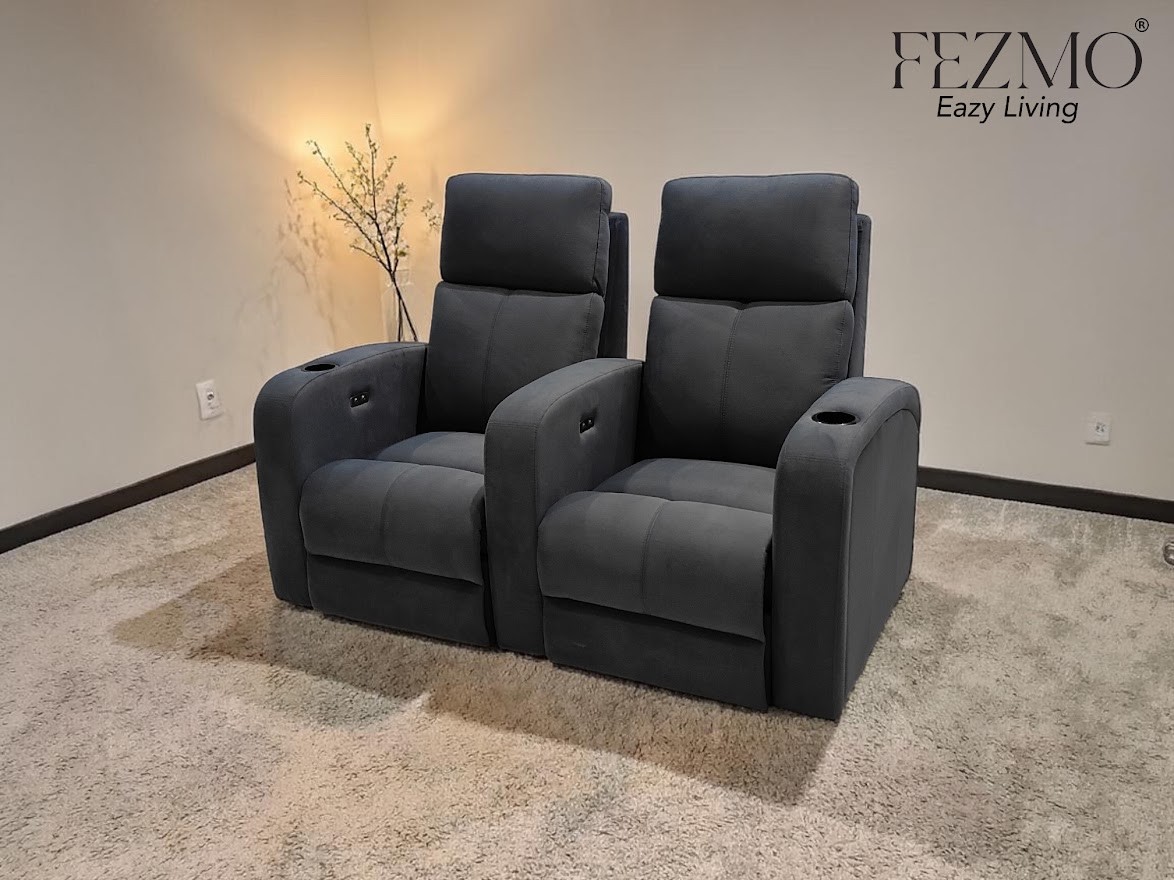
Moving into a first home usually comes with a familiar shortcut: buy a matching set, place it where it fits, and call the room finished. It is fast, it is predictable, and it rarely feels like anything more than a display from a catalog. A growing number of first-time homeowners are choosing a different path, one where furniture is picked piece by piece to actually reflect how they live rather than how a showroom arranged it. This shift is easy to see at any thoughtful furniture shop in Anna Nagar, where buyers are increasingly asking for pieces that feel considered rather than simply convenient.
Why First Homes Often End Up Looking the Same
The Convenience of Ready-Made Sets
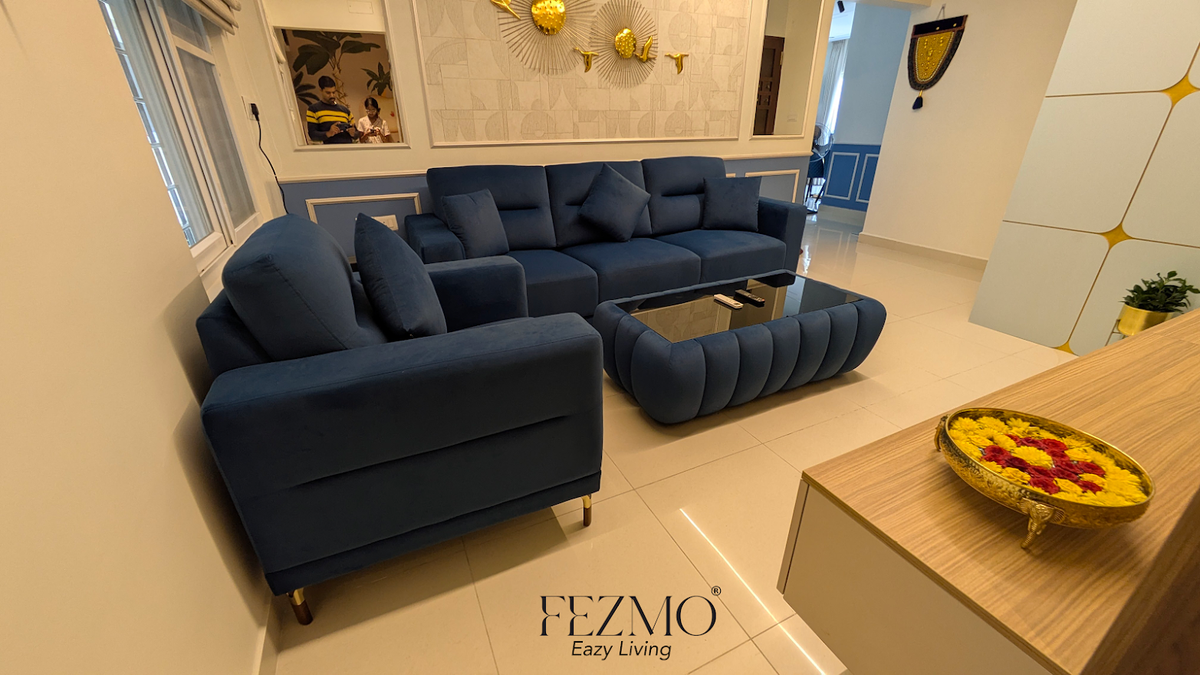
Matching three or five piece furniture sets exist for a good reason. They save time, remove decision fatigue, and guarantee that everything in the room coordinates without much effort. For someone juggling a new job, a home loan, and a moving truck, this convenience is genuinely appealing. The tradeoff is that thousands of other buyers are choosing the exact same set from the exact same catalog, which is why so many first homes end up with a strikingly similar look despite belonging to completely different people.
Limited Time Leads to Limited Choices
Furnishing an entire home at once is exhausting, and most first-time buyers are working against a moving date, a budget, or both. Under that pressure, it becomes tempting to grab whatever is available and in stock rather than spend weeks sourcing pieces that genuinely suit the space. This is not a failure of taste, it is simply what happens when time runs shorter than the number of decisions that need to be made.
What Personal Furniture Actually Means
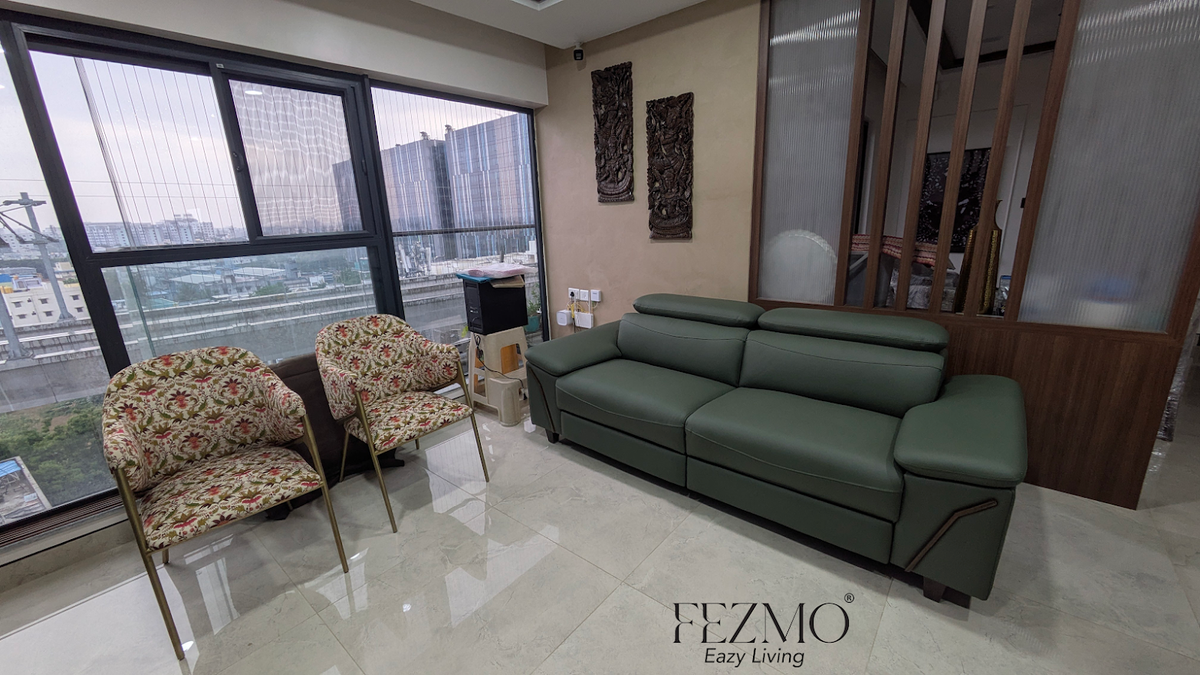
Materials and Finishes That Reflect Your Taste
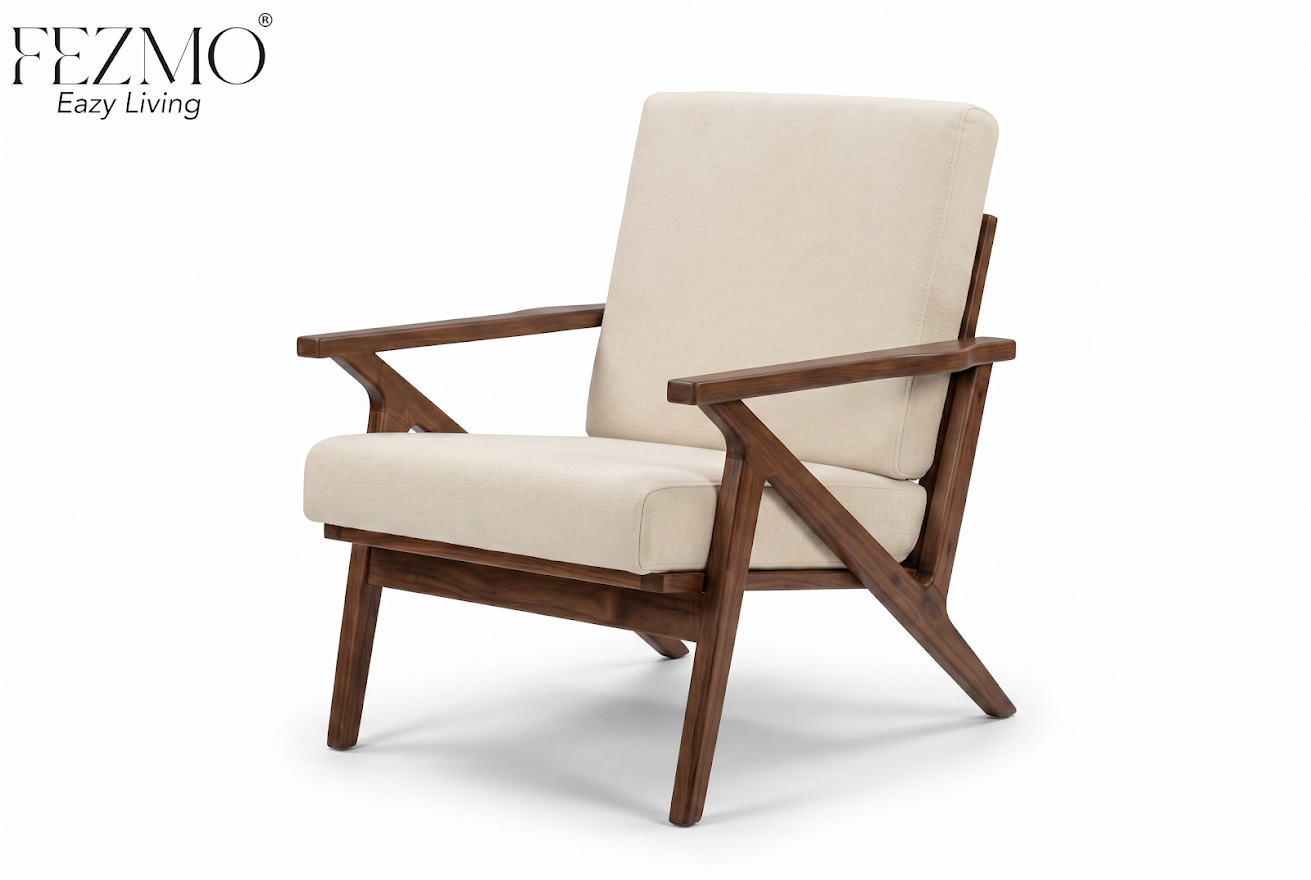
Personal does not have to mean expensive or fully custom built. It can be as simple as choosing a wood finish that suits the natural light in your home, picking upholstery in a texture you actually enjoy touching every day, or selecting hardware that matches the rest of your fittings instead of whatever came bundled with a set. Interior designers have increasingly pointed to warmer wood tones, tactile fabrics like linen and textured cotton, and finishes with visible grain and character as the details that make a room feel lived in rather than staged.
Scale That Suits Your Actual Space
A piece that feels personal also has to feel right in proportion to the room it occupies. Furniture chosen purely because it looked appealing in a showroom or an online photo can end up too large, too small, or oddly placed once it reaches a smaller first home. Personal furnishing takes the specific dimensions and quirks of a space into account, rather than assuming a generic room size will work for every buyer.
Customization Options Beyond Fully Bespoke Furniture
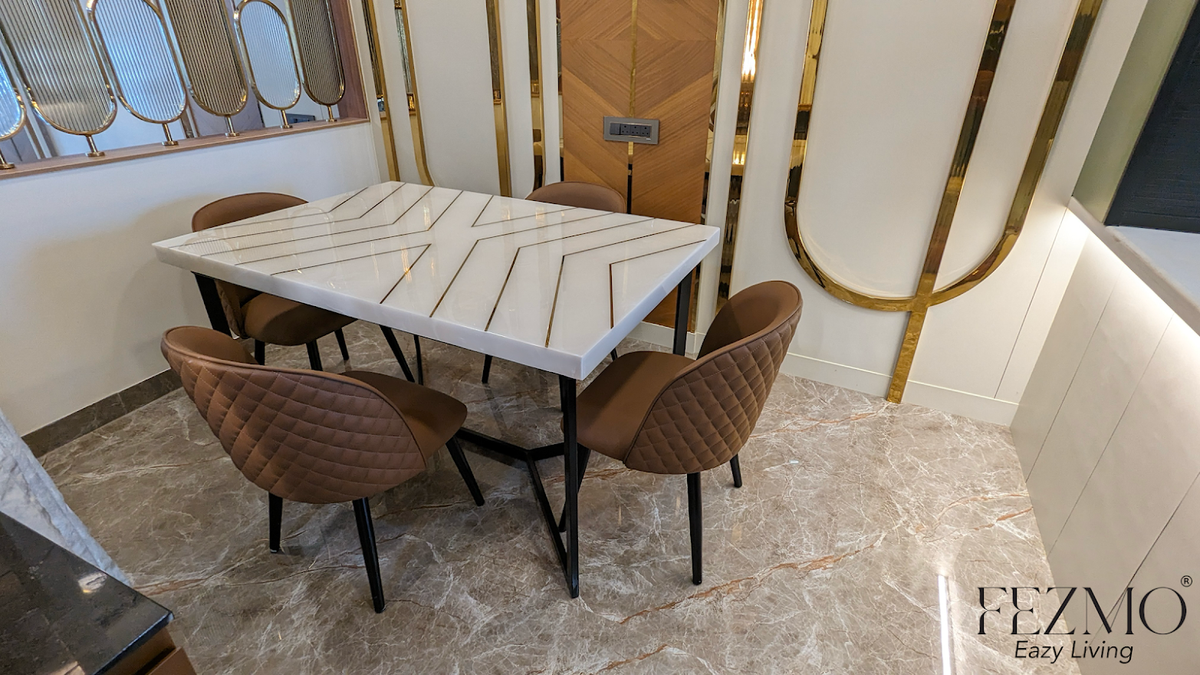
Modular and Configurable Pieces
Fully custom furniture is not the only route to a personal home. Modular sofas, sectional units, and stackable storage systems let buyers choose a configuration that suits their actual layout, then rearrange or expand it later as their needs change. This middle ground between an off-the-shelf set and a fully bespoke commission has become increasingly popular precisely because it offers flexibility without the cost or wait time of ground-up custom building.
Choosing Fabric, Color, and Hardware
Many manufacturers now offer a base frame with a choice of fabric, wood stain, or metal finish, allowing a buyer to personalize a piece without commissioning something entirely from scratch. This kind of semi-custom option has become more accessible than it used to be, once considered a luxury reserved for interior design clients. A visit to a furniture showroom near Anna Nagar often reveals just how many of these choices are already built into standard collections, waiting to be picked rather than requested as a special order.
Working With Local Carpentry for Semi-Custom Pieces
For buyers who want something closer to fully personal without the cost of a completely bespoke commission, working with a local carpenter on a semi-custom piece, such as a television unit sized for an odd alcove or a bookshelf built around an existing window, can bridge the gap. This approach lets a homeowner control size and layout while still working from familiar, tested designs rather than starting from a blank page.
Balancing Personal Style With a Realistic Budget
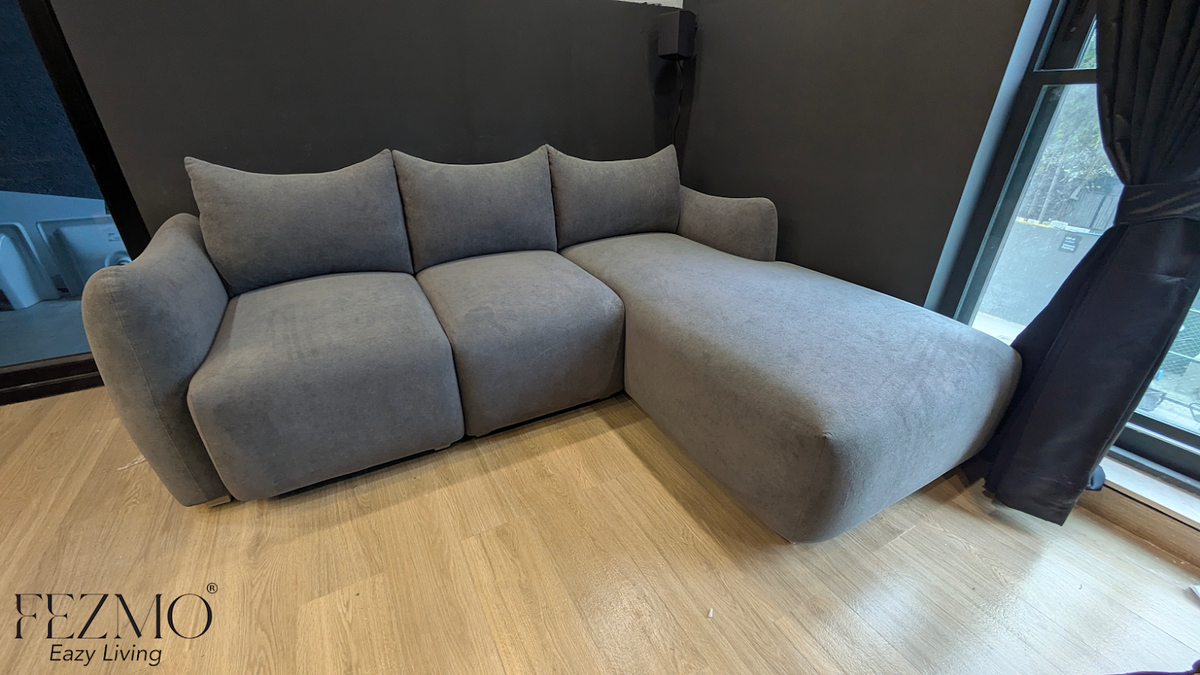
Personalizing a home does not require replacing every single item with a custom piece. A practical approach is to identify which few pieces matter most, often a sofa, a dining table, or a bed, and invest a little more thought and budget into those, while filling in supporting pieces like side tables or additional seating with simpler, more affordable options. This keeps the overall cost manageable while still giving the home a distinct character rather than a fully generic one.
Building a Home Gradually Instead of All at Once
Starting With a Few Anchor Pieces
Rather than furnishing every room in a single trip, many new homeowners are finding it more satisfying, and often more affordable, to start with the pieces used daily, a comfortable bed, a dining table, a sofa, and build outward from there over the following months. This gradual approach also allows a home to develop a coherent style over time instead of locking in every decision before actually living in the space and understanding how it is used.
Layering in Personality Over Months, Not Days
Some of the most personal-feeling homes are furnished slowly, with a vintage find added here, a handmade item picked up during a trip added there, and new pieces chosen to complement rather than replace what already exists. This layered approach naturally avoids the matched, catalog look, since no single shopping trip is responsible for the entire room. It also gives a homeowner the chance to notice gaps or needs that were not obvious on move-in day.
Finding the Right Furniture Partner Close to Home
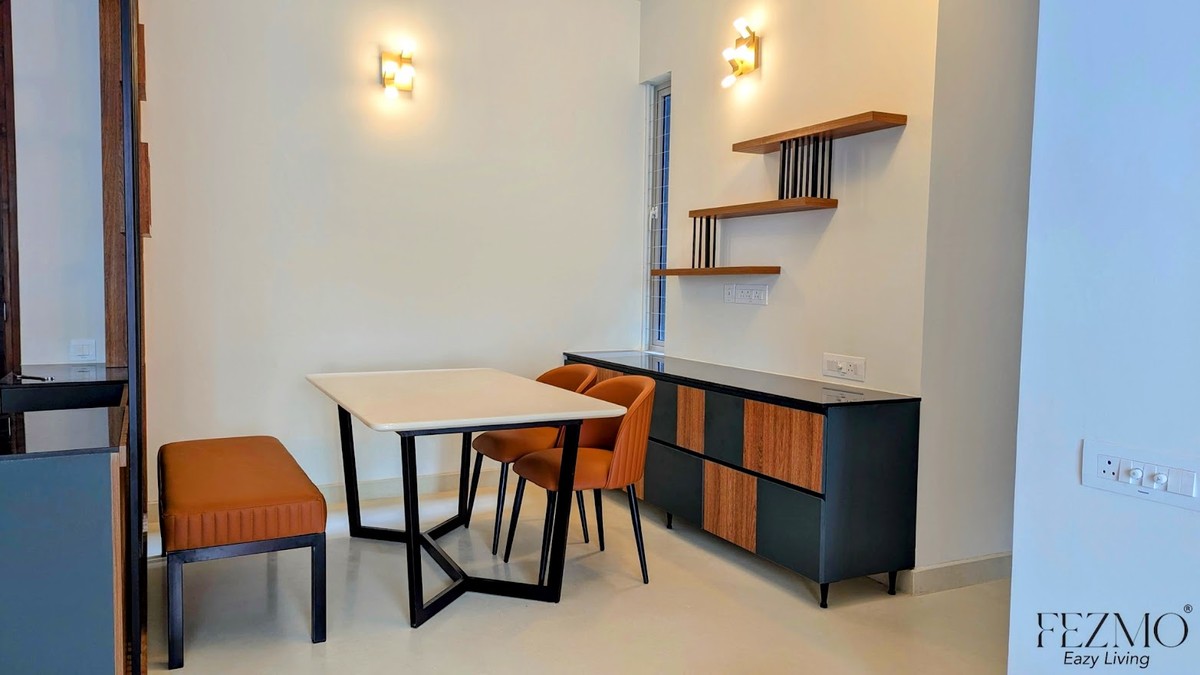
Shopping locally for furniture carries a practical advantage that online browsing cannot fully replace. Being able to see a fabric swatch under your own home's lighting, ask a salesperson about delivery timelines through your specific building, or request a small customization on the spot makes the entire process feel less like a transaction and more like a collaboration. For residents furnishing a first home in and around the neighborhood, a nearby showroom staffed by people familiar with local apartment layouts and delivery routes often ends up being the more reliable choice over a purely online purchase.
Avoiding Common Pitfalls When Personalizing a Home
Chasing Every Trend at Once
It is easy to feel pulled toward every color palette, texture, and silhouette that shows up while browsing for inspiration, but mixing too many competing trends into one home can end up feeling chaotic rather than personal. A more reliable approach is to pick one or two elements that genuinely resonate, perhaps a warm wood tone or a particular fabric texture, and let those act as a thread that ties different rooms together, rather than treating every trend as something that must be included.
Forgetting How a Room Is Actually Used
A striking accent chair or an oversized coffee table can look wonderful in photographs, yet still fail a household if it does not suit daily habits. A family that gathers for meals every evening benefits more from a sturdy, easy-to-clean dining table than from a delicate showpiece. Thinking through how a room will genuinely be used, not just how it will look on the first day, helps personal choices remain practical over the years rather than becoming pieces that are admired but avoided. For homeowners who want to explore furniture that fits both their space and lifestyle, furniture options in Anna Nagar can offer an opportunity to compare designs, materials, and practical options in person.
Why Personal Furniture Choices Age Better
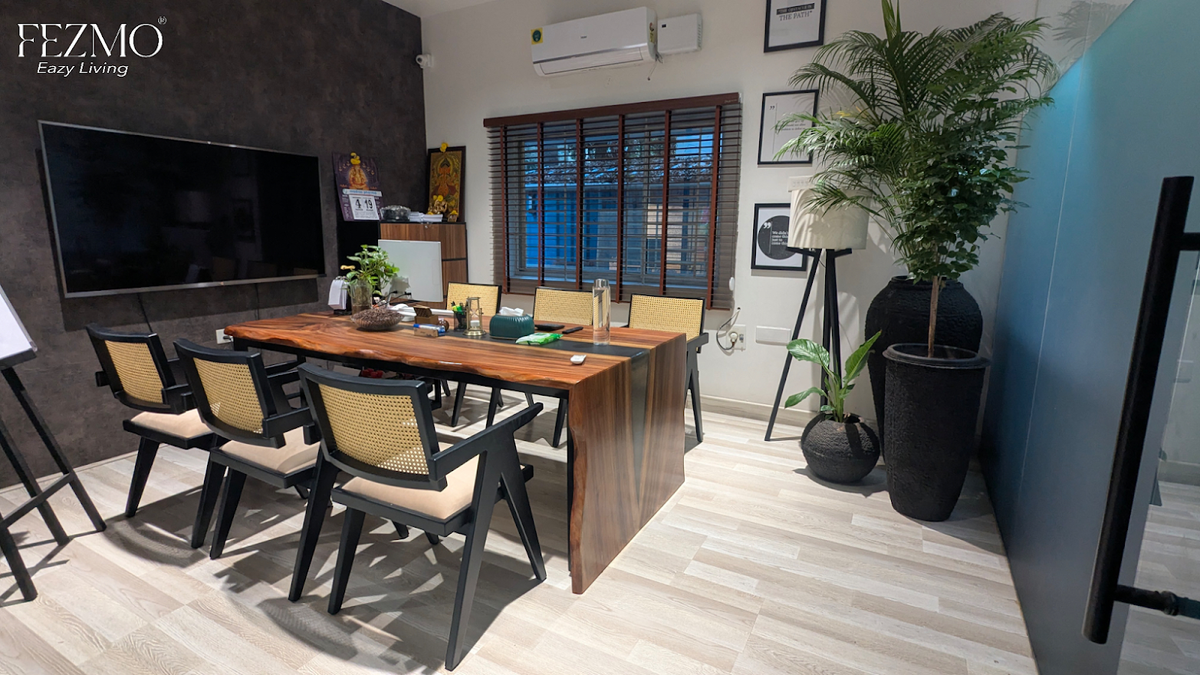
Furniture chosen to reflect genuine taste tends to stay relevant far longer than pieces selected purely because they were trending or convenient at the time of purchase. A dining table picked for its craftsmanship and the way it suits a household's daily routine is far less likely to feel dated in a few years compared to a set bought simply because it was the fastest option available. This is part of why many interior designers have pointed to quality construction and meaningful material choices as a growing priority, since well-made, personally chosen pieces are more likely to be kept, repaired, and passed down rather than replaced at the next redecorating cycle.
Conclusion
A first home does not have to look like it was assembled from a single catalog page. With a bit of patience, a willingness to mix semi-custom choices with a few carefully selected pieces, and a gradual approach to furnishing, it is entirely possible to build a space that feels genuinely personal rather than mass-produced. If you are furnishing your first home and want guidance on pieces that actually fit your space and style, contact us and our team will help you put together a home that feels like yours from the very first piece.