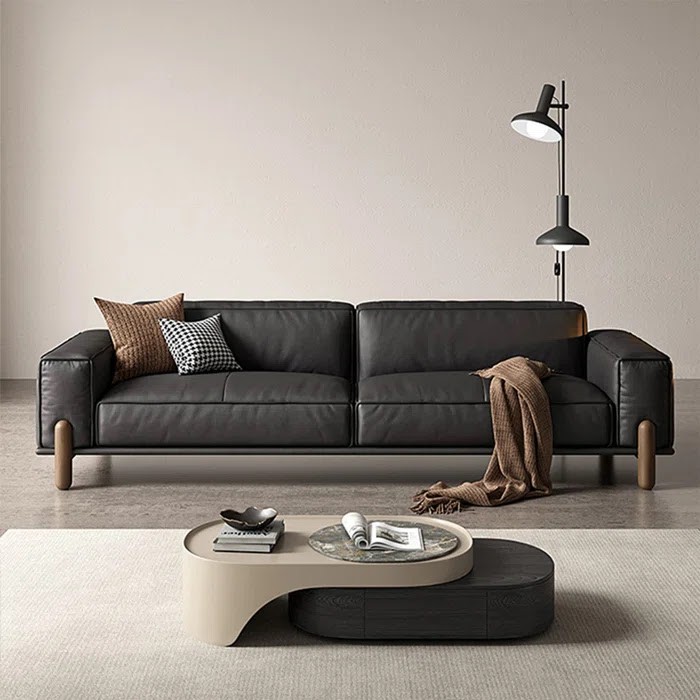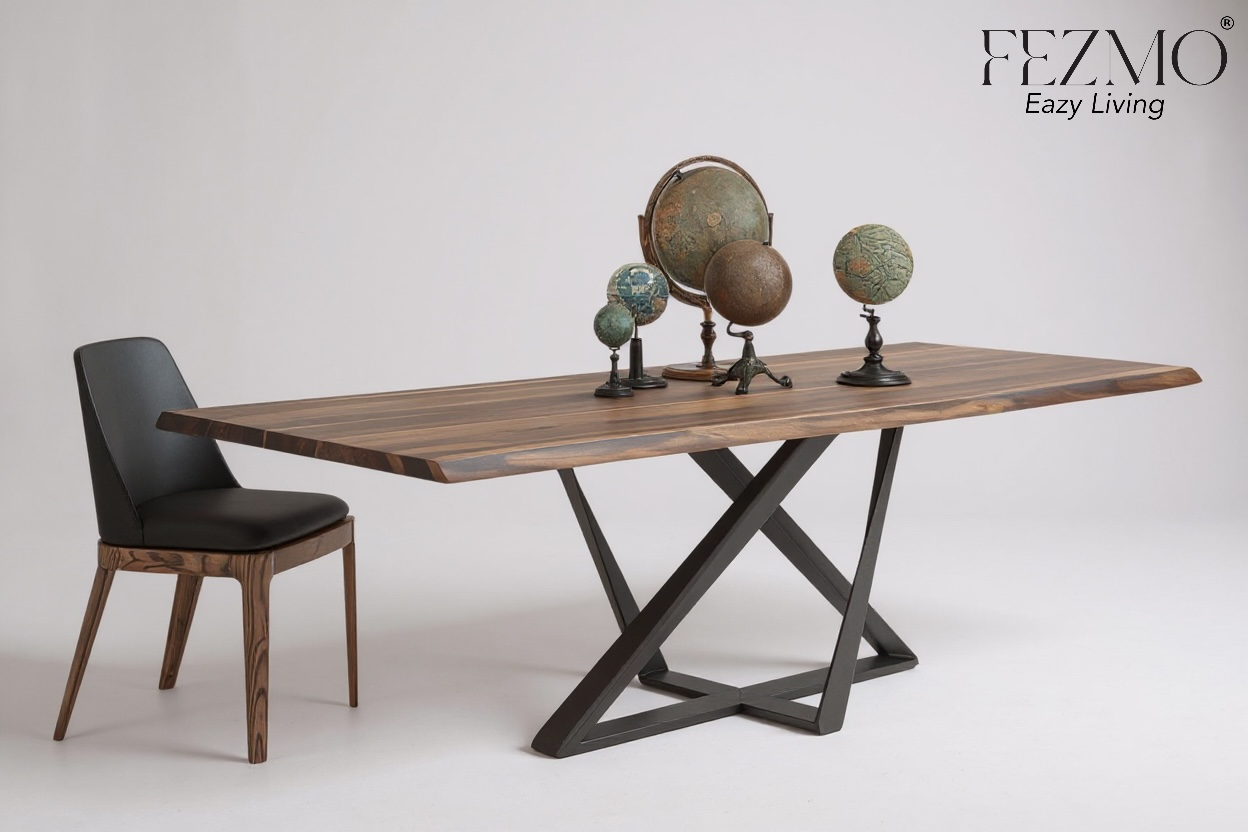
A new sofa arrives, and within minutes it becomes clear that it just too far into the walkway, or a wardrobe door cannot fully open because it bumps into the bed frame. These are not rare mishaps. They are one of the most common outcomes when furniture is chosen based on how much it is liked rather than how well it actually fits the room. Measurements rarely feel exciting during furniture shopping in Chennai, yet they quietly decide whether a beautiful piece becomes a daily convenience or a daily source of frustration. This guide walks through why measuring matters so much, what exactly to measure, and how to avoid the sizing mistakes that catch even careful buyers off guard.
What Happens When Measurements Get Skipped
Furniture That Overwhelms or Underuses a Room
A dining table that is a touch too large can leave almost no room to pull out chairs comfortably, turning every meal into an exercise in squeezing past furniture. On the other end, a sofa that is too small for a large living room can leave the space feeling empty and poorly arranged, no matter how tastefully it is chosen. Both problems trace back to the same root cause: buying based on visual appeal rather than actual floor space available.
Delivery Day Surprises That Could Have Been Avoided
It is not just the room itself that needs measuring. Every year, buyers order a piece that looks perfect on paper, only to discover on delivery day that it cannot be carried through the front door, turned around a stairwell landing, or fitted into a lift. These situations often end in a rushed return, an unplanned disassembly, or a piece left sitting in a hallway because there was no clear plan for how it would actually reach its intended spot.
Measurements to Take Before You Start Browsing
Room Length, Width, and Usable Floor Area
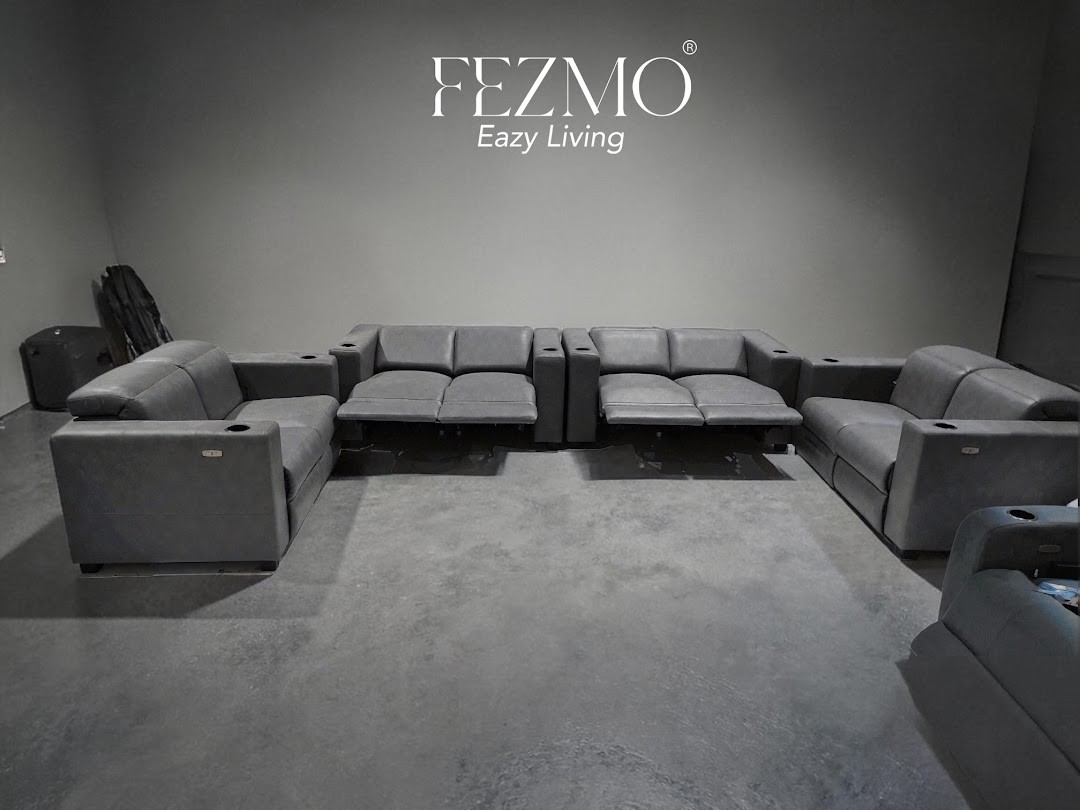
Start with the basics: the full length and width of the room, plus the position of any fixed elements such as windows, switchboards, air conditioning units, or built-in cupboards that furniture will need to work around. Sketching a rough floor plan, even a simple one drawn by hand, gives a far clearer picture than trying to estimate space by eye. Once fixed elements are marked, it becomes much easier to see how much usable floor area is actually left for movable furniture.
Doorway, Corridor, and Lift Clearance
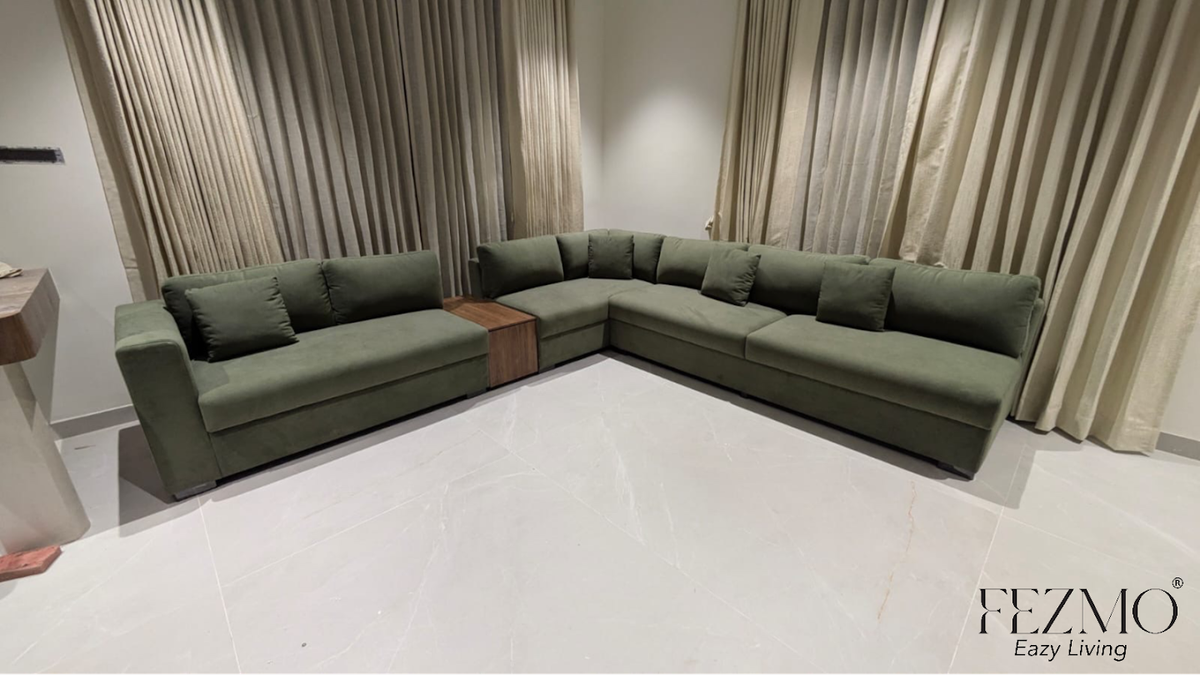
Before falling for a large wardrobe or an oversized sectional sofa, measure the width and height of every doorway the piece will need to pass through, along with any hallway turns, staircase landings, or lift dimensions in the building. In many Chennai apartments, lifts and stairwells are narrower than buyers expect, and a piece that fits the room perfectly can still become impossible to deliver if this step gets skipped. Asking the seller for the packed box dimensions, not just the assembled size, makes this comparison far more accurate.
Ceiling Height for Tall Furniture
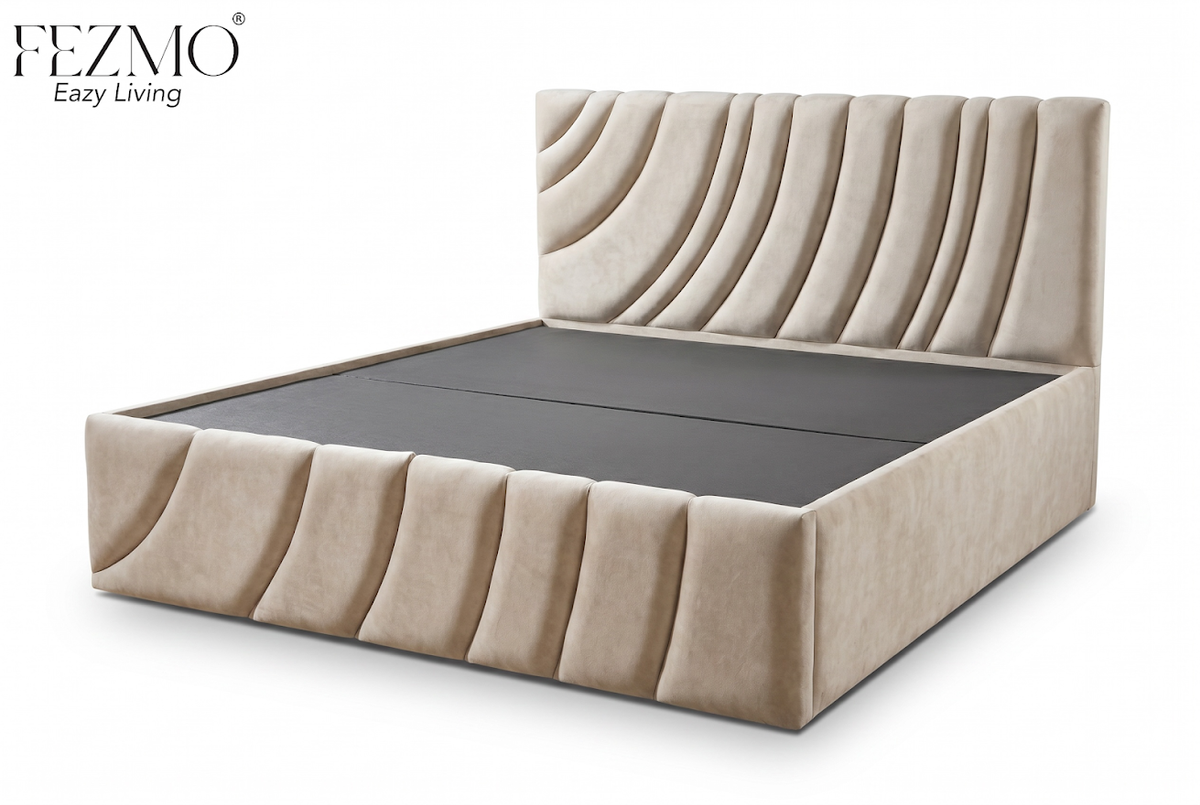
Ceiling height is one of the most overlooked measurements, particularly for tall bookshelves, loft beds, or decorative headboards. A piece that looks proportionate in a showroom with high ceilings can appear visually heavy or cramped in a room with a lower ceiling. Measuring from floor to ceiling, and comparing it against the total height of the piece plus a reasonable gap above it, prevents furniture from feeling like it is pressing against the room.
Simple Tools That Make Measuring Easier
Marking the Floor With Tape
One of the most effective low-cost methods is using masking tape or painter's tape to outline the exact footprint of a sofa, bed, or table directly on the floor. Walking around this outline for a day or two gives a realistic sense of whether the walkway space feels comfortable or cramped, something a measuring tape alone cannot fully convey.
Digital Tools for Faster, More Accurate Numbers
Laser distance measures have become widely available and make it far quicker to capture accurate room dimensions compared to a traditional tape measure, especially in tight corners. Several smartphone apps also use a phone's camera to estimate room measurements, which can be a useful starting point, though it is worth double checking critical numbers, such as doorway width, with a physical tool before finalizing a purchase. Buyers researching options through the best furniture shop in Chennai often find that combining a rough app measurement with a manual double check gives the most dependable result before placing an order.
Measuring for Specific Pieces and Rooms
Living Room and Seating Arrangements
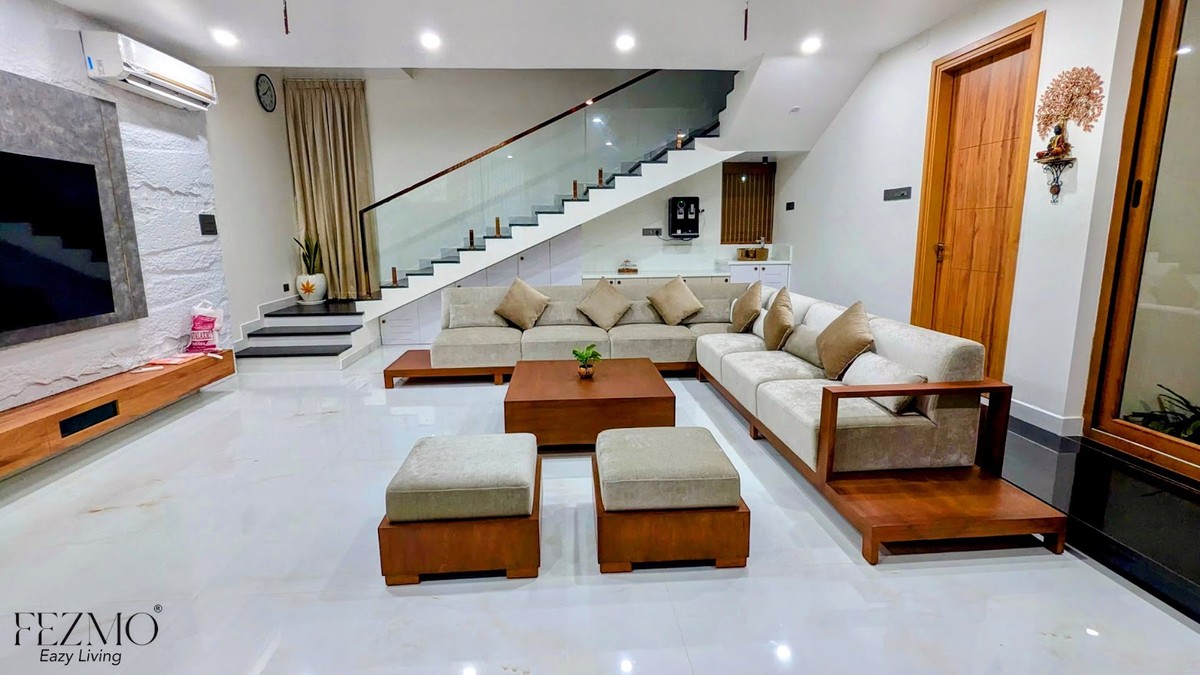
For a sofa, measure the wall length it will sit against and the depth of the space it will occupy, then allow enough room around it for a coffee table and side tables without blocking the main walking path. A general rule many designers follow is to leave enough space for one comfortable person to walk between furniture pieces, typically requiring a clear gap of around seventy five centimetres to ninety centimetres in main walkways, and slightly less between individual seating pieces.
Bedroom Layout and Wardrobe Access
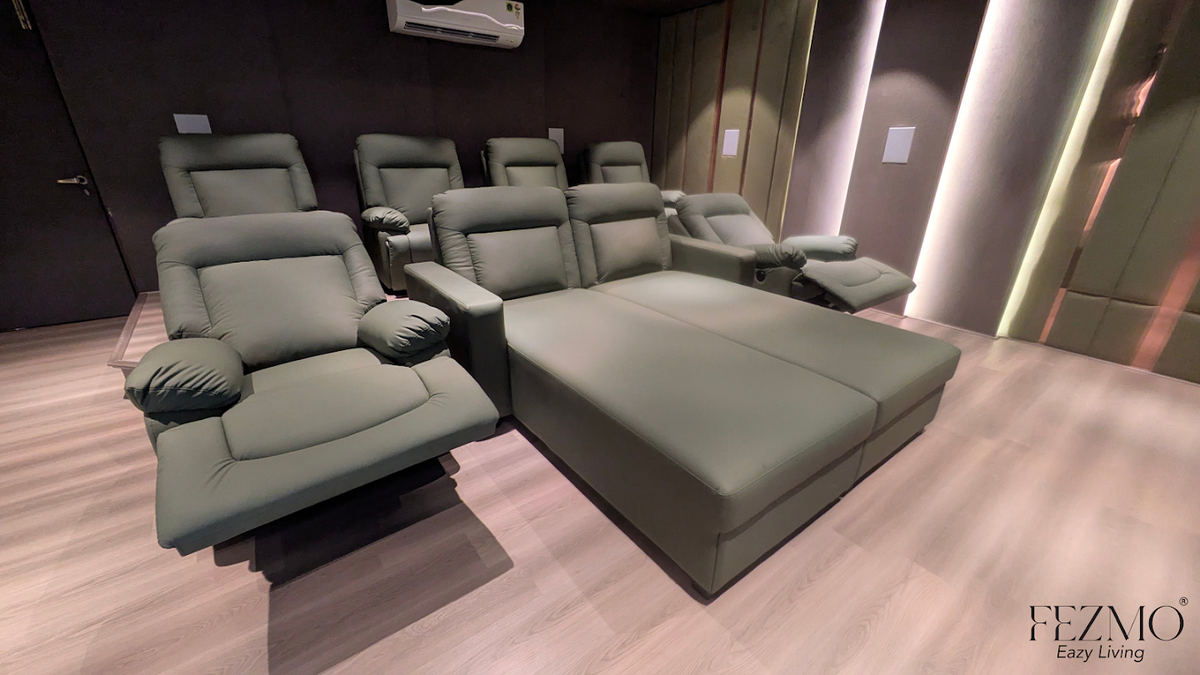
In a bedroom, it helps to measure not just the bed's footprint but the space needed on each side for comfortable movement and for wardrobe or drawer doors to open fully. A wardrobe placed too close to a bed frame might look fine when both are closed, but becomes a daily annoyance if a door cannot swing open without hitting the mattress. Measuring the full swing radius of hinged doors, not just their width, avoids this common oversight.
Dining Area and Chair Movement
A dining table needs more surrounding space than most buyers initially assume. Beyond the table's own footprint, chairs need enough room behind them to be pulled out and for a person to sit down or stand up without bumping into a wall or sideboard. As a general guide, allowing roughly sixty centimetres of clearance behind each chair keeps the dining area functional rather than tight.
Measurement Mistakes That Are Easy to Make
A few errors show up again and again among first time buyers. Measuring only the widest point of a room while ignoring narrow sections created by pillars or alcoves is one common mistake. Forgetting to account for skirting boards, door frames, or handle protrusions is another, since these small additions can turn a seemingly perfect fit into a snug squeeze. Relying on a product listing's assembled dimensions without checking the packed size for delivery access is also a frequent oversight, particularly for larger pieces like wardrobes and dining sets that may need to travel through tight stairwells.
Why This Matters Even More in Chennai Homes
Housing layouts across Chennai often favor compact, efficient floor plans, particularly in apartment complexes where square footage comes at a premium. This makes precise measuring less of an optional step and more of a practical necessity. A piece that would sit comfortably in a spacious independent house might overwhelm a smaller apartment living room, which is why matching furniture size to the specific realities of the home, rather than to a generic room size, tends to produce far better results for city dwellers. When exploring a furniture showroom in Chennai, taking these measurements into account can make it easier to compare pieces that genuinely suit the available space. Older independent houses in the city can present the opposite challenge, with unusually shaped rooms, low doorway lintels, or narrow internal staircases that need extra attention during measuring, so it helps to treat every home as unique rather than assuming standard dimensions will apply.
Planning for Growth and Future Changes
Leaving Room for Life to Change
Measuring for today's needs is important, but it also helps to think a step ahead. A young couple buying a dining table might want to consider whether a slightly larger or extendable option would serve them better if their household grows in the coming years. Similarly, choosing a modular sofa over a fixed one can allow the seating arrangement to adapt if the room's layout changes later, without needing a complete replacement.
Rechecking Measurements After Renovations
Homes that undergo even minor renovations, such as new flooring, updated skirting, or a shifted electrical panel, can end up with slightly different usable dimensions than before. It is worth remeasuring a room after any structural or cosmetic changes rather than relying on old notes, since a few centimetres lost to new fittings can be enough to turn a previously comfortable layout into a tight one.
Conclusion
Getting the measurements right before buying furniture is one of the simplest ways to avoid regret after delivery. A few careful checks, room dimensions, doorway clearance, ceiling height, and walkway space, can be the difference between a piece that fits naturally into daily life and one that becomes a constant obstacle. If you would like help matching furniture to your exact space, contact us and our team can guide you through choosing pieces that are the right size from the very start.