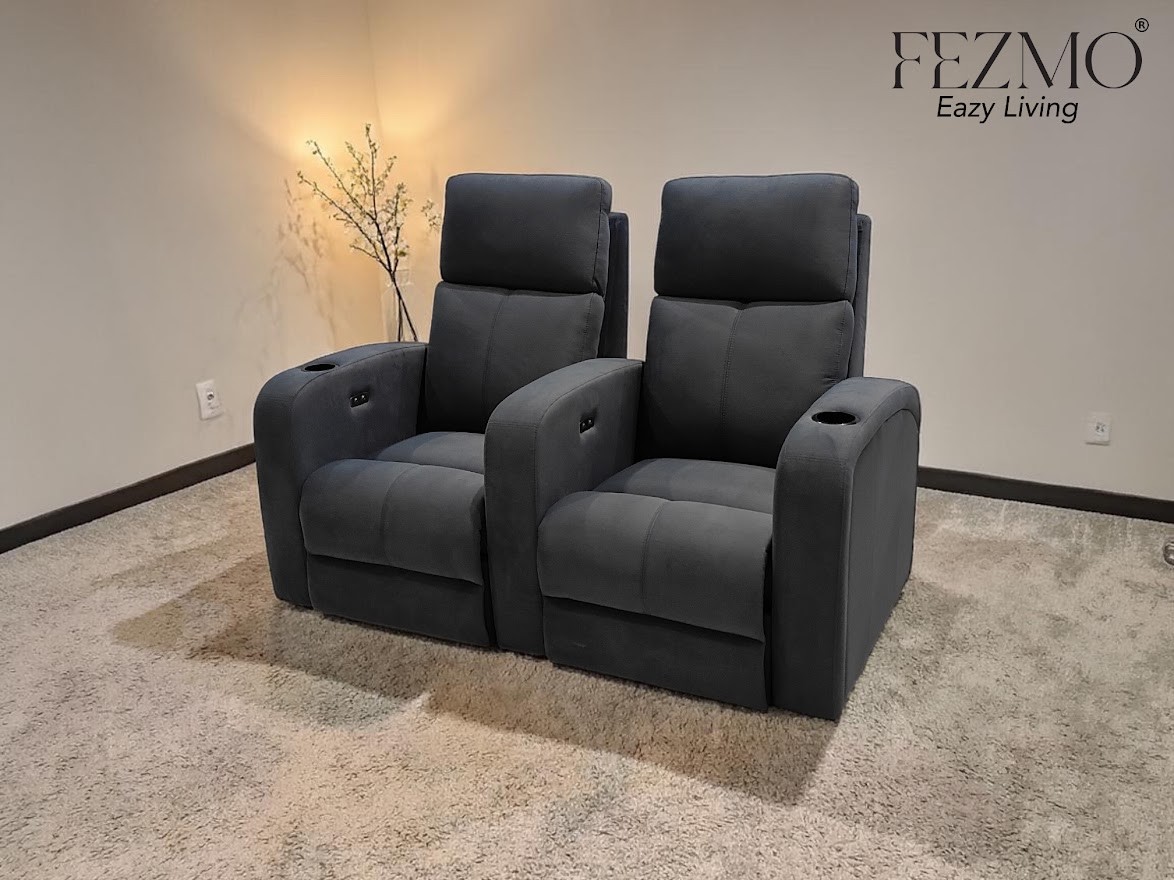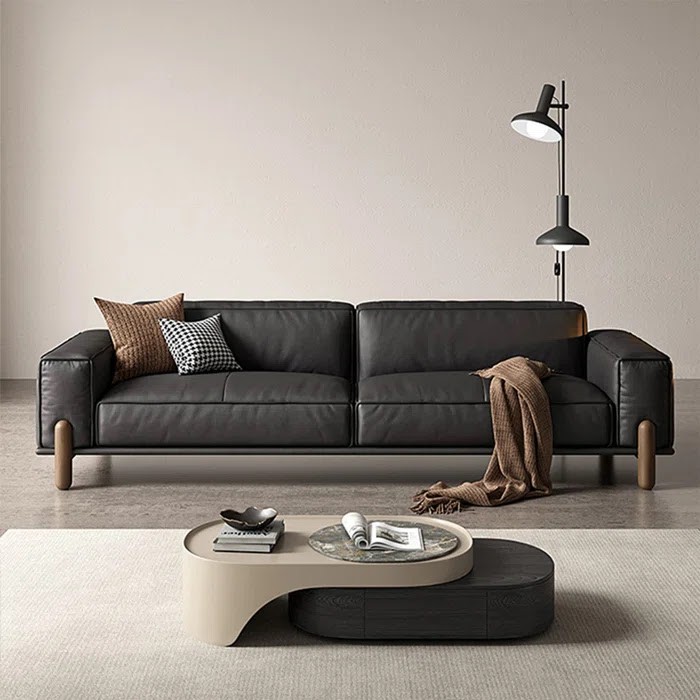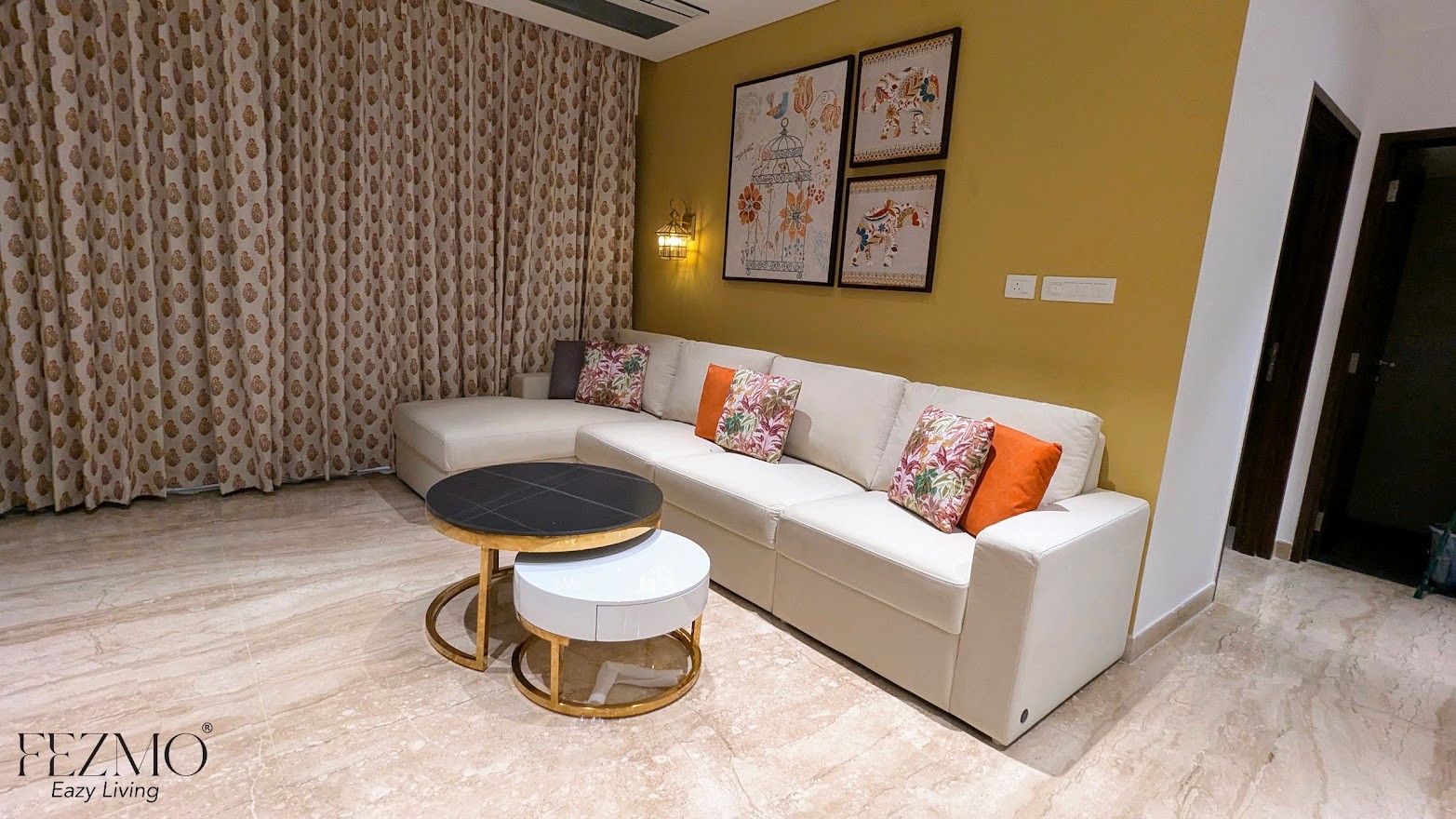
You spend twenty minutes scrolling through a catalog, fall in love with a walnut finish dining table, add it to cart, and wait for delivery day with genuine excitement. Then the box opens, the table gets placed against the wall, and something feels off. The wood tone looks a shade darker than the photo. The chairs seem lower than expected. The whole piece feels slightly out of place in a room that looked perfectly matched in your head. This gap between the screen and the living room is one of the most common frustrations shoppers run into, and understanding why it happens makes a real difference when choosing furniture in Chennai, whether you are buying online, in a showroom, or a mix of both.
Why Furniture Often Looks Different Once It Reaches Your Home
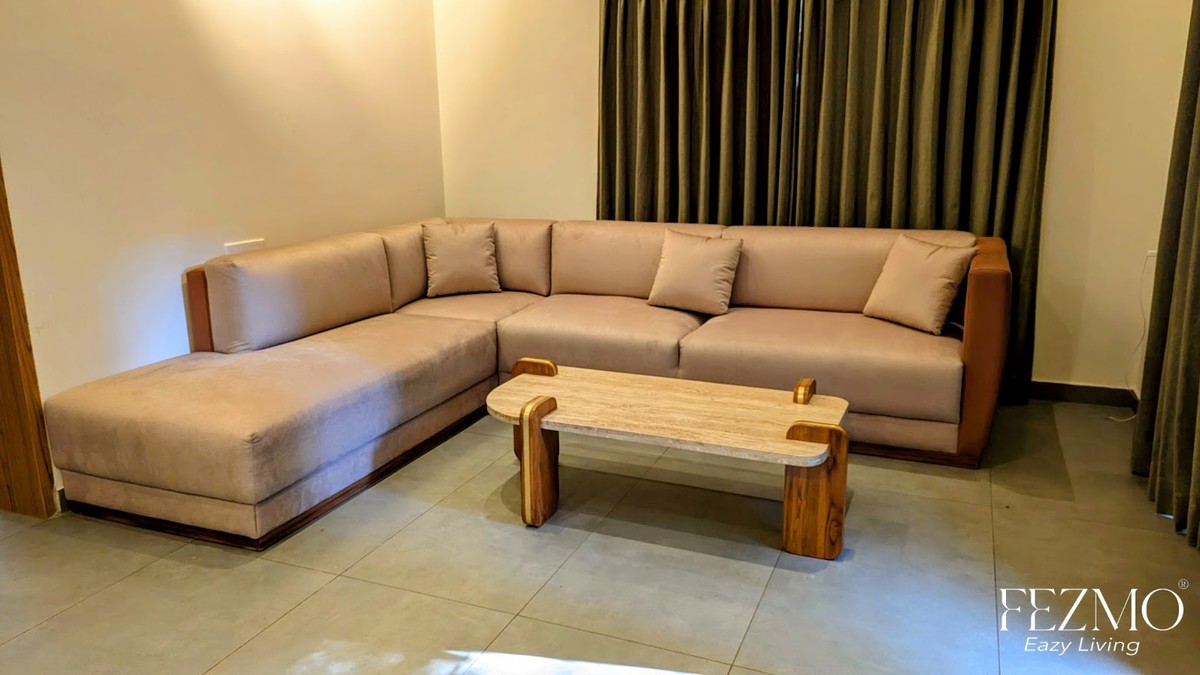
Studio Lighting and Camera Angles Change Perception
Most product photography is shot under controlled studio lighting designed to make fabric textures, wood grains, and metal finishes look their best. Soft box lighting, angled shots, and color correction during editing all play a part in how a piece appears on a screen. Your living room, on the other hand, might have warm yellow bulbs, natural daylight from one direction, or a mix of both, and any of these can shift how a color or finish actually reads once the furniture is sitting in your space.
Screens Display Color Differently Than the Human Eye
No two screens render color identically. A phone display, a laptop screen, and a television can each show the same product image with slightly different warmth, brightness, or saturation. What looks like a rich espresso brown on one device might appear closer to a lighter walnut on another. This is not a flaw in the product itself, it is simply a limitation of viewing something physical through a digital screen, and it is one of the main reasons furniture can look subtly different once it arrives.
Common Gaps Between Online Listings and Real Life Delivery

Scale and Proportion Are Hard to Judge From a Photo
A sofa photographed in a large, open studio room can look compact and neatly proportioned, but the same sofa placed in a smaller apartment living room can suddenly feel oversized. Product photos rarely include a clear size reference, which makes it difficult for the eye to judge how tall, wide, or deep a piece really is. This is why relying purely on visual impression, without checking the actual dimensions against your room, is one of the most frequent reasons buyers feel disappointed after delivery.
Texture and Comfort Cannot Be Fully Captured on Screen
A fabric sofa might look plush and inviting in a photo, but firmness, cushion depth, and how the material feels against skin are things a picture simply cannot communicate. The same applies to a wooden chair's actual weight, a mattress topper's softness, or how smoothly a drawer slides open. These sensory details matter for daily comfort, and they are the hardest part of furniture shopping to get right without some form of hands-on experience.
How to Choose Furniture With Fewer Surprises

Start With Accurate Room Measurements
Before browsing, measure the actual space where the furniture will go, including doorway widths, staircase turns, and ceiling height if the piece is tall. Use painter's tape on the floor to outline the footprint of a sofa or dining table so you can physically see how much room it will occupy. This simple step, often skipped by first time buyers, prevents the common problem of ordering a beautiful piece that technically does not fit through the entrance or overwhelms the room once placed.
Request Material Swatches or Visit a Showroom
Whenever possible, ask for a fabric swatch, a wood sample, or a small material chip before committing to a large purchase. Many sellers offer this, and it removes most of the guesswork around color and texture. If a physical visit is an option, spending even fifteen minutes at a showroom to sit on a sofa, open a wardrobe door, or run your hand across a tabletop finish tells you more than an hour of scrolling ever could. Buyers exploring the best furniture shop in Chennai for their next purchase often find that combining online research with a short in-person check gives the most reliable result.
Read Reviews With an Eye for Repeated Patterns
Individual reviews can be unreliable on their own, since personal taste varies widely, but patterns across many reviews are worth paying attention to. If several buyers separately mention that a sofa runs firmer than expected, or that a particular wood finish looks lighter in person, that repeated detail is far more trustworthy than a single opinion. Skimming through recent reviews for consistent comments about comfort, color accuracy, or delivery condition can save you from an avoidable disappointment.
What Chennai Buyers Should Know About Local Furniture Choices
Climate and Humidity Affect Material Choice
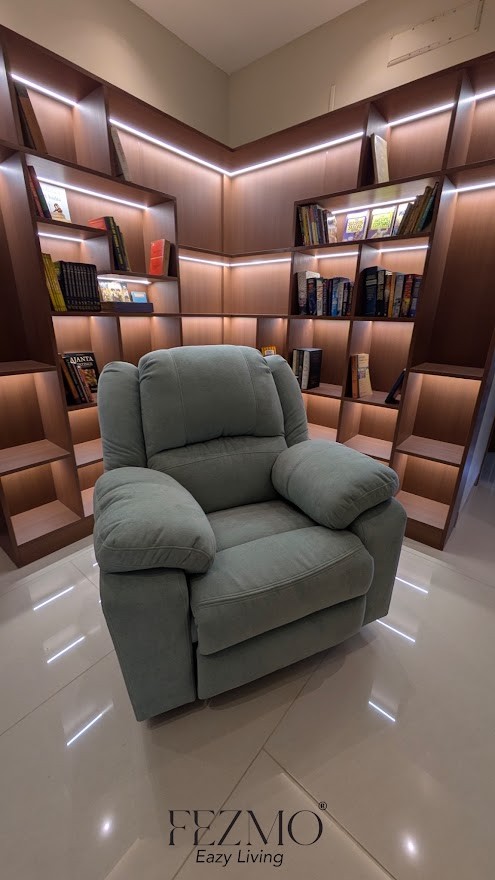
Chennai's warm, humid coastal climate plays a bigger role in furniture selection than many buyers realize. Solid wood pieces need proper sealing and finishing to resist moisture related warping, while certain fabric upholstery can feel heavier and less breathable during the hottest months. Buyers furnishing homes in the city often do better with finishes and materials suited to humidity, rather than assuming a style that works well in a cooler climate will perform the same way locally.
Space Planning for Apartment Living
A large share of Chennai's housing stock consists of apartments where floor space and storage are at a premium. Furniture that looks generously sized in a showroom display can feel cramped in a compact bedroom or living area. Multi-functional pieces, such as storage beds, extendable dining tables, and modular sofas, have become increasingly popular for exactly this reason, since they allow a household to get more use out of a smaller footprint without sacrificing comfort.
Questions Worth Asking Before You Buy
A short list of practical questions can prevent most of the common regrets buyers experience. Does the price include delivery and basic assembly. What is the return or exchange policy if the color or size does not match expectations once delivered. Is the wood solid, engineered, or veneer, and how should it be maintained. What is the estimated delivery window, and does it change during festival seasons when demand rises. Asking these questions upfront, whether through a chat window or a phone call, removes much of the uncertainty that leads to post purchase disappointment.
Bringing Style and Practicality Together
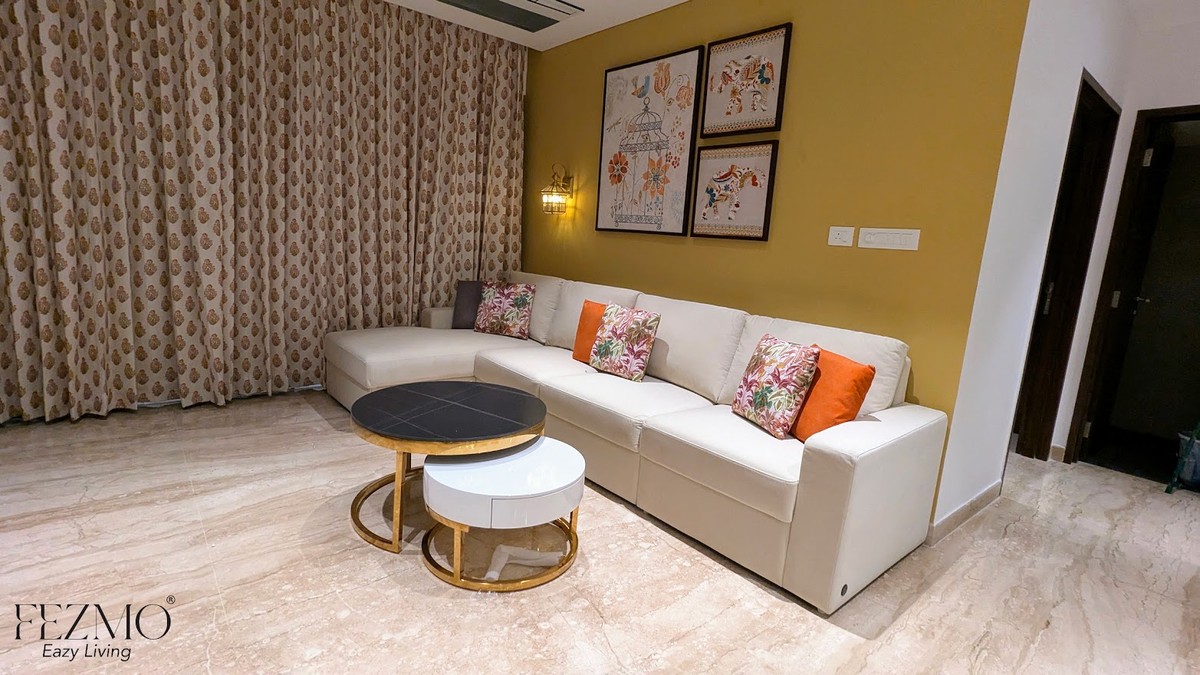
The most satisfying furniture purchases usually come from balancing how a piece looks with how it will actually be used day to day. A striking accent chair might photograph beautifully, but if it is not comfortable enough for regular use, it quickly becomes an expensive decoration rather than a functional piece of the home. Thinking through daily habits, whether that means a family that eats dinner together every night or a household that works from home and needs a sturdy desk, leads to choices that hold up well beyond the first few weeks of ownership.
Caring for Furniture After It Arrives
Give Solid Wood Time to Settle
Solid wood furniture can shift slightly in the days after delivery as it adjusts to the humidity and temperature of its new environment, which is completely normal and different from a manufacturing defect. When choosing pieces for your home, visiting a best furniture showroom in Chennai can also help you understand the quality, finish, and suitability of different wooden furniture options before making a decision. Placing wood pieces away from direct sunlight and air conditioning vents helps prevent uneven drying that can lead to cracks or warping over time. A light coat of wood polish every few months, rather than harsh cleaning chemicals, keeps the finish looking fresh without damaging the surface.
Protect Upholstery From Everyday Wear
Fabric and leather upholstery both benefit from simple preventive care. Rotating cushions regularly helps them wear evenly instead of sagging in one spot, and using a fabric protector spray can reduce staining from spills, which matters in households with children or pets. Leather pieces in particular should be kept away from prolonged direct sunlight, since UV exposure can cause fading and a gradual loss of suppleness over the years.
Conclusion
The difference between a furniture piece that looks perfect on screen and one that feels right at home usually comes down to a few overlooked details: lighting, scale, material texture, and how well it suits your specific space and climate. Taking a few extra steps, from measuring your room to requesting a swatch or visiting in person, can turn an uncertain online purchase into a confident one. If you are furnishing a home in the city and want guidance on what will genuinely suit your space, contact us and our team will help you choose furniture that looks just as good at home as it does on screen.