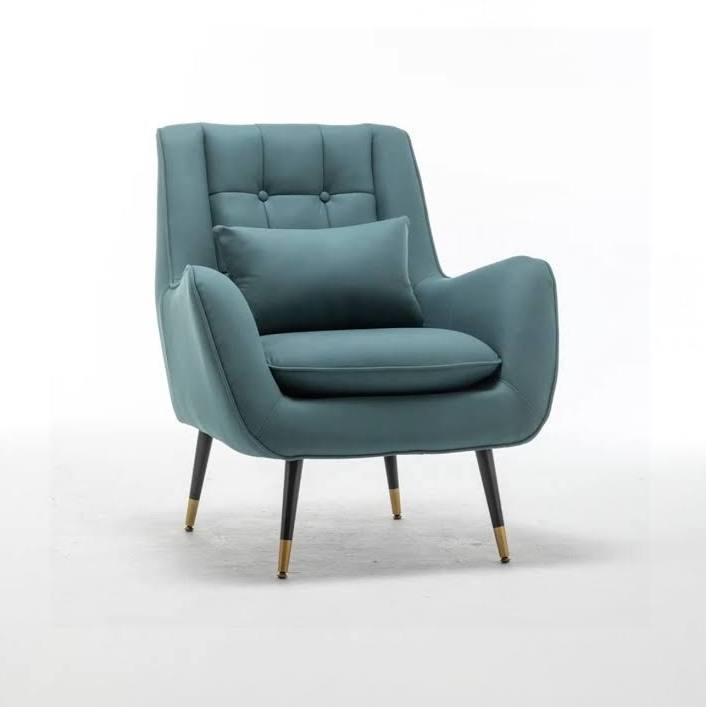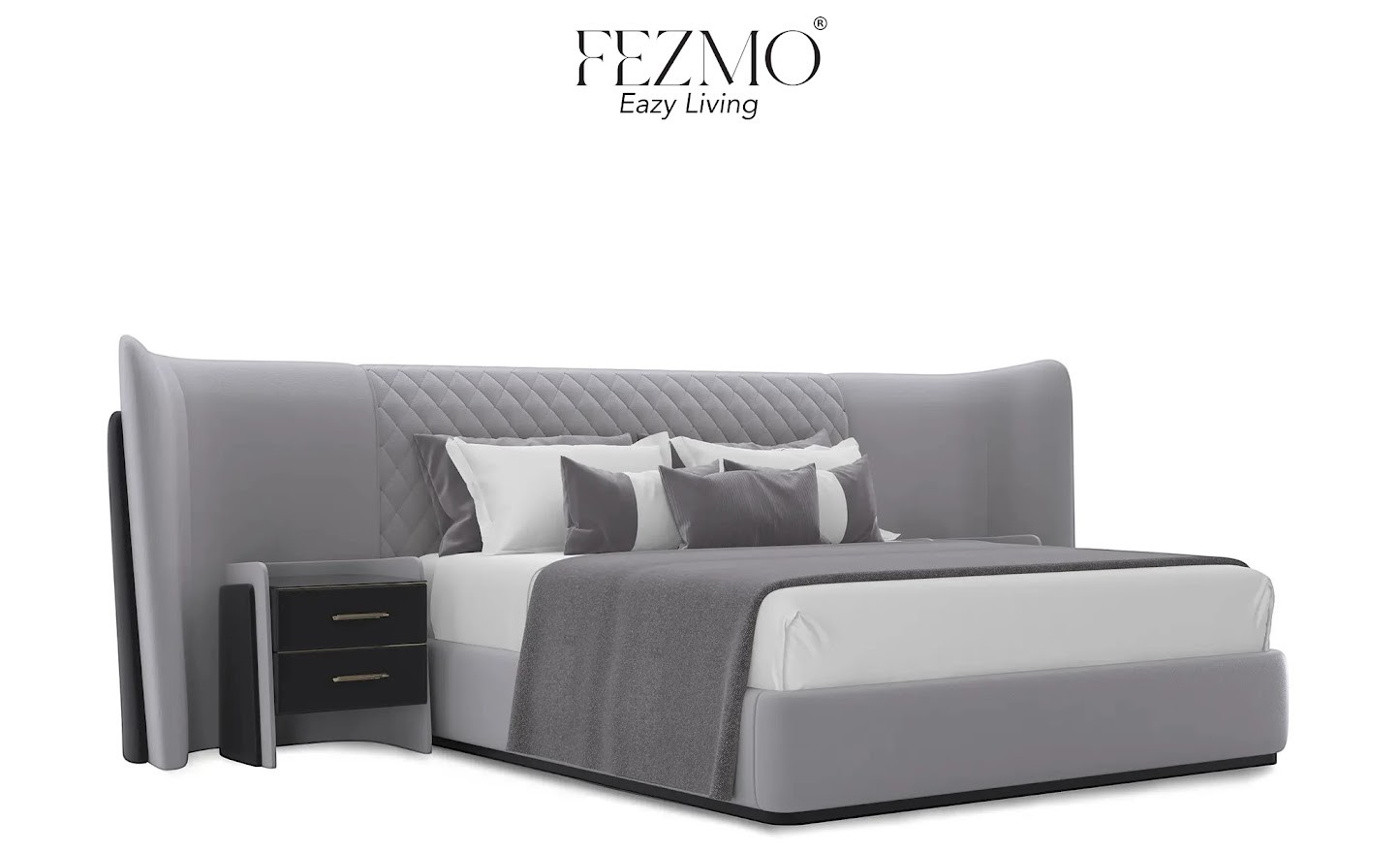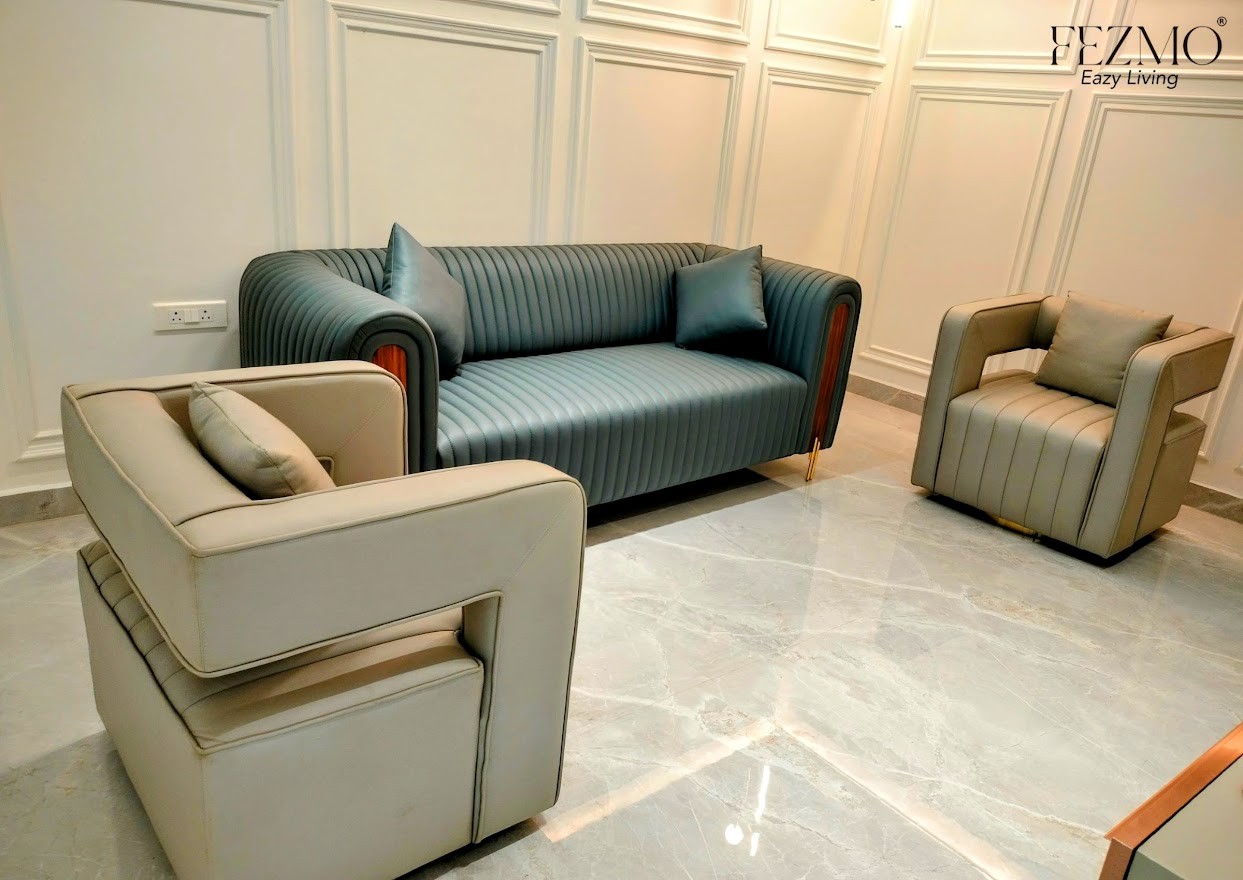
Walk into any showroom on a busy Chennai street and the furniture on display will look fairly similar from one shop to the next: the same wardrobes, the same sofa shapes, the same laminate finishes repeated across brands. What actually separates a forgettable furniture purchase from a satisfying one rarely shows up in the display window. It shows up in the material used inside a cabinet, the honesty of a delivery timeline, and how a store handles a complaint after the sale. That difference is exactly what furniture shops in Chennai are increasingly judged on.
What Actually Separates an Ordinary Furniture Shop From a Better One
It Is Not Just About Stock
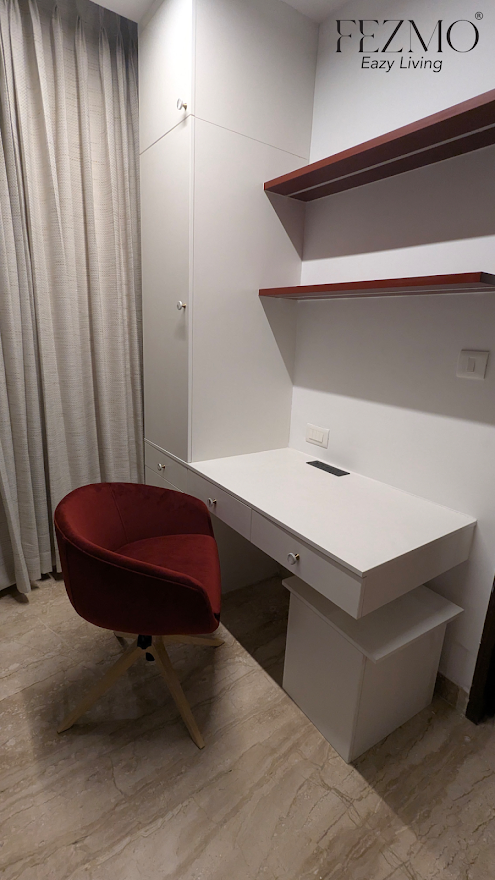
A large showroom floor can create an impression of choice without offering much that is genuinely useful. Two stores can carry an almost identical catalog of beds, dining sets and wardrobes, yet one may develop problems much earlier than another because of differences in board quality, edge banding, hardware, construction, and intended use. The gap usually comes down to the grade of board used, the quality of edge banding, the hardware fitted inside drawers and hinges, and whether a piece was actually built for daily use or simply built to photograph well.
The Details Customers Notice Only Later
Most furniture problems surface weeks or months after purchase, not during the showroom visit. A drawer that sticks in humid weather, a mattress that sags faster than promised, or a delivery team that leaves without checking alignment are the kind of issues that separate a one-time transaction from a shop customers actually return to. A better experience is defined less by what happens at the billing counter and more by what happens after the truck leaves.
India's Furniture Market Is Growing, and Chennai Buyers Are Seeing More Choice

A Market Moving Beyond Traditional Showrooms
India's furniture sector has been expanding at a pace that is hard to ignore. According to Mordor Intelligence, the overall India furniture market was valued at around USD 29.27 billion in 2025, with a forecast of USD 31.51 billion in 2026 and USD 45.52 billion by 2031, supported by urbanization, organized retail expansion and rising housing demand. The same research puts home furniture at close to 56.74 percent of that market in 2025, the single largest category, reflecting demand for beds, wardrobes, dining sets and sofas across urban households. Chennai's mix of established local furniture retailers and growing organized brands mirrors this shift, giving buyers considerably more choice, and more information to compare, before committing to a purchase.
Why Modular Formats Are Gaining Ground
Part of that shift is the rise of modular design. According to IMARC Group, India's modular furniture market was valued at about USD 3.71 billion in 2024, reflecting the growing importance of modular and space-efficient formats as apartment sizes shrink and installation timelines become a bigger buying consideration. Furniture options across Chennai have grown in the same direction, moving away from bulky fixed units toward configurations that can be adjusted as a family's needs change over time.
The Small Things That Define a Better Shopping Experience
Material Transparency and Honest Sourcing
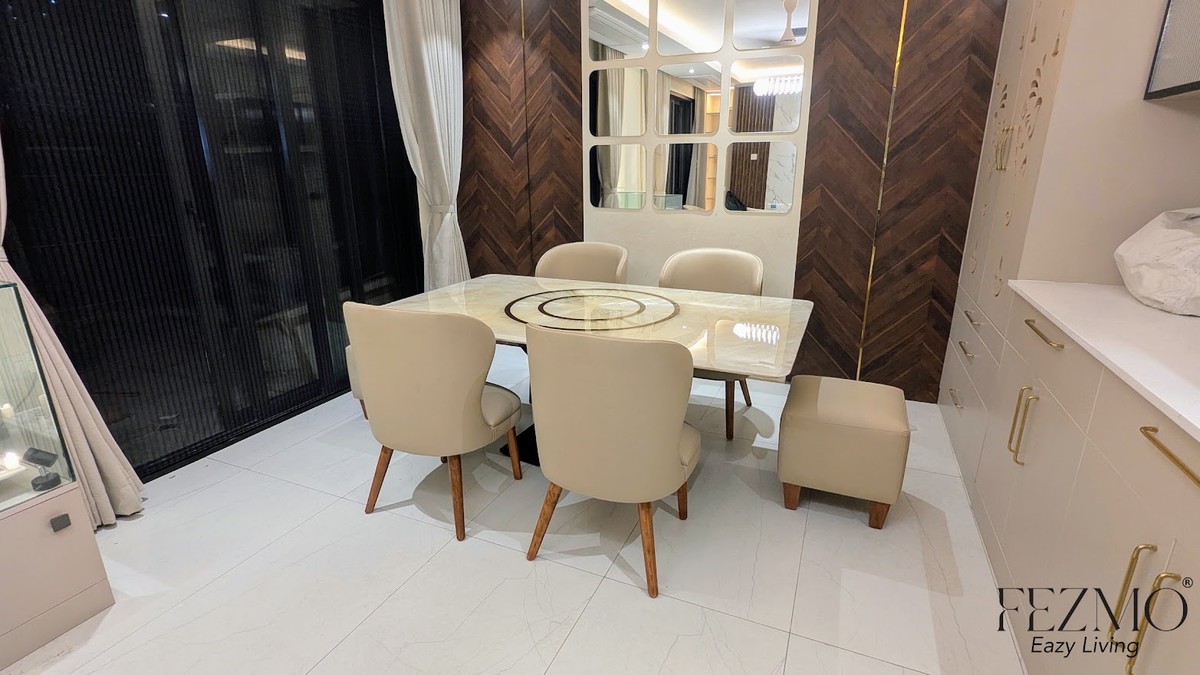
A shop that tells a customer exactly what board grade, laminate type, wood variety or hardware brand is used in a product, rather than relying on vague terms like premium quality, gives buyers something concrete to evaluate. This is a matter of a retailer's own disclosure practice, separate from whether a given product legally meets a government-mandated standard, which is a distinct question covered by regulation rather than by store policy.
Regulatory Compliance and Certification Standards
India's Furniture (Quality Control) Order, 2025, notified by the Bureau of Indian Standards, introduced mandatory conformity requirements for six specified furniture categories: work chairs, general purpose chairs and stools, tables and desks, storage units, beds and bunk beds. The order came into force in stages through February and March 2026, and it requires manufacturers and importers of these product categories to hold a valid BIS license and display the ISI mark. For buyers, this makes product standards and certification an increasingly relevant factor to check when comparing furniture manufacturers and retailers, alongside, but separate from, how transparently a shop discloses its materials.
Customization Without the Long Wait
Custom orders used to mean weeks of back-and-forth and an unpredictable delivery date. Some furniture retailers now combine standard modular components with limited customization, such as size adjustments, finish choices or storage configurations, so a buyer gets something suited to their space without waiting months for a fully bespoke piece to be built from scratch.
Room-Specific Solutions That Fit Real Homes
Bedrooms in particular tend to have irregular layouts: an odd alcove, a low beam, or a window placed off-center. The bedroom furniture collections available in Chennai from several retailers are designed with these constraints in mind, offering wardrobes, storage beds and bedside units sized to fit compact urban apartments rather than generic showroom dimensions.
After-Sales Support That Does Not Disappear
Warranty terms mean little if a shop becomes hard to reach the moment an issue comes up after delivery. A dependable furniture retailer keeps a working service line, tracks complaints against invoice numbers, and clearly communicates expected timelines for repairs, replacements or service visits, rather than treating after-sales support as an afterthought.
Comparing Showroom Visits and Online Furniture Shopping
What a Showroom Still Does Better
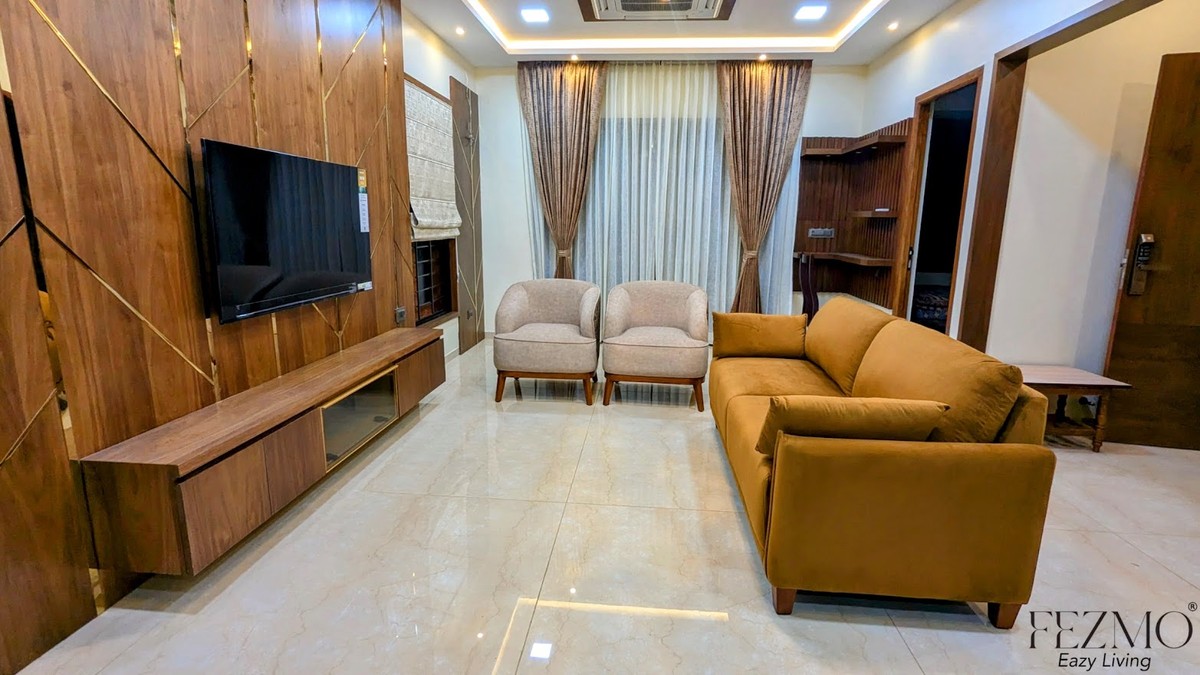
Despite the growth of e-commerce, a physical showroom still has a clear advantage when it comes to judging comfort and build quality. Sitting on a sofa, opening a wardrobe door, or checking how a dining chair handles weight are things a product photo simply cannot communicate. For larger purchases such as bedroom sets or dining tables, a short showroom visit before finalizing an order is one useful way to reduce the risk of a mismatch between expectation and reality, even if it cannot guarantee the exact condition of the final delivered piece.
Where Online Ordering Adds Convenience
At the same time, online catalogs make it far easier to compare dimensions, finishes and prices across multiple options without spending an entire weekend traveling between stores. Many buyers in Chennai now use a hybrid approach: shortlisting options online, checking specifications and reviews, and then visiting a showroom only to confirm the final pick before placing an order. Retailers that support both channels smoothly, without conflicting pricing or stock information between their website and physical store, can make the buying process more consistent and easier to evaluate.
What to Check Before You Choose a Furniture Shop in Chennai
Ask About Warranty and Assembly Before Paying
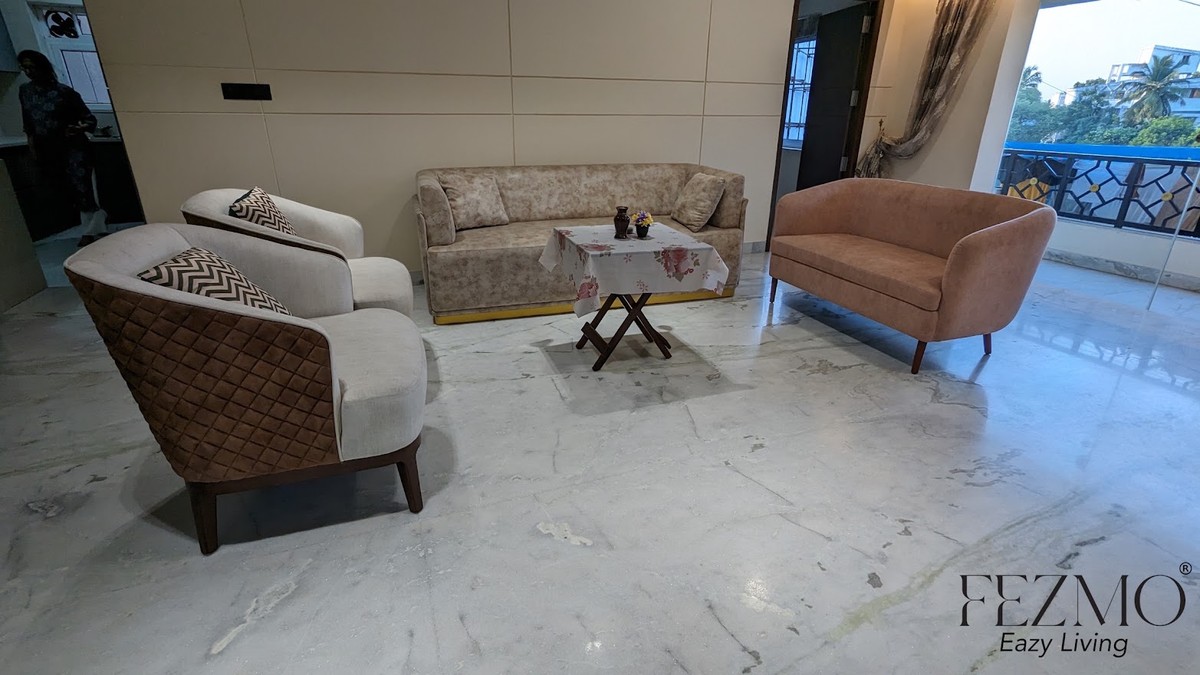
Before finalizing an order, it helps to ask direct questions: what does the warranty actually cover, is assembly included in the price, and how long does a replacement typically take if a part arrives damaged. A shop that answers clearly and in writing is usually more reliable than one that gives vague verbal assurances.
Visit or Inspect Before You Decide
Photographs and product listings rarely reveal how a drawer glides or how sturdy a joint feels under weight. Wherever possible, checking a sample piece in person, or asking for a short video walkthrough of the actual unit being shipped, reduces the chance of an unpleasant surprise on delivery day.
Compare Delivery Timelines Realistically
Delivery estimates can vary widely depending on whether a piece is in ready stock or needs to be assembled to order. A shop that gives a realistic range, rather than an optimistic one meant only to close the sale, tends to cause fewer scheduling headaches, particularly for larger orders like a full bedroom set that needs to be coordinated with other home renovation work.
Conclusion
The difference between an ordinary furniture shop and a better one rarely lies in the size of the showroom or the number of designs on display. It lies in material honesty, verified certification, sensible customization, and support that continues well after the delivery van has left. These factors can become increasingly important as buyers compare retailers on more than price and product range. If you are weighing your options for an upcoming purchase, it is worth taking the time to get in touch with the team and ask the specific questions that matter to your home before making a final decision.
Frequently Asked Questions
What should I check before buying furniture from a shop in Chennai?
Ask about the board or wood grade used, whether assembly and delivery are included in the price, the warranty period, and how replacement or repair requests are handled after purchase. A shop that answers these clearly in writing is generally more trustworthy than one that avoids specifics.
Is modular furniture a good choice for small apartments?
Yes. Modular furniture is built around standard, adjustable components that can be configured to fit compact layouts, making it well suited to smaller urban apartments where fixed, bulky furniture often does not fit efficiently.
How is bedroom furniture different from general home furniture?
Bedroom furniture is usually designed around specific constraints such as storage needs, mattress sizes and irregular room layouts, including alcoves or low ceilings. A retailer that offers dedicated bedroom ranges tends to account for these details better than a shop selling a generic mixed catalog.
Why does after-sales service matter as much as the purchase itself?
Most furniture issues, such as a sticking drawer or a misaligned panel, appear only after weeks of regular use. A store that responds quickly to these issues and honors its warranty terms saves customers time, cost and frustration long after the transaction is complete.
What does India's Furniture Quality Control Order mean for buyers?
It means that specified furniture categories, including chairs, tables, desks, storage units, beds and bunk beds, must legally carry BIS certification and the ISI mark. For buyers, checking whether a product falls under a certified category adds a useful, verifiable data point alongside a retailer's own claims about material quality.
Should I buy furniture online or visit a showroom in person?
Both approaches work well when combined. Use online catalogs to compare dimensions, finishes and pricing across shops, then visit a showroom or request a sample before finalizing larger purchases such as a bed, wardrobe or dining set, so you can confirm comfort and build quality firsthand.