Furniture shopping often starts with a particular piece in mind, such as a sofa, bed frame, or dining set. The room it needs to fit into tends to come second. This becomes clear once you browse furniture stores in Chennai, most of which are organised by product category rather than by the kind of space that furniture is going into. A different starting point, one where the room's shape, light, and daily use guide the choices, tends to lead to fewer pieces that get pushed against a wall and forgotten within a year.
Why Most Furniture Shopping Starts in the Wrong Place
Buying the Piece Before Understanding the Space
Walking into a showroom and falling for a particular sofa or dining table is natural. The trouble comes later, when that piece has to be squeezed into a living room that is narrower than expected, or a bedroom where the door can no longer swing open fully. Furniture bought this way often works well on its own but poorly within the room it actually occupies.
This mismatch usually only becomes obvious after delivery, once a table blocks a doorway or a sofa leaves no space to walk around it. By then, returning or exchanging a large piece is far more effort than it would have taken to plan around the room in the first place.
What Chennai Homes Actually Deal With
Many homes in the city work with compact floor plans, shared walls, and rooms that double up for more than one purpose. A spare room might function as a study through the week and a guest room on weekends. Chennai's humid, coastal climate can also influence material selection, particularly for furniture materials and finishes that are sensitive to moisture or temperature changes. A shopping approach that starts with the room, rather than the catalogue, tends to account for these realities earlier rather than after delivery.
Reading a Room Before Choosing Furniture
Measuring What You Actually Have
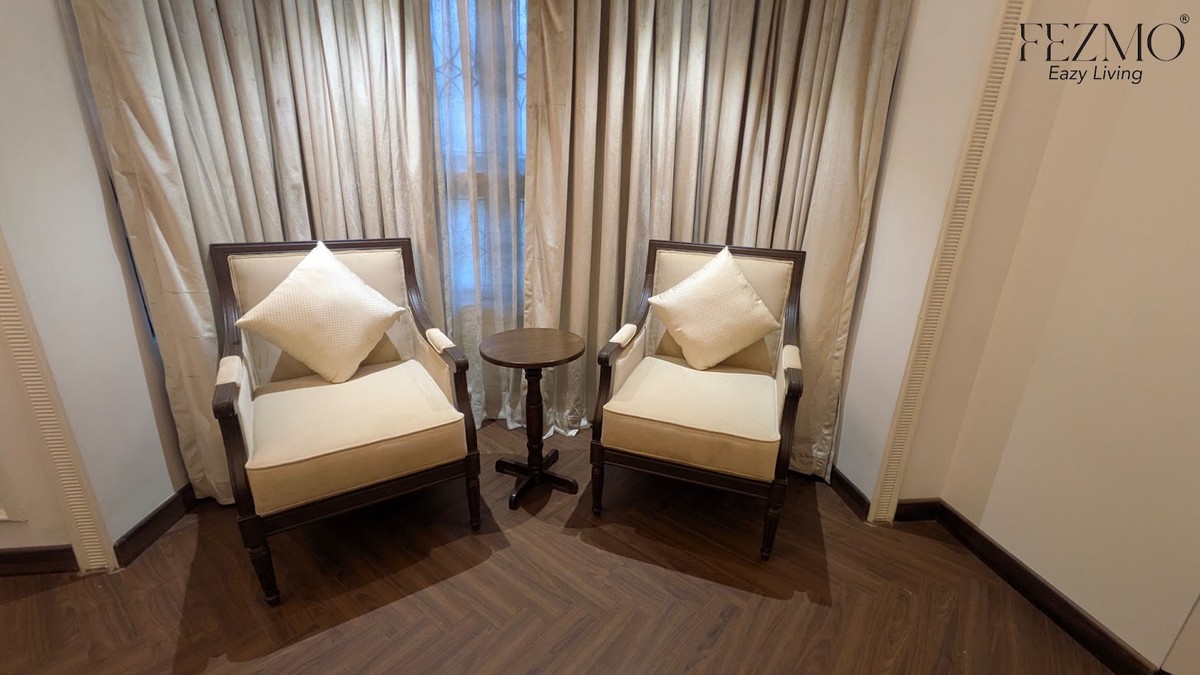
Before browsing any collection, it helps to note down the exact length and width of the room, the height of the ceiling, and the position of doors, windows, and switchboards. These details decide far more than they seem to at first, including whether a wardrobe should open outward or slide sideways, and whether a dining table seats four comfortably or feels cramped.
Traffic Flow and Everyday Movement
A room is not just its floor area, it is also the path people take through it several times a day. Furniture placed without thinking about this can turn a short walk from the door to the kitchen into an obstacle course. Maintaining clear walking paths can make a room easier and more comfortable to use than filling every available area with furniture.
Light, Ventilation, and Material Choices
Rooms that get strong afternoon sun or sit close to the coast generally benefit from finishes and materials that are appropriate for warm, humid conditions and are less susceptible to moisture-related damage or discolouration. Where natural light is limited, lighter upholstery and open-legged furniture can help preserve visible floor area, which may make a compact room feel more open than heavy, dark pieces pushed against every wall.
Where Modular Thinking Fits In
What Modular Furniture Actually Means
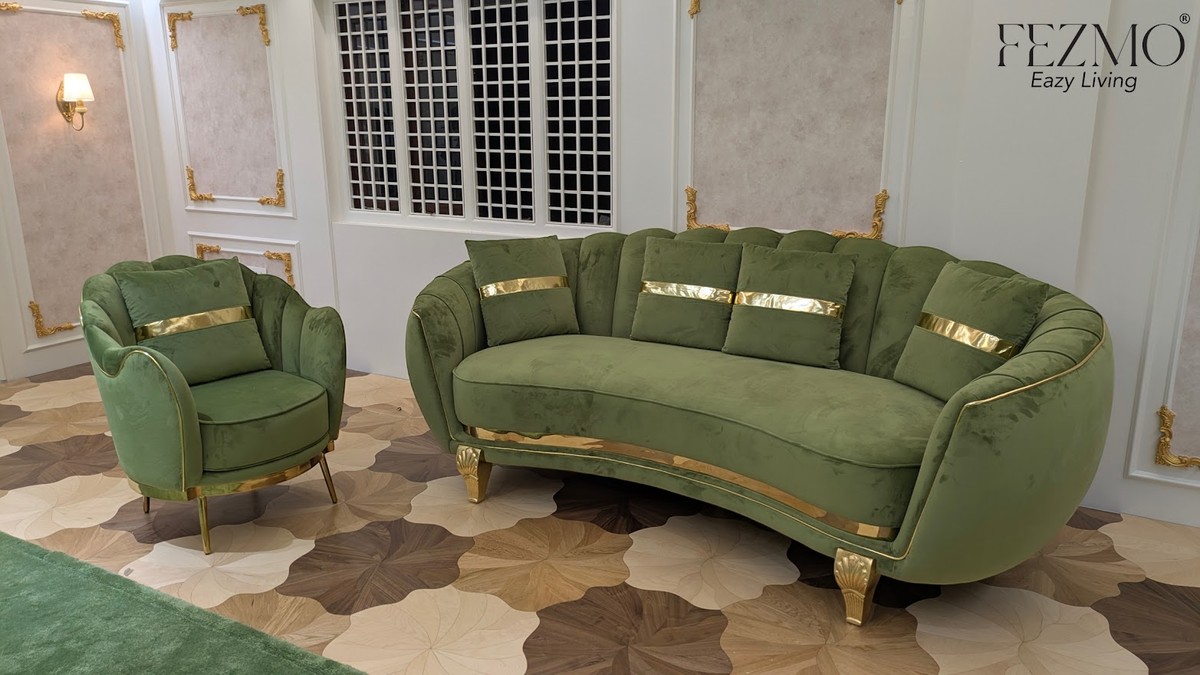
Modular furniture is built from separate units that can be arranged, added to, or rearranged as a room's use changes, rather than one fixed piece that only works in a single layout. A wardrobe made of individual sections, or a sofa built from movable modules, falls into this category. It is worth noting that modular furniture is not necessarily custom-built. Its main advantage lies in configuring separate components within an existing range, rather than in designing a piece from scratch. Ranges built around this idea, such as the modular furniture collections available in Chennai, are designed so a household can reconfigure a room without replacing the furniture entirely.
Flexibility for Growing or Shrinking Spaces
Households change. A child moves out, a home office gets added, an elderly parent moves in and needs a room reorganised around comfort and accessibility. Furniture that can be taken apart, rearranged, or extended tends to absorb these shifts more easily than fixed pieces that were designed for one specific layout and stay that way for years.
This matters over a longer time frame too. A family that expects to move within the same city, or simply expects a room's purpose to change within a few years, may get more practical value from furniture that can be reconfigured than from a single large piece built for only one arrangement.
Modular Versus Fixed Furniture for Small Apartments
In a compact apartment, a fixed wardrobe or an oversized sectional sofa can dominate a room the moment it is placed. Modular options generally allow a household to start with fewer units and add more only if the space and the budget allow, which suits the way many Chennai apartments are actually laid out.
Room by Room: Letting the Space Lead
Living Rooms Built Around Movement, Not Just Seating
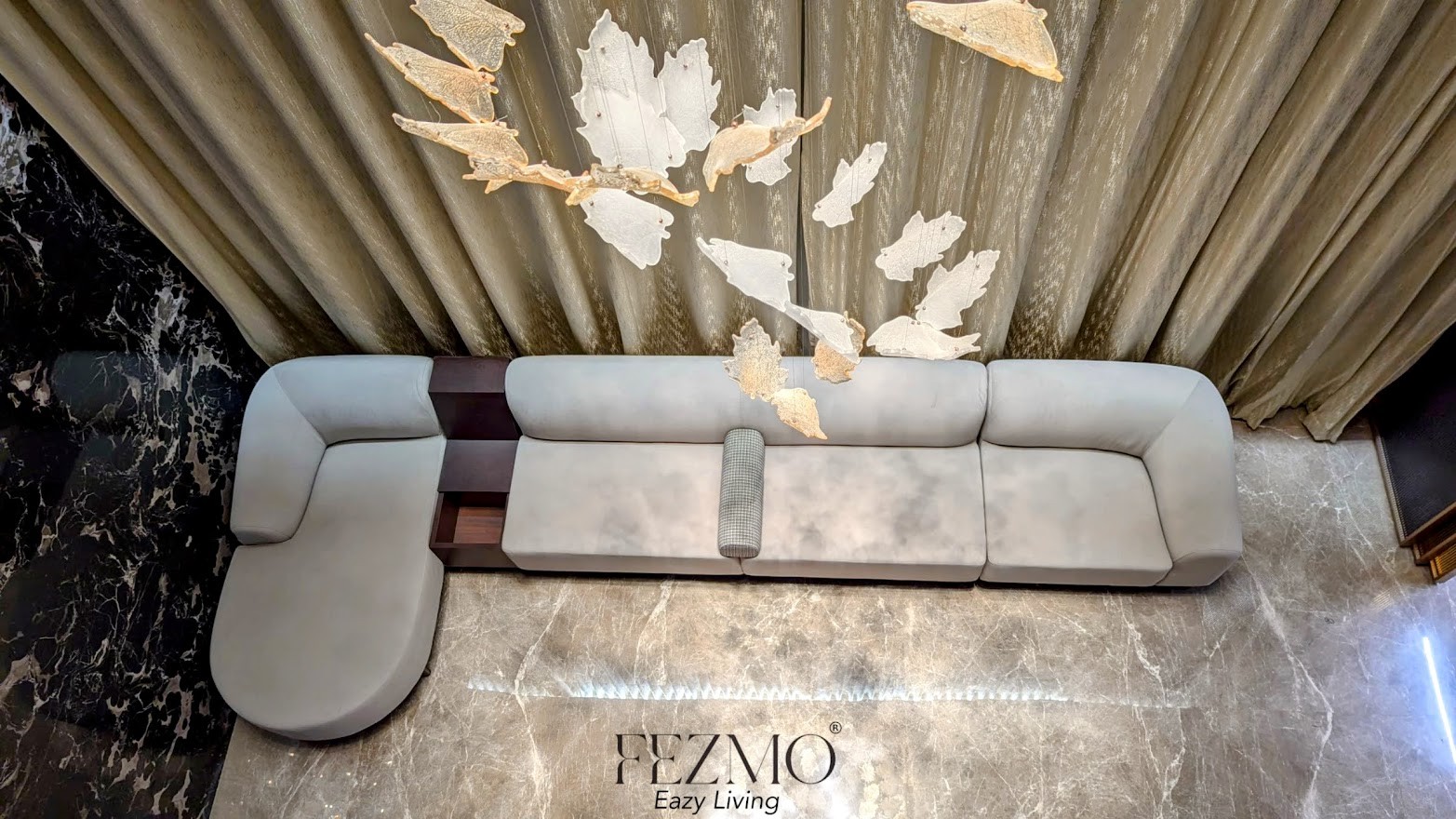
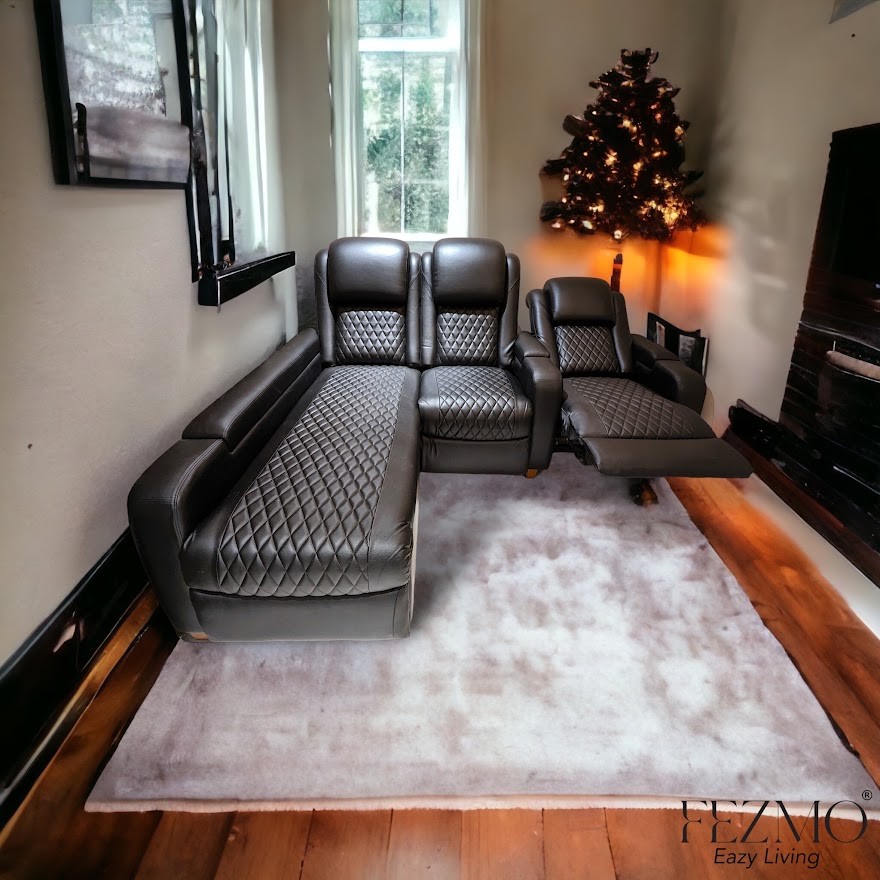
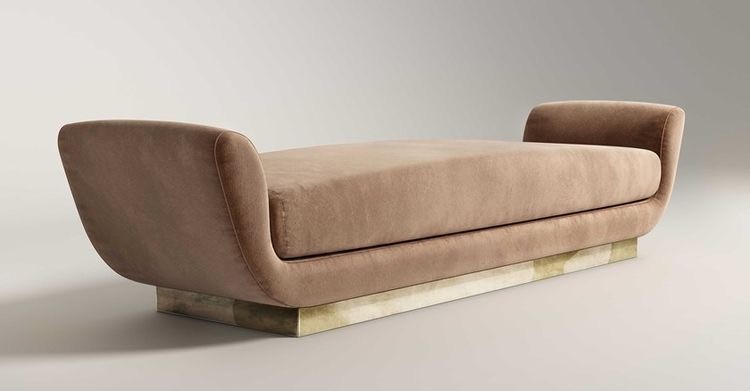
A living room works best when seating is arranged around how people naturally gather, whether that is facing a television, a window, or simply each other for conversation. A few practical checks help here: a comfortable television viewing distance, enough clearance for doors and windows to open fully, an unobstructed walkway, and a sofa depth that suits the room rather than the largest option available. Corner units and modular sofas can often be adjusted to suit an L-shaped room without leaving an awkward gap or blocking a walkway.
Bedrooms That Work With the Room's Proportions
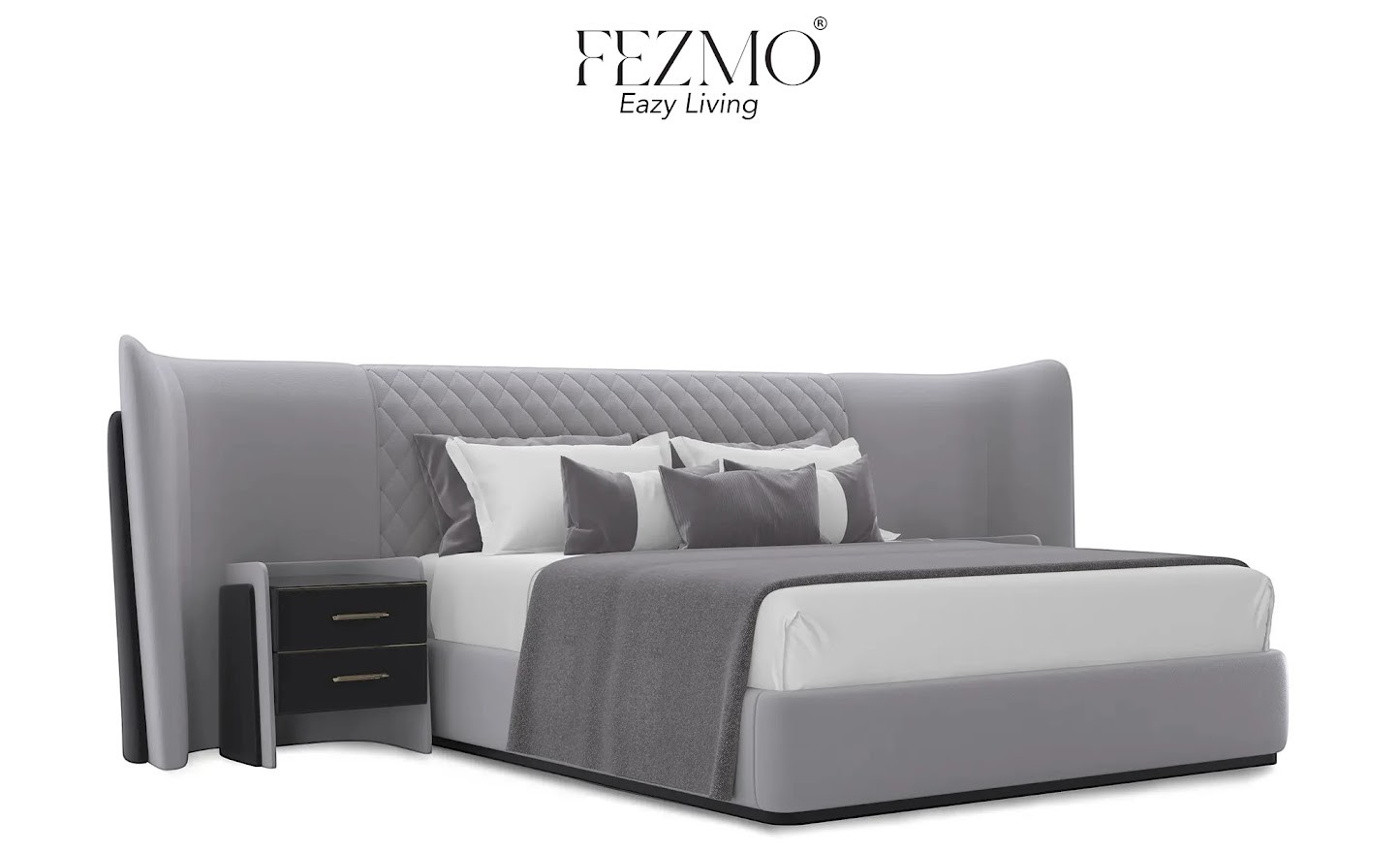
Bedrooms in Chennai homes vary widely in shape, from long narrow rooms to near-square ones, and this proportion should generally decide bed size and wardrobe placement rather than the other way round. Exploring a range of bedroom furniture designed for Chennai homes with room dimensions already noted down makes it far easier to see which bed frame, side table, or wardrobe style will actually fit without leaving the room feeling tight around the edges.
Dining and Work Corners in Multi-Purpose Spaces
Many homes no longer have a room set aside purely for dining or purely for work. A dining table that also serves as a desk during the day, or a console that folds out for guests, tends to suit these dual-purpose spaces better than furniture designed for only one function. Where a dining table doubles as a workspace, it also helps to check that the table height and chair support are reasonably comfortable for extended sitting, and that a laptop or monitor can be positioned without straining the neck.
Practical Steps Before You Shop
Sketch First, Shop Second
A rough sketch of the room, even a simple one drawn by hand, with approximate measurements and the position of doors and windows marked out, gives a shopping trip far more direction than walking in with only a mental picture of what looks nice.
This sketch does not need to be precise or professional. Its purpose is to force a few basic decisions early, such as where a bed's headboard will sit or which wall a wardrobe can realistically occupy, so that time in a showroom goes toward comparing options rather than figuring out what will even fit.
Ask About Customisation Options
Standard sizes do not always suit an odd-shaped room or an unusually placed alcove. Asking whether a piece can be adjusted in width, depth, or configuration before ordering can save the hassle of returning or having to modify or replace furniture that almost fits but not quite.
When to Get Expert Input
For rooms with tricky layouts, low ceilings, or more than one intended use, a short conversation with someone who designs furniture for a living can point out issues that are easy to miss on your own. Reaching out through a furniture experts' contact page before finalising a design can be useful, particularly for a room that would be expensive or difficult to redo later.
Conclusion
Furniture shopping tends to go better when the room does the talking first. Measurements, movement, light, and how a space is actually used day-to-day will generally matter more to comfort than how good a piece looks under showroom lighting. For Chennai homes, where compact layouts and multi-purpose spaces are common considerations, this approach can be especially practical. Starting with the space, and choosing furniture, including modular and made-to-fit pieces, that responds to it, is a small shift in approach that tends to make a noticeable difference once everything is actually in the room. For anyone ready to plan a room this way, a look through furniture collections in Chennai with your room's measurements in hand is a reasonable place to begin.
Frequently Asked Questions
Why should I measure a room before shopping for furniture?
Measurements decide which furniture will actually fit and function well, including door swing, walking space, and whether a piece can be manoeuvred into the room at all. Shopping without them often leads to furniture that looks right in a showroom but feels wrong at home.
What does modular furniture mean in practical terms?
It refers to furniture built from separate units or sections that can be rearranged, added to, or reduced over time, instead of one fixed piece designed for a single layout. This makes it easier to adapt a room as its use changes.
Is modular furniture a good fit for small Chennai apartments?
It often works well because it allows a household to start with fewer pieces and expand only when needed, rather than committing to a large, fixed unit that may not suit the room later.
How does Chennai's climate affect furniture choices?
The city's humidity and coastal conditions can affect certain materials over time, so finishes and materials suited to heat and moisture generally hold up better than those chosen without this in mind.
Should bedroom furniture be chosen before or after measuring the room?
After. Bed size, wardrobe placement, and side table dimensions all depend on the room's actual proportions, so measuring first avoids ending up with pieces that crowd the space.
When is it worth consulting a furniture expert instead of shopping alone?
For rooms with unusual layouts, low ceilings, or more than one daily use, a short conversation with someone experienced in furniture design can highlight issues that are easy to overlook when planning on your own.