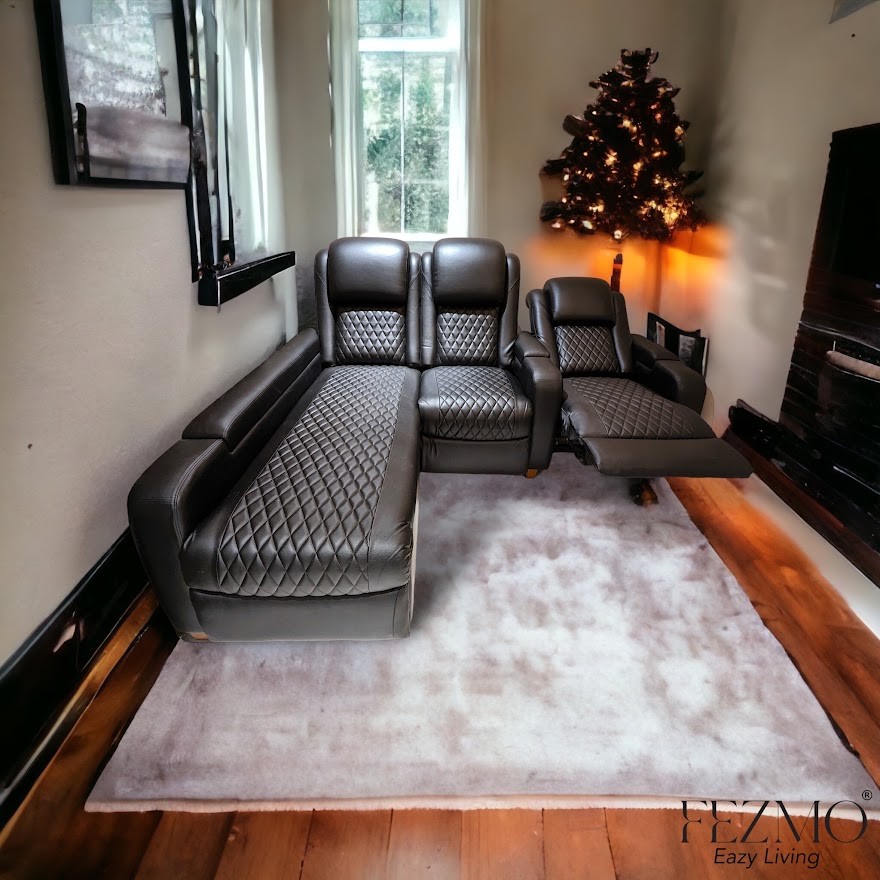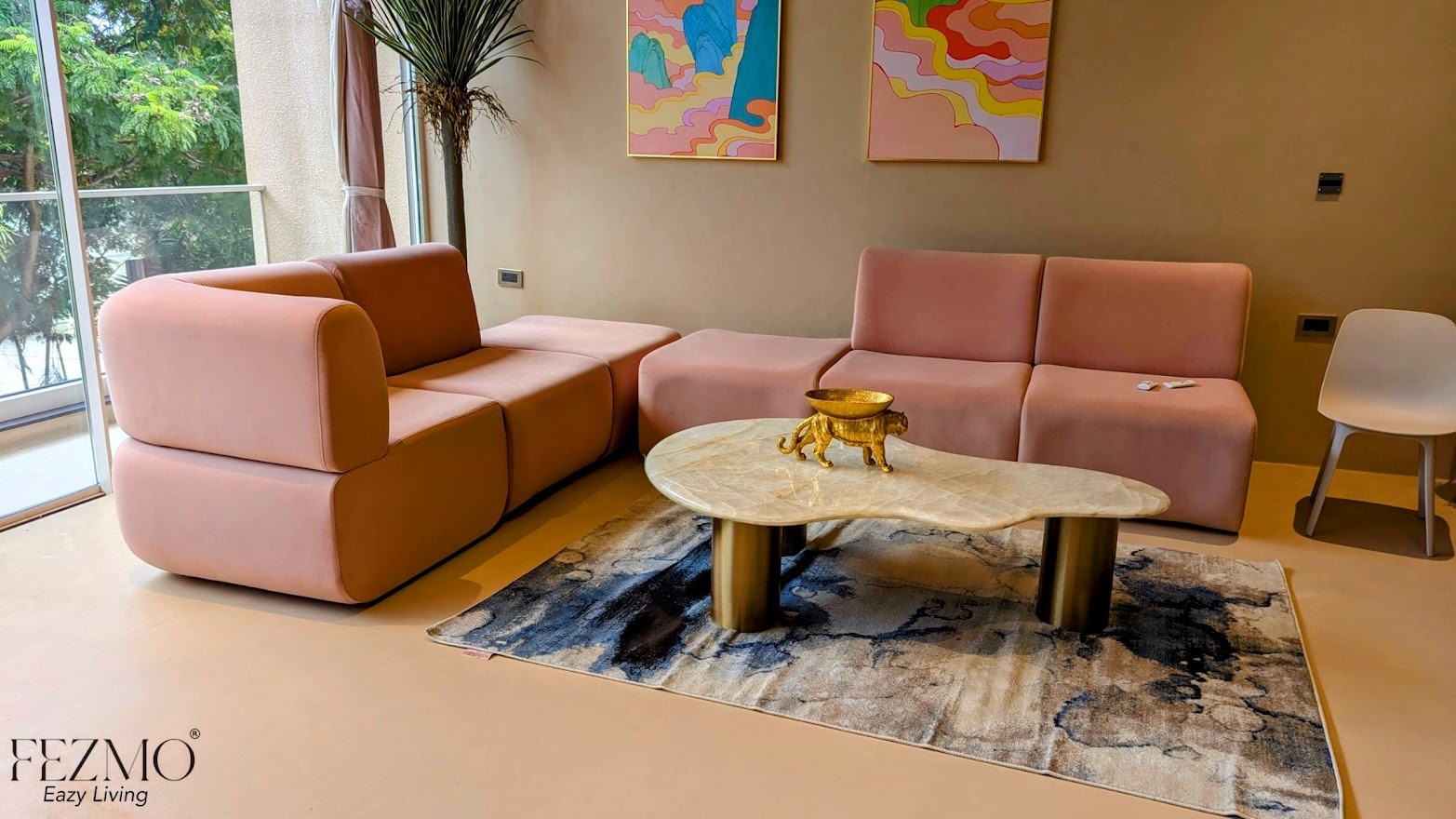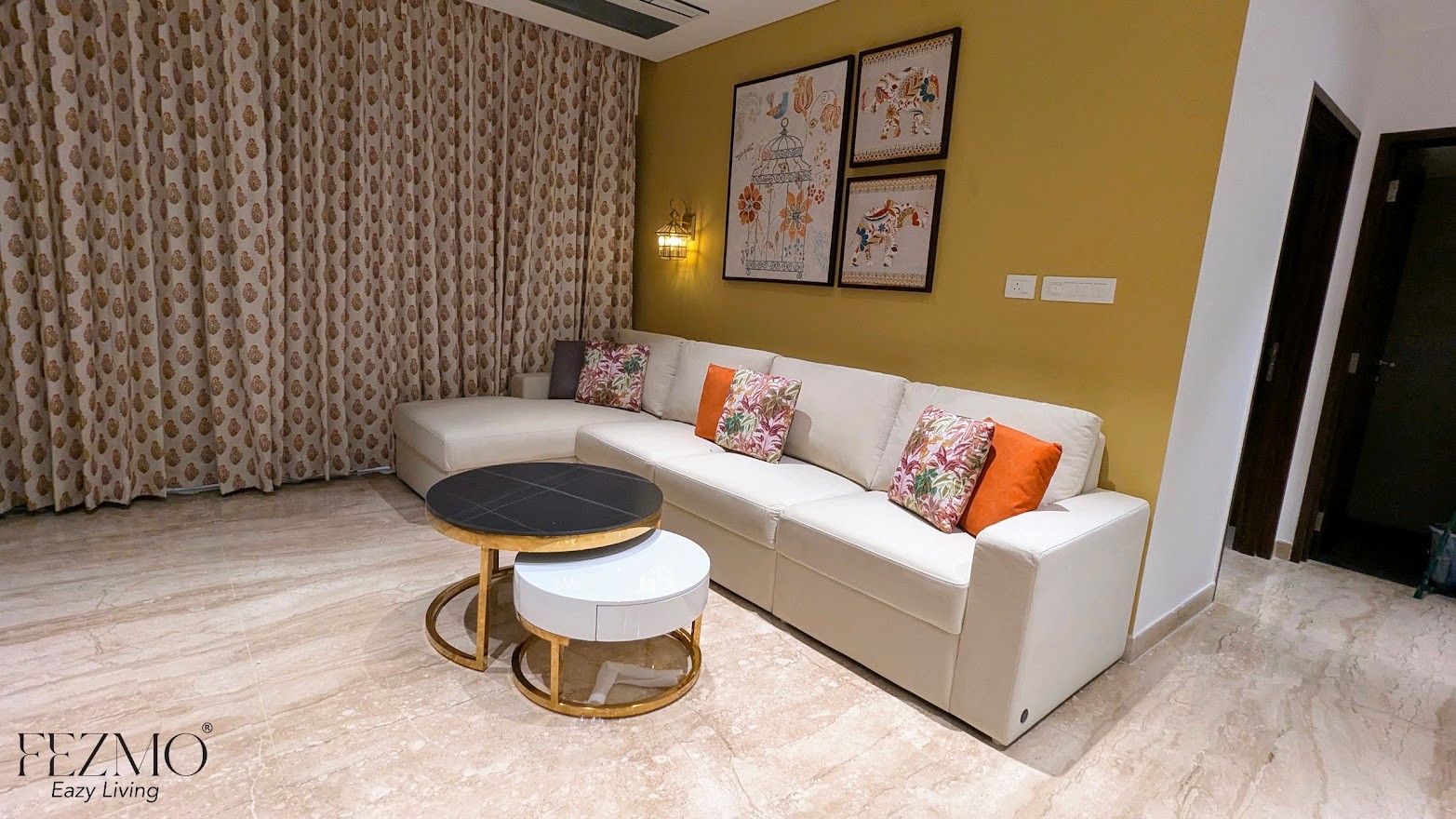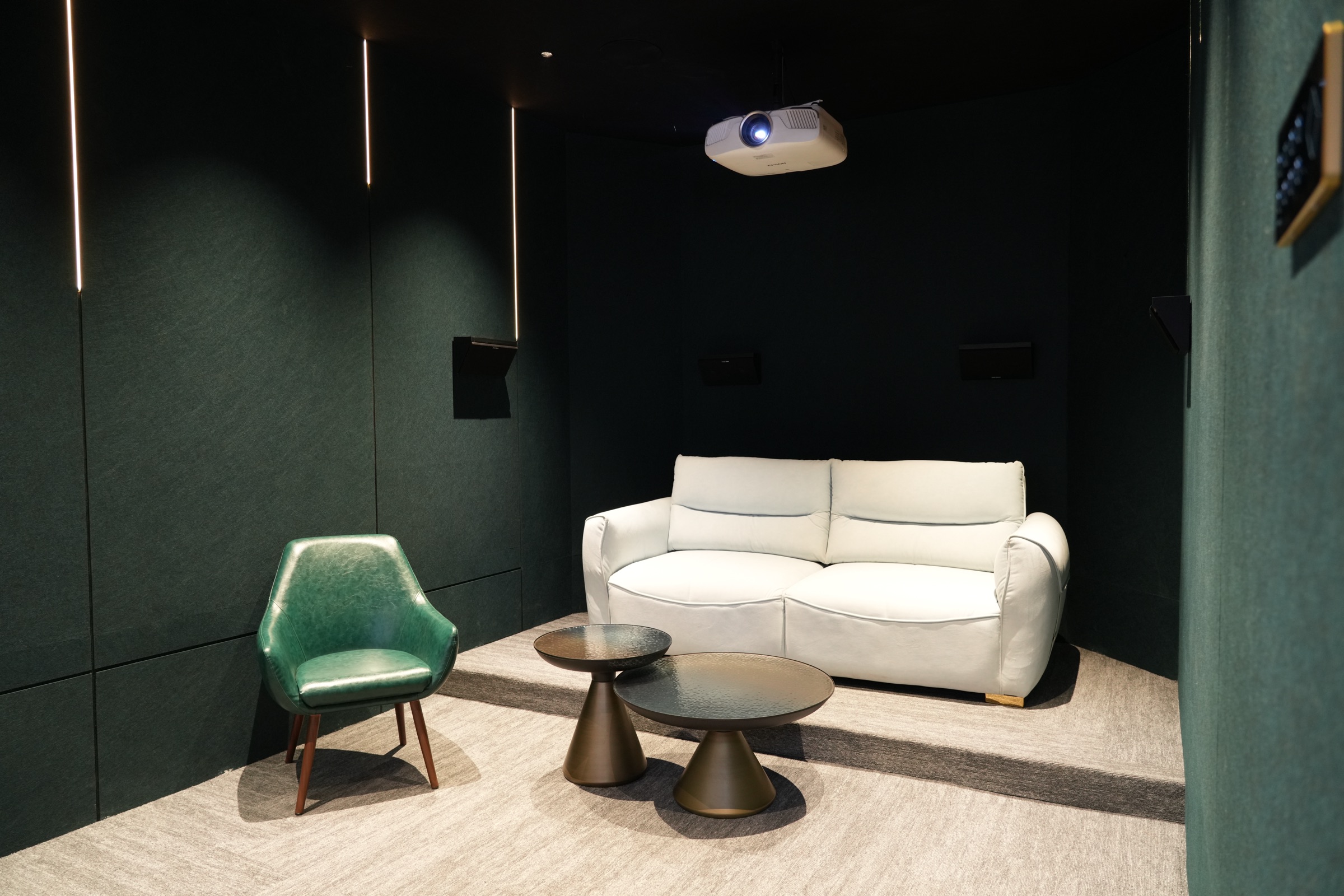
Walking through a furniture showroom can feel like stepping into a perfectly styled movie set. The bed looks inviting, the wardrobe sits against the wall as if it was custom-built, and the whole room feels balanced and spacious. The moment that same furniture reaches your actual bedroom, something often feels off. The scale seems bigger than expected, the colour clashes with your walls, or the wardrobe door bumps into the dressing table you already own. This is one of the most common mistakes people make while browsing through the best furniture shops in Chennai and picking pieces based on how they look under showroom lighting rather than how they will actually function in a real, lived-in space.
A bedroom is not meant to be a display window. It is a room you use every single day, for rest, for storage, for getting dressed, and sometimes for working quietly with a laptop propped on your knees. Furniture that photographs well but does not respect the way you live will end up feeling like a burden rather than a comfort. This guide walks through the practical questions to ask before you buy, so the pieces you bring home fit your space and your daily routine, not just a catalogue photo.
Why Showroom Furniture Looks Different at Home
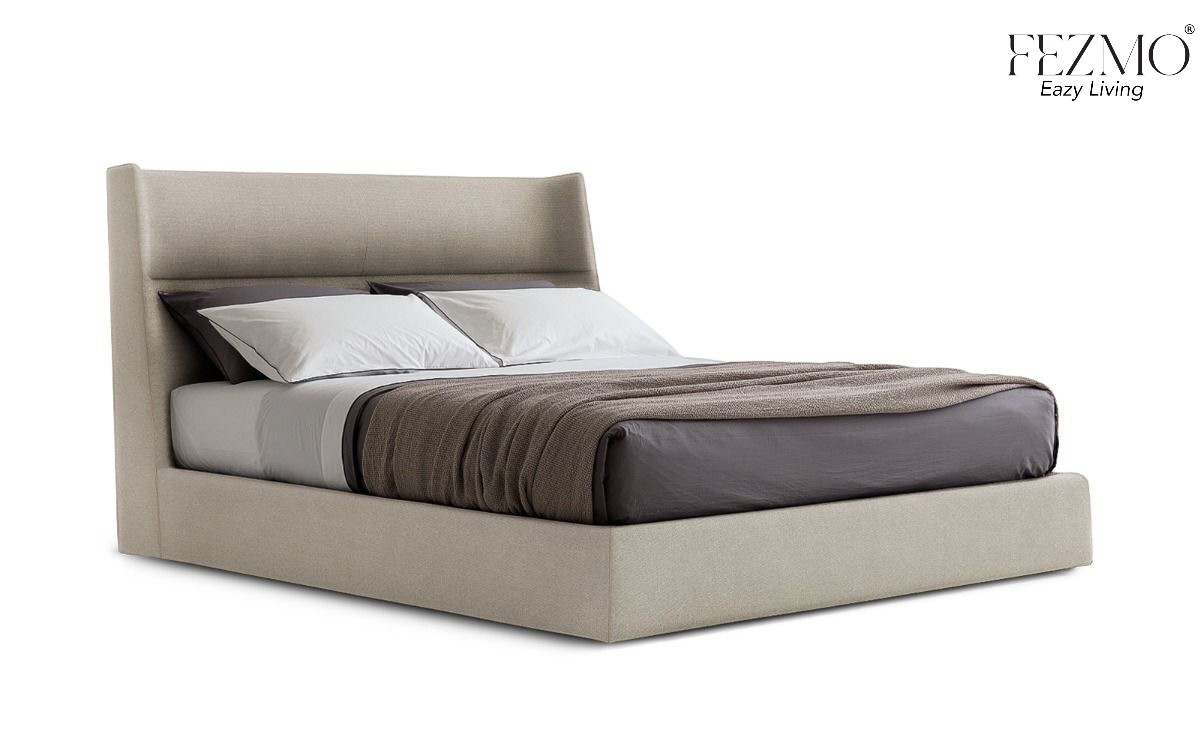
Showrooms are designed to sell, and every trick in the display plays into that goal. Understanding these tricks helps you see past them when you are choosing pieces for your own room.
The Lighting Trick
Showroom lighting is bright, even, and often angled to remove shadows from wood grain and fabric textures. This makes finishes look richer and more uniform than they will under the warmer, dimmer light of a home bedroom. A walnut finish that looks deep and glossy under showroom spotlights can appear almost flat or patchy under a single ceiling light at home. Before finalising a colour or finish, ask to see a sample piece near a window or under a lamp similar to what you have at home, or request a material swatch you can carry back and hold against your own walls.
Scale and Proportion in a Showroom Setting
Showroom floors are wide and open, with high ceilings and generous gaps between displays. A king size bed with a tall headboard looks proportionate in that setting because there is nothing around it to compete for visual space. Place the same bed in a 10-by-12-foot room with a wardrobe and a study table already in it, and the proportions change completely. The bed can start to dominate the room, leaving little space to walk around comfortably. This is why measurements matter far more than visual impressions when you are shopping.
Start With How You Actually Use Your Bedroom
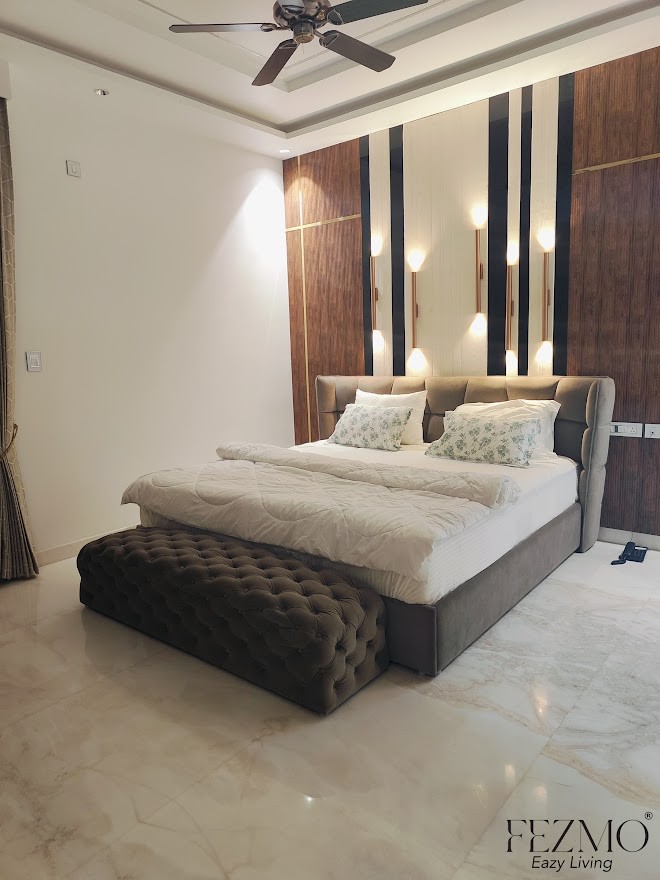
Before thinking about style, it helps to write down how the room is actually used throughout the day. Is it purely for sleeping, or does it double up as a reading nook, a home office corner, or a space where your child does homework in the evening? The answer changes what furniture makes sense.
Sleep Habits and Mattress Support
The bed frame you choose should match how you actually sleep. If you tend to sit up in bed to read or watch something on a tablet, a headboard with some cushioning or a slight recline angle will serve you better than a flat wooden panel. If two people with different sleep schedules share the bed, a sturdy frame with minimal creaking becomes more important than an elaborate design. Slat spacing and centre-support requirements differ by mattress type and manufacturer, so ask the seller to confirm the base specifications recommended for the mattress you plan to use, rather than assuming one spacing suits every bed.
Storage Needs Beyond Aesthetics
Bedrooms in most Indian homes double as storage for clothes, linen, seasonal items, and sometimes documents. A wardrobe that looks sleek but offers only hanging space without shelves or drawers can leave you scrambling for a separate chest of drawers later. Think about what you actually need to store, including bulky items like quilts or suitcases, before choosing between a swing-door wardrobe and a sliding-door wardrobe. Sliding wardrobes tend to save floor space in smaller rooms since the doors do not swing outward, which matters a great deal in compact apartments.
Measuring Your Room Before You Shop
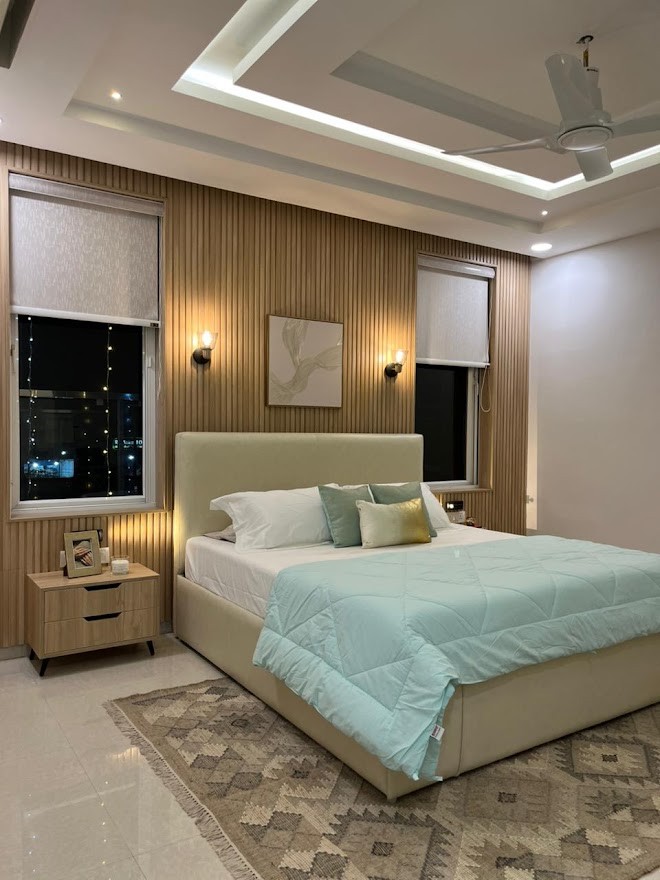
This is the step most people skip, and it is one of the biggest reasons furniture ends up not fitting. A tape measure and ten minutes of your time can save weeks of frustration and return trips to the shop.
Doorways, Hallways and Staircases
It is not enough to measure the bedroom itself. Many homes have narrow doorways, tight staircase turns, or lift dimensions that cannot accommodate a large wardrobe or a solid wood bed frame in one piece. Ask the seller whether the furniture arrives assembled or in knock-down form, and check the diagonal measurement of your doorway against the packed dimensions of the piece. This single question prevents the common scenario of furniture arriving at the doorstep and not fitting through the entrance.
Leaving Room to Move
Beyond fitting the furniture into the room, leave enough clearance to move around it comfortably. Treat about 60 cm as a tight minimum on the sides of the bed you use most often. Where space allows, aim for roughly 75 to 90 cm beside the bed and along major walking routes, and in front of any hinged wardrobe door, leave enough room for it to open fully with space to stand comfortably. If your room has a study table or a dressing unit as well, sketch a rough floor plan on paper first, marking door swings and window positions, before deciding on furniture sizes.
Choosing the Right Bed Frame and Headboard
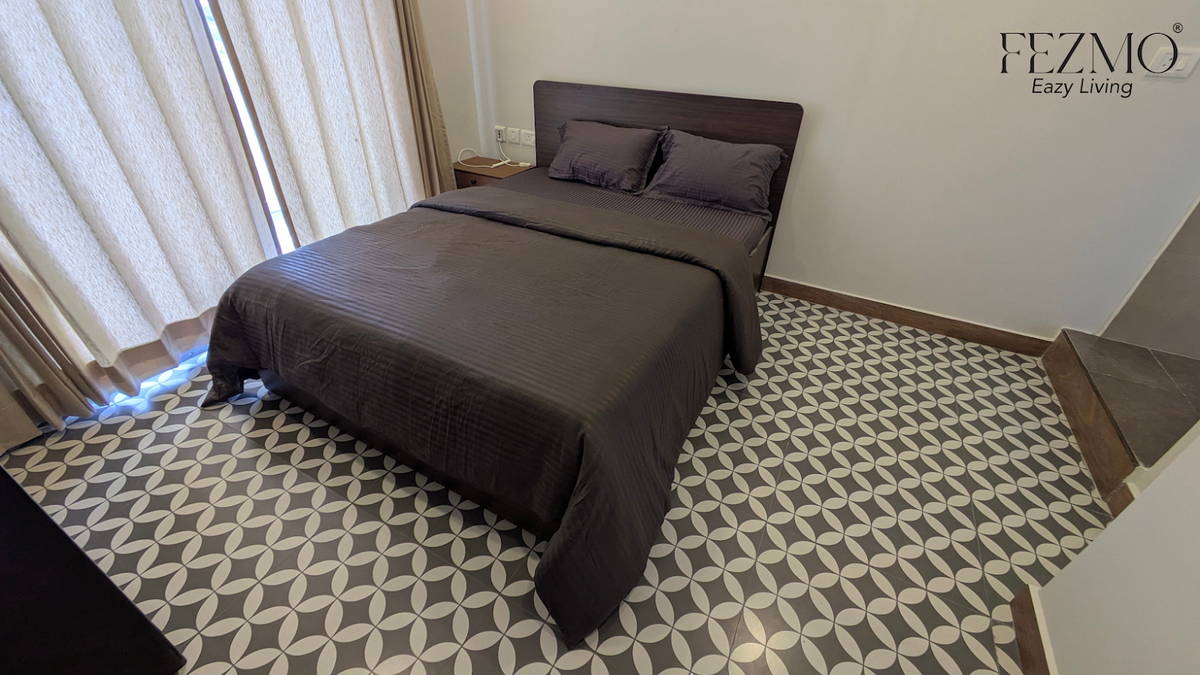
Bed frames come in queen and king sizes, but the right choice should not be decided by room area alone. Draw the actual bed-frame dimensions to scale on your floor plan and check the clearance left beside the bed, at its foot, and in front of storage units. In a small room, a queen frame can sometimes leave more usable walking space than a king, but this depends entirely on where the wardrobe, door, and windows sit, so it is worth measuring rather than assuming. When exploring options for bedroom furniture Chennai shoppers often look for, pay attention to under-bed storage as well. Hydraulic storage beds can be useful in smaller homes, but check the lifting arc, the mattress weight limit, side access, and whether any wall or ceiling fitting could obstruct the base before it is raised.
Headboard height also affects how the room feels. A tall upholstered headboard can make a small room feel cosier, while a low-profile wooden headboard tends to suit rooms with lower ceilings, keeping the space feeling open rather than boxed in.
Matching Wardrobes and Storage to Your Space
Wardrobes are usually the largest and most expensive piece of furniture in a bedroom, so getting the size and configuration right matters more here than almost anywhere else. Measure the full wall length available and subtract space for switchboards, window frames, or door swings before deciding on a three-door or four-door unit. A common oversight while comparing furniture shops in Chennai is focusing only on the exterior finish and skipping the internal layout, such as the ratio of hanging space to shelves and drawers. Ask for a breakdown of internal compartments and, where possible, request adjustable shelving so the wardrobe can adapt as your storage needs change over the years.
Loft units above the main wardrobe are worth considering if your ceiling height allows for them, since they offer extra storage for items used only occasionally, like festival decorations or extra bedding, without adding to the wardrobe's floor footprint.
Material and Finish Considerations for Indian Homes
Climate plays a bigger role in furniture longevity than most buyers realise, especially in coastal cities with high humidity for large parts of the year.
Humidity and Wood Choices
Humidity affects all wood-based furniture to some degree, and no single material is automatically immune to it. Teak is generally valued for its natural durability and moisture resistance, and sheesham can also perform well when it has been properly seasoned and constructed, but species alone does not guarantee stability. It is worth asking the seller about the wood's moisture content at the time of manufacture, the quality of joinery, whether edges are sealed, and what finish has been applied, since these factors influence how the piece handles humidity over time as much as the species does.
For engineered wood, plywood with a laminate or veneer finish can be a budget-friendly option and can perform well when it carries an appropriate moisture-resistant grade. Avoid unsealed or low-density fibreboard in spots exposed to leaks, condensation, or persistent dampness, and ask specifically whether the board is rated moisture-resistant and whether all cut edges have been sealed, rather than assuming location alone determines suitability.
Colour Palettes That Age Well
Trendy dark or high gloss finishes can look striking in a showroom but may feel dated within a few years or clash with future decor changes. Neutral tones like warm oak, soft grey, or muted walnut tend to stay adaptable, allowing you to change bedsheets, curtains, or wall colours without the furniture feeling out of place. If you do want a bold accent, consider limiting it to one piece, such as the headboard or a bedside table, rather than the entire wardrobe and bed set.
Budgeting Without Compromising Durability
It is tempting to stretch the budget for a design that looks impressive, but durability should weigh just as heavily as appearance, particularly for pieces used daily like beds and wardrobes. Check the type of hardware used, including hinges, drawer channels, and handles, since these components tend to wear out faster than the main frame and are often the first sign of poor build quality. Soft-close hinges and ball-bearing drawer channels can improve day-to-day use and tend to hold up better when they are well made and properly installed, so ask about the hardware brand, its load rating, and whether it is adjustable. It also helps to ask about warranty coverage for hardware separately from the warranty on the main structure, since sellers sometimes treat the two differently, and to get the exact terms, exclusions, and duration in writing rather than relying on a verbal assurance.
Checking for Indian Quality Standards
Bed frames sold in India now fall under the Furniture (Quality Control) Order, 2025, which requires beds to conform to IS 17635:2022 and carry the BIS Standard Mark under Scheme I. The requirement took effect for medium and large enterprises from 14 February 2026, with micro and small enterprises given additional time to comply. By the time you are shopping, most sellers should be able to confirm whether a given bed falls under this requirement or under an applicable exemption, such as certain micro and small manufacturers or furniture made only for export. It is reasonable to ask a seller directly whether their beds carry the BIS mark or fall under a stated exemption, rather than assuming certification automatically applies to every product on display.
Bringing It All Together: A Practical Checklist
Before you finalise your bedroom furniture, run through this short list:
Measure the room, including doorways and staircases the furniture must pass through
Decide how the room will be used beyond sleeping, and plan storage accordingly
Choose bed and wardrobe sizes based on floor space left for movement, not just the room's total area
Pick finishes and materials suited to your local climate and humidity levels
Compare hardware quality and warranty terms, not just the visible finish
View samples in lighting similar to your home before confirming a colour
Furniture that fits your bedroom properly does more than look good in photographs. It supports how you actually live, sleep, and move through the room every day. Taking the time to measure, plan, and ask the right questions before you buy will save you from the disappointment of a beautiful piece that simply does not belong in your space. If you would like guidance on choosing pieces suited to your room size and budget, Contact Us to speak with our team about planning a bedroom that works as well as it looks.