Remember when every other living room had a glass-top table and a chrome lamp? Fashions burn bright and fizzle out. Wood just sits there, quietly, still being useful. Maybe you're moving into a new flat, or maybe the family house is finally due a makeover. Either way, once you start browsing furniture for Chennai homes, one question keeps coming back. Will I still like this in fifteen years? Solid wood has a pretty good track record there, and looks are only part of the story.
A Material With a Very Long Track Record
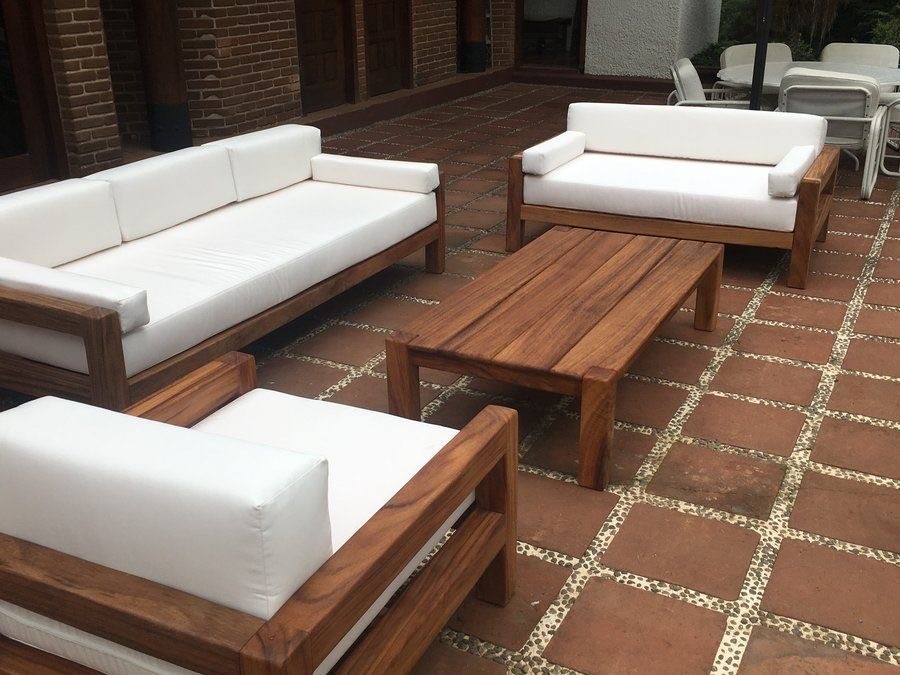
Centuries of use before fashion existed
Humans have been knocking together stools, chests and beds from timber for a very, very long time, well before anyone dreamed up the phrase interior style. Fashion moved from carved Chettinad pieces to clean Scandinavian lines and back to something in between. The wood underneath didn't care. It kept doing its job.
Why a natural tone never clashes
Think about the colours of soil, leaves and stone. Wood lives in that same neighbourhood, so it gets along with almost everything. Put a walnut shelf beside a brass lamp, or a steel frame, or a plain cotton rug, and nobody argues. A loud printed surface can't say the same. With timber you're free to swap cushions, repaint a wall or hang new curtains next year, and the furniture still looks right.
How Wood Ages Instead of Simply Wearing Out
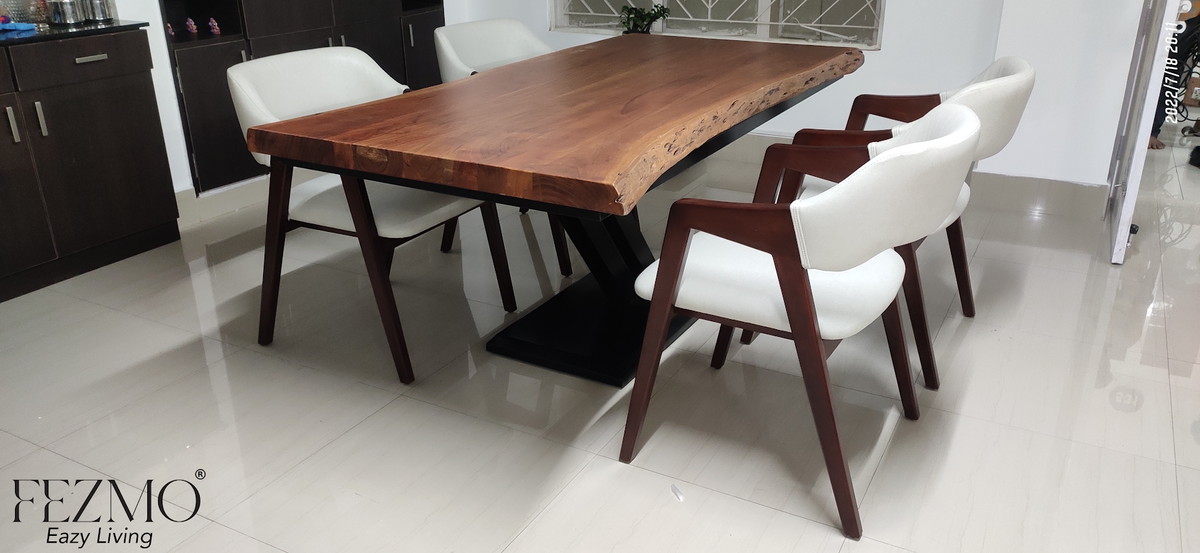
Patina is not damage
Plenty of manufactured finishes are engineered to look identical in year ten and on day one. Timber refuses to play along. Sunlight does its slow work, hands do theirs, and the spots you touch most turn soft and glossy. Look after a table properly and it can end up with more personality than it had in the shop. Some people actually like that better.
Colour shifts are part of the character
Not every wood ages the same way. A few darken in light, a few drift towards gold. Teak left outdoors goes silvery grey, and before you panic, that's only the surface weathering, nothing is wrong underneath. Want to keep the shade you bought? Park the piece away from the window that gets hammered by afternoon sun.
Repair is built into the material
Gouge a laminate top and you're stuck with the mark. Solid timber is kinder. A good carpenter can often sand it back and refinish it, though that depends on thickness and how the piece was built. For anyone planning to keep furniture a long time, that forgiveness counts for a lot.
Light marks
Hairline scratches and the odd water ring on an oiled or waxed surface often vanish after a fresh coat of the same finish.
Deeper damage
Bigger dents are a job for a carpenter. In thick solid timber they can often be sanded out, though much depends on construction and finish. Thin veneer? There's simply not much wood to take off.
Strength and Species: Matching Timber to Purpose
Teak
Teak is the one everybody else gets compared to. Natural oils help it handle moisture and some insects. The catch? Price. And a word of warning: ask the seller straight out whether it's real teak or just stained to look like it. Under showroom lights they can pass for twins, but they age nothing alike.
Sheesham
Sheesham (Dalbergia sissoo, usually) turns up in a huge amount of Indian furniture, and some sellers market it as Indian rosewood. It's dense, it takes a finish nicely, the grain is lovely, and the bill is normally lower than teak's.
Mango and acacia
Mango wood often comes from orchard trees that have stopped fruiting, so in a sense it's a second life for something already grown. Whether that makes it truly green still hinges on how it was sourced, processed and shipped. Acacia is a different story: many species are dense and tough, a good match for furniture that takes daily punishment. Fair warning on both, though. No two pieces look identical, and that variation in colour and grain is part of the deal.
Solid, veneer and engineered boards
Quick vocabulary lesson, because showrooms use these words loosely. Solid timber is wood all the way through. Veneer is a thin slice of real wood glued to a core board. Plywood and MDF are built from bonded layers or fibres. Each earns its place somewhere. But when it comes to sanding and refinishing again and again, solid wood wins, veneer has little real wood to give, and MDF depends almost entirely on its surface finish.
Living With Timber in a Humid Coastal City
Moisture and movement
Wood is a bit like a sponge that breathes. It soaks up moisture when the air is damp, lets it go when the air dries, and it swells mostly across the grain rather than along it. In a humid coastal city like Chennai, that movement is real, so joinery matters. Well-made pieces use joints and panels that let the wood shift gently without splitting. Timber dried and conditioned properly before it's built is steadier too, and far less likely to surprise you later.
Pests and finishes
Termites are a genuine headache in warm places, no sugar-coating that. Naturally durable timber gives you a head start, and proper termite treatment plus a well-kept building cover the rest. A finish, by the way, is a separate matter. It protects against moisture, stains and everyday wear, not against termites. Ask what was used and how many coats went on anyway.
Simple habits that protect timber
- Wipe with a soft, barely damp cloth and dry it straight after.
- Coasters under cups, a heat pad under anything hot.
- Give furniture a little breathing room from damp walls and AC drip spots.
- Oiled or waxed? Reapply the right product once it looks dry, and stick to the finish maker's instructions.
Where Wood Earns Its Place Around the House
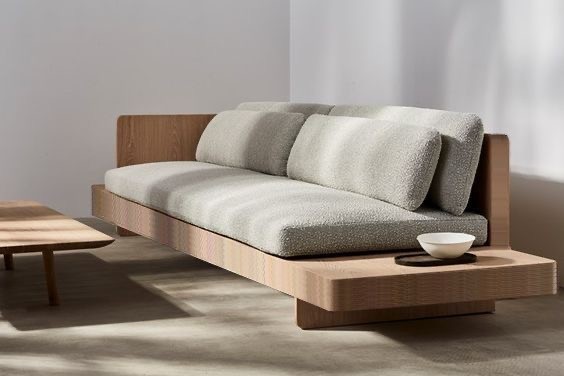
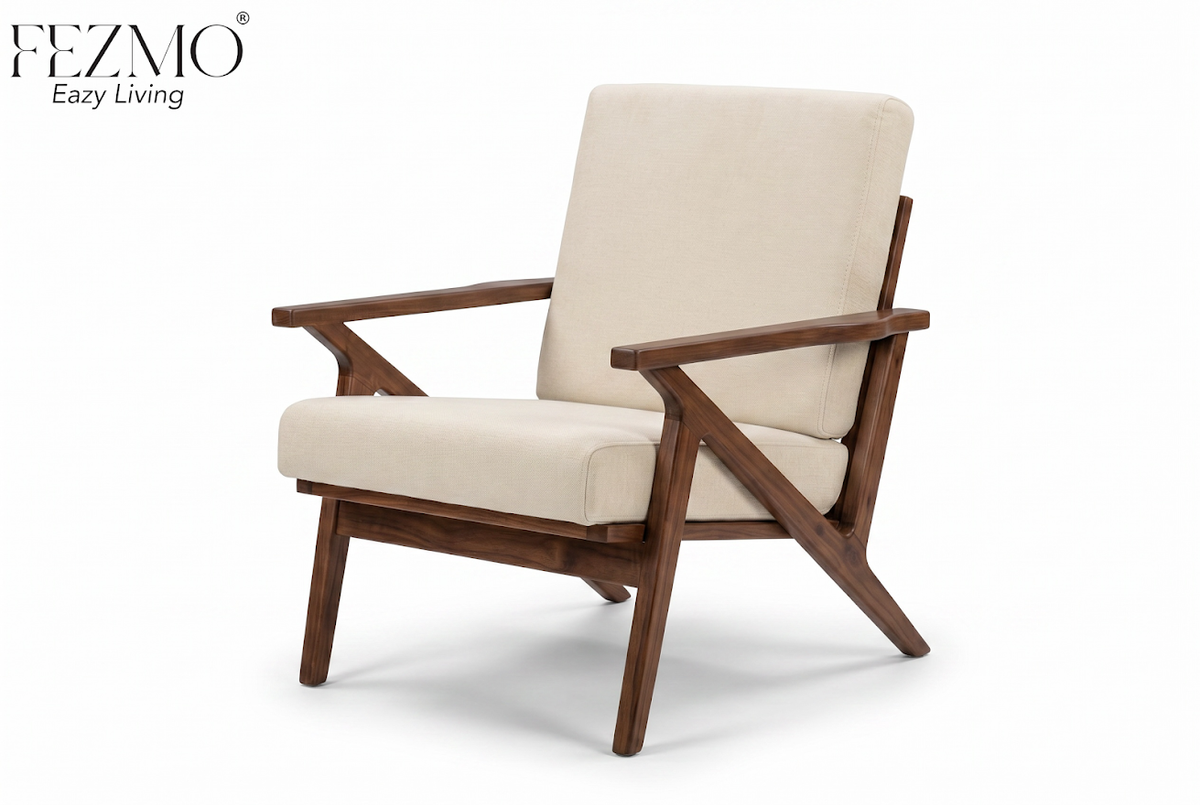
Seating that stays comfortable and good looking
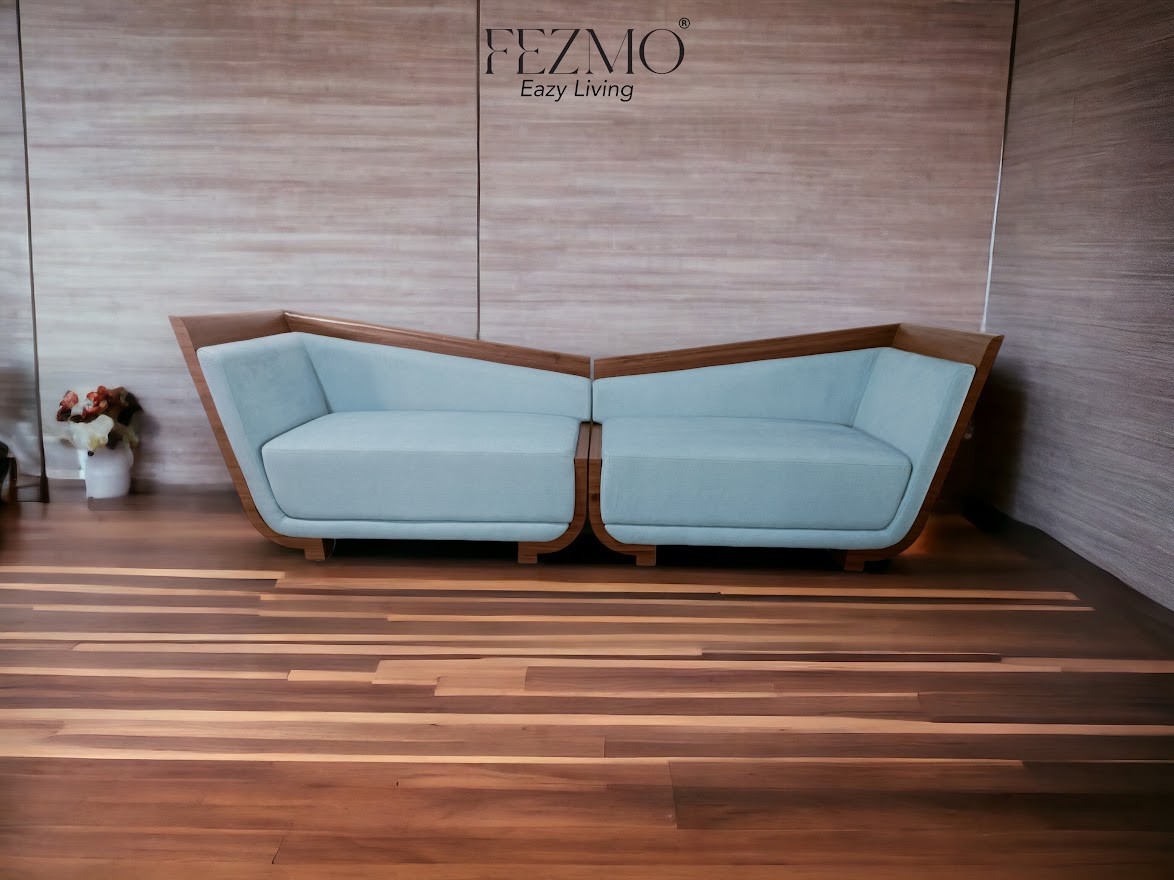
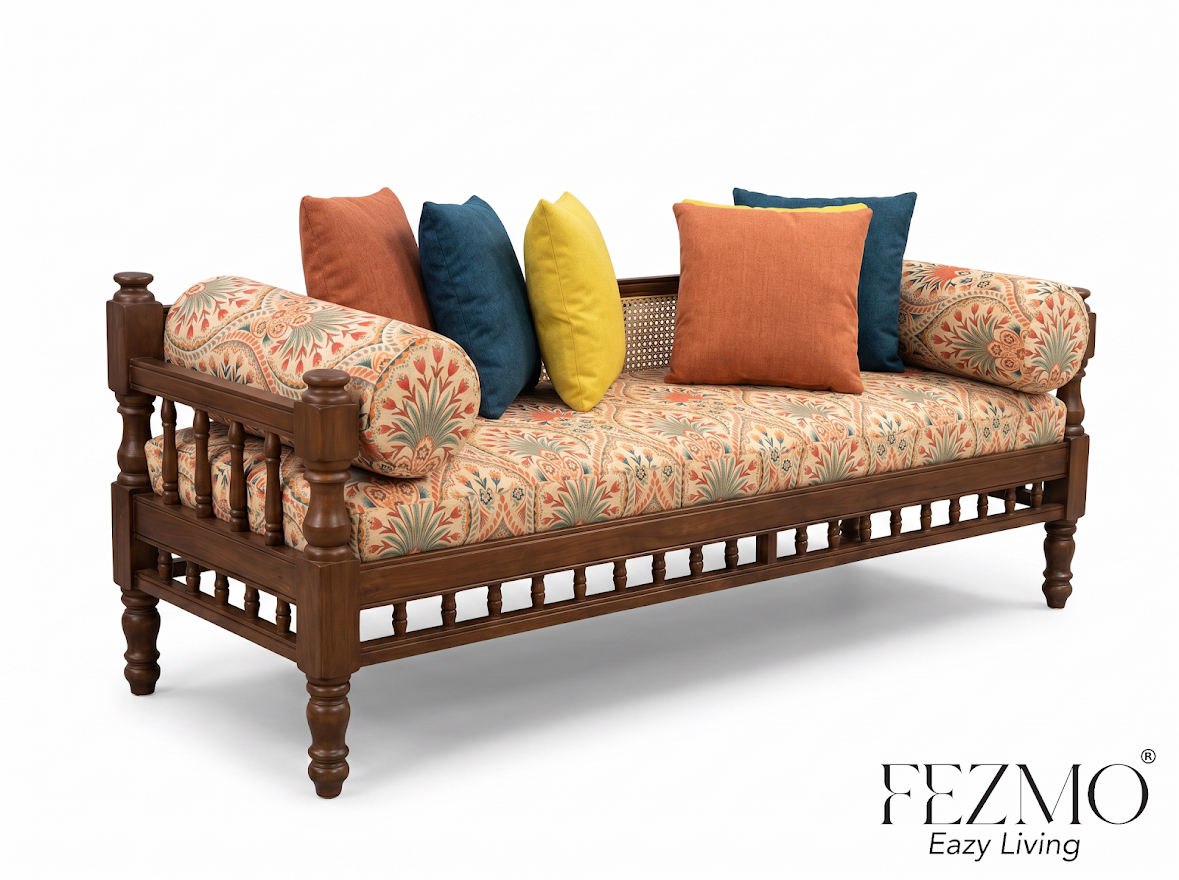
You never see the frame of a sofa, yet it takes the weight of every afternoon nap, every movie night, every cousin who flops down without looking. How it's built matters as much as the upholstery. A hardwood frame with woven cane is an old favourite for warm weather, because cane lets air through. If that appeals, the wooden and cane design sofas range is a decent place to get a feel for proportions and finishes.
The table where life actually happens
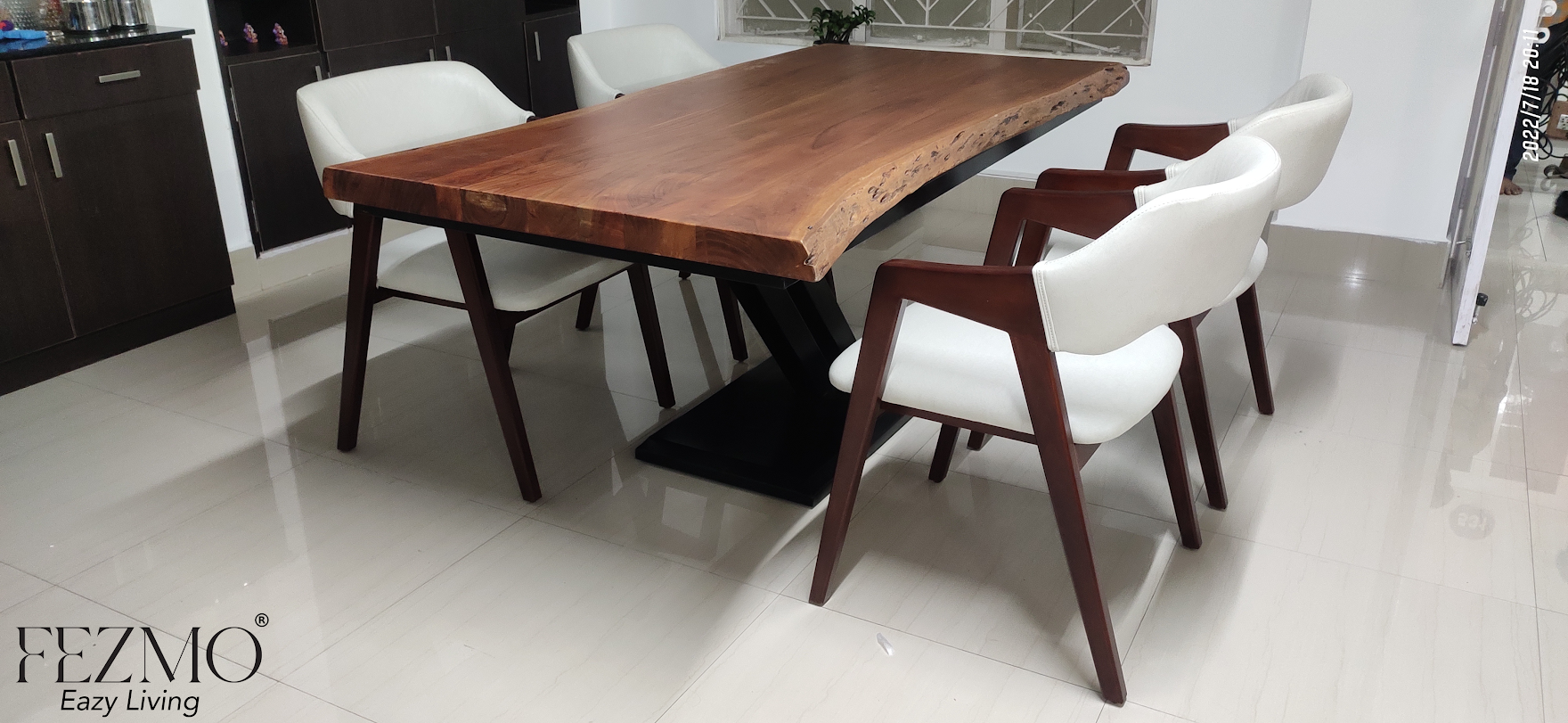
A dining table lives a harder life than most furniture. Hot dishes, homework, someone's laptop, a full house at Diwali or Pongal. A solid top can take all of it, and if it ends up scarred after a few years, it can be refinished. When you compare options at a dining set showroom in Chennai, check how thick the top is, give the legs a gentle shake, and sit in the chairs for a few minutes. A gorgeous table is no use if nobody wants to sit at it.
Desks and storage that carry the daily load
Shelves, wardrobes and desks are asked to hold up books, clothes and monitors for years without complaint. Whether they manage depends on thickness, span, support and how much damp they meet. Thin, badly designed particle board is the one most likely to sag or swell. Good solid wood and well-designed engineered board can both do the job, though, so don't write off the second one automatically.
The Quiet Sustainability Argument
Trees pull carbon out of the air as they grow, and wood keeps hold of that biogenic carbon while it stays inside a long-lived product. That's one reason durability and responsible sourcing belong in the same conversation. A table that serves you for decades also spares you a string of replacements, although the true impact depends on how the timber was grown, processed, shipped and eventually disposed of. If this matters to you, look for recognised forest certification such as FSC or PEFC, and ask what it actually covers for the specific product and supply chain. Rules get revised now and then, so check the current claim and certificate details. While you're at it, ask which species it is and where it grew.
How to Judge Quality Before You Buy
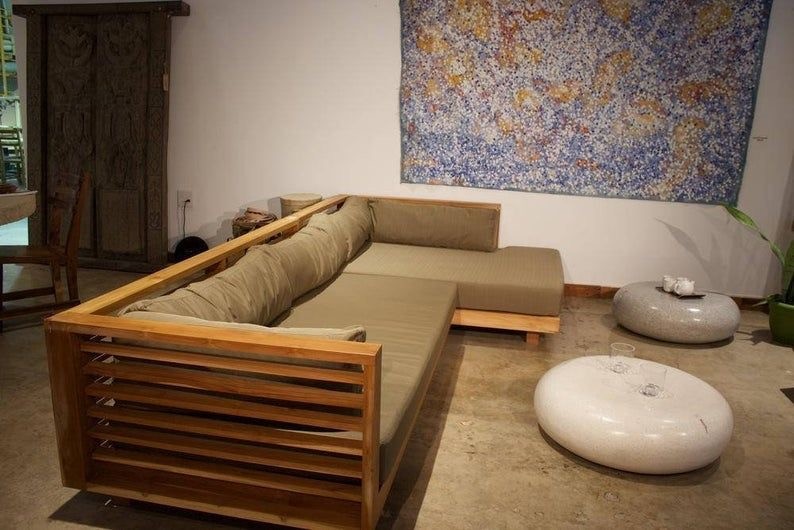
Five minutes of poking around tells you more than any brochure.
- Joinery: Look closely at the joints. Mortise-and-tenon and dovetail joints often point to careful work. Globs of glue or joints that don't line up? Not a great sign.
- Weight: Heavy doesn't automatically mean solid. Species vary a lot in density, and engineered boards can weigh plenty too.
- Grain: Real timber and real-wood veneer have genuine grain. A printed surface may repeat the same pattern if you squint at it long enough.
- Hidden surfaces: Tip a chair over or peek behind a cabinet. A sudden change in material or finish back there tells you plenty about how it was really made.
- Drawer action: Drawers should glide, never catch, and close flush.
Conclusion: Choose Once, Enjoy for Decades
So why does wood stick around? Because it quietly solves a handful of problems together. It's strong, often repairable, easy on the eye and relaxed about changing tastes. Add the fact that it gets more interesting as it ages, which few household things can claim, and the appeal makes sense. Whether you're furnishing a bedroom, a living room or a workspace furniture setup in Chennai for your business, starting with well-made timber gives every other design choice something solid to stand on. Contact us to know more.
Frequently Asked Questions
Is solid timber worth the higher upfront cost?
Often, yes, particularly for things you use daily and plan to keep. But it's not automatic. Build quality, species, finish and repairability all play a part.
Which wood handles humid weather best?
Teak has the best reputation for natural durability and moisture resistance. Still, other species can do well indoors when they're properly dried, built and finished. In a humid climate, honestly, how a piece is made and how well it's kept dry matters nearly as much as the species.
How often should wooden furniture be polished or oiled?
Follow the care instructions for your particular finish. Oiled and waxed surfaces want a touch-up now and then. A film finish like polyurethane doesn't need regular re-oiling.
Can scratches and water rings be removed?
Often, yes. Light marks on oiled or waxed surfaces usually respond to a fresh coat. For deeper damage, call a carpenter to sand it back.
Does wooden furniture suit modern interiors?
Absolutely. Its colour and texture sit happily beside glass, metal and fabric, so it turns up in traditional and contemporary rooms alike.
How can I tell real wood from a printed finish?
Study the grain for natural variation, and check the edges and underside for a different material underneath. A pattern that repeats can point to a printed surface. One caveat: veneer is real wood too, just a thin layer over a core.