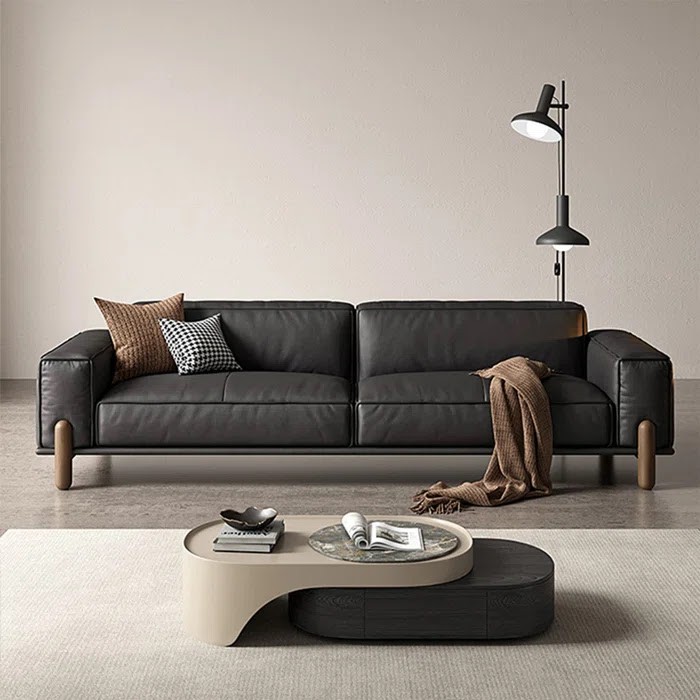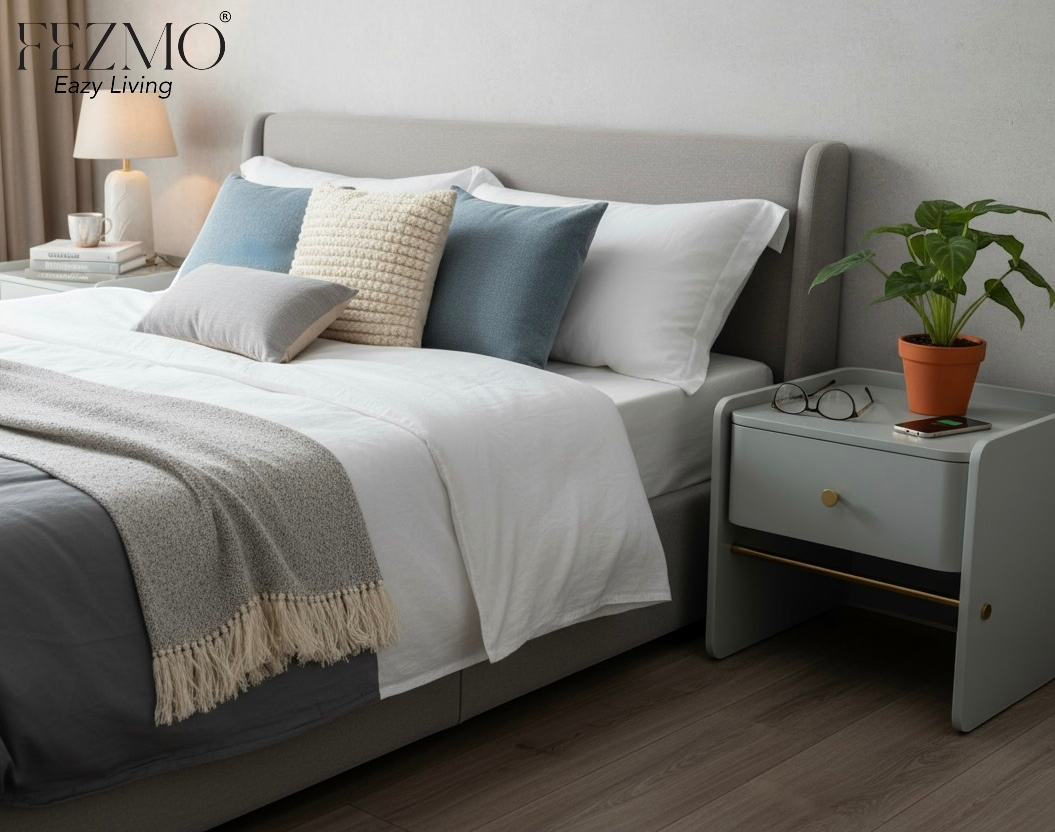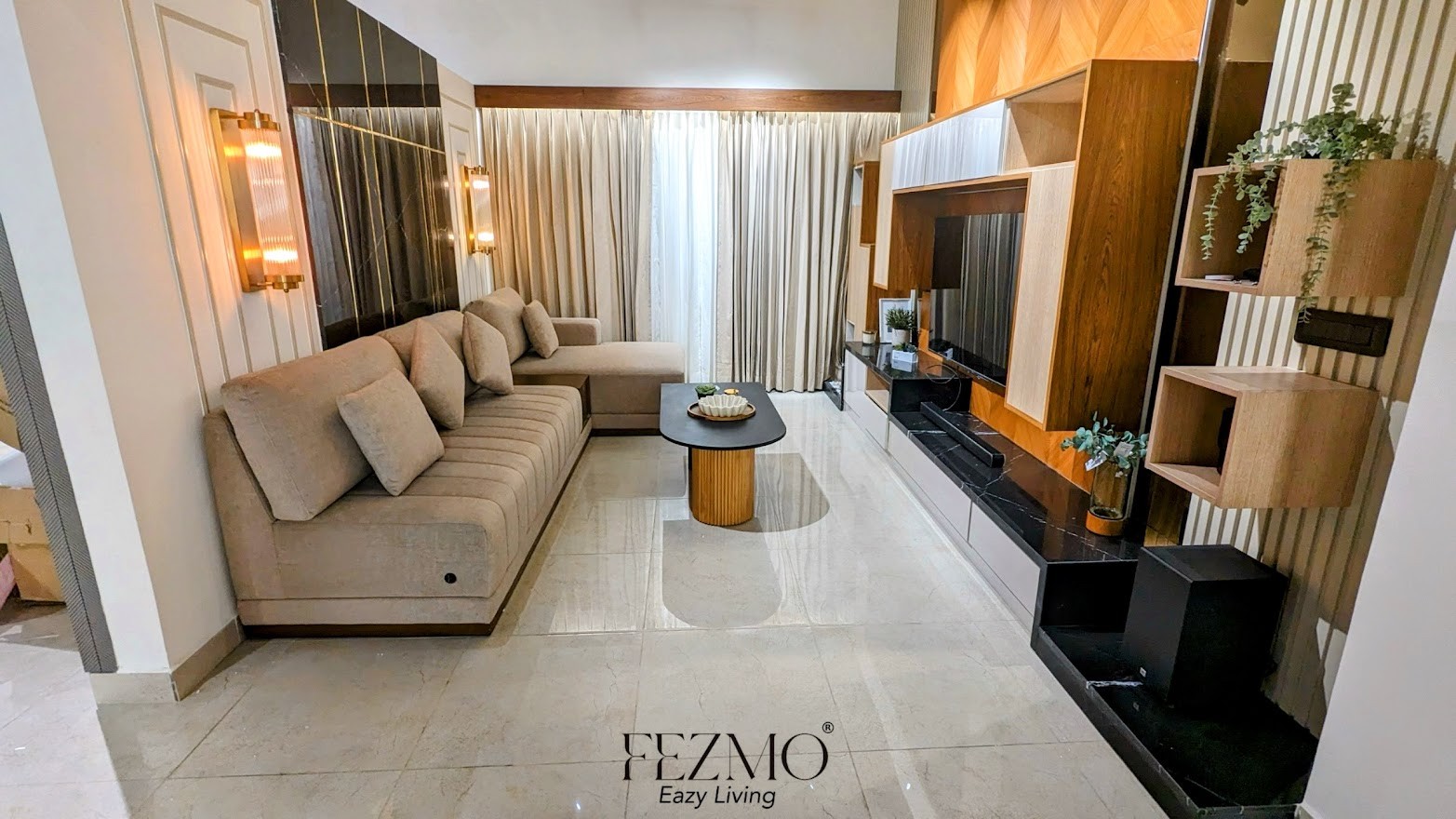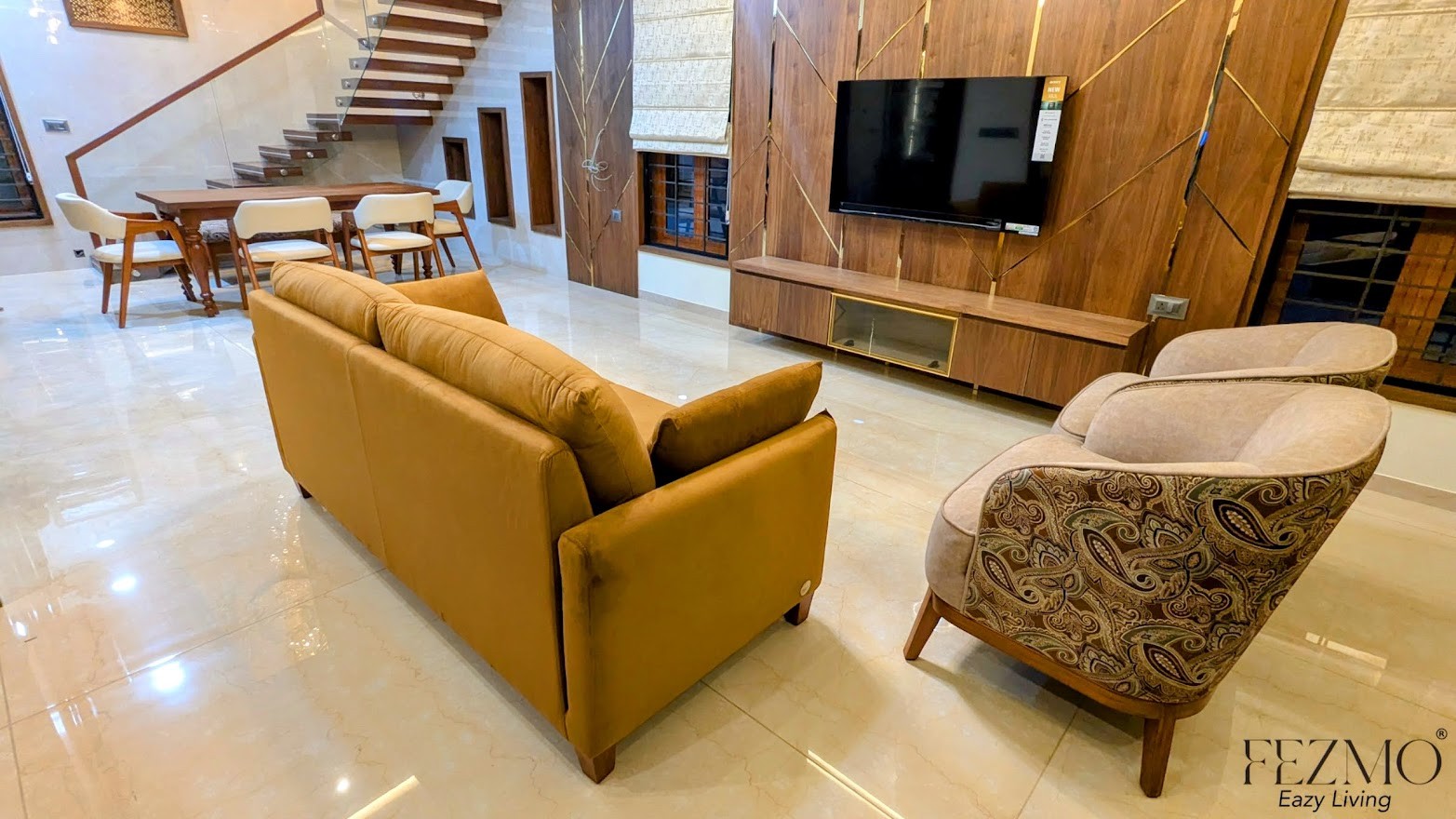
A house can be decorated in a weekend. A home takes longer, because it is built from how people actually live, not only from how a space looks in a photograph. The two are easy to confuse, especially when a beautifully styled room is mistaken for a comfortable one. Knowing the difference changes how you shop, and it is why thoughtful furniture shops in Chennai ask about your routines and your family before they ever point you toward a product.
Decorating is about surfaces: colour, arrangement, and visual appeal. Creating a home is about fit between a space and the lives inside it. This article explores that distinction and why furniture chosen for living, rather than only for looking, is what turns a well decorated house into a place that feels like yours.
Decoration Is Visual. A Home Is Lived In
Decoration answers the question of how a room looks. A home answers a harder question: how does this space support the people in it from morning to night. A dining table is not just a surface to admire. It is where homework happens, where meals are shared, where conversations run long. When you choose furniture for the life around it, the room earns its place instead of merely filling it.
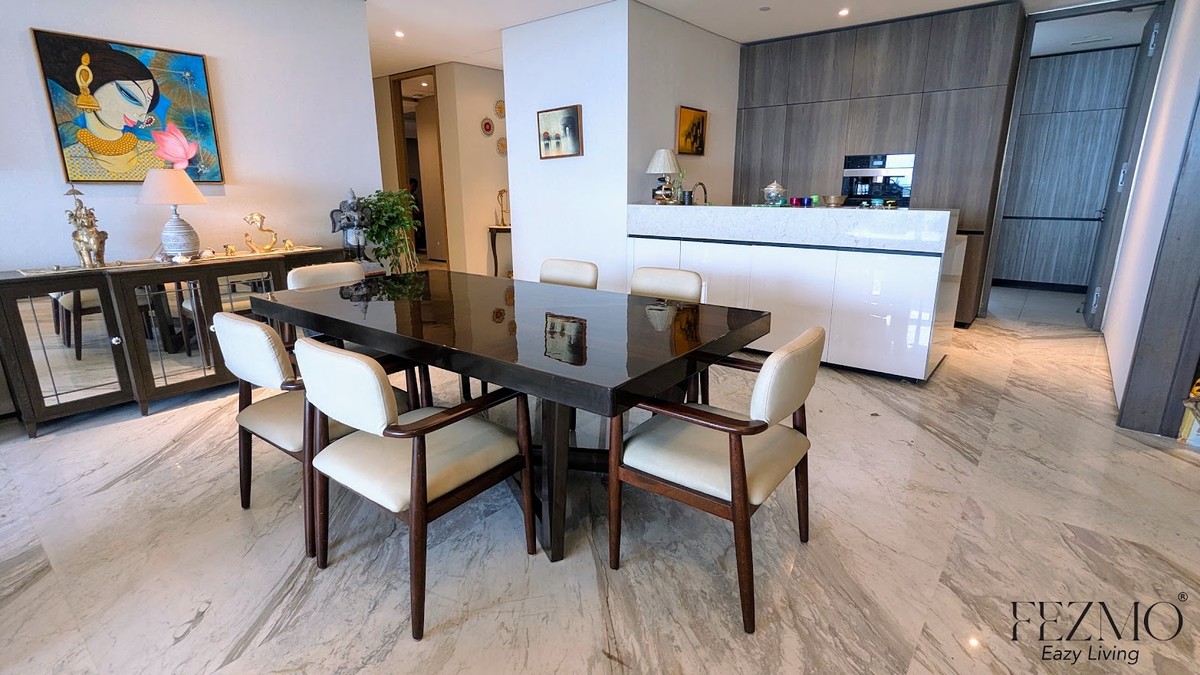
This is why a magazine-perfect room can still feel cold. It has been arranged for the eye but not for the day. The most loved rooms are often slightly imperfect, shaped by use, and all the more comfortable for it. Comfort and function are not the enemies of beauty. They are what make beauty last.
Furniture That Fits the Way You Live
Before choosing a sofa, it helps to ask how it will be used. Do people lounge across it for hours, or perch briefly between tasks? Are there children and pets who will test the fabric daily? A home is created when these questions shape the purchase. A house is merely decorated when the sofa is chosen only because it looks striking in a display. The right piece serves the routine, not just the room.
Personality Is What Makes a House Yours
Show homes are impressive and forgettable in equal measure, because they belong to no one. A real home carries traces of its people: the books they read, the art they love, the pieces they chose deliberately rather than by default. Building that character takes time and a willingness to choose things that mean something. Exploring home furnishing options in Chennai with your own taste as the guide, rather than a generic trend, is how a space begins to feel unmistakably yours.
Personality does not require boldness. A quiet home can be deeply personal through its consistency and the care evident in each choice. What matters is that the decisions are yours, made for how you live, rather than copied wholesale from a catalogue. The goal is a space that could not simply be swapped for anyone else's.
The Layers That Accumulate Over Time
Homes are rarely finished in one purchase. They are layered over years, adding a piece here and replacing one there as needs change and taste matures. This is a feature, not a flaw. A home assembled slowly, with intention, tends to feel more coherent and more personal than one bought all at once to match a single scheme. Patience is part of the craft of making a house into a home.
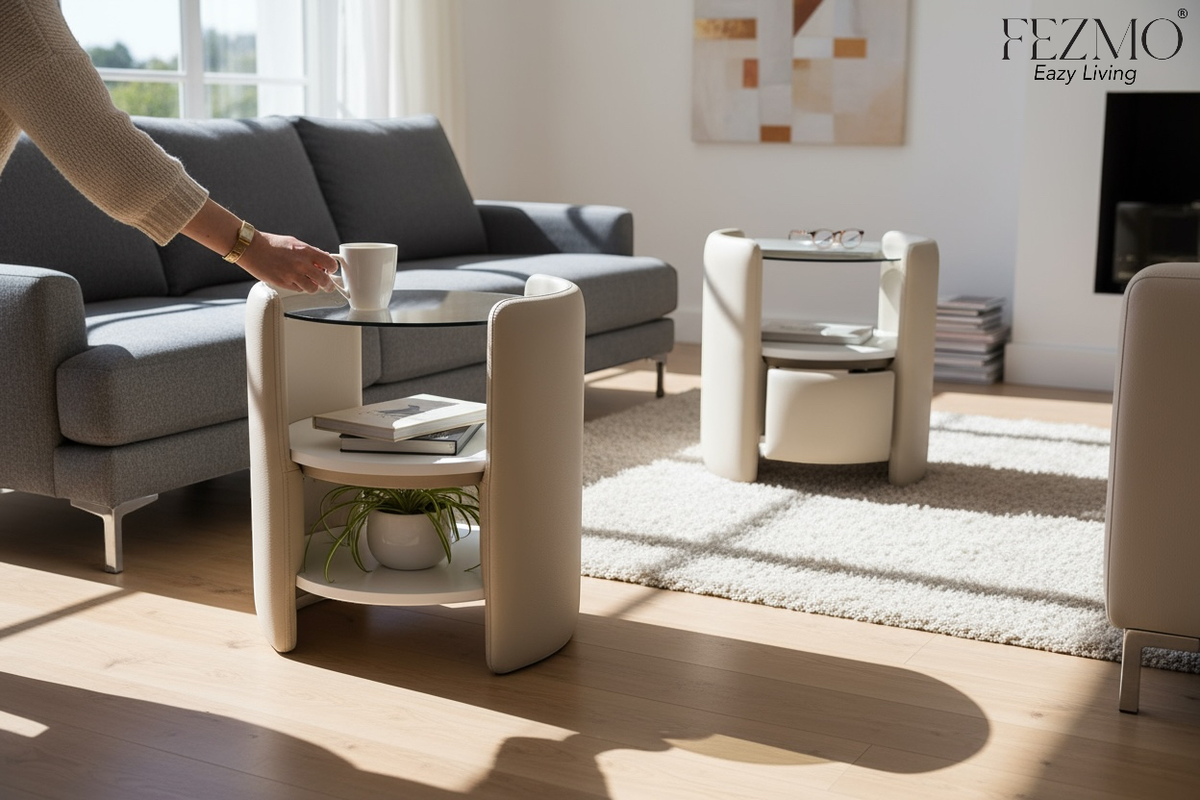
- Decorating a house focuses on how a space looks, while creating a home focuses on how the space supports everyday living.
- A decorated house is often styled for photographs, whereas a home is shaped by daily routines, comfort, and real-life use.
- Decorating usually follows current design trends, while creating a home reflects personal preferences, memories, and meaningful choices.
- A decorated house is often furnished all at once, but a home is built gradually with carefully selected pieces over time.
- Decoration can make a space visually impressive but impersonal, whereas a home feels comfortable, welcoming, and uniquely yours.
- In a decorated house, furniture is chosen mainly for display. In a home, furniture is selected for both function and the experiences it helps create.
The Danger of Copying a Look Wholesale
It is easy to fall for a complete room seen online or in a showroom and try to recreate it exactly. The trouble is that such a room was designed for someone else's life, proportions, and light. Transplanted into a different home, it often feels slightly off without the owner being able to say why. Inspiration is valuable, but imitation rarely produces a home. Borrowing ideas and adapting them to your own space and habits is what turns a reference into something authentically yours.
A copied look also tends to freeze a home at a single moment, leaving no room for the natural additions and changes that give a space life. Real homes are never finished, and that openness is a strength. A room assembled entirely from one source has nowhere to grow, while a room built from considered, personal choices leaves space for the life that will fill it. The goal is a foundation you can build on, not a set that must stay exactly as delivered.
Comfort Is Not the Opposite of Beautiful
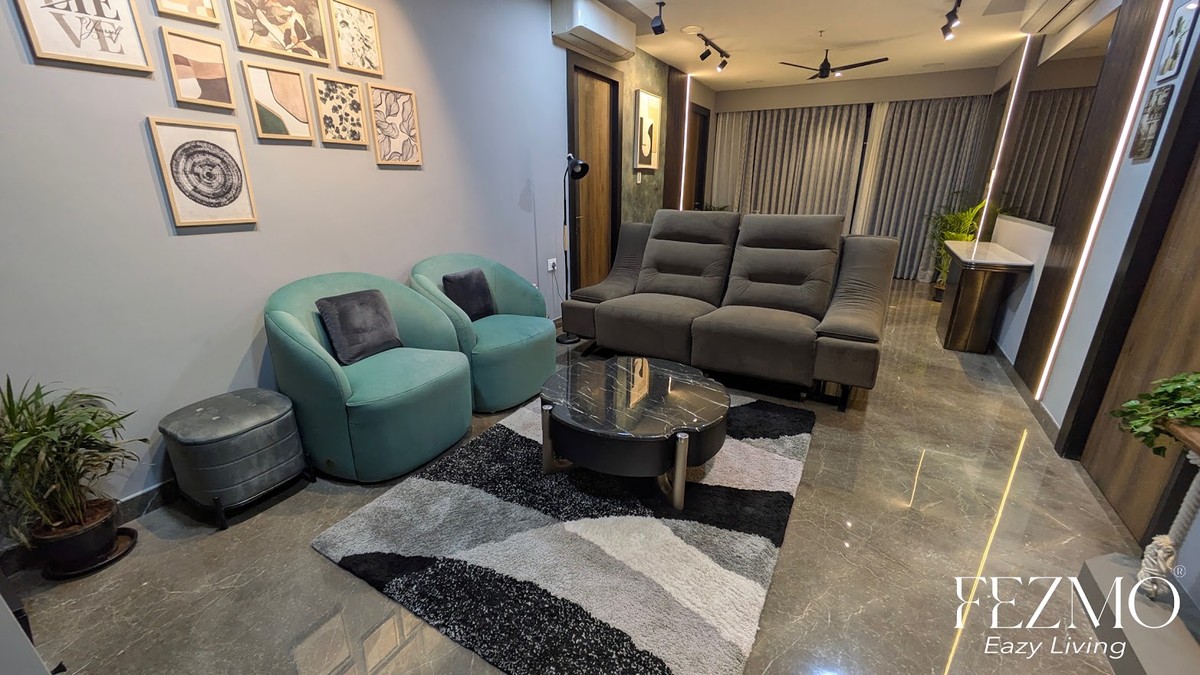
A myth persists that comfort and style pull in opposite directions, that a home must sacrifice one for the other. In practice, the most admired homes achieve both, because comfort is part of what makes beauty feel welcoming rather than intimidating. A sofa that looks superb but is unpleasant to sit on has failed at its main job. Choosing pieces that are pleasant to live with, not only pleasant to look at, is the quiet secret of homes people never want to leave.
The Emotional Life of a Room
Every well-loved home has rooms that carry feeling as much as function. The chair a parent always reads in, the table where a family gathers, the corner that catches the evening light. These associations are not designed on a mood board. They form through use, and the furniture that supports them quietly becomes irreplaceable. Choosing pieces with the expectation that they will hold memories, not just objects, changes how much care goes into the decision.
This is why the cheapest option is not always the most economical in human terms. A piece that families gather around for a decade earns its cost many times over in the life it hosts. A home, in this sense, is measured less by what it displays and more by what happens within it. Furniture is simply the stage on which that daily life unfolds.
Function Is the Foundation of Feeling
It is tempting to treat comfort and beauty as separate goals, but in a real home they reinforce each other. A dining table sized correctly for the family, a sofa positioned for conversation rather than only for symmetry, storage that keeps daily clutter at bay. All of these make a space easier to live in and ease is what allows warmth to grow. A home that works well is a home that feels good, and function is the unglamorous foundation beneath that feeling.
Letting a Home Evolve With You
Families change. Children arrive and grow, work patterns shift, and tastes mature. A home that cannot adapt to these changes eventually feels like a costume that no longer fits. The most lasting homes are those flexible enough to evolve, where pieces are chosen with some thought for the future rather than only the present. Allowing a home to grow alongside its people is part of what keeps it feeling right year after year.
Turning a House Into a Home
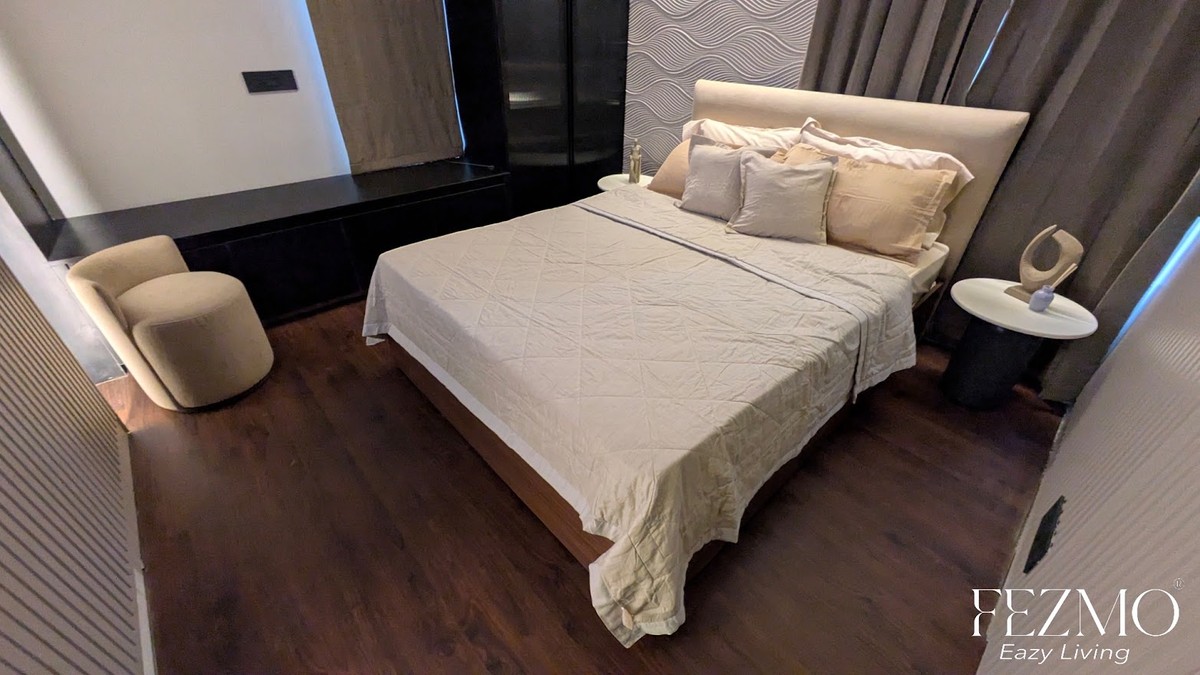
The shift from decorating to creating is a shift in questions: from how will this look to how will this be lived with. Furniture chosen for real life, personality that reflects its owners, and layers that build over time are what make the difference. If you would like guidance on choosing pieces that suit your routines and your taste rather than a passing trend, get in touch with the Fezmo team to plan a home that feels like yours from the first day.
Frequently Asked Questions
What is the main difference between decorating and creating a home?
Decorating focuses on how a space looks, while creating a home focuses on how it is lived in. The first is about surfaces and style, the second about fit between the space and the daily lives inside it.
Should I furnish my whole home at once?
Not necessarily. Homes assembled gradually, with each piece chosen intentionally, often feel more personal and coherent than a space bought all at once to match a single scheme. Layering over time is a strength, not a delay.
Can a home be both stylish and comfortable?
Yes. The most admired homes achieve both. Comfort makes beauty feel welcoming rather than intimidating, and a piece that looks striking but is unpleasant to use has failed at its real purpose.
How do I make my home feel more personal?
Choose pieces for how you actually live and for what genuinely appeals to you, rather than copying a trend wholesale. Personal, considered choices, layered over time, are what make a space unmistakably yours.