Table of Contents
1. Introduction
2. Why Showroom Beauty Does Not Always Translate to Home Comfort
3. What Luxury Furniture Really Means for Chennai Homes
4. The Importance of Materials in Chennai's Climate
5. Comfort, Proportion and Everyday Usability
6. Why Customisation Can Matter More Than Decoration
7. How to Judge Furniture Beyond Its First Impression
8. Building a Luxury Interior That Still Feels Like Home
9. Frequently Asked Questions
Introduction
The idea of luxury furniture is changing. A decade ago, luxury was often judged by price tags, glossy finishes, and how impressive a piece looked under showroom lighting. Today, more homeowners ask a different question: does this furniture actually work in my home? The growing interest in luxury furniture stores in Chennai reflects this shift, with homeowners increasingly looking beyond appearance toward comfort, durability, and everyday practicality. Chennai's warm, humid climate adds another layer to this decision, since materials, upholstery, and maintenance behave differently here than in a cooler, drier city. The distinction between visual luxury and practical luxury is not always obvious in a showroom, but it becomes clear within the first few weeks of daily use. This article looks at what genuinely makes furniture luxurious for a Chennai home: a combination of aesthetics, comfort, durability, functionality, and suitability, rather than price or first impression alone.
Why Showroom Beauty Does Not Always Translate to Home Comfort
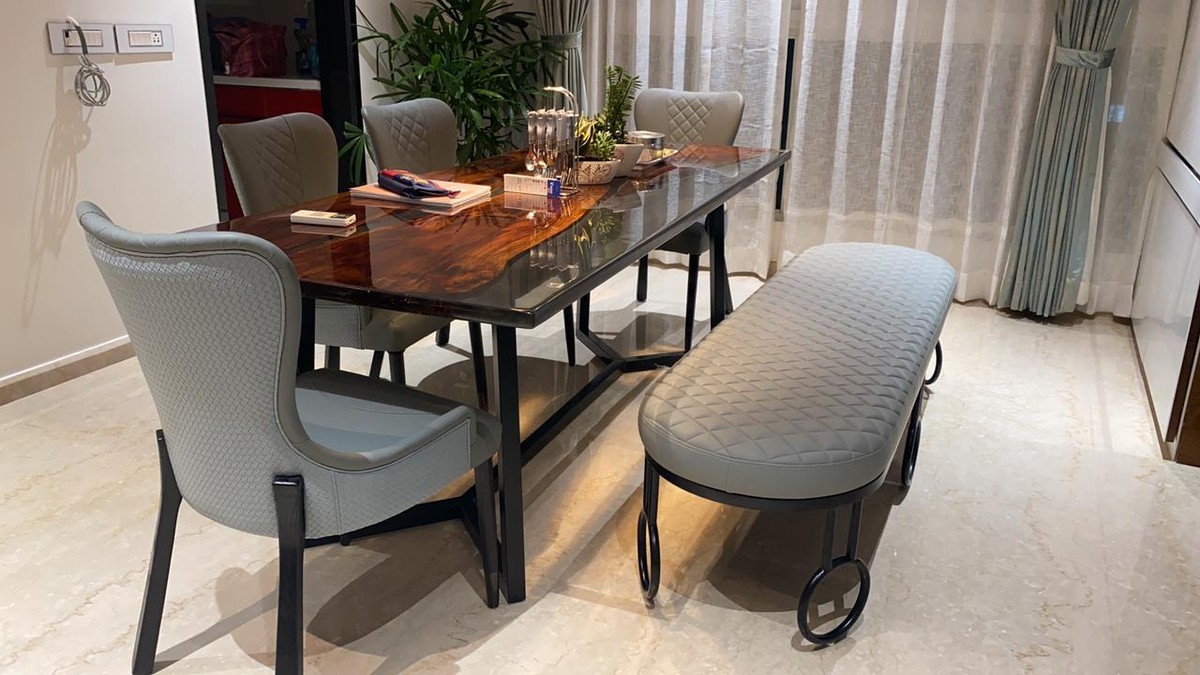
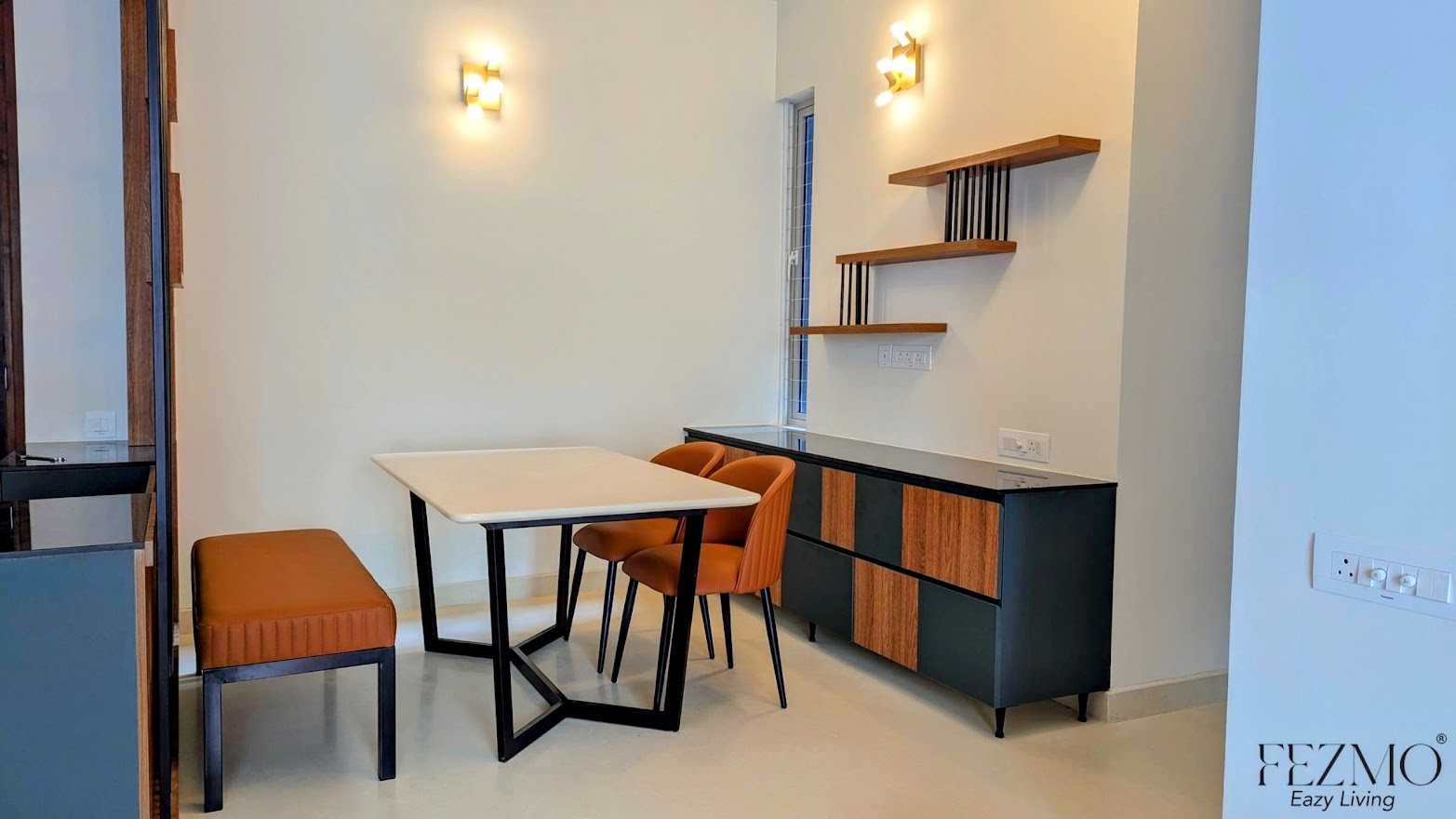
Furniture showrooms are designed to sell an impression. Bright, layered lighting, tall ceilings, and generous floor space all work together to make each piece look more refined than it might in an ordinary living room. A sofa that looks perfectly proportioned under showroom spotlights can appear noticeably larger once placed against a smaller wall at home. This difference is largely influenced by the showroom environment, which can flatter furniture temporarily without revealing how it will perform in daily life.
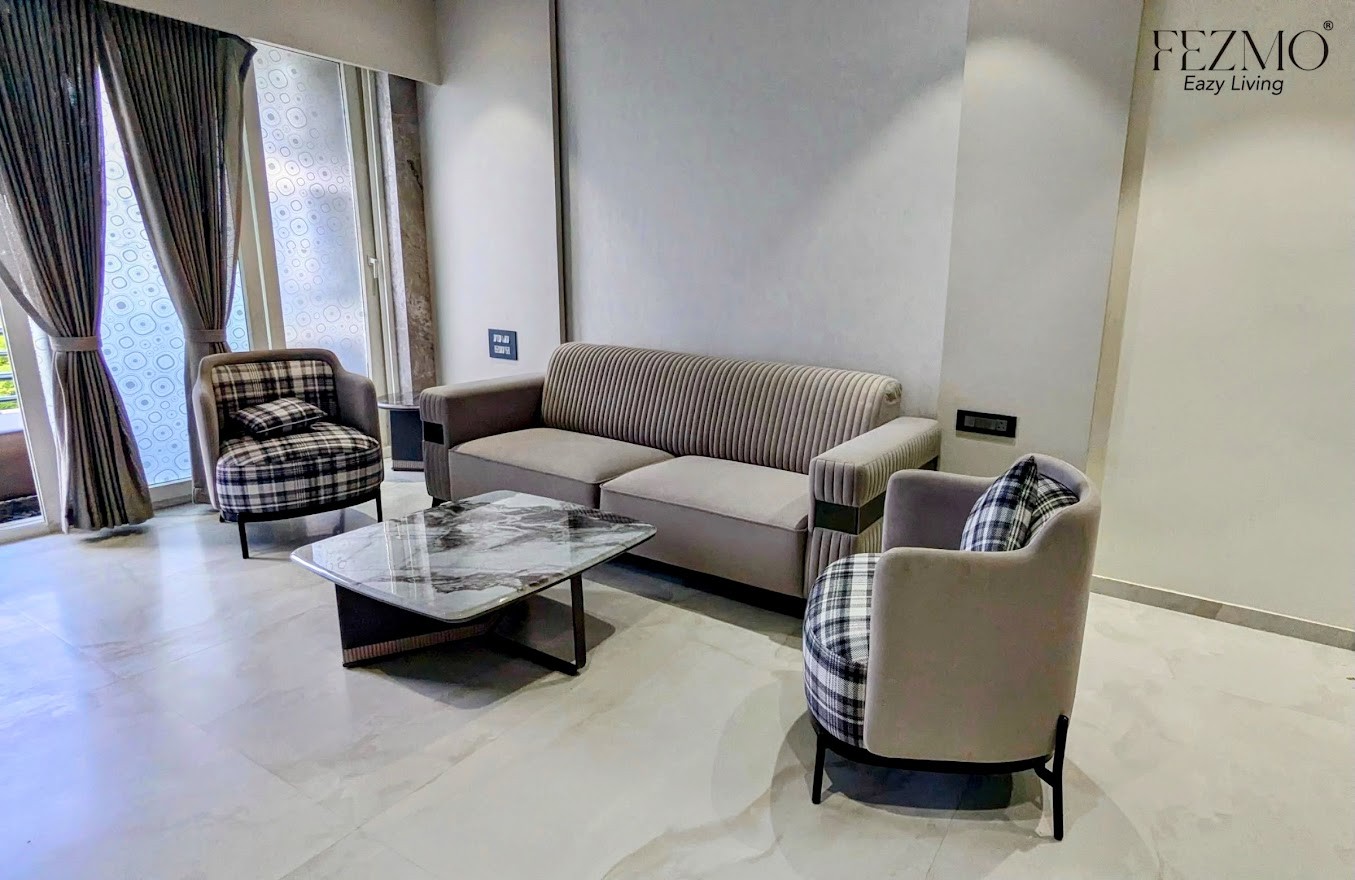
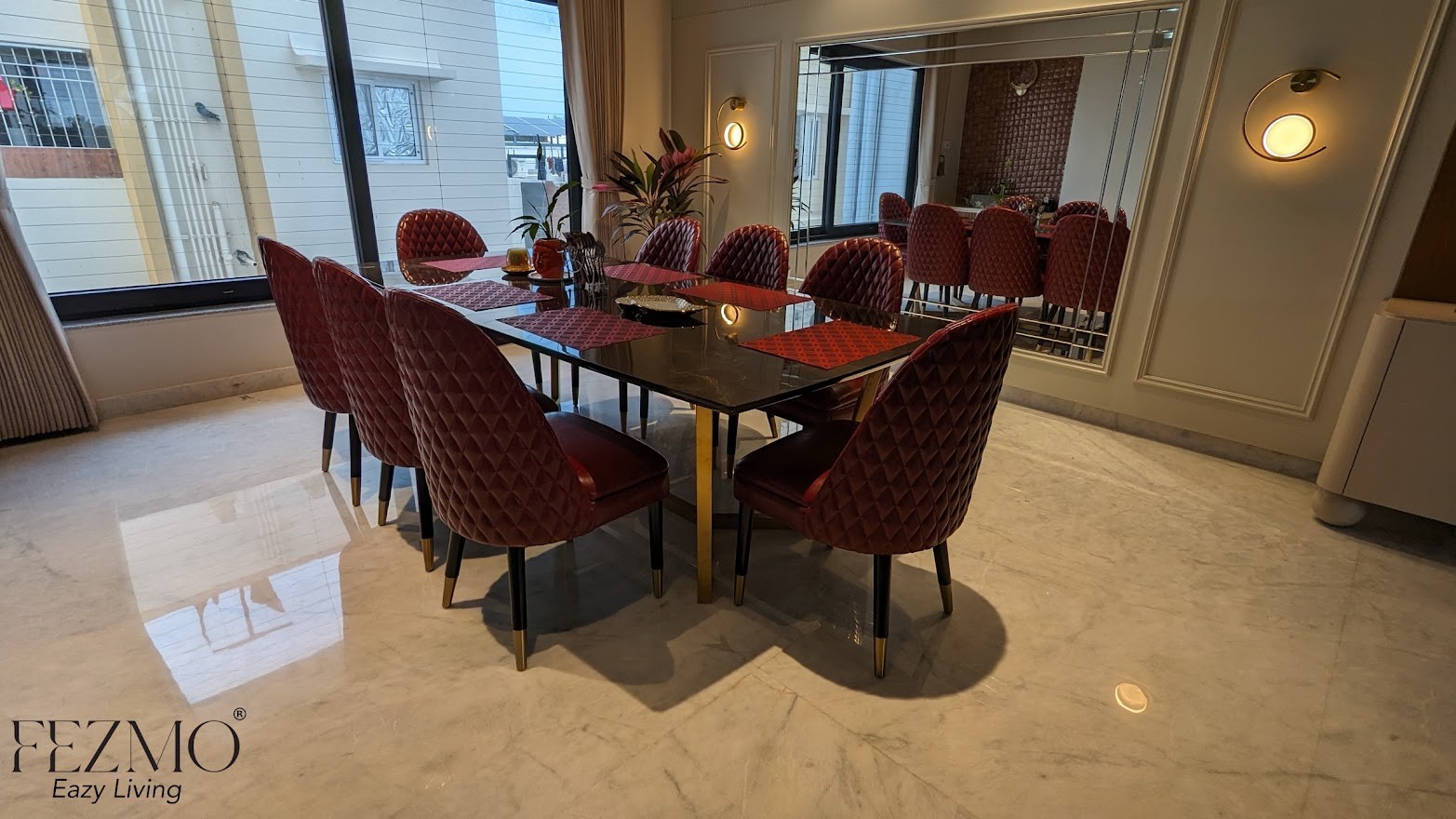
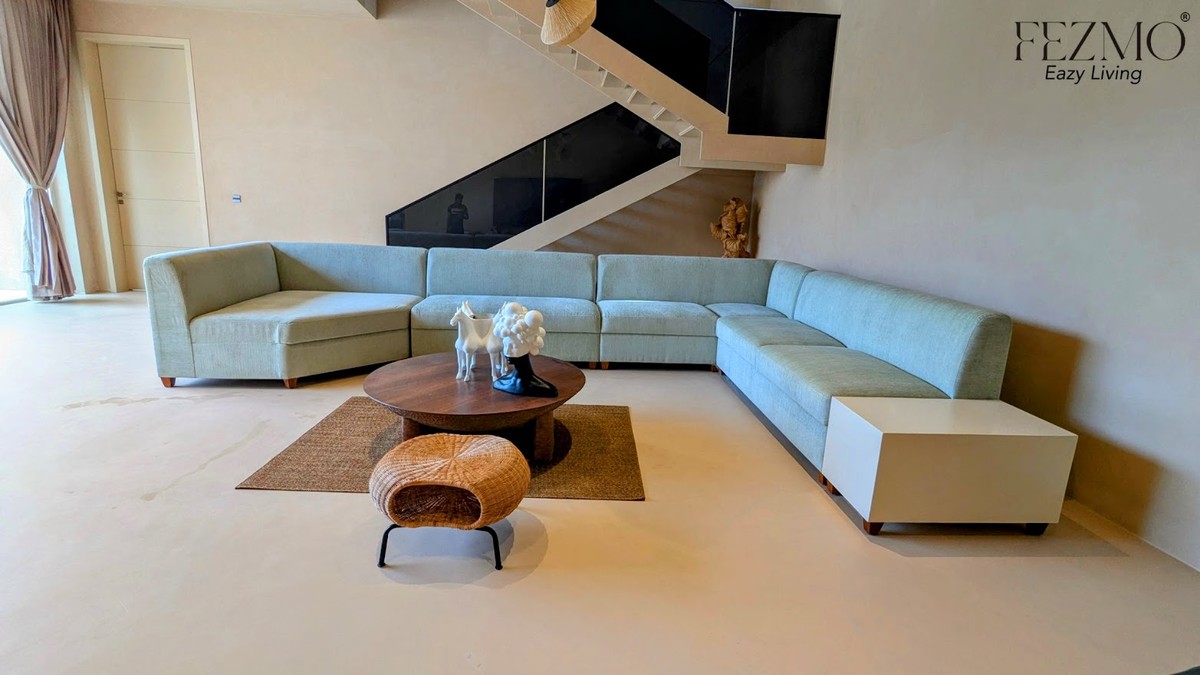
The difference between visual appeal and everyday usability often surfaces only after delivery. A dining table that looked elegant in an open showroom hall may leave little walking space in an apartment dining area. An oversized sectional sofa may dominate a compact living room, restricting movement and making the space feel cramped. Cushions that felt firm during a two-minute showroom sit can feel very different after an hour of actual use.
None of this means showroom furniture is poor quality. It simply means a short visual impression, however striking, is not sufficient to judge long-term comfort. Homeowners benefit from measuring their own space and testing furniture for longer than a passing moment before deciding.
What Luxury Furniture Really Means for Chennai Homes
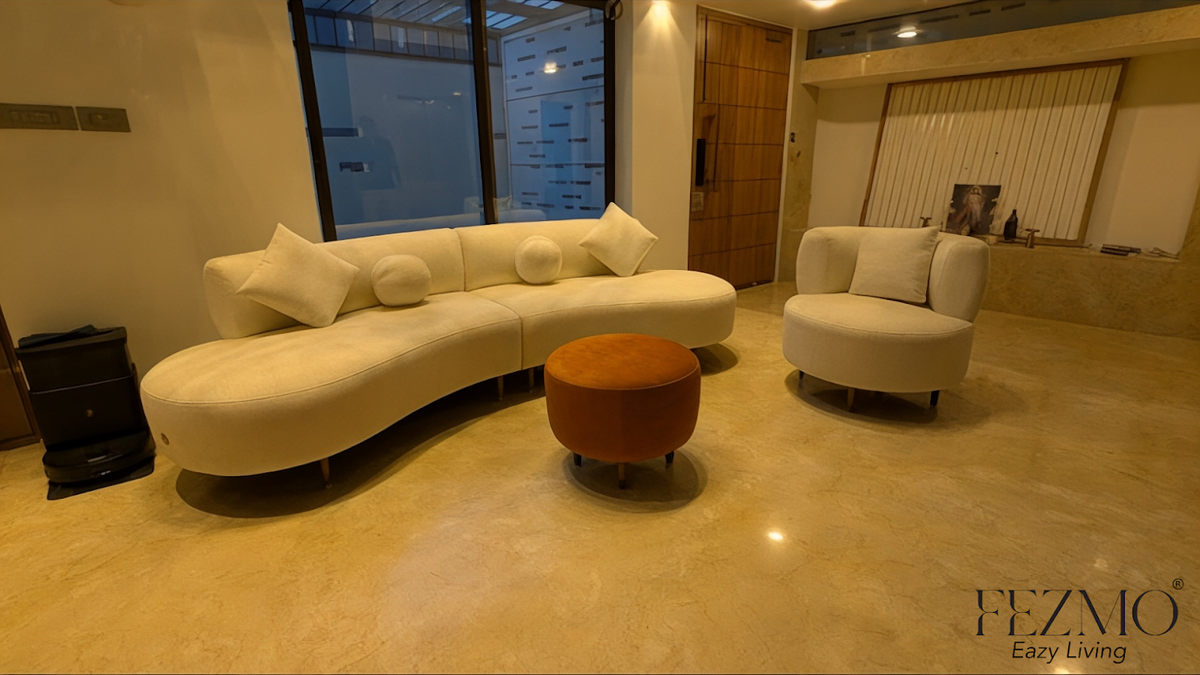
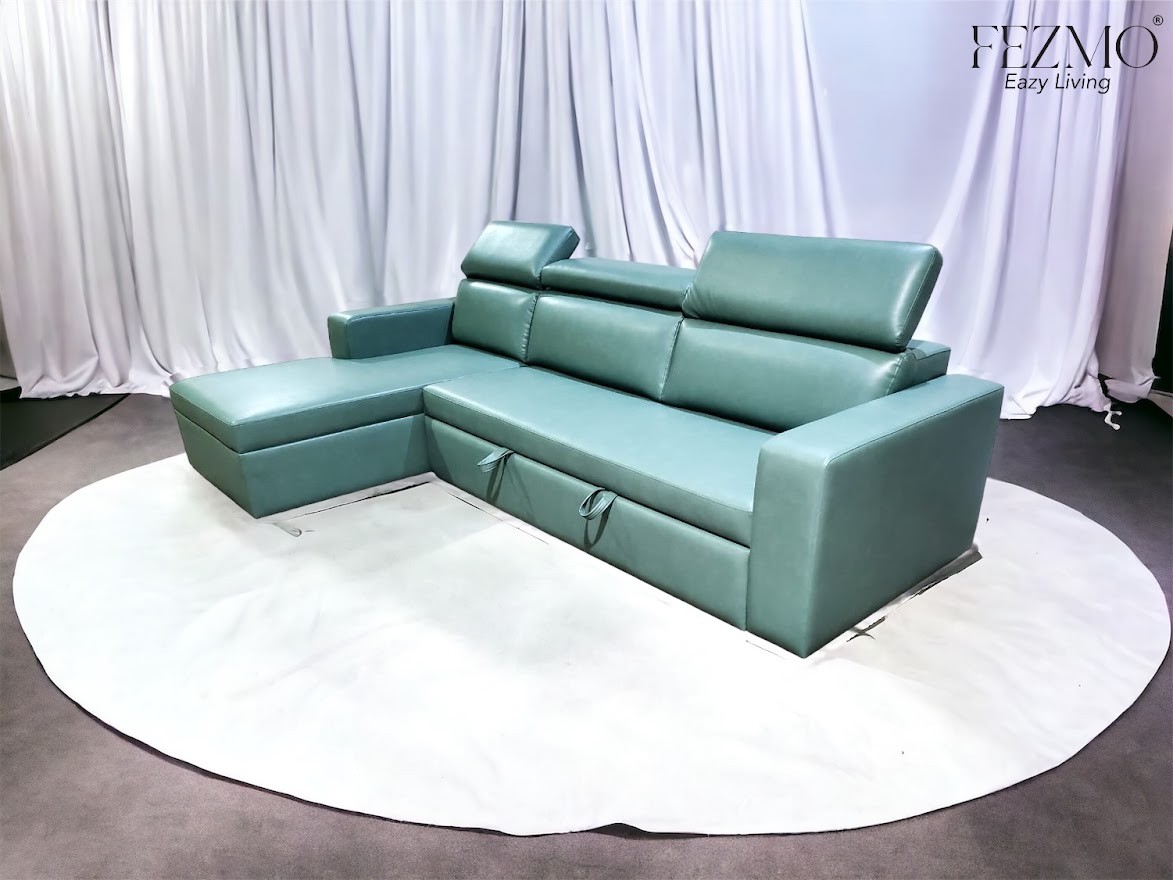
Luxury furniture is often equated with a high price, but price alone does not determine whether a piece is genuinely luxurious. Material quality, craftsmanship, design integrity, functionality, longevity, comfort, proportion, finish, and the ability to personalise a piece all contribute more meaningfully to what luxury actually delivers. An expensive item with poor joinery or unsuitable upholstery is not automatically superior to a moderately priced piece built with sound construction and appropriate materials.
For Chennai homes specifically, lifestyle and environmental conditions play a real role in this equation. Many homes host frequent guests, extended family gatherings, or multigenerational living arrangements, placing different demands on furniture than a purely decorative purchase would need to satisfy. Apartment living, common across much of the city, also means scale and proportion matter as much as material and finish. Genuine luxury, in this context, is furniture that performs consistently well across these everyday demands while still looking considered.
The Importance of Materials in Chennai's Climate
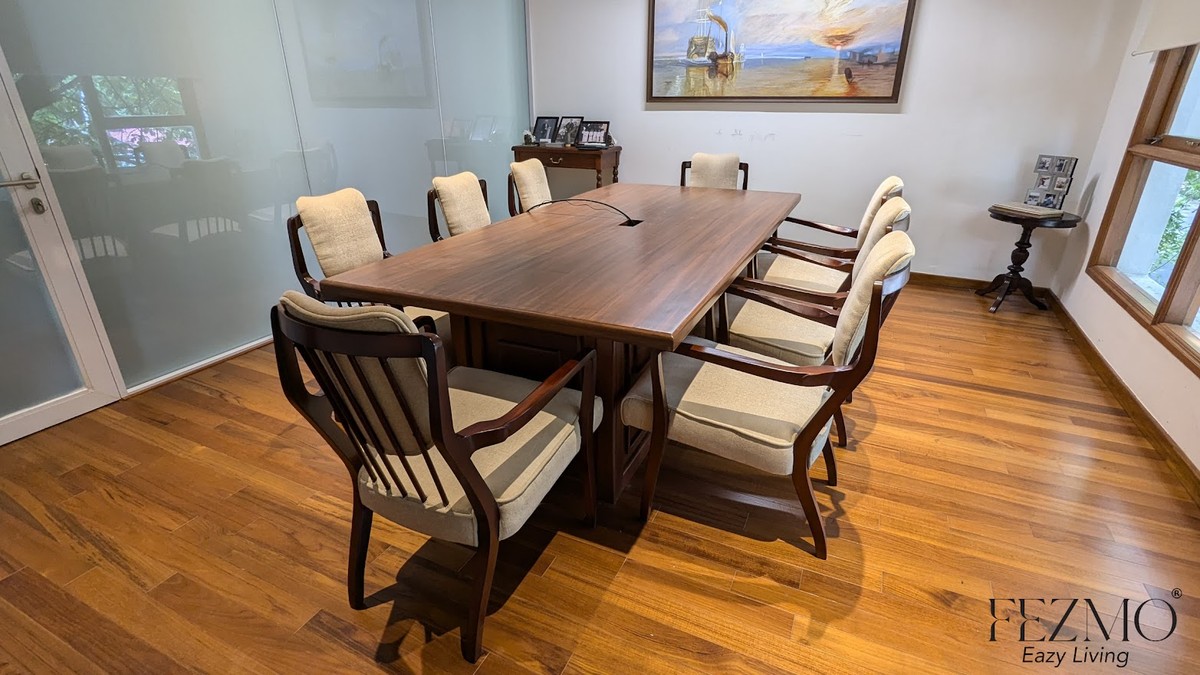
Chennai's climate, characterised by high humidity and a long, warm season, makes material choice a practical consideration rather than a purely aesthetic one. Upholstery fabrics that breathe well tend to feel more comfortable through warmer months, while dense, heavily padded fabrics can retain heat and moisture. Leather and other premium materials each carry distinct maintenance requirements, and neither is automatically the better choice for every household. Chennai's warm and humid conditions make ventilation, material selection, and furniture care practical considerations for homeowners. which is a useful general reference pointwhich is a useful general reference point when thinking about ventilation and material care rather than a rule that dictates a single correct material.
It is worth separating material quality from material suitability. A high-quality fabric or wood can still be a poor fit for a home if it does not suit that household's climate exposure, cleaning routine, or usage pattern. Solid wood furniture, for instance, can perform well in Chennai homes when properly finished and maintained, but finish quality and construction matter more than the wood species alone. Cleaning routines, ventilation, and sunlight or moisture exposure all influence how a material performs over time.
Comfort, Proportion and Everyday Usability
Comfort is shaped by measurable details easy to overlook during a brief showroom visit. Seat depth affects whether a sofa supports the back properly or leaves users perched at the edge. Armrest height influences whether a chair feels relaxed or awkward during longer use. Cushion firmness changes how furniture feels after extended sitting rather than a quick test. Back support, seating posture, and overall furniture depth all combine to determine whether a piece is genuinely comfortable or simply attractive.
Room dimensions, doorway width, and lift access are equally practical, particularly in Chennai's many apartment complexes, where oversized furniture can be difficult to manoeuvre into place at all. Walking space within a room affects daily movement, while seating capacity should reflect how the room is actually used, whether for family conversations, watching television, hosting guests, occasional work, or simply relaxing at day's end. A living room used mainly for casual family time has different requirements from one regularly used to host visitors, and furniture chosen with this distinction in mind tends to feel right long after purchase.
Why Customisation Can Matter More Than Decoration
Customisation is often treated as a purely decorative upgrade, but its real value lies in solving practical problems that standard furniture cannot always address. Unusually shaped rooms, specific dimensional constraints, or particular storage and seating requirements are all situations where a customised approach can offer genuine functional benefit. A sofa built to fit an irregular alcove, or a storage unit designed around an unusual ceiling height, solves a layout problem that off-the-shelf furniture may not.
This does not mean customised furniture is inherently superior to ready-made pieces. Many homes are well served by standard furniture that already fits their proportions and needs. Customisation becomes useful when room dimensions, circulation patterns, upholstery preferences, or configuration requirements are specific enough that a standard piece would compromise comfort or function. Viewed this way, customisation is a practical tool rather than a marker of prestige.
How to Judge Furniture Beyond Its First Impression
A useful evaluation framework looks past finish and colour toward the elements that determine how furniture performs over years of use. Frame construction and joinery quality largely determine structural stability, while finishing details indicate the level of care taken during manufacturing. Cushion support and upholstery stitching affect both comfort and how gracefully a piece ages. Hardware quality, including hinges, runners, and fittings, often reveals more about durability than the visible surface does.
Stability, maintenance requirements, warranty terms, and after-sales support are equally important, since they determine how manageable ownership will be over time. A useful question to ask before any purchase is whether the piece would still feel right after several years of everyday use.
Building a Luxury Interior That Still Feels Like Home
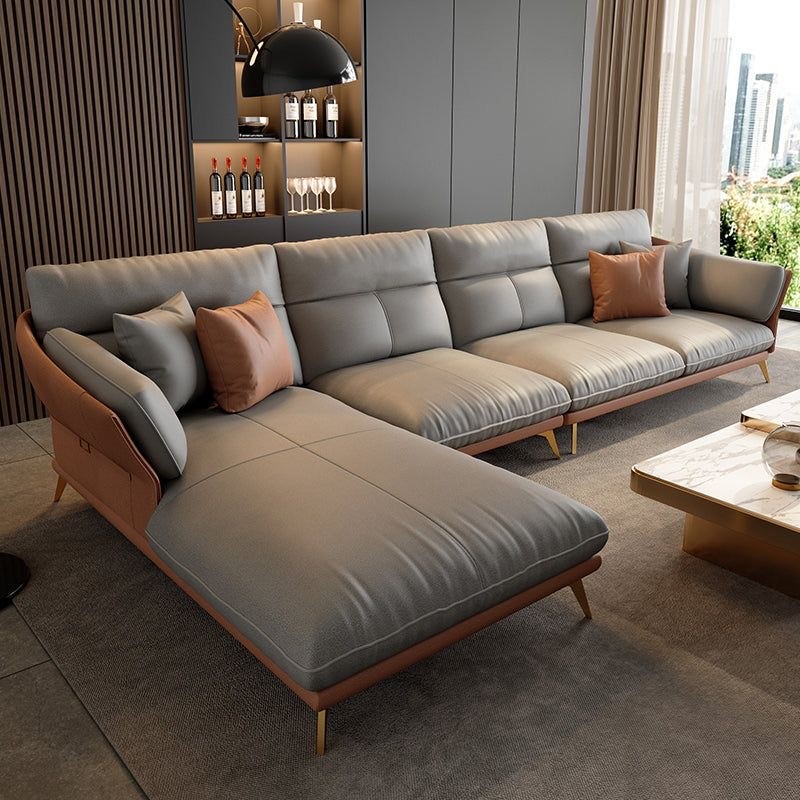
A home does not need to resemble a staged showroom to feel luxurious. Overfilling a room with statement pieces often reduces rather than enhances its sense of quality, since visual breathing space allows individual furniture pieces to be appreciated rather than competing for attention. Combining different textures, avoiding excessive matching, and allowing some variation between pieces tends to create interiors that feel considered rather than assembled from a single catalogue page.
Furniture choices that reflect a household's actual personality and routines, rather than a generic display arrangement, tend to hold their appeal far longer. When comparing luxury furniture in Chennai, it helps to look beyond the first visual impression and consider how each piece will function within daily life. Long-term satisfaction, rather than short-term visual impact, ultimately separates furniture that still feels like a good decision years later from furniture that only impressed on the day it was purchased.
Exploringpremium furniture collections can be a useful starting point for homeowners comparing options, provided the comparison goes beyond appearance alone. The strongest luxury furniture rarely draws the most attention on day one. It is the piece that continues to feel right long after the novelty of a purchase has faded, quietly supporting daily life rather than simply decorating it.
Homeowners who want to explore furniture options in person can also contact Fezmo Furniture to discuss materials, proportions, and configuration before making a decision.
Frequently Asked Questions
What makes luxury furniture suitable for Chennai homes?
Furniture suited to Chennai homes combines sound construction, breathable and climate-appropriate materials, comfortable proportions, and finishes that hold up to warm, humid conditions, rather than relying on price or appearance alone.
Is expensive furniture always considered luxury furniture?
No. Price reflects materials and craftsmanship to some extent, but genuine luxury depends on construction quality, comfort, durability, and how well a piece suits the home it is placed in, not the price tag alone.
Should Chennai homeowners prioritise appearance or comfort when choosing luxury furniture?
Both matter, but comfort and construction quality determine how satisfying furniture feels over years of daily use, while appearance alone only influences the first impression.