Table of Contents
1. What Customization Actually Means in Furniture
2. Why Standard Furniture Does Not Suit Every Home
3. Check Size and Proportion Options
4. Understand Material and Finish Choices
5. Ask About Fabric and Upholstery Customization
6. Evaluate Quality Beyond the Showroom Display
7. Consider Your Lifestyle Before Customizing
8. Questions to Ask Before Choosing a Showroom
9. FAQ
Introduction
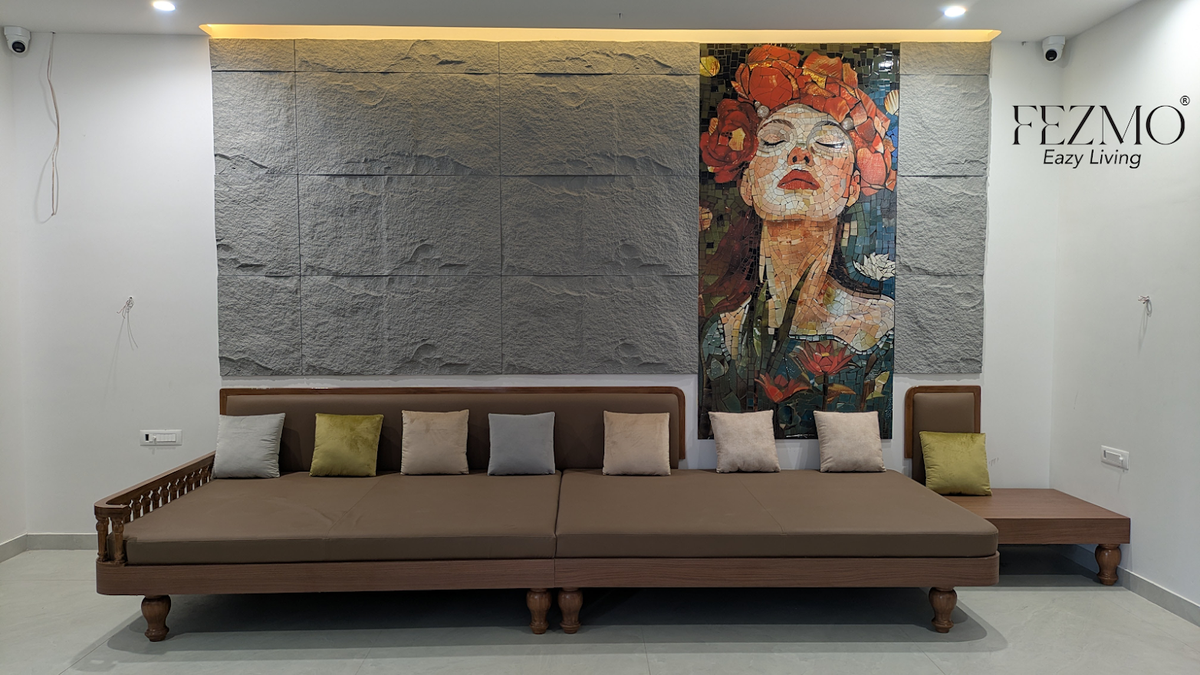
Homes vary in layout, room size and everyday needs, yet most furniture on display in a showroom is built to standard dimensions. For buyers whose rooms or requirements fall outside that standard, customization becomes genuinely useful rather than a luxury add-on. Finding the right furniture showroom in Chennai for this purpose means understanding what customization actually involves before walking in, so you know which questions to ask and which options are worth paying for. This guide works through that process step by step.
1. What Customization Actually Means in Furniture
Customization can mean several different things depending on the showroom and the piece involved. At the simpler end, it might mean choosing between a few preset dimensions, fabric colours or finish options. At the more involved end, it means genuinely made-to-order furniture, built to specific measurements with configuration, storage and material choices decided by the buyer.
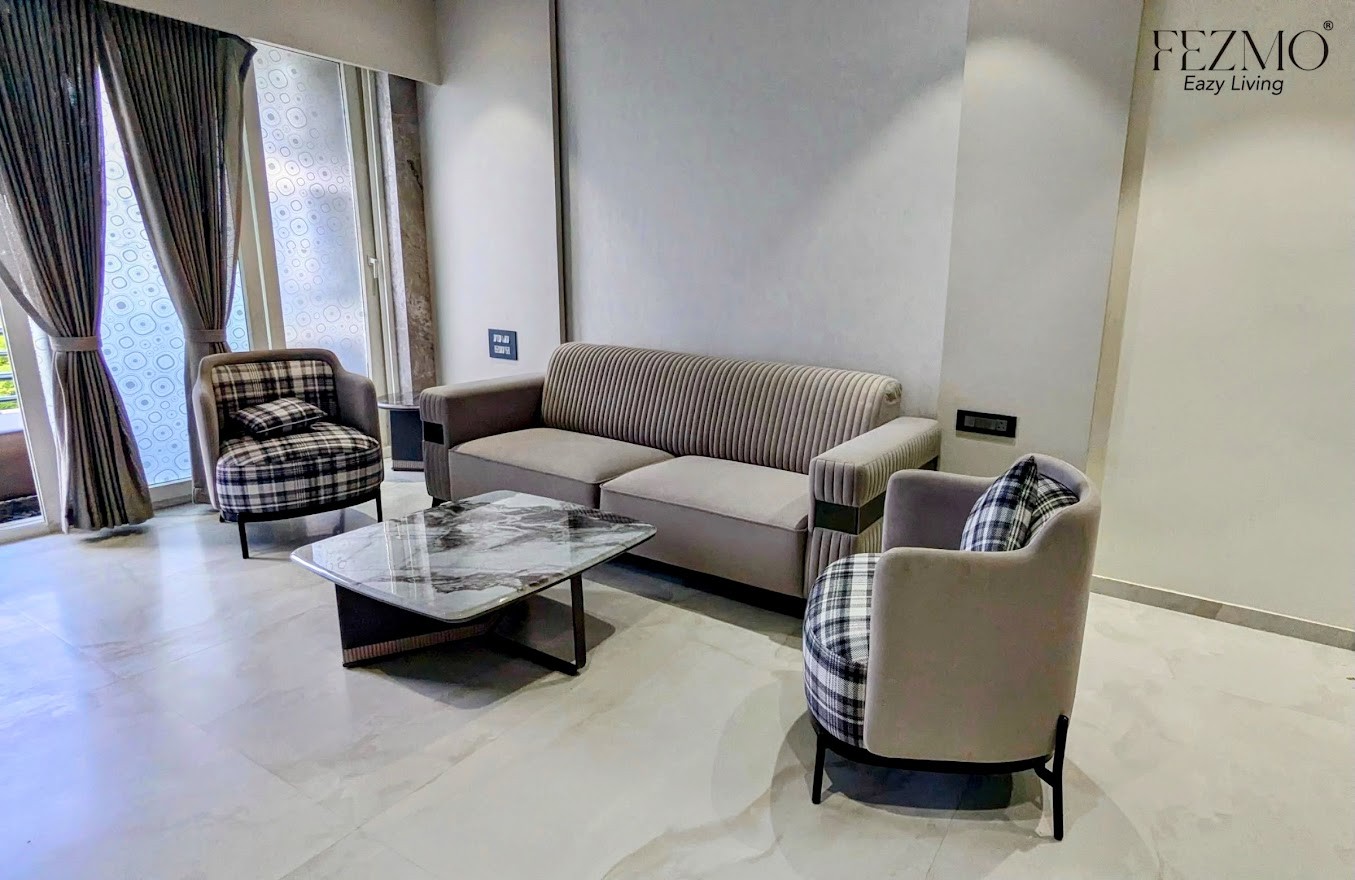
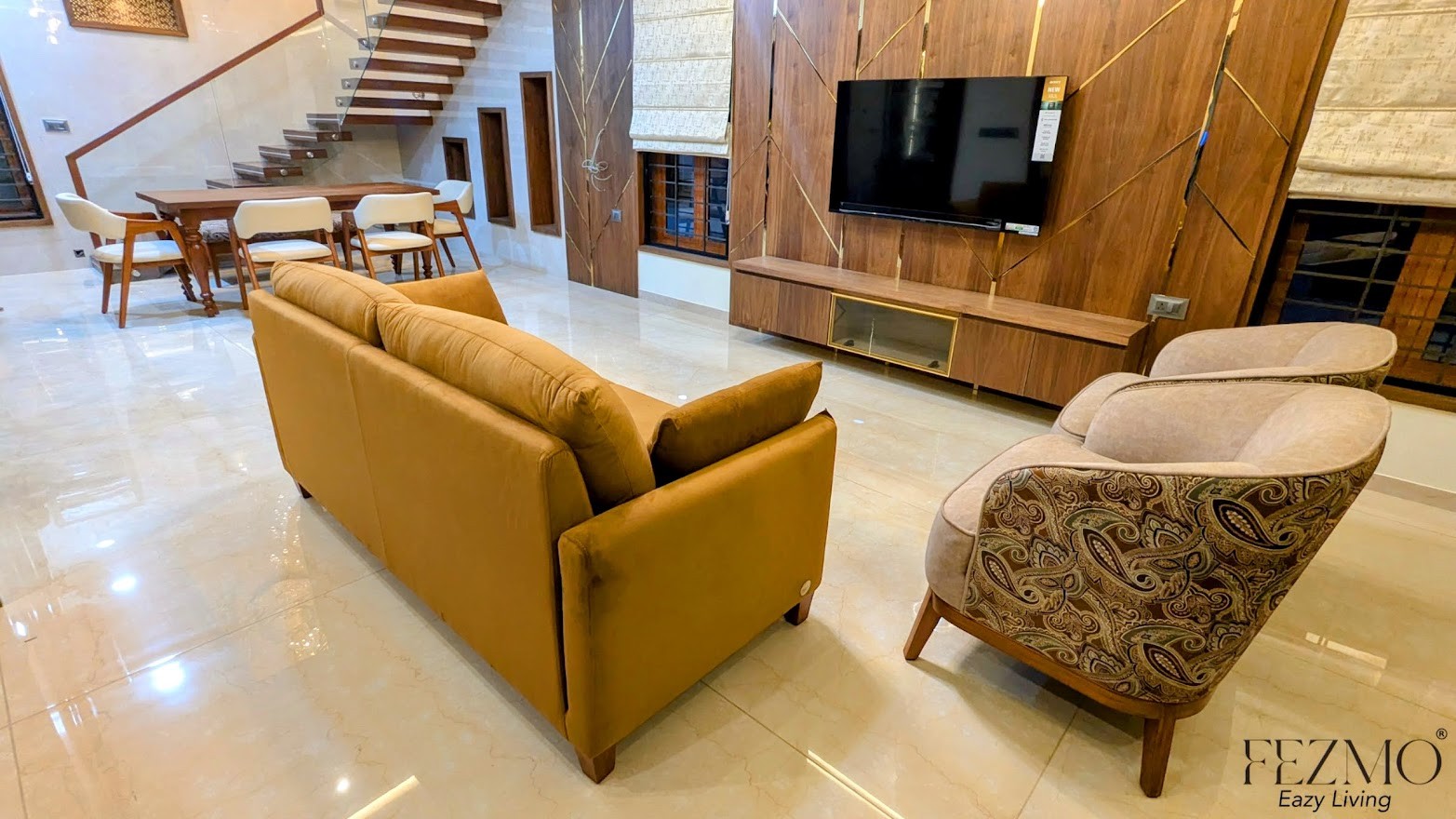
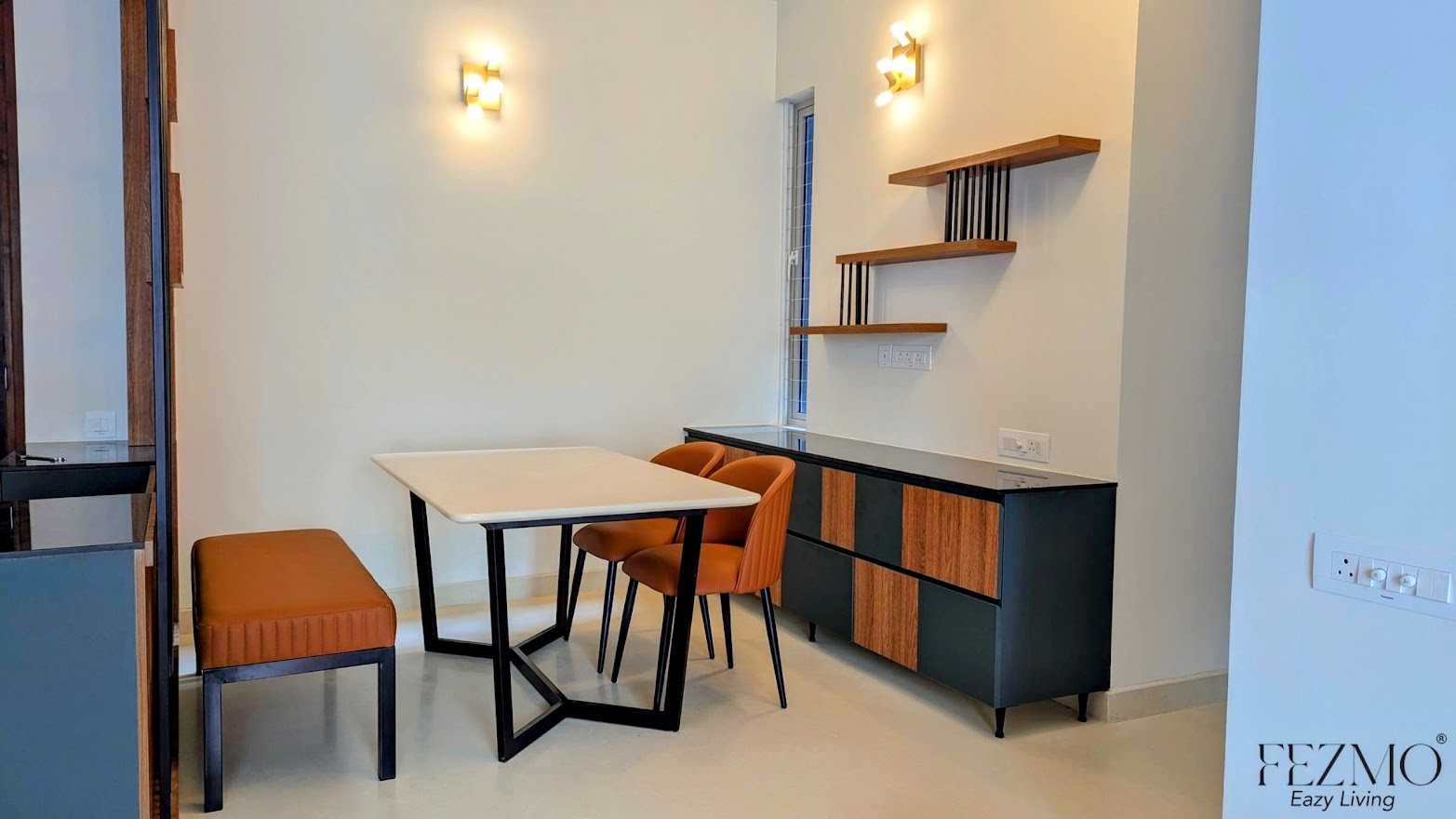
Common customizable elements include overall dimensions, seating or storage configuration, fabric, colour and finish. It helps to ask early whether a showroom offers minor variations within a fixed range or true made-to-order production, since the two involve very different timelines, costs and design flexibility. A showroom offering home decor furniture in Chennai for varied layouts should be able to explain this distinction clearly rather than treating every request as the same process.
2. Why Standard Furniture Does Not Suit Every Home
Standard furniture is designed around average room sizes and common layouts, which works well for many homes but not all of them. Unusually shaped or narrow rooms often cannot accommodate standard dimensions without wasting space or restricting movement.
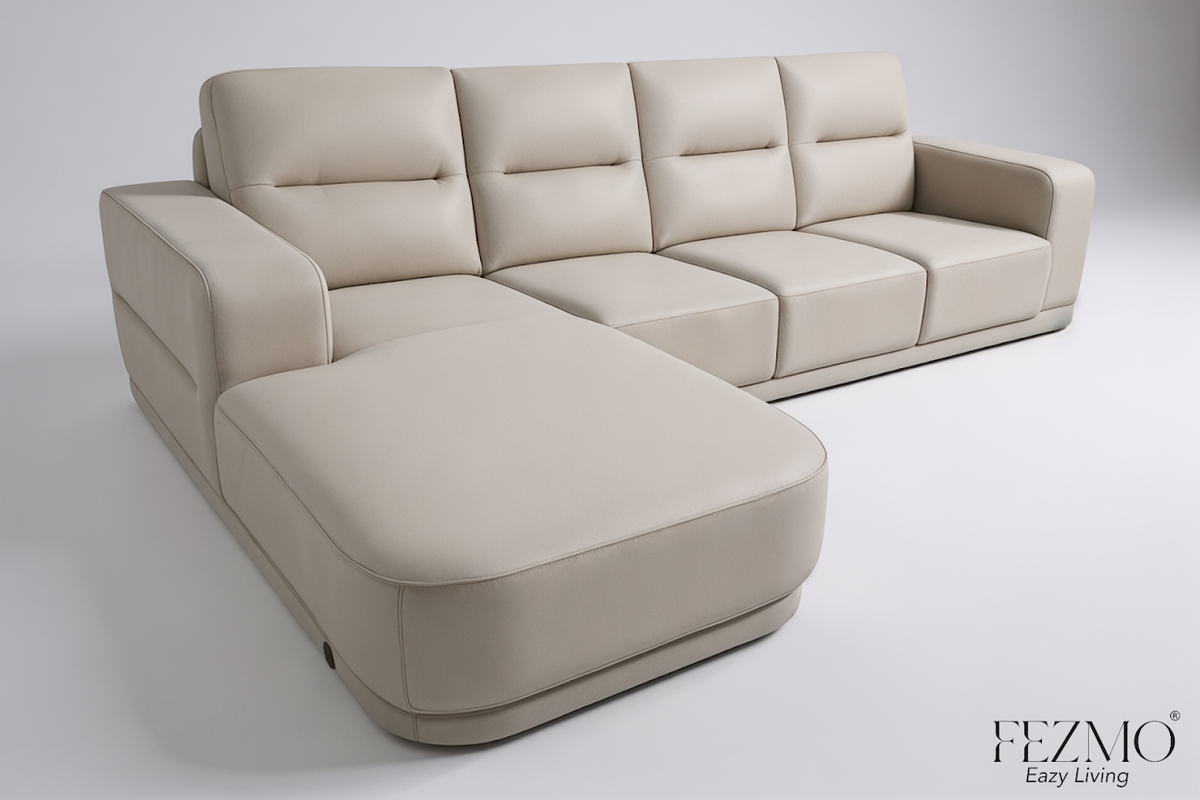
Large open-plan rooms present the opposite problem, where standard-sized furniture can look sparse or disproportionately small. Specific storage requirements, such as fitting a wardrobe around a sloped ceiling or an odd alcove, also often call for custom dimensions rather than off-the-shelf options.
Existing interior design can be a factor too. A household with a particular colour scheme or material palette may find that customization is the only way to keep new furniture visually consistent with what is already in place, rather than introducing a piece that clashes with the rest of the room.
In these situations, customization functions as a practical solution to a real constraint rather than simply a personal preference. It is worth approaching a showroom with this distinction in mind, since explaining the underlying problem, whether it is an odd-shaped alcove or a mismatched colour scheme, usually leads to more useful recommendations than asking generically for something different from what is on display.
3. Check Size and Proportion Options
Once customization is on the table, size and proportion are usually the first things to confirm. Sofa width and depth matter significantly in smaller living rooms, where even a few extra inches can affect walking clearance. Dining-table dimensions should account for both the number of people the household regularly seats and the space needed to pull chairs out comfortably.
Bed sizes are another area where customization is often useful, particularly in bedrooms with irregular dimensions or built-in wardrobes that reduce available floor space. Storage dimensions, such as cabinet depth or shelf height, should be checked against the specific items they are meant to hold.
Bringing accurate room measurements or a floor plan to the showroom makes this entire process considerably more reliable. Without them, even a well-customized piece may not fit as expected once it reaches the home.
4. Understand Material and Finish Choices
Material choice affects how furniture looks, how long it lasts and how much upkeep it needs, so it is worth understanding the options rather than choosing on appearance alone. Solid wood is generally valued for durability and can often be refinished over time, though it may respond to humidity and temperature changes.
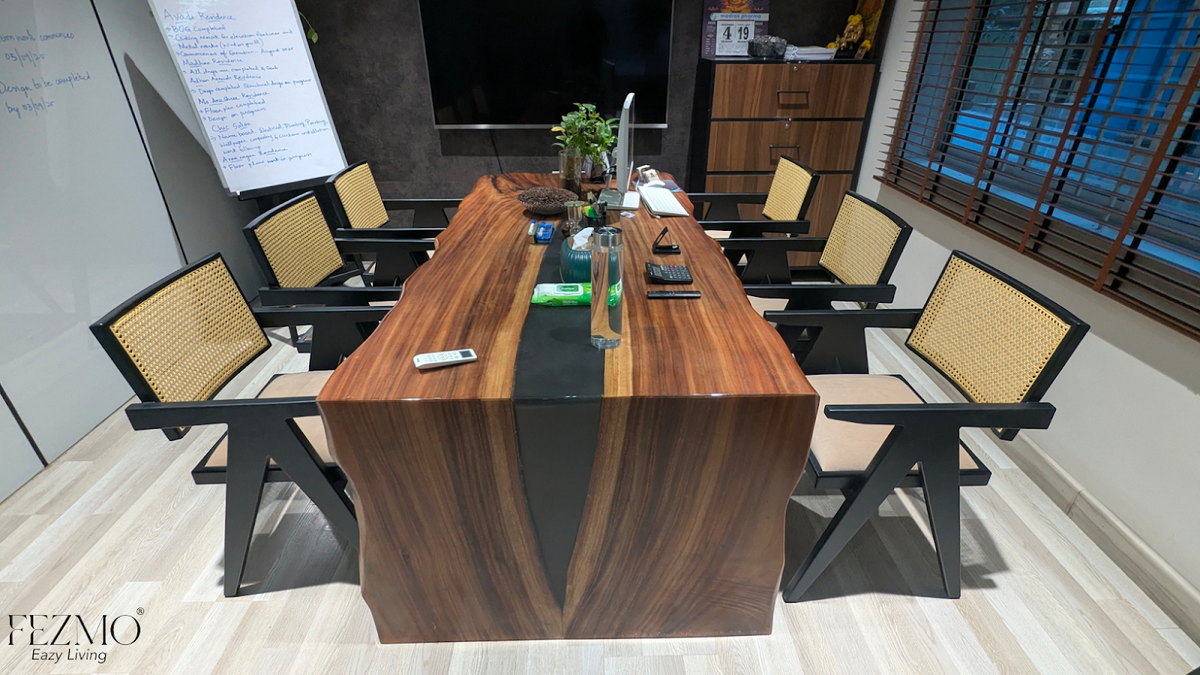
Engineered wood offers a more budget-friendly and often more dimensionally stable alternative, though quality varies considerably between manufacturers. Veneers combine a real wood surface over an engineered core, balancing appearance and cost. Metal frames or accents can add durability and a distinct visual style, while glass elements are often used for a lighter, more open look in compact rooms.
No single material is universally superior. The right choice depends on the room's usage, the household's maintenance preferences and the overall look being targeted. A showroom that explains these trade-offs honestly, rather than pushing one material as the obvious best option, is generally more trustworthy.
5. Ask About Fabric and Upholstery Customization
Upholstery decisions deserve as much attention as structural ones, since fabric affects both comfort and long-term durability. Fabric type influences texture, breathability and how the piece feels in daily use, while colour affects how well it fits within the existing room.
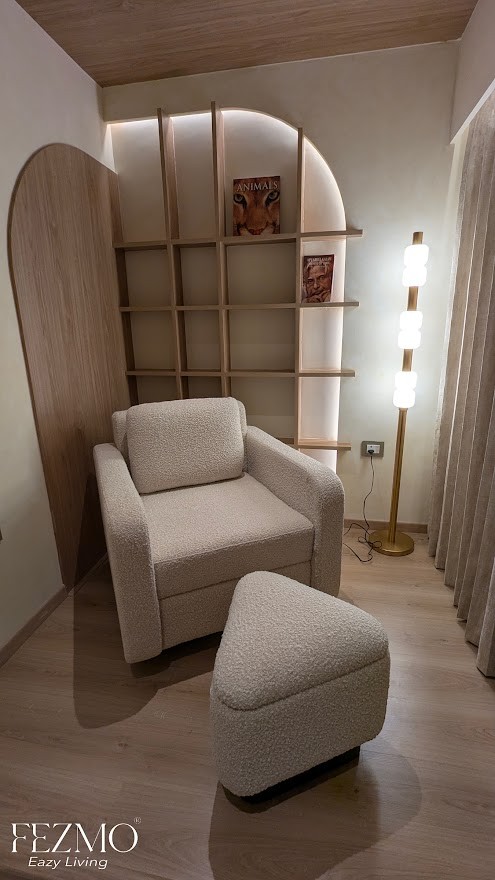
Cleaning requirements vary widely between fabric types, and this is worth asking about directly, particularly for households with children, pets or frequent guests. A fabric that looks appealing in a showroom sample may prove impractical if it stains easily or requires specialised cleaning.
Everyday usage should guide upholstery choice more than appearance alone. A rarely used formal sitting area can accommodate a more delicate fabric than a family living room used daily. Asking a showroom directly about maintenance and expected wear helps set realistic expectations before committing to a customized order. You can browse customized furniture Chennai buyers have used for reference before finalising fabric choices.
6. Evaluate Quality Beyond the Showroom Display
A showroom display often represents the best possible version of a piece, so it helps to look beyond the surface finish when evaluating quality. Frame construction is a good starting point, since a well-built frame affects how long furniture lasts under regular use.
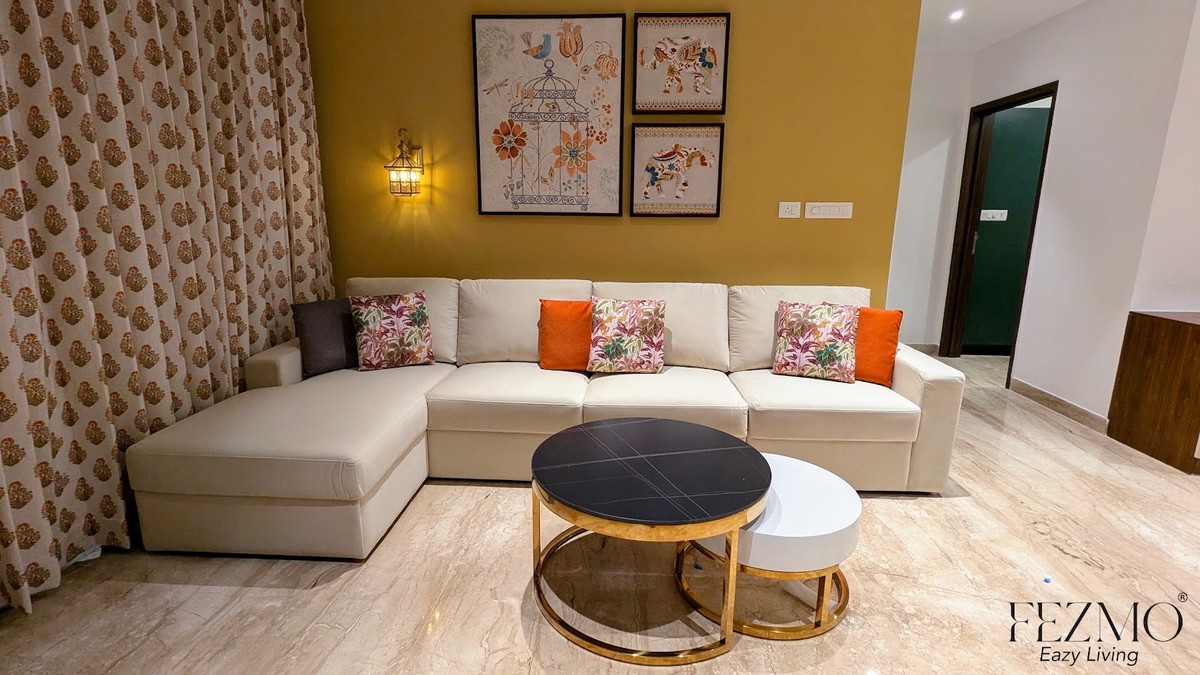
Joinery details, such as how corners and joints are assembled, are worth asking about directly if they are not visible. Stitching quality on upholstered pieces is often a reliable indicator of overall craftsmanship, as is how cushions are constructed and filled. Hardware, including hinges, drawer slides and handles, tends to reveal quality differences that are not obvious from a distance.
Surface finishing and material specifications should also be confirmed rather than assumed, particularly for customized orders where the final piece may differ from the showroom sample. Asking specific questions about these details is a reasonable and expected part of the buying process.
7. Consider Your Lifestyle Before Customizing
Customization should be guided by how a household actually lives, not just by design preference. Household size affects how much seating or storage is genuinely needed, while entertaining frequency influences whether a larger dining table or additional seating makes practical sense.
Homes with children or pets often benefit from more durable fabrics and finishes, even if that means compromising slightly on appearance. Storage habits matter too, since a household that accumulates belongings over time may need more customized storage than one that keeps possessions minimal.
Cleaning routines and frequency of furniture use should factor into decisions as well. A piece used daily needs to prioritize durability and ease of maintenance, while occasional-use furniture has more flexibility in fabric and finish choices. Customization works best when it solves a genuine functional need rather than adding features simply because they are available, and it is worth pausing to ask whether a particular customization actually changes how comfortably the furniture fits into daily life before agreeing to the added cost or lead time.
8. Questions to Ask Before Choosing a Showroom
A short, practical checklist can make showroom visits considerably more productive:
Can dimensions be customized beyond the standard range shown in-store?
What materials are available, and how do they differ in durability and maintenance?
What fabric options exist, and can samples be taken home before deciding?
Are finishes limited to preset options, or can specific requests be accommodated?
What happens if measurements need to change after the order is placed?
Will final specifications be confirmed in writing before production begins?
What is the expected production and delivery timeline for a customized order?
What after-sales support is available if adjustments or repairs are needed later?
Treating this as an independent checklist, rather than accepting the first answer given, helps buyers compare showrooms more fairly and avoid surprises later in the process. Working through a furniture buying guide Chennai shoppers commonly rely on before visiting in person can also make the comparison easier.
9. FAQ
What furniture can usually be customized?
Sofas, beds, wardrobes, dining tables and storage units are among the most commonly customized pieces, typically through changes to dimensions, configuration, material or fabric.
Is customized furniture always more expensive?
Not always. Minor customization, such as choosing between preset fabric or finish options, often costs little or nothing extra. Fully made-to-order pieces with non-standard dimensions or materials tend to cost more due to production complexity and time.
What should I take to a furniture showroom when looking for customization?
Accurate room measurements or a floor plan, photos of the space if possible, and a clear idea of storage or seating requirements. This makes it easier for the showroom to advise on realistic customization options.
If you are exploring customization for your home and want to discuss specific requirements, you can contact Fezmo to talk through the available options.