Table of Contents
1. Understanding Space Constraints in Chennai Apartments
2. Start With the Layout, Not the Furniture
3. Choose Furniture That Serves More Than One Purpose
4. Use Proportion to Make Small Rooms Feel Larger
5. Create Storage Without Making the Room Feel Heavy
6. Use Colour, Texture and Materials Strategically
7. Make the Most of Vertical and Unused Space
8. Common Furniture Mistakes in Compact Apartments
9. FAQ
Introduction
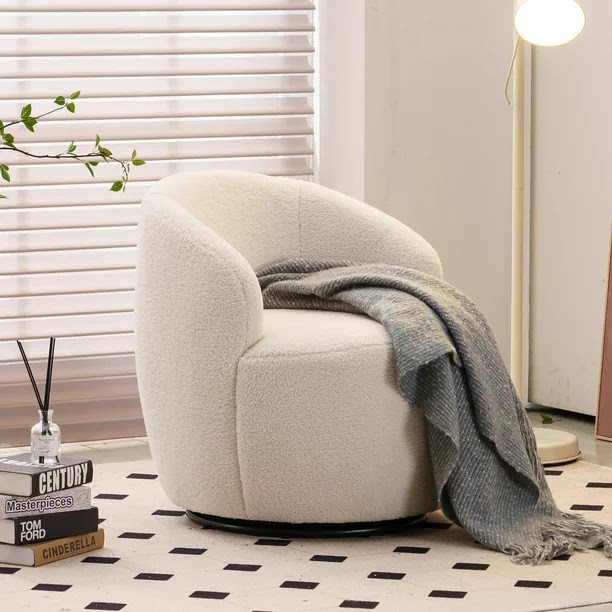
Furnishing a compact apartment in Chennai differs from furnishing an independent house. Living rooms are smaller, hallways narrower, and every extra piece of furniture has to justify its place. Many homeowners still choose furniture the way they would for a larger home, then wonder why the space feels cramped. Furnishing a compact apartment in Chennai is less about owning fewer things and more about choosing furniture that fits the space, supports everyday movement and complements the way the room is used. The right home decor furniture in Chennai should work with the apartment's layout rather than compete with it. The most effective approach starts with the room itself: its dimensions, circulation, storage needs, natural light and fixed features. From there, furniture can be selected for proportion, flexibility and everyday use.
1. Understanding Space Constraints in Chennai Apartments
Apartment living in Chennai involves physical limits that houses rarely share. Living rooms are often compact, sometimes doubling as a dining area or a walkway to the bedrooms. Corridors and entryways tend to be narrow, so furniture that looks fine in a showroom can quickly block movement once placed at home.
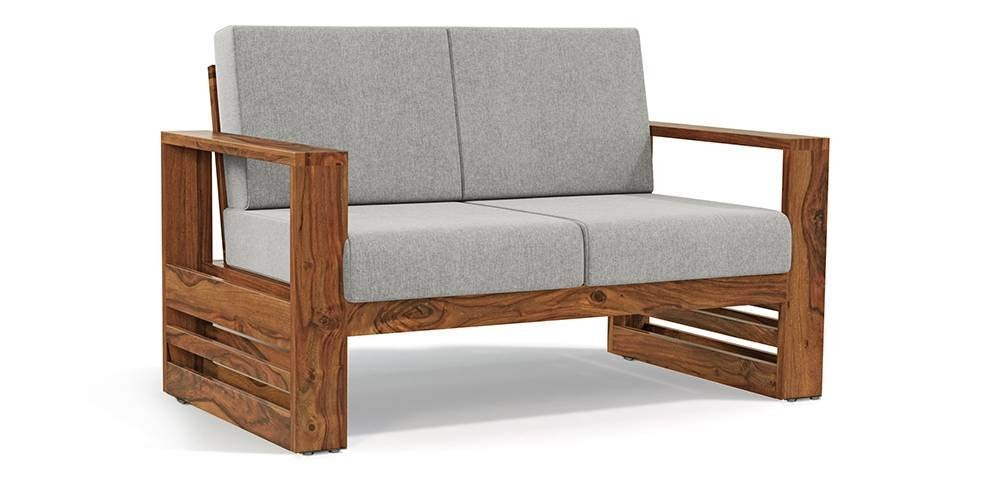
Storage is another recurring constraint. Built-in cupboards are usually limited to bedrooms, leaving common areas with little dedicated space for books, electronics or everyday items. Doors, windows, balconies and switchboards also compete for wall space that could otherwise hold furniture.
The most overlooked factor is usable space around furniture rather than the furniture itself. A sofa or cabinet might fit physically, but if there is no room to walk past it or pull out a drawer, it becomes a daily inconvenience rather than a functional addition.
2. Start With the Layout, Not the Furniture
The most common mistake in small apartments is choosing furniture before understanding the room. A better approach treats layout planning as the first step, not an afterthought.
Begin with accurate room dimensions, not estimates. Note the exact position of doors, windows and fixed elements, since these determine where furniture can realistically go. Electrical points matter too, particularly for placing a television, reading lamp or charging station without trailing wires across a walking path.
If a television is part of the room, decide its placement and viewing distance early, since this often dictates seating arrangement and sofa depth. Walking clearance deserves equal attention, leaving enough space for one person to pass comfortably between furniture pieces rather than squeezing seating against walkways.
Only after these decisions are settled does it make sense to think about specific pieces. Planning movement through the room before filling it prevents a space that looks fine on paper but feels congested in daily use.
3. Choose Furniture That Serves More Than One Purpose
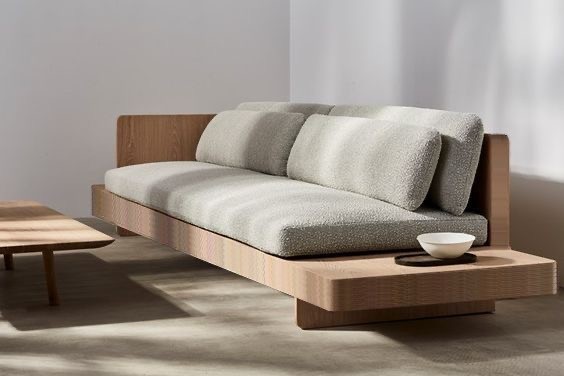
Multifunctional furniture is one of the most useful tools for small apartments, provided it is chosen for genuine need rather than novelty.
Storage ottomans suit living rooms lacking a separate space for blankets, doubling as extra seating for guests.
Sofa beds are useful in homes that occasionally need a guest room, though they add bulk if the sleeping function is rarely used.
Nesting tables let a single coffee table expand into two or three surfaces when needed.
Beds with integrated storage are practical where separate storage furniture is not feasible.
Compact dining solutions, such as extendable or foldable tables, suit households that entertain occasionally.
Multifunctional furniture becomes a problem when chosen simply because it sounds efficient. A sofa bed in a home that never hosts guests is often bulkier than a well-chosen regular sofa. The right test is whether the second function will actually be used.
4. Use Proportion to Make Small Rooms Feel Larger
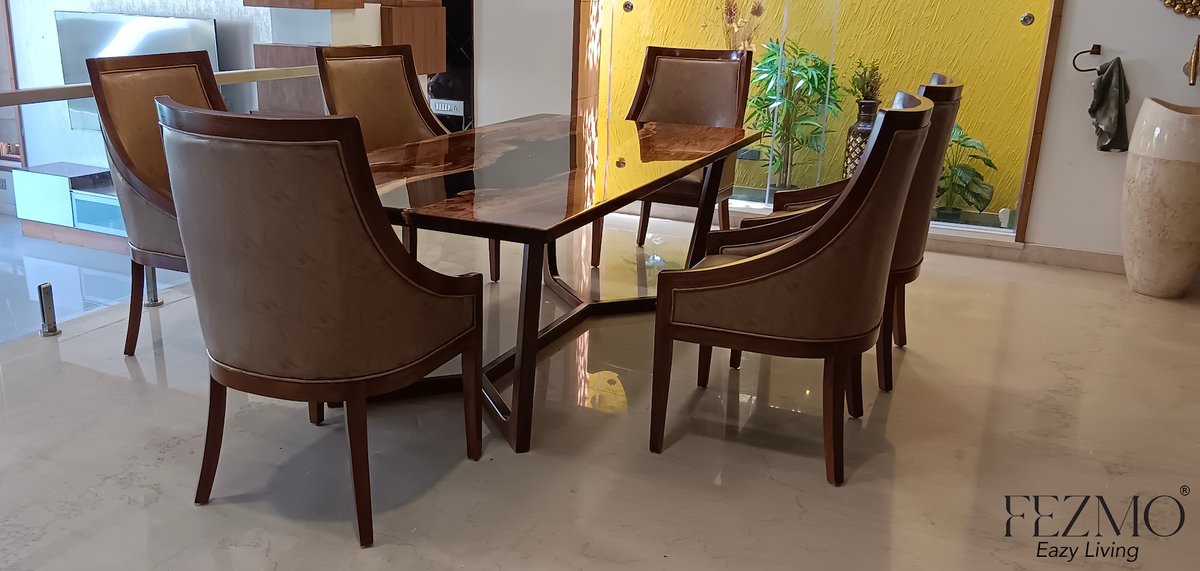
It is a common assumption that smaller furniture automatically makes a small room feel bigger. In practice, proportion and balance matter more than size alone.
Sofa depth is a good starting point. An overly deep sofa can dominate a compact living room even if its width seems reasonable, while a shallower profile often suits limited space without sacrificing comfort. Coffee tables follow similar logic: one too large restricts movement, while one too small looks out of place next to a full-sized sofa.
Furniture height also affects how a room feels. Pieces that are too tall can make ceilings appear lower and rooms feel boxed in. Leaving adequate clearance between pieces, rather than pushing everything together, allows the eye to read the room as open.
The goal is not to shrink every piece of furniture, since undersized pieces in a larger room can look equally out of place. The better approach is matching furniture scale to the room's actual dimensions.
When comparing furniture for Chennai apartments, checking dimensions before buying makes it easier to judge whether a sofa, table or storage unit will actually work within the available space.
5. Create Storage Without Making the Room Feel Heavy
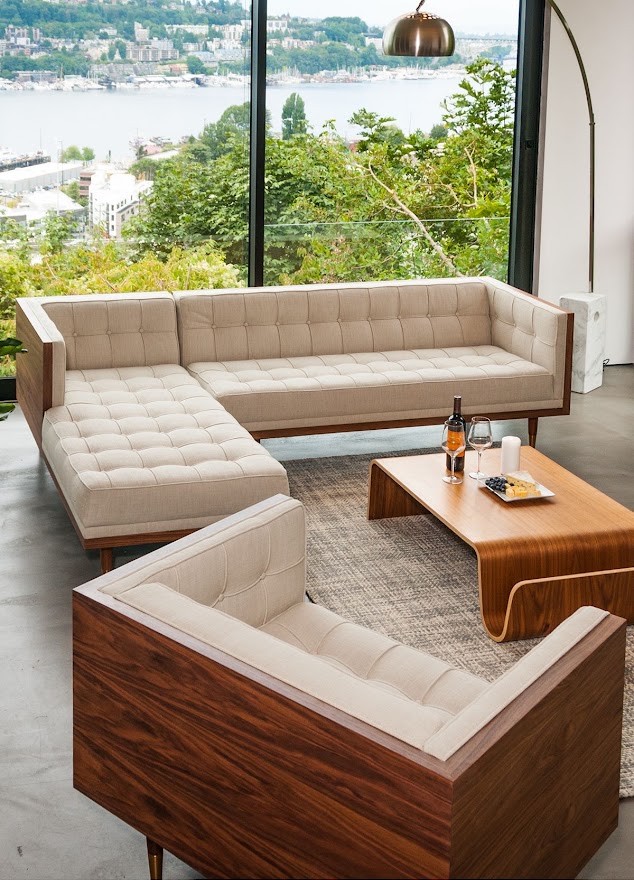
Storage is essential in small apartments, but poorly planned storage can make a room feel more cluttered than having no storage at all.
Closed storage, such as cabinets with doors or drawers, keeps everyday clutter out of sight and tends to suit compact living rooms better than open shelving, which can look busy even when tidy. Open storage still has its place for items used often or displayed intentionally.
Built-in wardrobes, where available, free up floor space otherwise taken by freestanding cupboards. Wall-mounted units serve a similar purpose, keeping the floor visually clear and the room feeling more spacious.
A practical rule is separating frequently used items from those used rarely, keeping everyday items in accessible storage and seasonal items in spots such as high shelves or under-bed storage. This keeps clutter to a minimum without requiring more furniture.
6. Use Colour, Texture and Materials Strategically
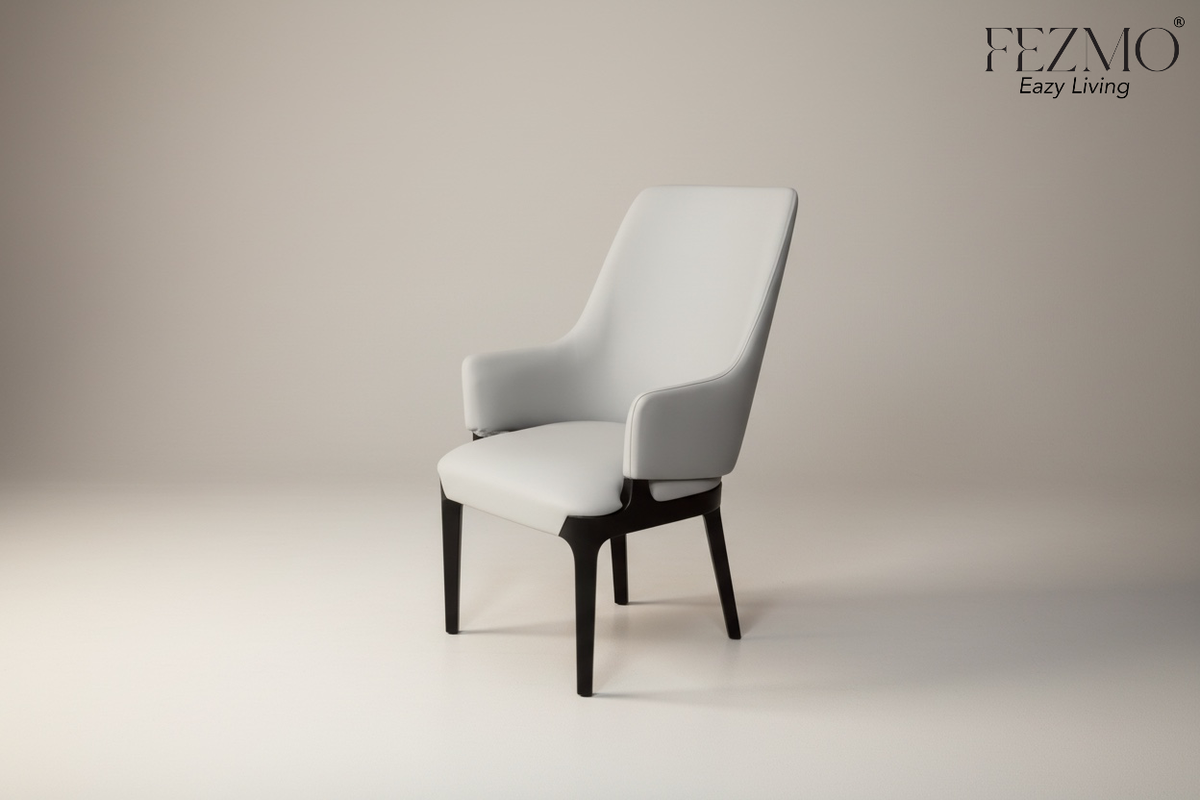
Colour and material choices influence how a small room feels, even though they do not change its actual dimensions. Working within a similar colour family across walls, flooring and major furniture creates visual continuity, helping a room feel connected rather than broken into segments.
Reflective surfaces, used selectively, such as a glass-top table or mirrored cabinet front, can add a sense of openness without requiring extra floor space, though overusing them can make a room feel busy rather than airy.
Natural textures, like wood grain or woven upholstery, add warmth without adding visual weight, provided they are not layered excessively. Subtle upholstery patterns can work too, as long as they are balanced against plainer surrounding elements.
No single colour universally makes a room appear larger. What matters more is consistency across the palette, since a disjointed mix of colours and finishes tends to make a small room feel fragmented.
7. Make the Most of Vertical and Unused Space
Floor space is limited in most compact apartments, but vertical space is often underused. Corners are frequently left empty despite being well suited to slim shelving units or compact storage furniture.
Wall space above furniture, such as above a console or sideboard, can hold shelving or artwork without intruding on usable floor area. Space beneath windows is another commonly wasted zone, suitable for low seating or storage benches that do not block natural light.
Vertical furniture, such as tall narrow bookcases, makes efficient use of height rather than floor footprint, which is valuable where floor area is the primary constraint. Areas above existing storage units can also hold baskets for infrequently used items.
That said, filling every vertical surface defeats the purpose. Maintaining some visual breathing room keeps the room from feeling overstuffed even as storage capacity increases.
8. Common Furniture Mistakes in Compact Apartments
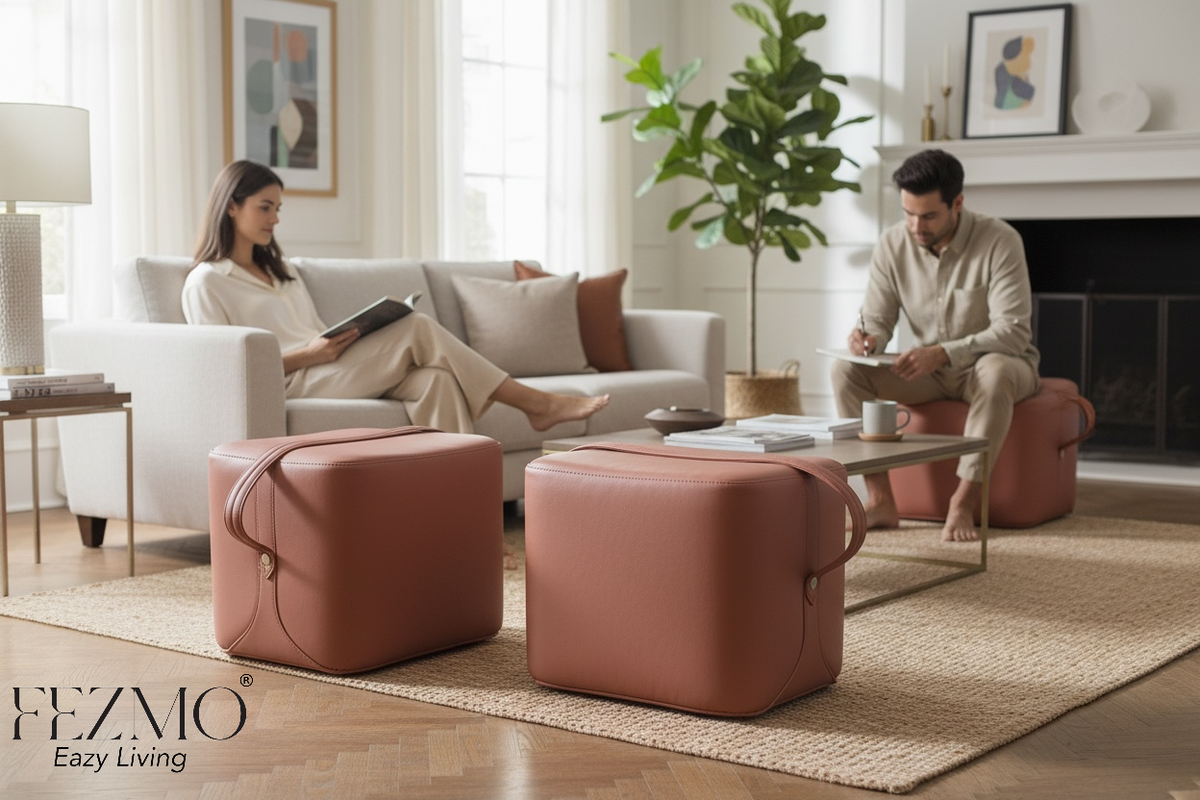
Certain mistakes appear repeatedly in small apartment furnishing, and most are avoidable with a bit of planning.
Buying furniture before measuring the room, which often results in pieces that do not fit or block movement.
Blocking natural walking paths with furniture placed for appearance rather than function.
Using too many individual pieces instead of fewer, well-chosen items that serve clear purposes.
Ignoring storage requirements until clutter becomes a visible problem.
Choosing furniture solely because it looked attractive in a showroom, without considering how it will function at home.
Good small-space design is ultimately about editing rather than simply adding. whether through function, proportion or genuine everyday use. When furniture and layout are considered together from the start, even a modest apartment can feel comfortable rather than constrained. Exploring modern furniture for small apartments through Fezmo can be a useful starting point.
9. FAQ
What type of furniture works best in a small Chennai apartment?
Furniture that is proportionate to the room, offers genuine storage or multifunctional value, and allows comfortable movement tends to work best, usually meaning moderately scaled pieces rather than the smallest or largest options available.
Should small apartments always use small furniture?
Not necessarily. Furniture that is too small for a room can look out of place just as easily as furniture that is too large. The priority should be proportion and balance relative to actual room dimensions, not simply minimising size.
How can I create more storage without making my apartment feel crowded?
Favour closed storage for everyday clutter, use vertical space such as wall-mounted units and tall narrow shelving, and separate frequently used items from those used occasionally. This adds storage capacity without adding visual weight to the room.
If you are planning a furniture layout for a compact apartment and want guidance specific to your space, you can contact Fezmo to discuss options suited to your home.