Table of Contents
1. Introduction
2. Why a Well-Furnished Home Is About More Than Having Good Furniture
3. The Role of Proportion in Anna Nagar Homes
4. Choosing Furniture Around the Way You Live
5. Comfort Is the Detail People Notice Without Realising
6. Creating Visual Balance Without Making Everything Match
7. How Materials and Maintenance Shape Long-Term Appeal
8. What to Look for When Choosing Furniture in Anna Nagar
9. Frequently Asked Questions
Introduction
A well-furnished home is rarely the one with the most expensive or most fashionable furniture. It is the home where every piece works with the room, the people who live there, and the way daily life actually unfolds. Anyone who has walked into a beautifully decorated apartment that still feels slightly uncomfortable knows this instinctively. Choosing furniture from a furniture shop in Anna Nagar involves more than selecting pieces that look appealing in isolation; it involves understanding how those pieces will behave within a specific room, household, and routine. Room dimensions, movement patterns, family habits, and aesthetic preferences all shape what genuinely works. This article explores a central question that matters more than trend or price: what makes furniture feel right, rather than simply look right, in a Chennai home?
Why a Well-Furnished Home Is About More Than Having Good Furniture
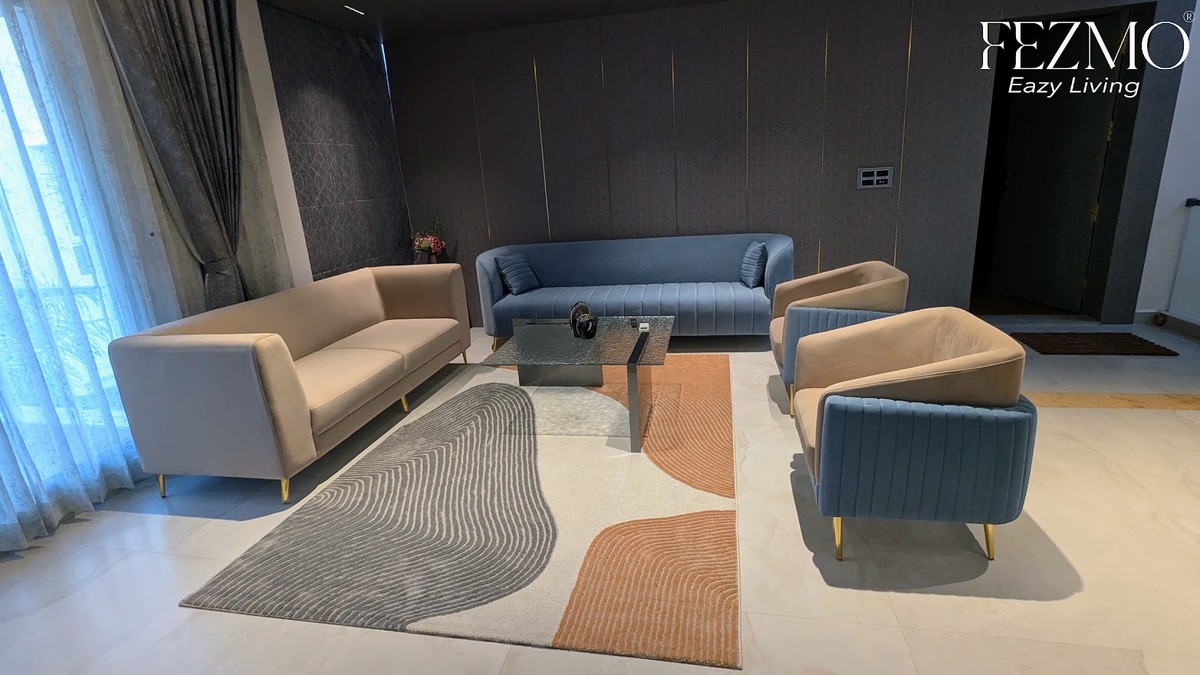
Furniture never exists in isolation. It interacts constantly with walls, lighting, flooring, curtains, and the overall proportions of a room. A well-chosen sofa can still feel out of place if it fights with the room's natural light or clashes with flooring tones. This is why a well-furnished home is defined less by the individual quality of its pieces and more by how thoughtfully those pieces relate to their surroundings.
More furniture does not automatically produce a better interior. Excessive furniture can reduce movement, make rooms feel visually smaller, create clutter, and reduce day-to-day functionality rather than enhance it. A living room crowded with too many pieces often feels less inviting than one with fewer, well-chosen items and genuine breathing space. Intentional empty space is not a gap to be filled; it is often what allows the furniture that is present to be appreciated properly.
This principle applies just as much to smaller apartments as it does to larger independent homes. In a compact living room, a single well-proportioned sofa paired with a modest coffee table often reads as more spacious and considered than the same room filled with an additional accent chair, a large console, and a bulky media unit. The goal is not to minimize furniture for its own sake, but to be deliberate about what earns a place in the room and what does not.
The Role of Proportion in Anna Nagar Homes
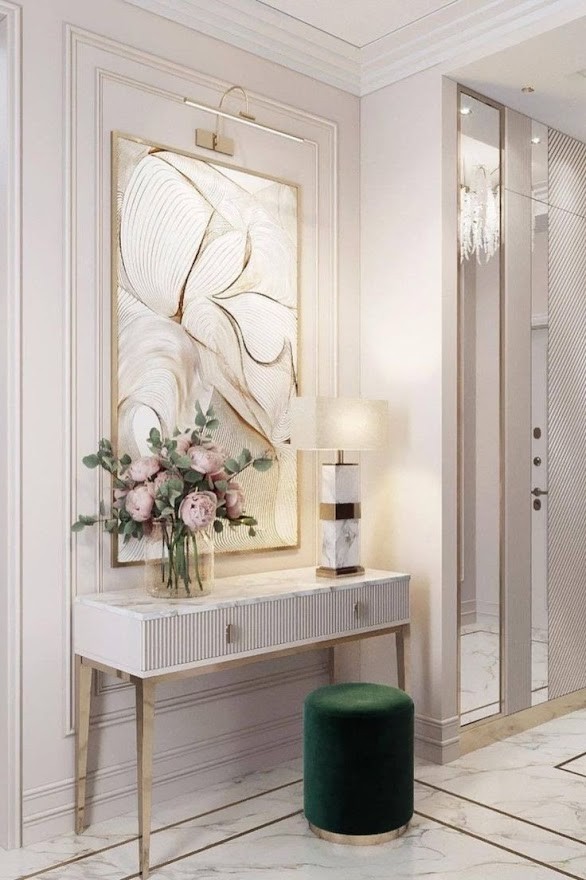
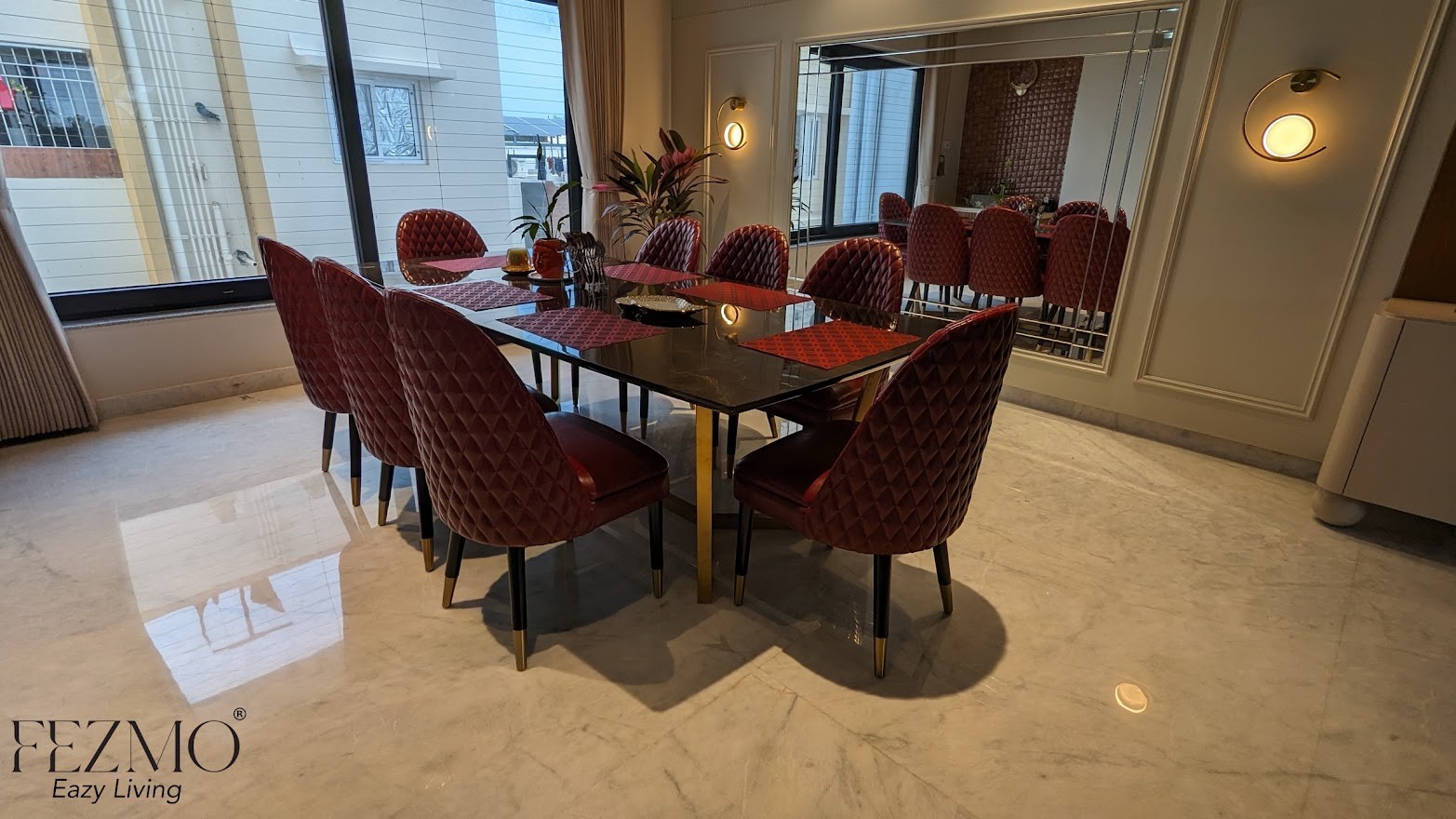
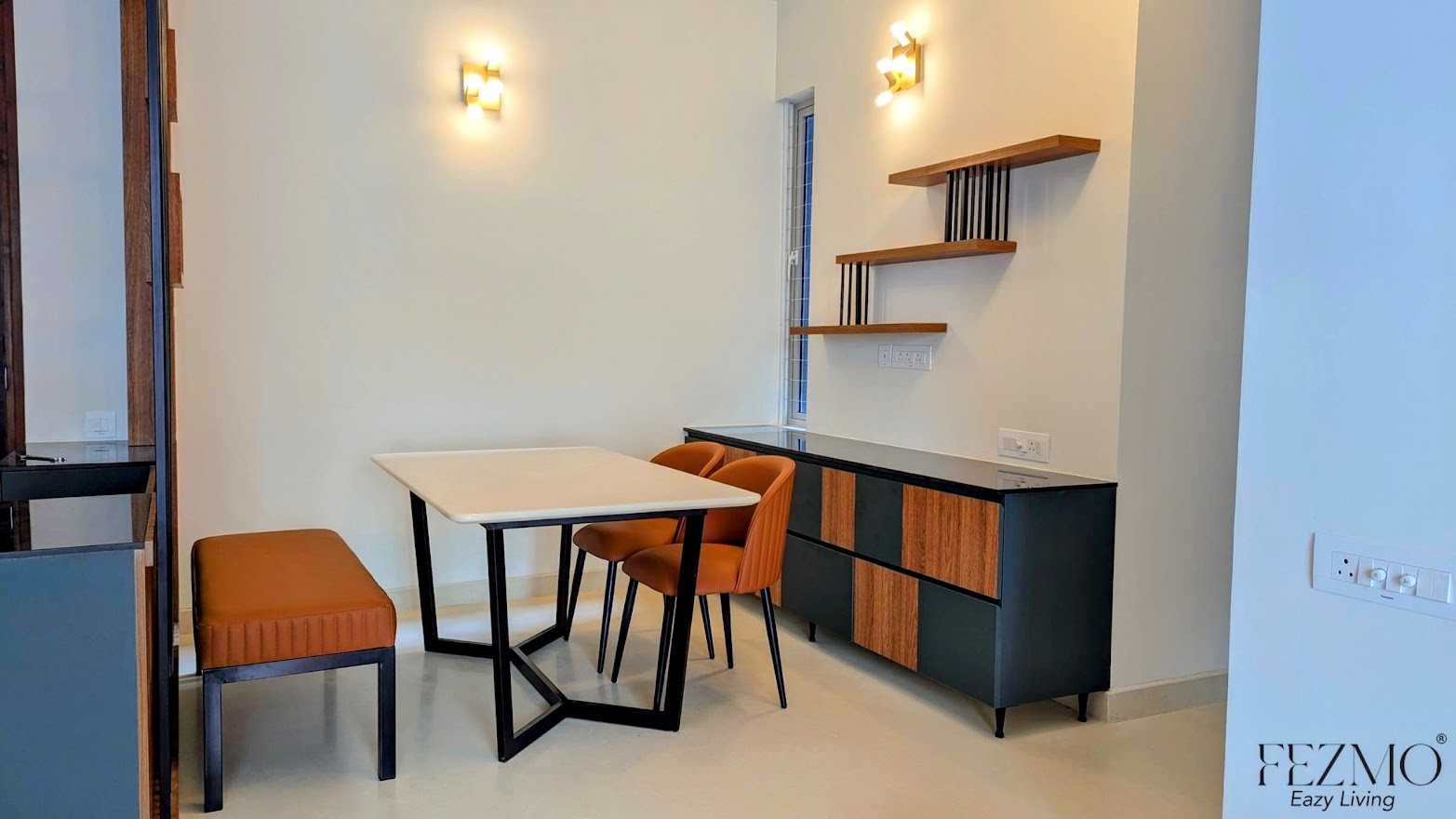
Proportion is one of the main reasons furniture can feel wrong at home despite looking perfectly suitable in a showroom. Oversized furniture can overwhelm a smaller room, while undersized pieces can look lost in a larger one. Sofa-to-room proportion affects both comfort and visual balance, while coffee-table height and positioning influence everyday usability far more than their appearance suggests. Dining-table scale needs to account for both seating comfort and walking clearance around the table, and bedside furniture should leave enough space for comfortable movement rather than simply fitting against a wall.
Before visiting any furniture shop, it helps to measure the intended space carefully. A simple checklist can prevent avoidable mistakes: room length and width, doorway and lift dimensions for delivery, existing walking paths, and the distance furniture needs from walls or other pieces. This single step resolves more proportion-related disappointments than any amount of browsing.
Many Anna Nagar homes range from compact apartments to larger independent houses, and furniture that suits one layout will not necessarily suit the other. A sectional sofa that works comfortably in a spacious living room may leave almost no walking space in a smaller apartment, while a modest two-seater might look underwhelming in a larger hall with high ceilings. Taking accurate measurements before browsing, rather than relying on memory or estimation, remains one of the most reliable ways to avoid proportion mismatches after delivery.
Choosing Furniture Around the Way You Live
Furniture selection works best when it begins with behaviour rather than trends. The number of people who regularly use a room, how often guests visit, whether the space is used more for conversation or television, daily dining habits, and occasional work-from-home needs all influence what furniture will genuinely suit a household.
Couples, families with children, multigenerational households, and homes that frequently entertain guests often have different practical requirements, though none of these situations follows a fixed pattern. What matters is identifying how a specific household actually uses its space, rather than assuming a generic furniture arrangement will suit every family in the same way. Furniture chosen around real routines tends to remain satisfying long after the initial purchase.
A household that regularly hosts extended family gatherings may value flexible seating that can be rearranged easily, while a household that primarily uses its living room for quiet evenings may prioritise a single comfortable seating arrangement over additional capacity. Neither approach is more correct than the other; each simply reflects how that particular home functions on an ordinary day, which is a far more reliable guide than following a general trend.
Comfort Is the Detail People Notice Without Realising
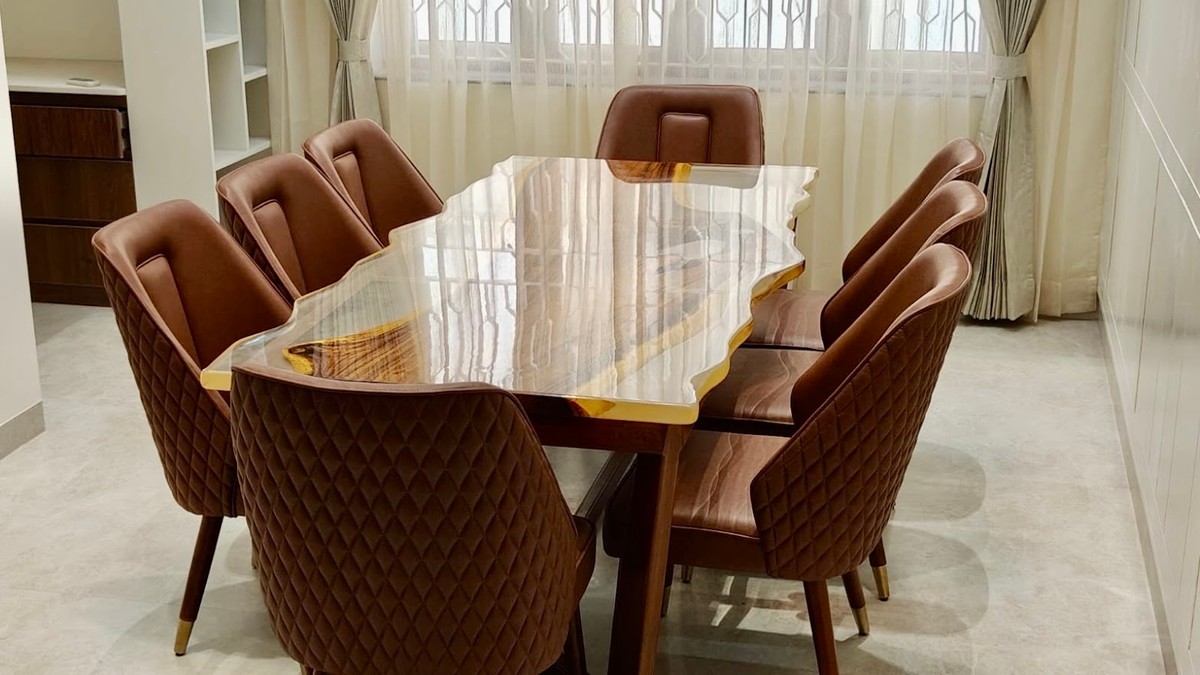
A furniture piece can look right and still feel wrong once it becomes part of everyday life. Seat height affects how easily someone can sit and stand comfortably, while seat depth determines whether the back is properly supported or left unsupported at the edge of a cushion. Cushion firmness, back support, and armrest positioning all shape how furniture feels during extended use rather than a brief moment of sitting.
These details are easy to overlook when furniture is judged only by appearance, yet they are often the first thing people notice once it is placed at home. Physically testing furniture, sitting, standing, and moving around it before committing to a purchase, remains one of the simplest and most effective ways to avoid later disappointment. Visiting a furniture shop in Anna Nagar in person, rather than deciding from photographs alone, makes this kind of hands-on comparison possible.
Creating Visual Balance Without Making Everything Match
There is a meaningful difference between matching furniture sets, coordinated furniture, and layered interiors. Matching sets can look tidy but sometimes feel impersonal, while coordinated pieces share a consistent tone without being identical. Layered interiors go a step further, deliberately combining contrasting elements to create visual interest.
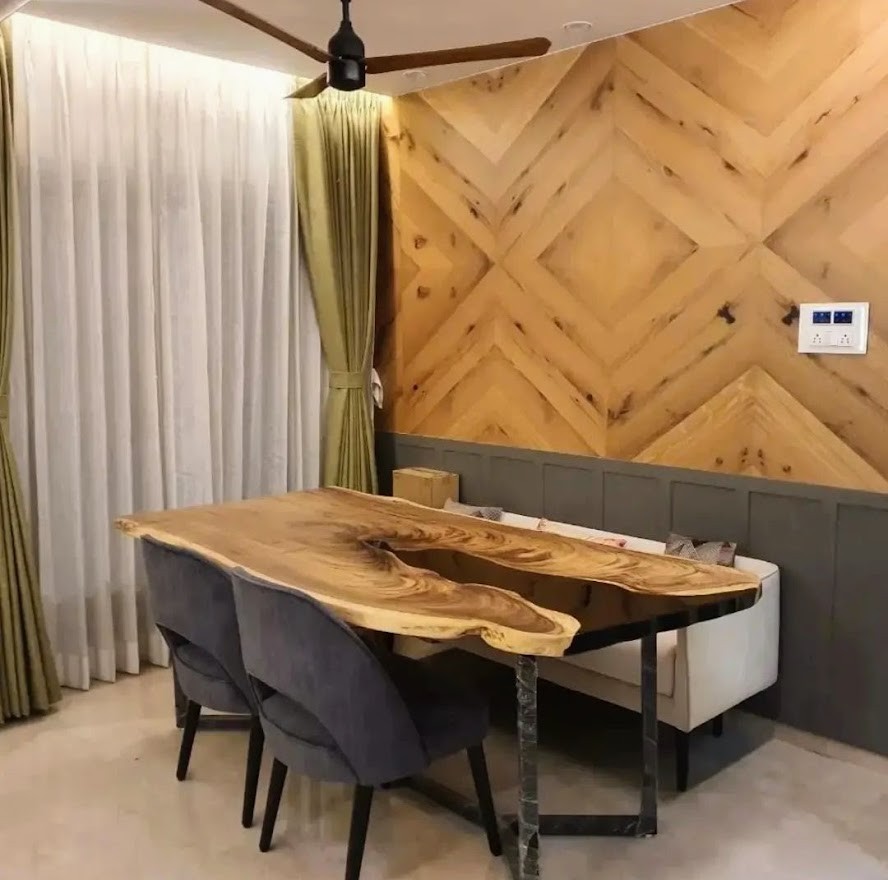
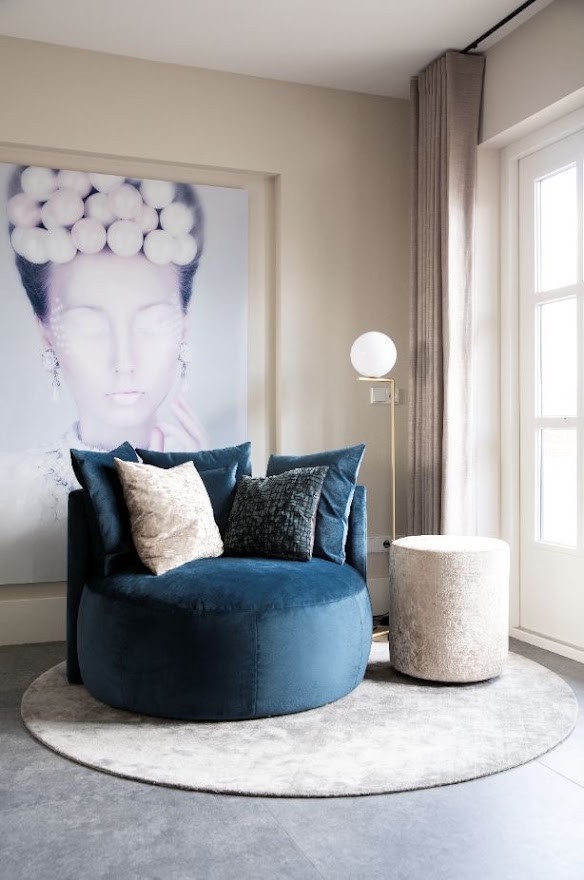
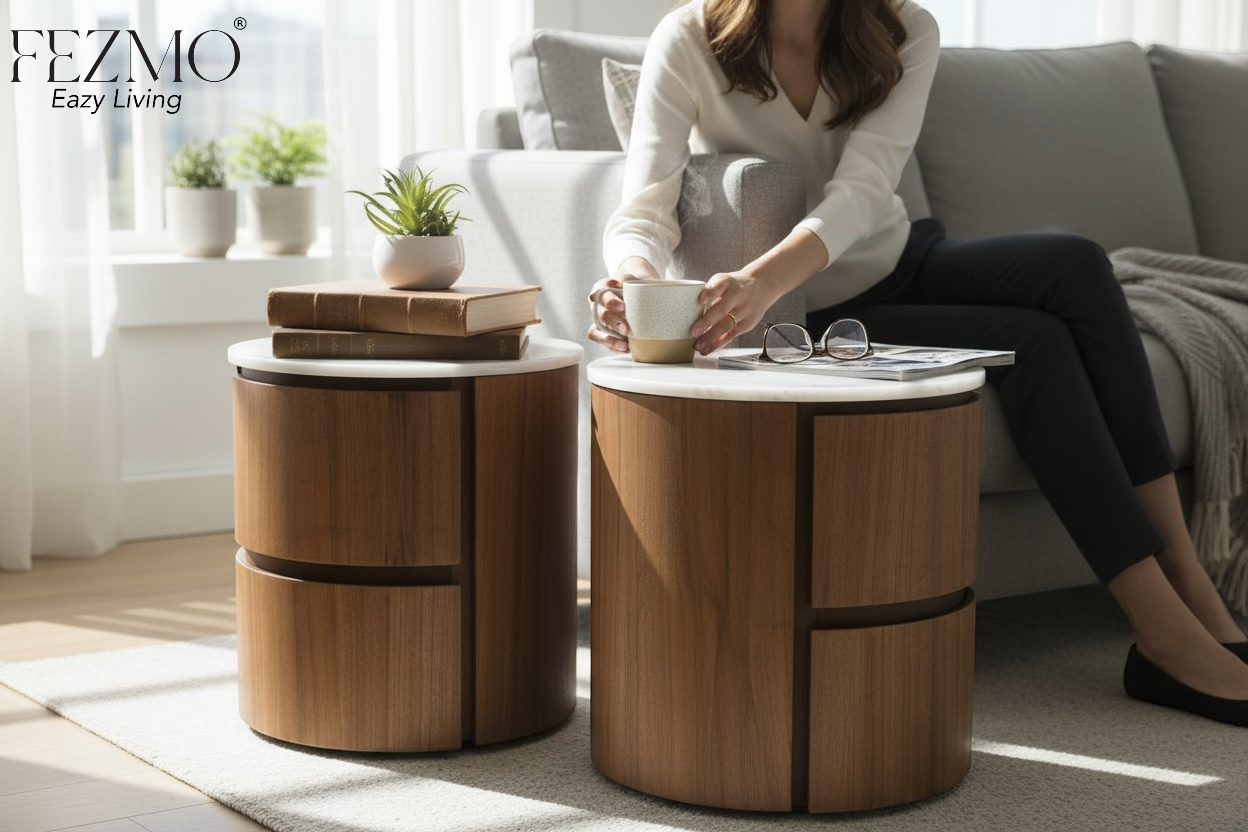
Contrast can be introduced through light and dark tones, smooth and textured surfaces, solid and patterned upholstery, or a mix of wood and fabric. One or two statement pieces are usually enough to create a clear focal point without making a room feel crowded or competing. This kind of balance tends to make an interior feel considered rather than assembled from a single catalogue page.
How Materials and Maintenance Shape Long-Term Appeal
Chennai's heat, humidity, and seasonal rainfall make material selection and furniture maintenance practical considerations for homeowners.
Dust, spills, cleaning routines, upholstery care, and surface protection all affect how furniture ages over time. Households with children, pets, frequent guests, or more formal living spaces often have different maintenance priorities, and furniture choices benefit from reflecting those realities rather than following a generic recommendation. No single material is universally best for every Chennai home; suitability depends on how a piece will actually be used and maintained.
What to Look for When Choosing Furniture in Anna Nagar
Approaching furniture selection with a practical framework, rather than a purely visual one, tends to produce better long-term results. Before visiting a furniture shop, it helps to measure the intended room, photograph the existing interior for reference, check doorway and lift dimensions, and establish clear seating or storage requirements. Identifying preferred materials in advance, and deciding honestly which existing pieces genuinely need replacement, also narrows the search considerably.
While evaluating individual pieces, construction quality, comfort, finishing, materials, maintenance needs, warranty terms, and long-term appearance all deserve attention beyond the first visual impression. Homeowners comparing options whilefurniture shopping in Anna Nagar may find that this structured approach saves time and reduces the likelihood of later regret. The strongest furniture choice is one that works simultaneously with the room, the household's routine, and its personality, rather than one chosen for how it looks in a single moment.
Homeowners who want to compare furniture options in person can alsocontact Fezmo Furniture to discuss measurements, materials, and configuration before making a final decision.
Frequently Asked Questions
How do I choose furniture for an Anna Nagar apartment?
Start by measuring the room and checking doorway or lift access, then choose furniture based on how the space is actually used, considering comfort, proportion, and material suitability rather than appearance alone.
Should all furniture in a home match?
No. Matching sets can look tidy, but coordinated or layered furniture, combining different tones and textures, often creates a more personal and visually interesting interior.
What should I check before buying furniture from a shop in Anna Nagar?
Check construction quality, comfort, materials, maintenance requirements, warranty terms, and whether the piece's dimensions genuinely suit your room before making a decision.