How Furniture Can Make a Small Home Feel Surprisingly Spacious
Two apartments with identical square footage can feel completely different the moment furniture enters the room. One feels open and easy to move through. The other feels boxed in, even with less furniture inside it. The difference rarely comes down to size. It comes down to specific, learnable choices about shape, scale, and material that most people never think to question when they are simply shopping for a sofa. A furniture store in Anna Nagar that understands these principles can help homeowners make a small home feel considerably more spacious without making structural changes.
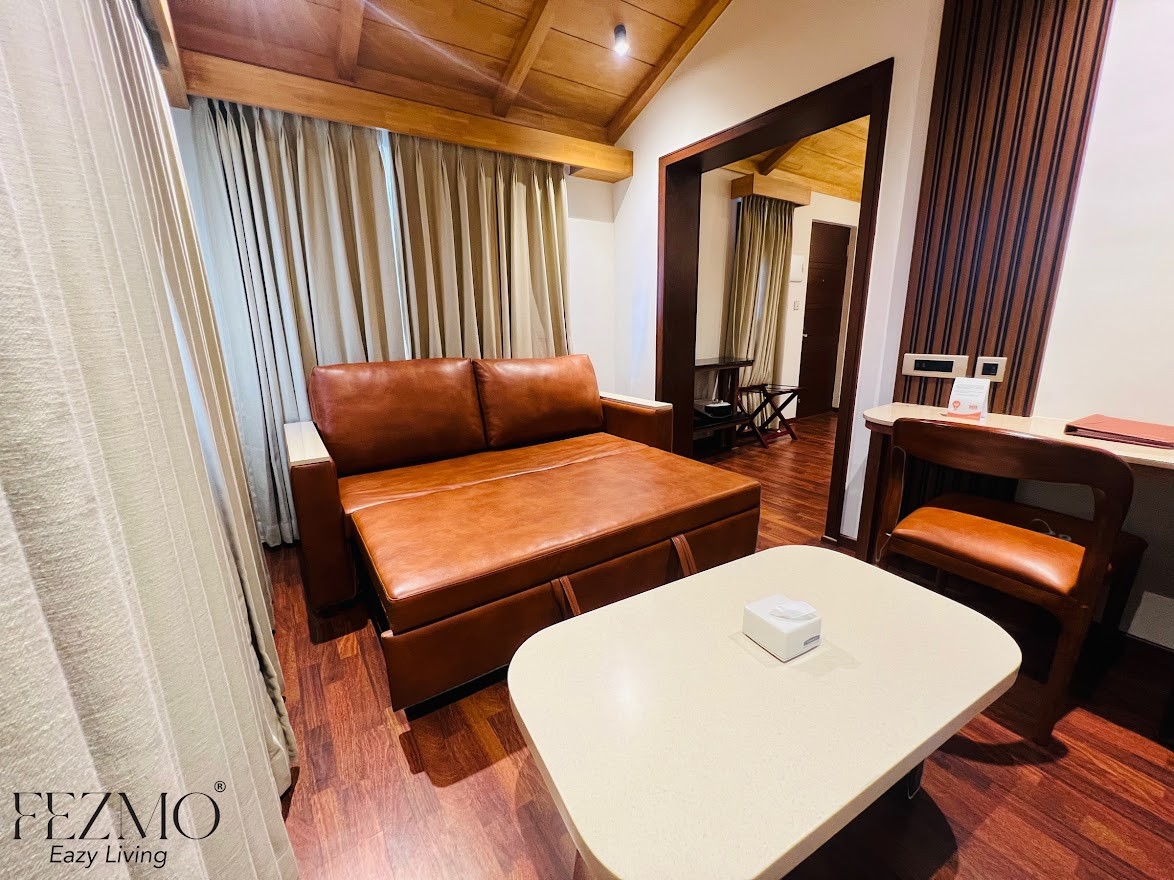
Why Small Rooms Feel Cramped Even When They Aren't Overcrowded
It's Rarely About Square Footage Alone
Two rooms of the same size can produce very different reactions depending on how furniture is chosen and arranged within them. A room can be sparsely furnished and still feel tight, while a fuller room can feel surprisingly open. The difference lies less in how much furniture is present and more in how each piece is shaped, positioned, and weighted within the space.
The Concept Interior Designers Call Visual Weight
Visual weight refers to how heavy or light a piece of furniture appears to the eye, independent of its actual physical size. A dark, solid, boxy cabinet reads as far heavier than a pale cabinet of the exact same dimensions, and a piece with a large, unbroken silhouette reads as heavier than one with the same footprint broken up by legs or negative space. Designers pay close attention to this because visual weight can influence whether a room feels open and balanced or visually crowded.
The Furniture Choices That Actually Open Up a Room
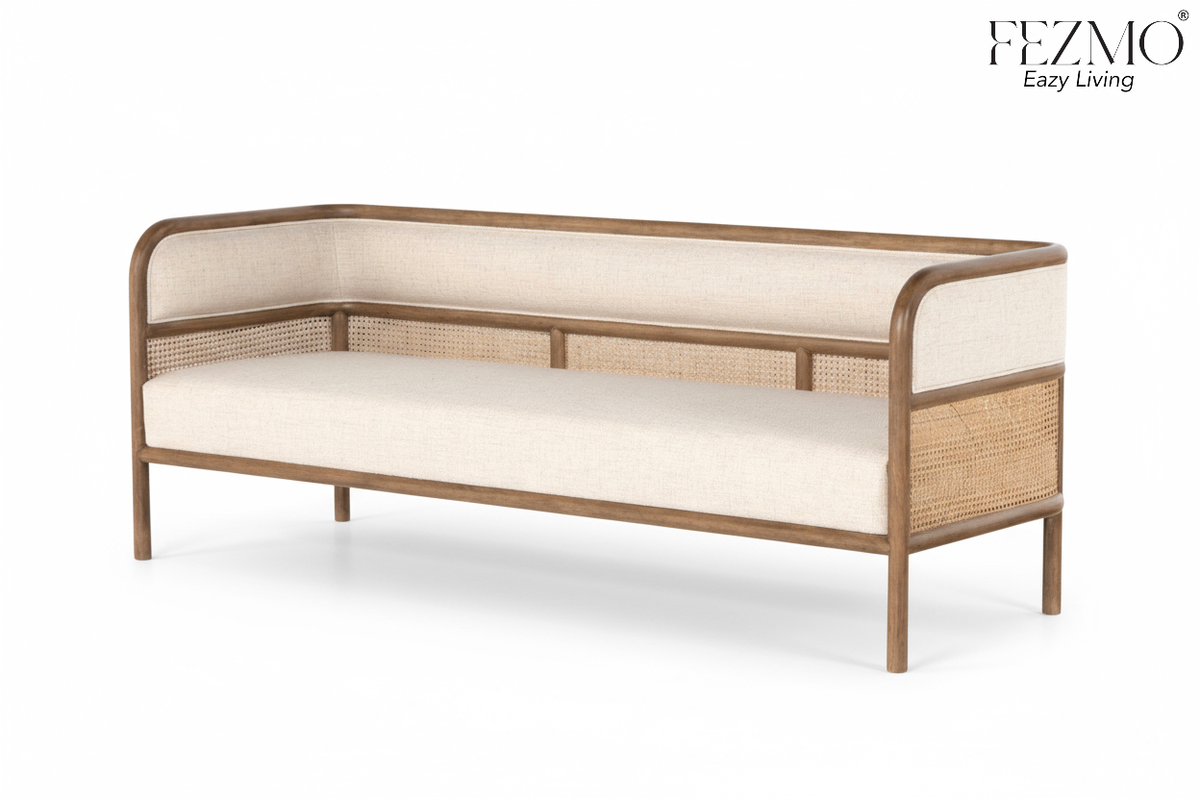
Leggy Furniture Lets the Floor Show Through
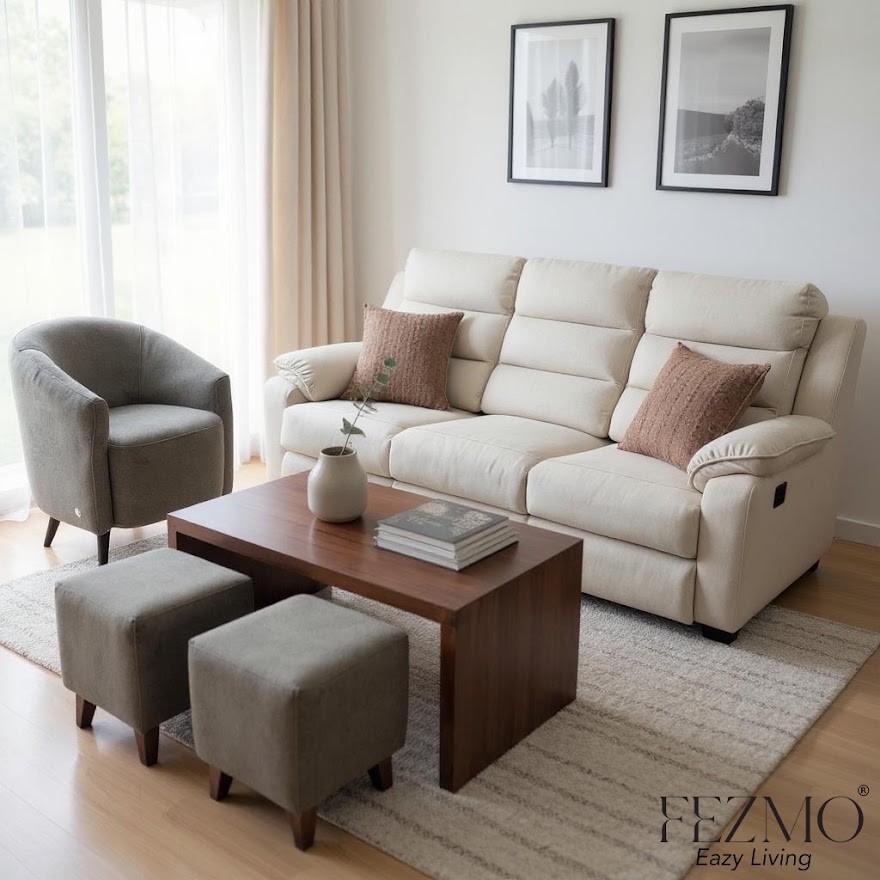
Furniture raised on slender, exposed legs allows the eye to see the floor continuing underneath it, which is one of the simplest and most reliable ways to make a small room read as larger. When a sofa, sideboard, or armchair sits directly on the floor with no visible gap beneath it, it reads as a solid block. The same piece raised on legs lets light and sightlines travel underneath, which the brain interprets as more open floor area even though the actual footprint has not changed.
Slim Profiles Beat Bulky Silhouettes
A sofa with slim, tailored arms takes up noticeably less visual space than one with thick, rolled arms, even when both have an identical seating area. The same logic applies to dining chairs, coffee tables, and storage units. Choosing pieces with a lighter visual profile, rather than simply choosing smaller pieces, tends to do more for a compact room than shrinking furniture size alone.
Colour, Material, and Light Change How Heavy Furniture Feels
Why Pale Tones Read as Lighter Than Dark Ones
Colour can influence perceived visual weight. A dark charcoal sofa reads as noticeably heavier than a cream sofa of the exact same dimensions, since deep tones carry more visual density than pale ones. This is why a room furnished with lighter-toned pieces against light walls often feels more resolved and airy than the same layout finished in deeper, heavier tones, even when the furniture itself takes up an identical footprint.
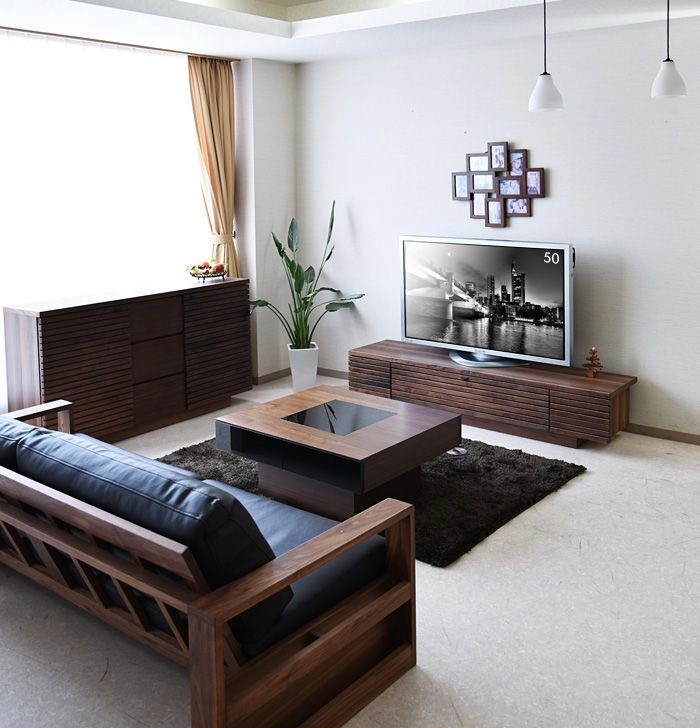
Material Matters as Much as Colour
Materials, textures, finishes, and transparency can all influence how visually heavy a piece appears. Solid surfaces may create a stronger visual presence, while transparent or open materials can sometimes make furniture feel lighter. A glass topped coffee table, for instance, occupies the same physical footprint as a solid wood one but reads as considerably lighter, since the eye can see through it to the floor beneath rather than stopping at a solid surface.
Scale Is Where Most Small Space Mistakes Happen
Oversized Statement Pieces Backfire
A sofa that looked generously sized in a large showroom often looks oversized the moment it is placed in a smaller living room at home. Scale, the relationship between a piece of furniture and the room around it, is where some of the most common and most expensive furnishing mistakes happen, since an oversized piece dominates a small room regardless of how attractive it looked in isolation.
Undersized Furniture Leaves a Room Feeling Adrift
The opposite mistake is just as common. Furniture that is too small for a room, a narrow sofa paired with two small chairs in a room that calls for more presence, can leave the space feeling sparse and unanchored rather than open. The goal in a small room is not simply buying the smallest available furniture. It is choosing pieces scaled correctly to the specific room, which sometimes means a slightly larger, well-proportioned piece rather than several small ones scattered without a clear anchor.
Multifunctional Furniture Earns Its Floor Space Twice Over
In a small home, every piece of furniture competes for limited floor area, which makes multifunctional pieces genuinely valuable rather than simply a space saving gimmick. A storage ottoman that doubles as seating, a sleeper sofa that converts for guests, or an extendable dining table that expands only when needed all let a room serve more than one purpose without adding more furniture to look at. Multifunctional furniture is particularly useful in compact homes, where a single piece may need to serve more than one purpose.
Mirrors and Sightlines: The Cheapest Way to Add Visual Space
A well-placed mirror does more than reflect light. It can create an impression of greater depth by reflecting light, views, and parts of the room, which makes a mirror one of the lowest cost, highest impact additions available for a small space. Beyond mirrors, keeping clear sightlines from a room's main entry point, avoiding furniture placement that blocks the first thing a person sees when entering, helps a room read as larger the moment someone walks in, before they have even had a chance to look around.
Bringing It Together in a Chennai Home
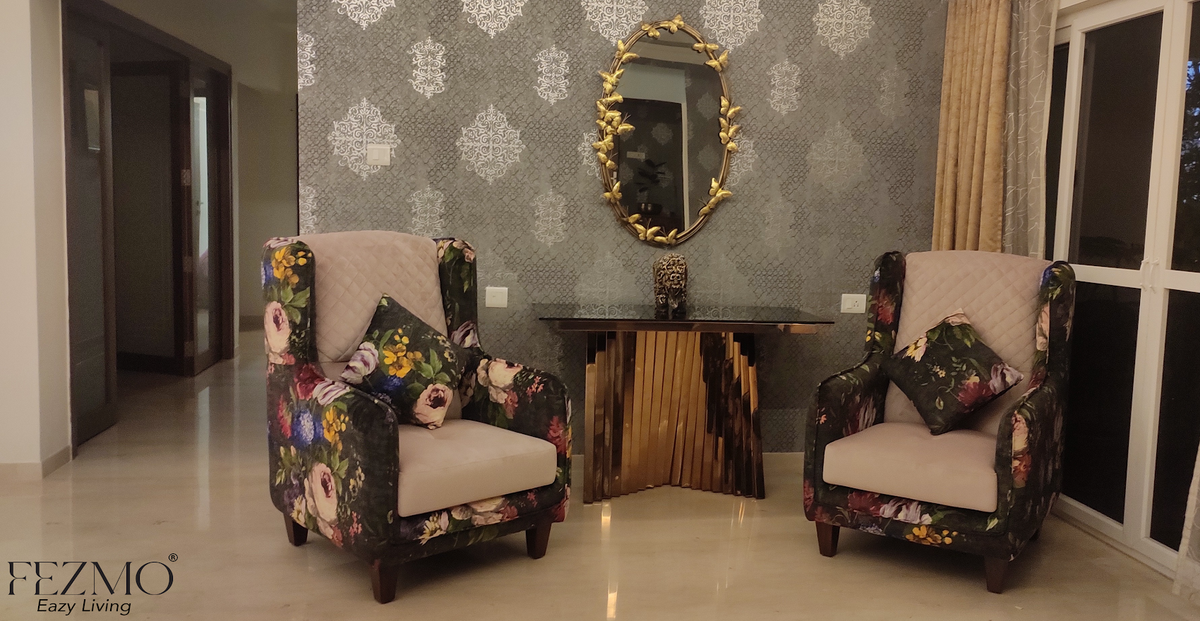
Many Chennai apartments require living and dining areas to serve multiple purposes within a limited footprint. Choosing furniture for Chennai homes with these principles in mind, leggy silhouettes, lighter tones, appropriately scaled pieces, and genuine multifunctionality, tends to matter more for how spacious a home actually feels than simply buying less furniture or a smaller sofa.
Where to Start When Furnishing a Small Chennai Home
Rather than trying to apply every principle at once, it usually helps to start with the single largest piece in a room, typically a sofa or dining table, since getting its scale and visual weight right sets the tone for everything else in the space. Browsing home furniture for Chennai interiors with this one piece in mind, rather than shopping room by room without a plan, tends to produce a far more cohesive result.
Conclusion
A small home does not have to feel small. Choosing furniture with appropriate scale, lighter visual weight, and genuine multifunctionality can significantly change how a room feels without requiring structural changes. If you want help applying these principles to your own home, get in touch with our design team and we can walk through what would actually work for your space.
Frequently Asked Questions
What is visual weight in furniture design?
Visual weight refers to how heavy or light a piece of furniture appears to the eye, based on factors like colour, material, and silhouette, rather than its actual physical size. A dark, solid piece can appear visually heavier than a pale piece of similar dimensions, which may influence how open or visually crowded a room feels.
Does furniture with legs really make a room look bigger?
Yes. Furniture raised on visible legs allows the eye to see the floor continuing beneath it, which creates a sense of openness that furniture sitting flush on the floor does not. This is one of the most consistently recommended techniques for making a small room feel more spacious.
Should small rooms only use small furniture?
Not necessarily. Furniture that is too small for a room can leave it feeling sparse and unanchored rather than open. The goal is choosing furniture scaled appropriately to the room, which sometimes means one well-proportioned piece rather than several undersized ones.
How does colour affect how spacious a room feels?
Darker colours carry more visual weight than lighter ones, so a piece of furniture in a pale tone tends to feel less dominant in a room than the same piece in a dark tone. Lighter colour palettes are commonly used in small space design for this reason.
What is multifunctional furniture and why does it help in small homes?
Multifunctional furniture serves more than one purpose, such as a storage ottoman that also works as seating or an extendable dining table. This lets a small home accommodate more activities without adding more individual pieces of furniture, which helps keep the room from feeling crowded.
Are mirrors actually effective at making a room feel larger?
Yes. A well-placed mirror can reflect light, views, and parts of the room, creating an impression of additional depth. It is one of the more affordable and effective tools available for making a small space feel larger without any structural changes.