
The day a new sofa arrives, everything about it feels like a win. It looks exactly like the showroom photo, the fabric still has that crisp, untouched texture, and the whole living room suddenly feels finished. Then the first month happens. You start noticing things the delivery team never mentioned, the smell, the firmness, the way a cushion looks slightly different under your own ceiling lights than it did under showroom spotlights. None of this means anything went wrong. It means you are living with the sofa instead of just looking at it, which is exactly the period where a furniture store in Anna Nagar can add value beyond the initial sale, since good guidance in the first 30 days matters as much as the sale itself.
Days 1 to 3: The Smell, the Stiffness, and the Small Surprises
The first few days set the tone for how people judge a new sofa, often unfairly, since this window is when the furniture is at its least representative of how it will actually feel.

New Furniture Smell Is Normal, Not a Defect
A new furniture smell can result from volatile compounds released by materials used in furnishings, including some foams, adhesives, coatings, and finishes. The intensity and duration can vary considerably depending on the materials and manufacturing process. Good ventilation can help reduce concentrations of these emissions, so keeping windows open and letting air circulate around and underneath the cushions is a reasonable first step.
Why It Feels Firmer Than It Did in the Showroom
A showroom sofa may have been used repeatedly by customers, so its cushions may feel different from a newly delivered sofa. New foam and upholstery can feel different from a frequently used showroom piece, and this difference can sometimes make a newly delivered sofa feel firmer than expected.
The First Week: Learning How the Sofa Actually Fits Your Home
Once the initial smell and firmness register, the next thing people notice is how the sofa behaves in daily use rather than in a showroom setting.
Cushions Look Different Under Your Own Lighting
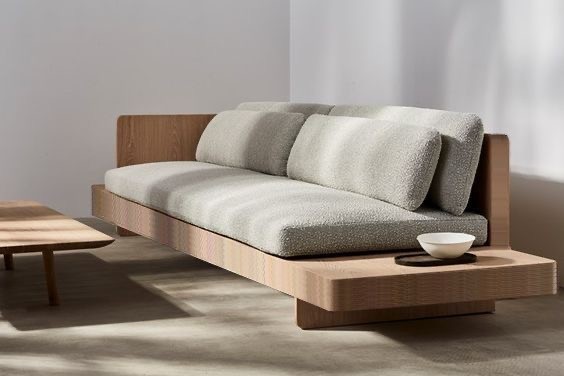
Showroom lighting can affect how fabric colour, texture, and finish appear compared with the lighting in your home. Natural daylight, warm bulb lighting, or the mix of both in a typical living room can shift how a color reads, sometimes making it look a shade warmer or cooler than it did at the store. This is not a manufacturing inconsistency. It is simply how fabric interacts with different light sources, and it is worth observing a new sofa at different times of day before assuming the color is off.
Sitting Habits You Didn't Know You Had
Within the first week, many households start discovering their actual sitting patterns rather than the ones they imagined while shopping. One corner of a sectional gets used far more than the rest. A particular cushion becomes the default spot for laptop use or afternoon naps. These patterns matter because uneven use is completely normal, but it does mean certain cushions will begin softening faster than others, which is worth knowing early rather than being surprised by later. Anyone in the process of shopping for furniture for your home in Chennai benefits from asking a salesperson directly how a specific model tends to wear under uneven, everyday use, since this varies noticeably between foam densities and cushion constructions.
Weeks Two to Three: The Real Break-In Period
This stretch is where most of the genuine adjustment happens, and where the difference between normal settling and an actual problem starts to become clearer.
Foam and Fabric Both Need Time
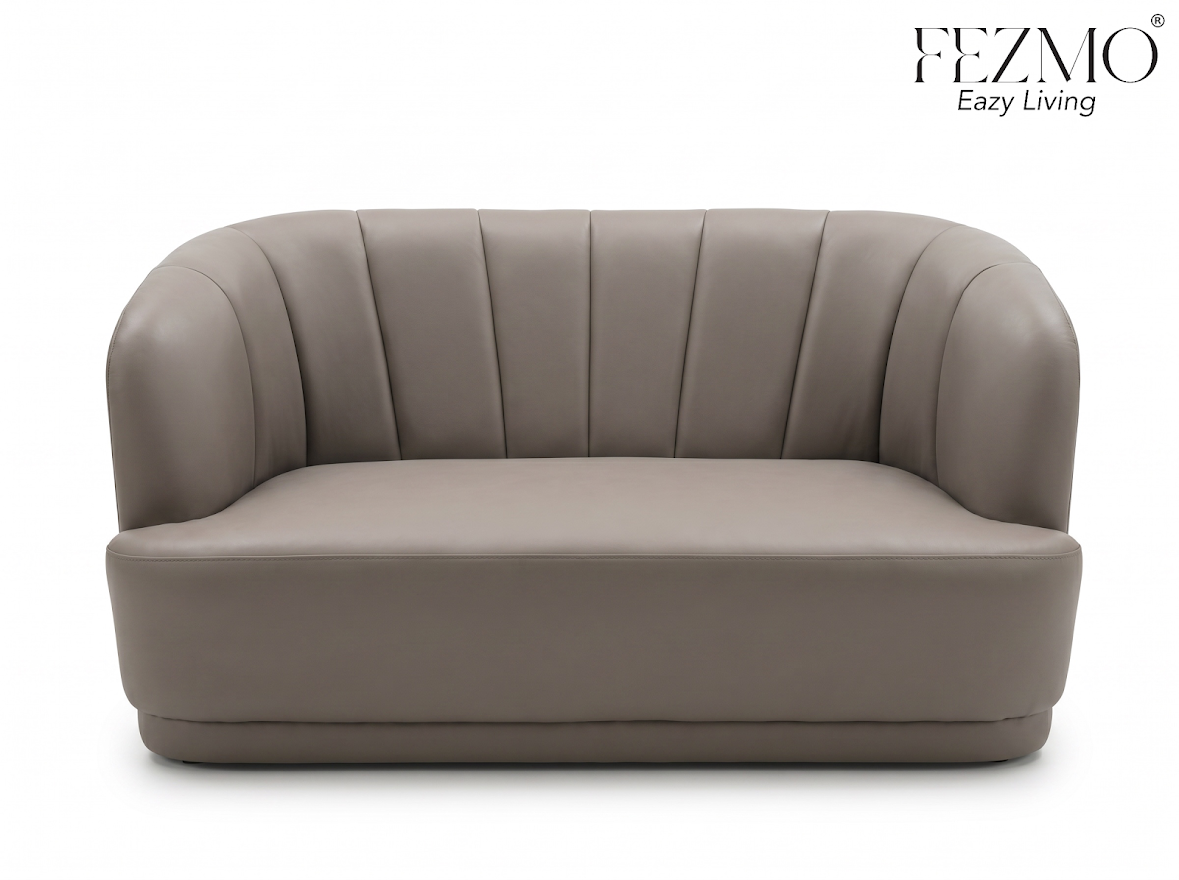
Foam cushions can change in feel with regular use, but the rate and extent of settling depend on the foam formulation, density, cushion construction, upholstery, and frequency of use. Upholstery can change in feel and appearance with use, although the way this happens varies considerably between fabrics, leathers, finishes, and construction methods.
What's Normal Softening vs a Genuine Comfort Problem

Softening foam and settling fabric are expected. A different category of discomfort is not. If you experience persistent pressure points, numbness, or discomfort during normal sitting, it may indicate that the sofa's dimensions or firmness are not well suited to you. Persistent discomfort should not simply be assumed to be part of the break-in process, since it usually reflects seat depth, back angle, or cushion firmness that was mismatched from the start.
Warning Signs Worth Acting On Early
A few signs are worth flagging to the retailer within the first few weeks rather than waiting: cushions that develop a persistent indentation or fail to recover their shape after normal use, a frame that creaks or shifts noticeably during normal use, or stitching that has started to separate. These are different from the everyday softening every new sofa goes through, and catching them early, while a warranty or return window is still open, is far easier than addressing them months later.
What You May Notice by the One-Month Mark
By the one-month mark, you should have a much clearer sense of how the sofa fits into your daily routine. Some initial changes in firmness, appearance, or odour may have settled, although the rate of change varies by materials and construction.
The Small Maintenance Habits That Prevent Bigger Problems
A few habits established in this first month tend to pay off for years afterward. If the manufacturer permits it, rotating or flipping reversible cushions periodically can help distribute wear more evenly instead of letting one section compress faster than the rest. Limiting prolonged direct sunlight can help reduce the risk of uneven fading and deterioration, depending on the upholstery material. Vacuuming fabric surfaces regularly, before dust and debris work their way deep into the weave, keeps the material looking newer for longer. None of these habits are complicated, but they are far easier to build into a routine from month one than to retrofit later. This is also a good stage to think more broadly about home decor and furniture pieces in Chennai that complement the sofa, since coordinating cushions, throws, or a coffee table often happens naturally once you know how the piece actually lives in the room rather than how it looked alone in a showroom.
What This Means When You're Choosing a Sofa in the First Place

Understanding what the first 30 days actually involves changes how it makes sense to shop for a sofa before you buy one.
Questions Worth Asking Before You Buy, Not After
Before purchasing, it is worth asking directly about foam density. Foam density is one factor that can influence durability and how a cushion feels over time, but performance also depends on the foam formulation, cushion construction, usage, and other materials used in the sofa. It is also worth asking what the return or exchange policy covers if a genuine fit problem, rather than ordinary settling, becomes apparent in the first few weeks. A sofa that looks right in a showroom photo can still be the wrong depth or firmness for how your household actually sits, and asking these questions upfront avoids discovering that only after delivery.
Conclusion
The first 30 days with a new sofa are less about the sofa changing and more about you learning how it actually behaves once it leaves the showroom and enters your daily life. The smell can fade, the firmness can ease, and much of what feels unfamiliar in week one often becomes more familiar over the following weeks, though the pace varies by materials and construction. What does not resolve on its own, like a genuine pressure point or a structural issue, is worth raising early rather than waiting it out. If you are still deciding on a sofa or want guidance on what to expect after delivery, contact us and we can walk you through what fits your space and how it is likely to feel over the coming weeks.
Frequently Asked Questions
Is it normal for a new sofa to smell strange when it first arrives?
A new sofa can have an initial odour from materials used in its construction, including some foams, adhesives, coatings, and finishes. The intensity and duration vary by product. Good ventilation can help reduce indoor concentrations of volatile compounds.
How long does it take for sofa cushions to feel less firm?
New cushions can change in firmness and feel with regular use, but there is no universal break-in period. The rate depends on the foam, cushion construction, upholstery, and frequency of use.
How do I know if sofa discomfort is just a break-in period or a real problem?
Gradual firmness that eases with regular use is normal. Persistent pressure points, numbness, or discomfort during normal use should not automatically be attributed to a break-in period. If the issue continues, it is worth discussing with the retailer or manufacturer.
Should I rotate or flip my sofa cushions?
If the cushions are designed to be rotated or flipped, doing so periodically can help distribute wear more evenly. Always follow the manufacturer's care instructions.
What should I check for in the first month to catch a real defect early?
Watch for cushions that stay visibly dented after normal use, a frame that creaks or shifts, or stitching that has started to come apart. These differ from ordinary softening and are worth reporting to the retailer while a warranty or exchange window is still active.