Walk into many furniture showrooms and you may find the same core designs offered across different homes, often with variations in fabric or finish. True luxury furniture works differently. It starts with your space, your habits, and your taste, not a factory catalogue. For anyone exploring home furnishings in Chennai that actually reflect how they live, understanding what genuine customisation involves, and how to tell it apart from marketing language, makes a real difference before signing off on an order. This article breaks down what "made for you" should actually mean, what the actual production process looks like, and what separates real personalisation from a relabeled showroom piece.
What Made for You Actually Means in Furniture
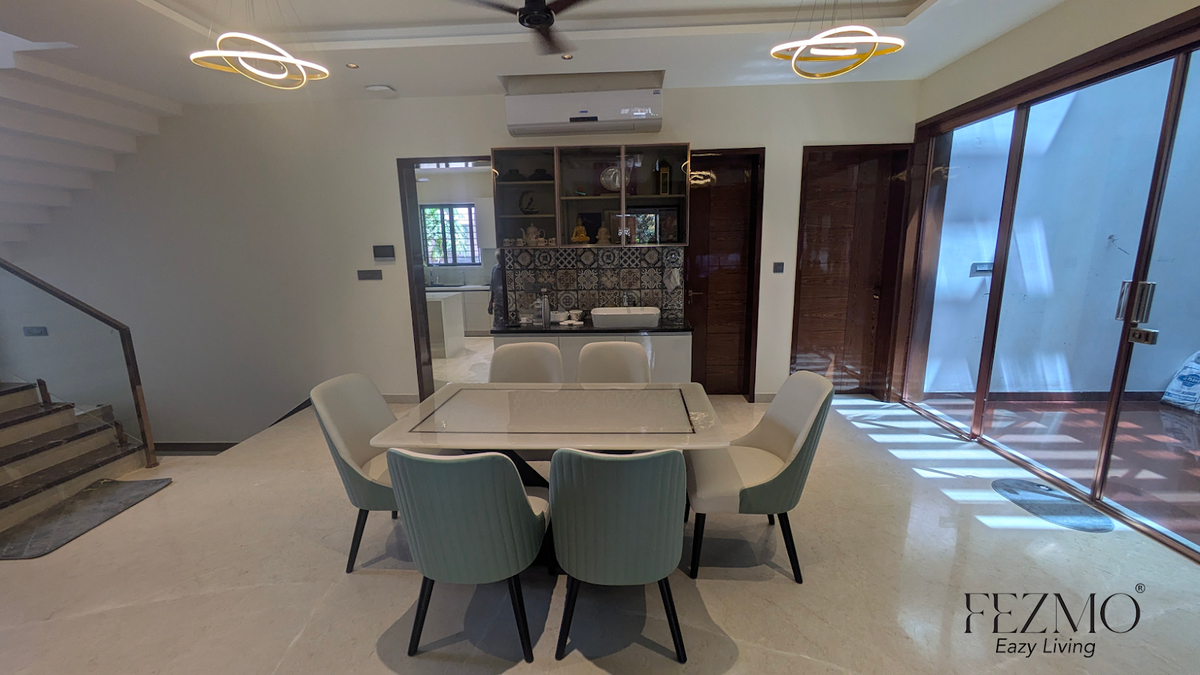
The phrase gets used loosely across the furniture industry, often describing nothing more than a choice between three fabric swatches on an otherwise identical frame. Genuine made-to-order furniture can involve adapting a piece around a specific space, the user's requirements, and a particular aesthetic, rather than adjusting slightly from a standard template.
This distinction matters because the value of custom furniture comes from that fit, not from the word luxury printed on a price tag. A sofa built to match the exact dimensions of an awkward living room corner solves a problem that no showroom floor sample ever will.
The Difference Between Custom, Bespoke, and Luxury
These three words get used almost interchangeably in furniture marketing, but they describe genuinely different things.
Custom vs Bespoke: Are They the Same Thing?
In common furniture usage, custom furniture often means selecting or modifying defined options, such as fabric, dimensions, wood finish, or arm style. Bespoke is generally used for pieces designed more specifically around an individual client's requirements, sometimes from scratch. Furniture businesses do not always use these terms consistently, so it is worth asking exactly what level of customisation a specific piece involves.
Why Luxury Isn't Just About Price
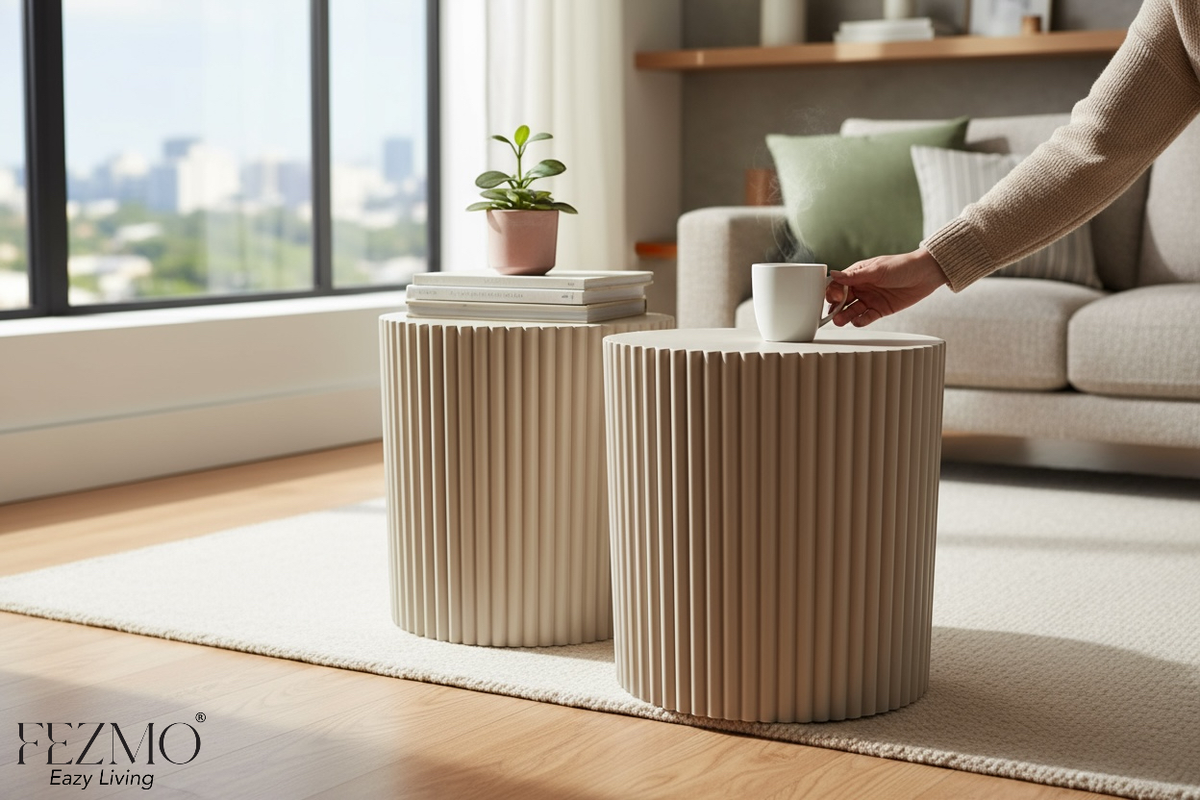
Luxury in furniture should describe the quality of materials, the skill involved in construction, and the durability of the finished piece, not simply a higher price point attached to a standard design. A piece can be expensive without being well made, just as a modestly priced piece can reflect genuine craftsmanship if the maker's costs are structured differently.
What Goes Into Truly Personalised Furniture
Several concrete factors separate furniture that is genuinely built around a client from furniture that only appears that way.
Material Selection and Sourcing
Different solid woods have different characteristics, including density, dimensional stability, moisture response, and durability, so material selection should take the intended use and environment into account. A maker offering real customisation should be able to explain why a specific wood or upholstery material suits a client's particular use case, rather than defaulting to whatever is currently in stock.
Craftsmanship and Construction Techniques
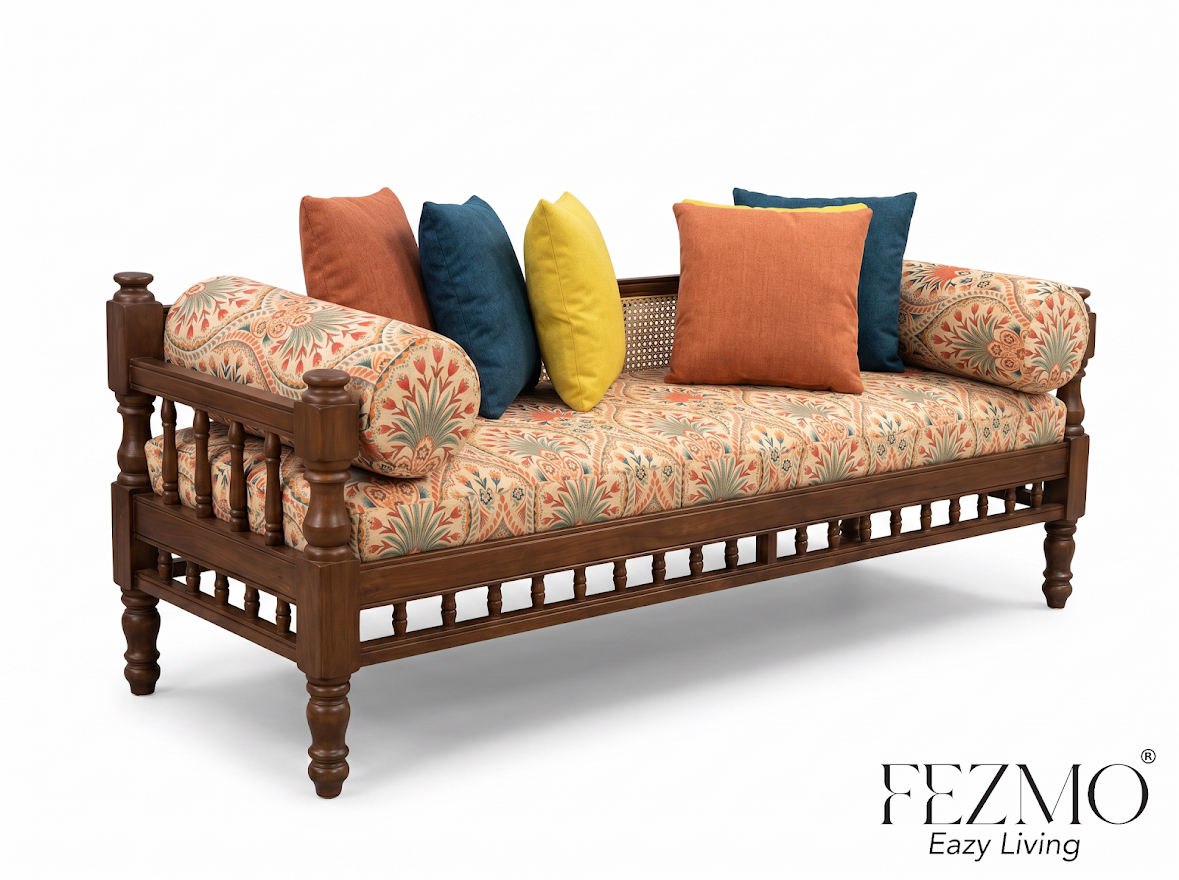
Joinery methods, frame construction, and finishing techniques affect how long a piece lasts far more than its surface appearance does. Hand-finished details, appropriate joinery, reinforced stress points, and attention to structural construction can contribute significantly to a piece's long-term durability. Elements that are not immediately visible, such as frame construction, joinery, support systems, and appropriate cushioning, can have a significant effect on comfort, performance, and long-term durability.
Fabric, Finish, and Detail Customisation
Depending on the maker and design, personalisation can extend beyond colour choice to details such as stitching style, cushion firmness, armrest shape, dimensions, and hardware. These details rarely show up in marketing photos, but they are often what makes a piece feel genuinely tailored once it is actually in a home. Some makers also offer a choice of fabric composition, such as natural fibres versus synthetic blends, which can affect comfort, maintenance, and how the piece ages over time.
The Made-to-Order Process, Step by Step
Understanding how a piece actually gets built helps set realistic expectations for both timeline and outcome.
Design Consultation and Space Assessment
A proper consultation involves more than picking a design from a catalogue. It typically includes measuring the actual space, discussing how the piece will be used day to day, and understanding practical constraints such as doorway widths or staircase access for delivery. A good consultation also asks about who uses the space and how, since a sofa built for a household with young children needs different fabric and cushion choices than one built primarily for occasional formal seating.
Prototyping and Material Approval
Depending on the complexity of a piece, a maker may share material samples, technical drawings, or in some cases a small scale mockup before committing to full production. These steps can help identify potential mismatches between the client's expectations and the proposed design before full production begins.
Production Timelines and What Affects Them
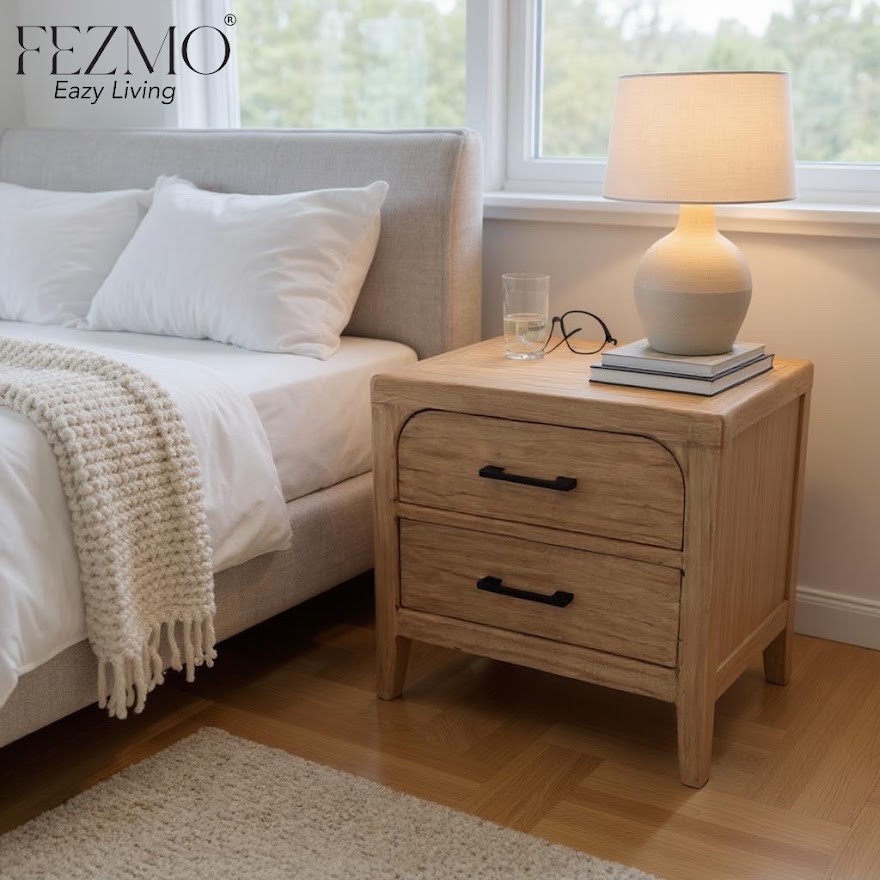
Custom pieces generally take longer than ready-stock furniture, with the timeline depending on the design, materials, availability, production workload, and finishing requirements. Pieces requiring extensive hand carving or specialty upholstery naturally take longer than simpler designs built from standard components.
What to Expect From a Furniture Showroom Visit
Visiting a furniture showroom in Anna Nagar in person, rather than relying solely on online photos, makes it easier to evaluate material quality directly, test seating comfort, and discuss customisation options with someone who can explain the construction process in detail rather than reciting a generic product description.
Warranty and After-Sales Support
A clear warranty that explains what is covered, for how long, and how structural or manufacturing issues are handled can provide useful insight into the support a maker offers after purchase. The presence, or absence, of a clear after-sales policy is often a useful indicator of how much a maker actually stands behind their own construction methods.
How to Tell If Furniture Is Genuinely Made for You
A few practical signs help separate real customisation from furniture that is only marketed that way.
Signs of Real Customisation
A maker offering genuine customisation should be willing to discuss specific construction details, adjust dimensions rather than only fabric, and provide a realistic timeline that reflects the actual complexity of the request rather than a generic delivery estimate applied to every order.
Red Flags That Signal Mass Production Marketed as Custom
Vague answers about construction methods, an inability to adjust dimensions, or a customisation process limited entirely to surface-level options may indicate that a product offers less personalisation than the term custom suggests.
Why This Matters for Chennai Homes Specifically
Changes in humidity and temperature can affect certain wood products, finishes, adhesives, and other furniture components over time. For homes in Chennai, material selection, proper seasoning or preparation, construction quality, and environmental conditions should therefore be considered together. Working with a maker experienced in home furniture for Chennai homes means fewer surprises with cracking, swelling, or finish deterioration a few years down the line.
Common Mistakes Buyers Make When Ordering Custom Furniture
A few recurring issues tend to come up during the custom furniture process, and being aware of them in advance can help avoid delays or mismatched expectations.
Approving a design without confirming exact measurements against the intended space.
Assuming verbal descriptions of fabric or finish will match expectations without seeing physical samples first.
Not clarifying what happens if a change is requested after production has started.
Overlooking delivery logistics, such as whether a piece can actually fit through doorways, lifts, or staircases.
Focusing primarily on price without asking enough about materials, construction, and warranty coverage.
Frequently Asked Questions
How much longer does custom furniture take compared to buying off the shelf?
Custom pieces can take longer than ready-made furniture, depending on the design, materials, production schedule, and finishing requirements.
Is bespoke furniture always more expensive than custom furniture?
Not necessarily. Bespoke furniture often costs more due to the design work involved, but pricing depends heavily on materials and construction complexity, so a simpler bespoke piece can sometimes cost less than a heavily customized standard design.
Can custom furniture be adjusted after the initial consultation?
Most makers allow some adjustments during the design or prototyping stage, though changes become more limited and potentially costly once production has actually begun, which is why a thorough initial consultation matters.
Does Chennai's climate actually affect furniture material choices?
Yes. Humidity and temperature changes can affect certain woods, finishes, adhesives, and other furniture components over time. The suitability of a material depends on its properties, preparation, construction, finish, and the conditions inside the home.
What questions should I ask to confirm furniture is genuinely custom made?
Ask specifically about construction methods, expected timelines relative to the piece's complexity, and whether dimensions can be adjusted, not just fabric or colour, since these answers reveal whether real customisation is actually being offered.
Final Thoughts
Luxury furniture made for you should feel like a direct response to your space and your life, not a slightly modified version of something already sitting in a warehouse. The real markers of genuine customisation show up in the details: material sourcing, construction technique, and a process that actually adapts to your specific requirements rather than offering a narrow set of surface-level choices. If you are ready to discuss what a truly personalised piece could look like for your home, reach out to our team to start the conversation.