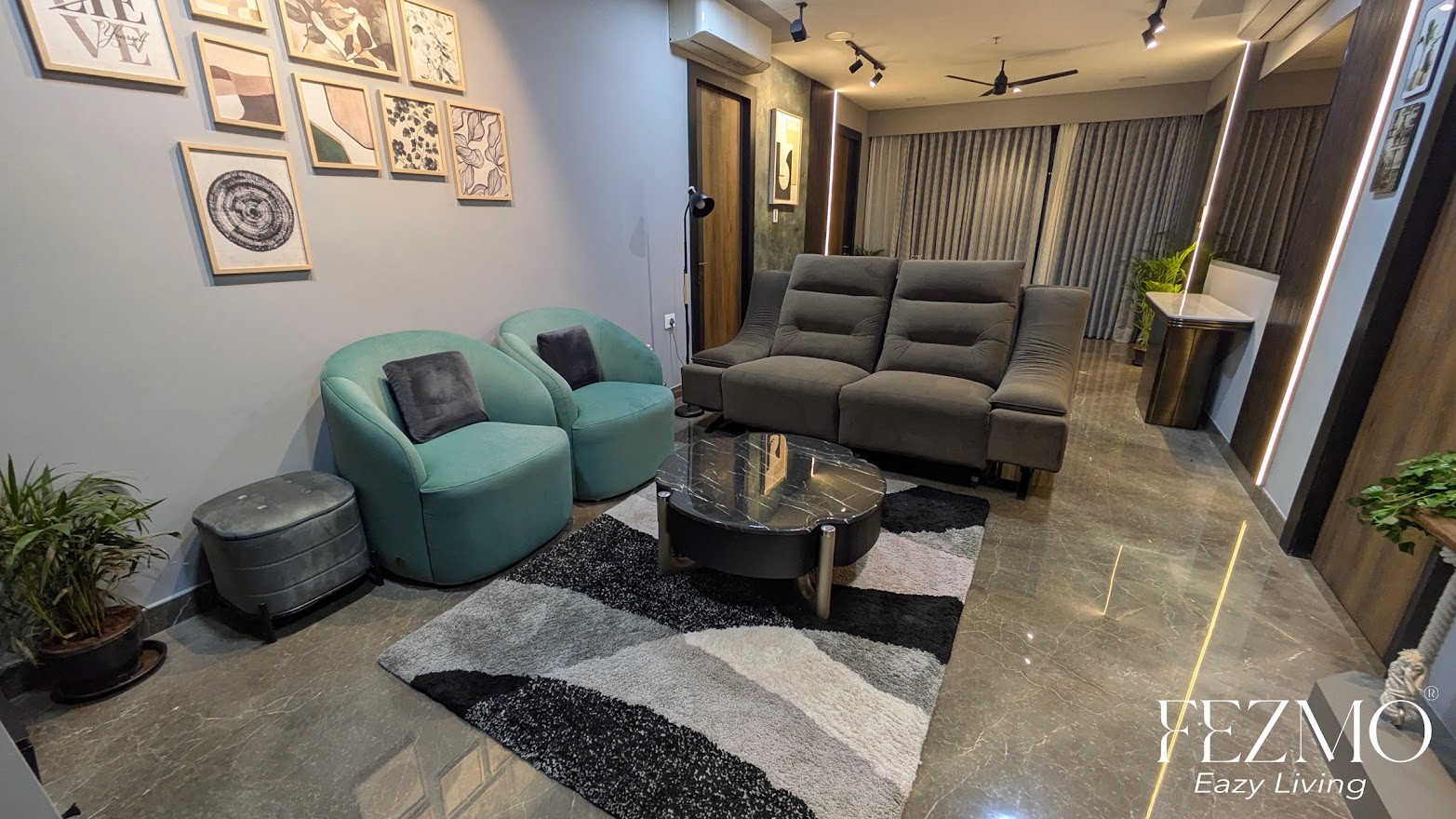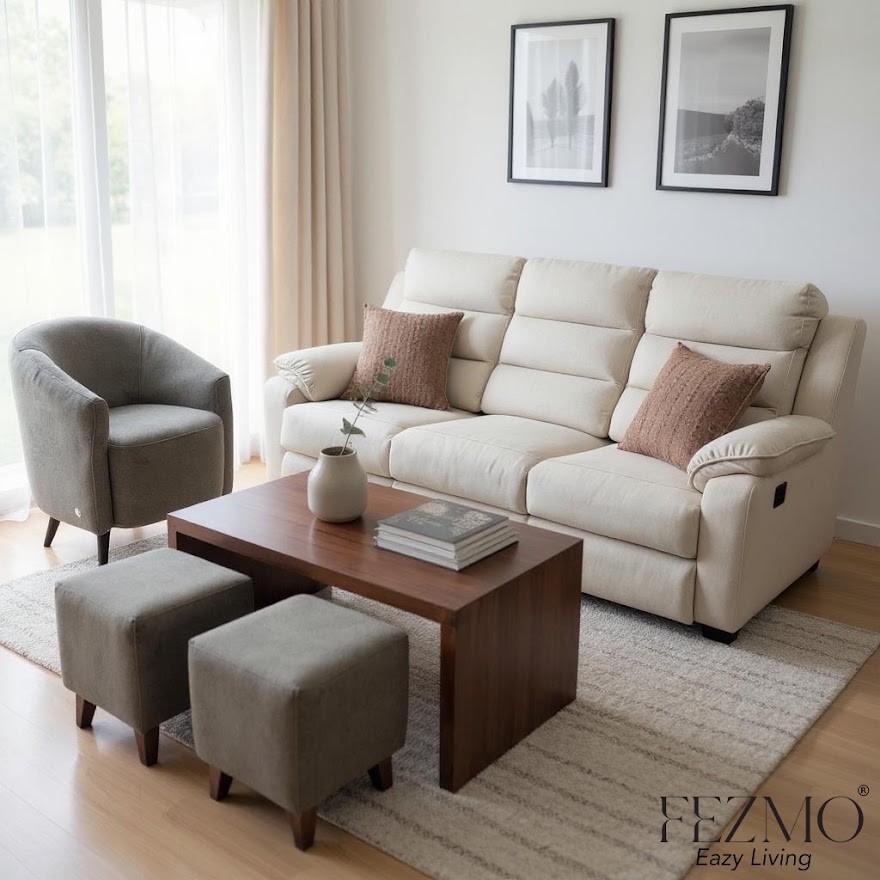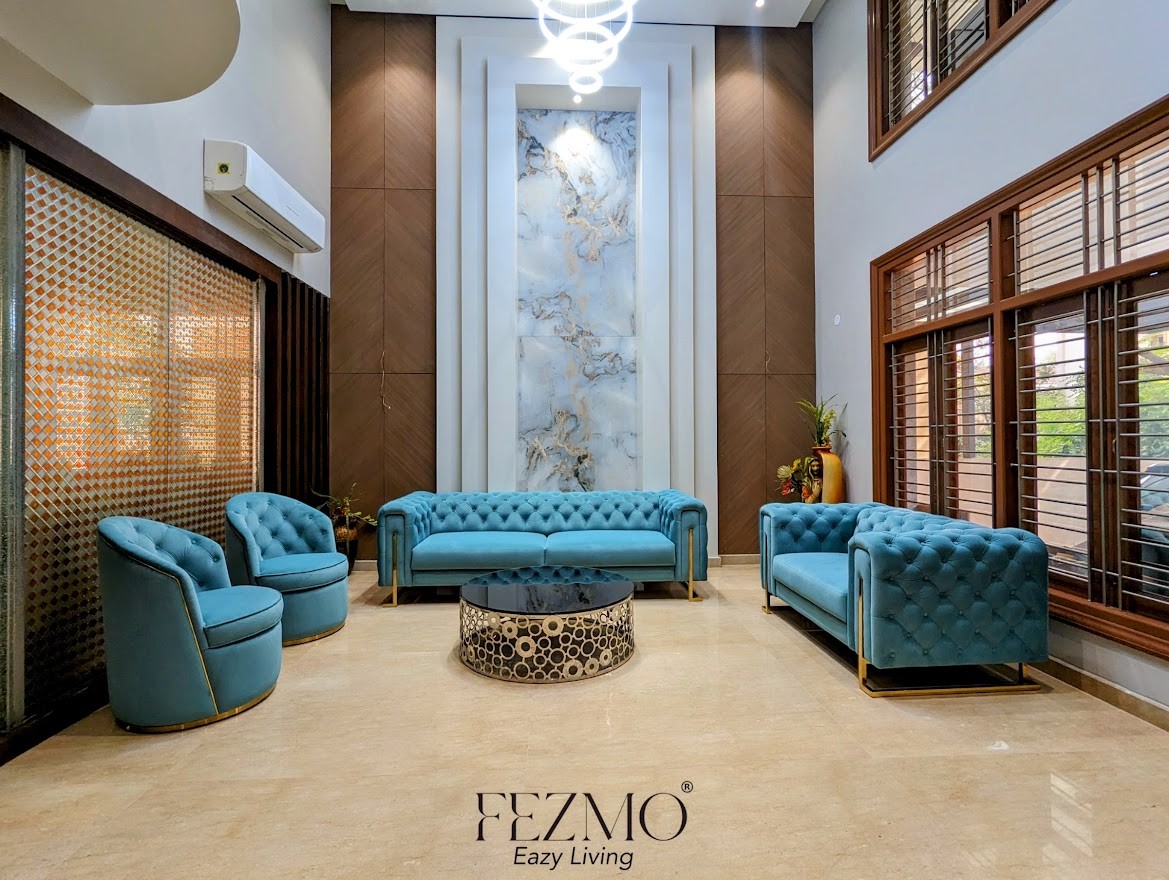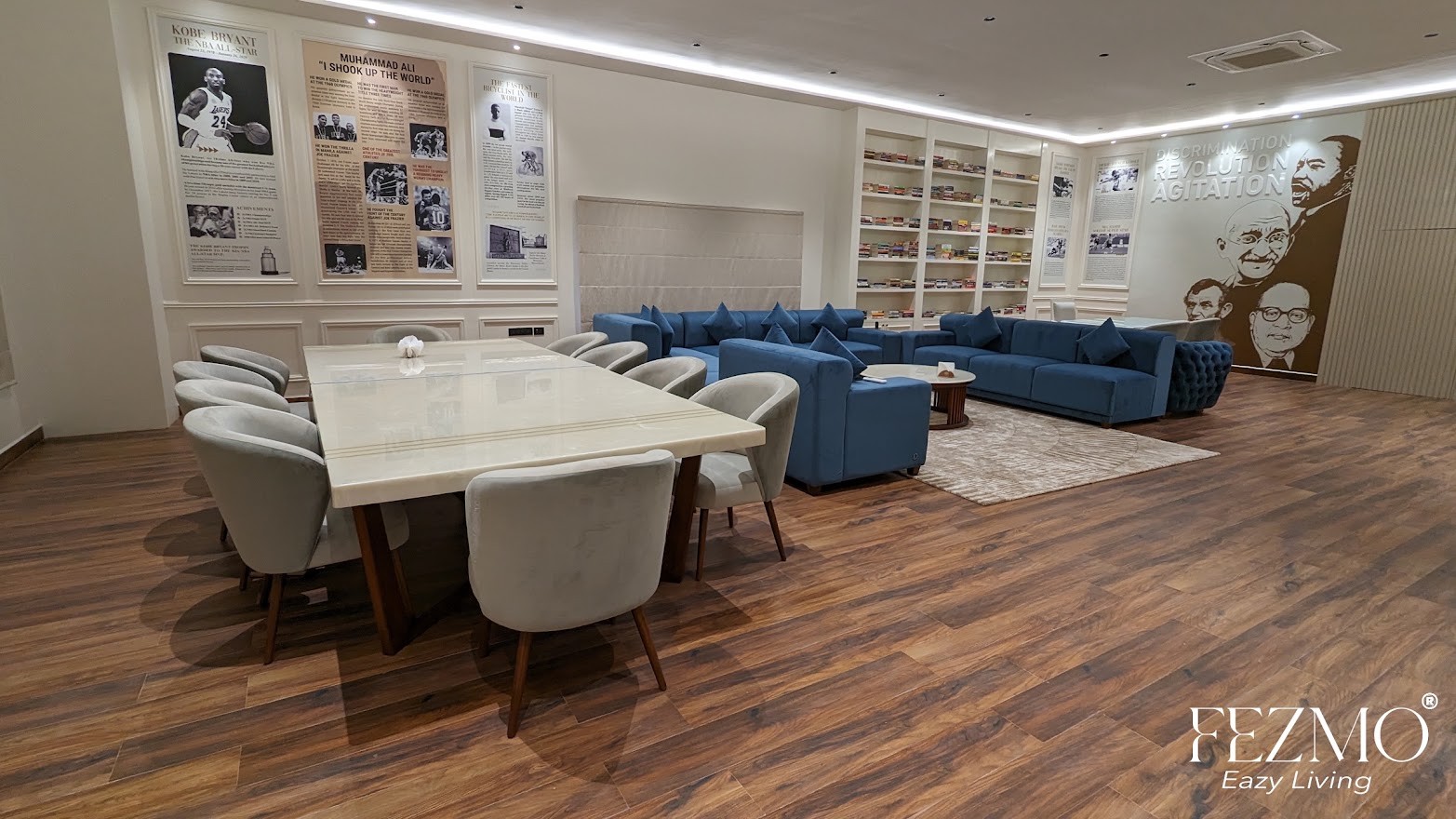
Visit a Chennai furniture showroom today and you may find a more prepared buyer: someone carrying room measurements, saved reference images and clear preferences about what will work in a particular home. Ready-made furniture remains popular, but it is no longer the only route buyers consider. Many homeowners are also comparing made-to-order options when standard sizes do not suit their rooms, and the growing interest in customised furniture in Chennai is one sign of that shift. Increasingly, people are shopping for a fit rather than simply for an object.
This change has been building quietly for a few years, and it has grown as apartments have multiplied, tastes have sharpened and the internet has made buyers more informed. What follows is a look at what many Chennai homeowners appear to want now, how the market is responding, and what it means for anyone about to furnish a home in the city. It is worth saying up front that the market is not moving in a single direction, and one clear countertrend is covered further down.
Why Custom Furniture Is Gaining Attention
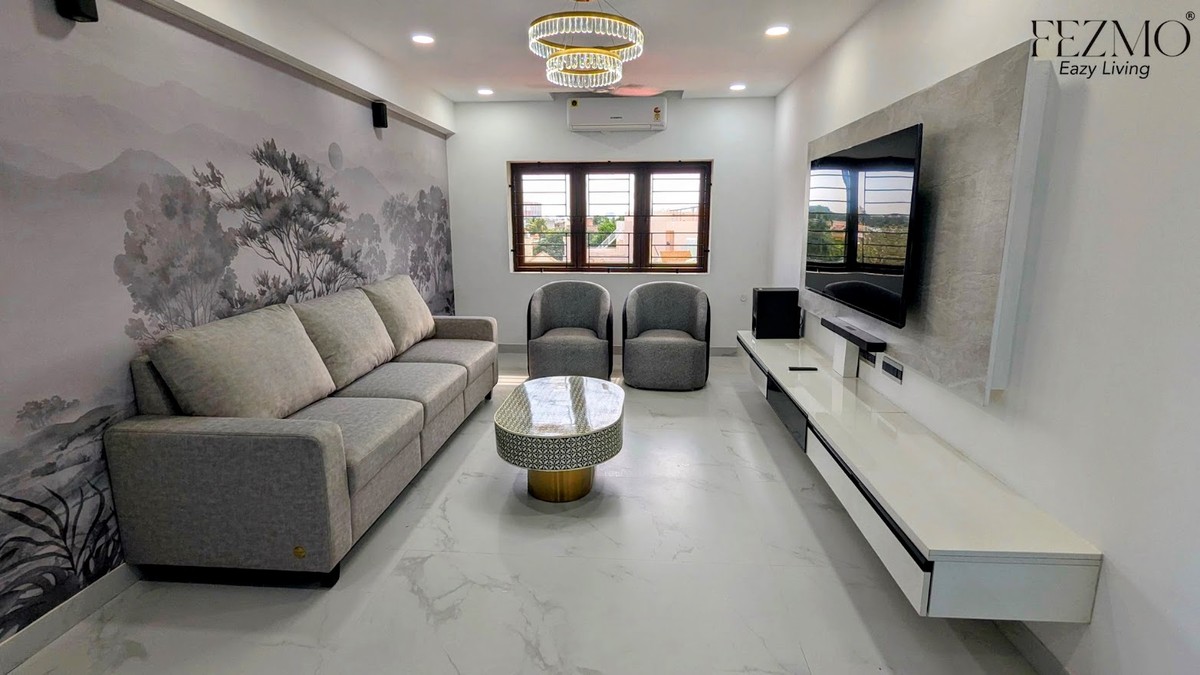
One noticeable change is the move away from standardised pieces toward furniture made for a specific home. Where buyers once adjusted a room to the furniture they could find, more now expect the furniture to adjust to the room. A sofa built a little shorter to clear a window, a wardrobe sized to the height of a bedroom wall, a dining table scaled for a family of five rather than a generic six: these are the kinds of requests Fezmo hears regularly from its customers.
Part of the appeal is practical. Chennai apartments, including newer homes in growth corridors such as OMR and western Chennai, can vary considerably in room dimensions, passages, windows and built-in features. That variation can make standard furniture difficult to place efficiently, and a ready-made piece can sometimes waste space or overwhelm a room. Made-to-order furniture addresses a problem that mass-produced ranges often cannot, and many buyers have responded. Waiting a few weeks for something that fits properly has become widely accepted, where once it might have seemed excessive.
Personalisation Beyond Size
It is not only about dimensions. Buyers want a say in fabric, finish, wood tone and configuration, and a piece that reflects their taste rather than a catalogue's idea of a living room. This expectation, once reserved for high-budget projects, is becoming more common among middle- and upper-income homeowners. Many now assume they can influence what they buy, and showrooms that cannot offer that flexibility can feel dated by comparison.
How Online Research Changed Buying
Today's shopper often arrives having done homework. They have compared materials, read about frame construction and formed opinions about what constitutes quality. This has raised the standard of conversation in a showroom, and it rewards honesty. When someone visits Fezmo's Chennai furniture showroom, they are effectively testing whether the answers hold up. Vague claims rarely survive contact with a well informed buyer.
This shift has been healthy for the market. It encourages stores to be transparent about materials, construction and what any guarantee actually covers. Buyers who ask sharp questions tend to end up with better furniture, and the stores that welcome those questions tend to earn loyal customers. Relying on a persuasive display and a quick close is becoming less effective with research-driven buyers.
Durability, Repair and Value
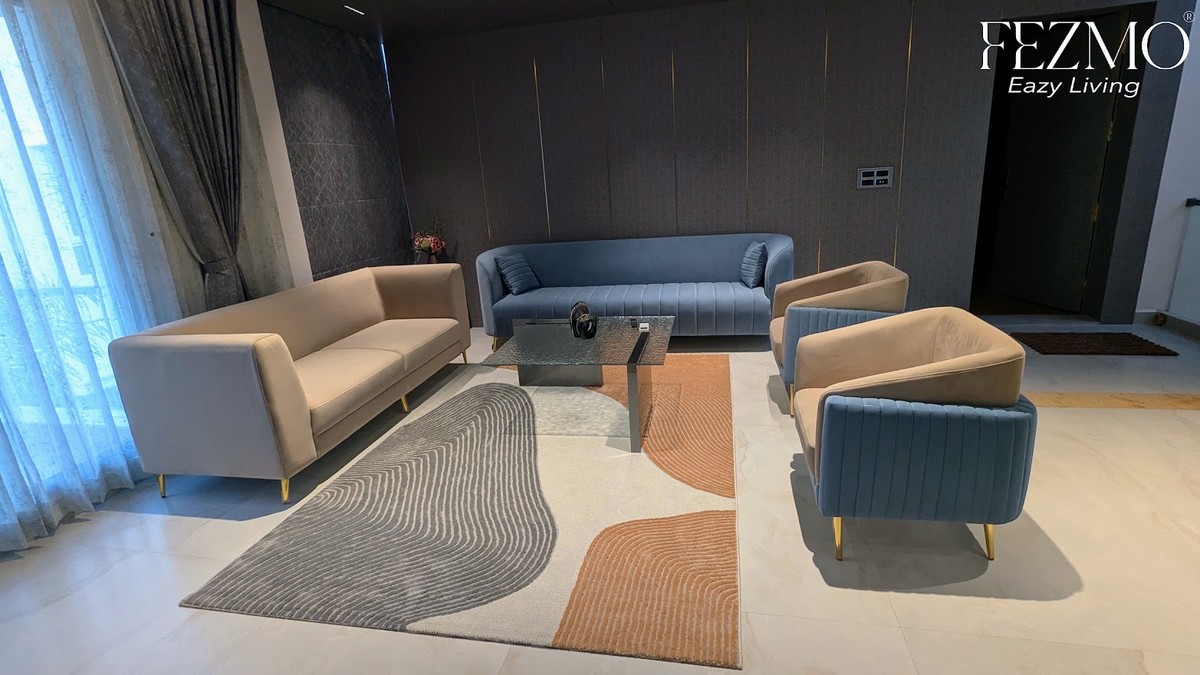
Some buyers are showing greater interest in furniture that can withstand regular use, be repaired and remain useful through changing interiors. Part of this is financial sense and part of it is a growing dislike of waste. Either way, it shapes what people prioritise. Solid construction, timeless design and the option to repair rather than replace have become selling points, and some buyers appear willing to pay for them.
Why Service Matters
Homeowners increasingly judge the whole journey, not just the item, noticing whether a store listens, whether delivery is handled with care and whether someone responds when a problem arises later. Choosing custom-made furniture in Chennai depends as much on trust in the process as on the finished piece, since a bespoke order asks the buyer to commit before seeing the result.
This is why service, communication and after-sales support have become central to the decision for many buyers. A well made piece delivered carelessly, or a company that becomes hard to reach once payment clears, tends not to win repeat business in a city where word travels quickly through resident groups and social feeds. Buyers reward the stores that treat the relationship as ongoing rather than as a single transaction.
How Buying Patterns Are Shifting
- From choosing showroom stock → Considering furniture sized specifically for the room.
- From fixed sizes and finishes → Asking about fabric, finish, and configuration options.
- From relying mainly on the salesperson → Researching materials and reviews beforehand.
- From replacing furniture when styles change → Considering durability and repairability.
- From focusing mainly on the product → Evaluating delivery and after-sales service.
- From preferring immediate availability → Accepting a lead time for the right specification.
How Digital Tools Reshaped the Journey
Much of this change would be harder to imagine without the phone in every buyer's hand. People now walk into a showroom having seen many rooms online, saved layouts they admire and read frank reviews from other residents. This access has made buyers more confident and more specific about what they want, and it has raised the bar for stores, because a homeowner who has researched for weeks is not easily impressed by a display alone.
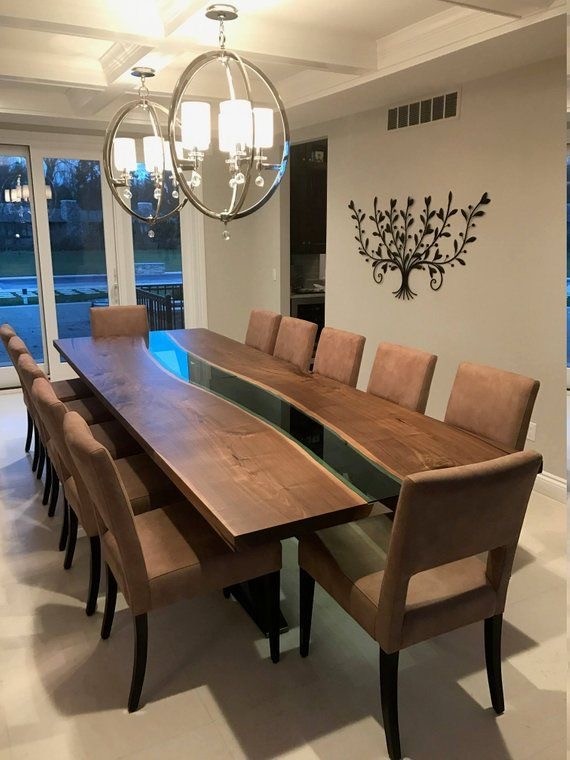
Digital tools have also shortened the distance between an idea and a decision. Buyers share reference images with a store, discuss finishes over a message and try to visualise how a piece will sit in a room before committing. Sharing measurements, reference images and finish samples can help reduce misunderstandings, although the final result still depends on accurate specifications, materials and production quality.
A Second Trend: Furniture Rental
Not every household in the city is moving toward long-term, bespoke pieces. Alongside the interest in personalised furniture, furniture rental has been gaining ground, particularly among short-tenure residents such as students and professionals on temporary postings. Reporting from mid-2026 pointed to rising rental demand across several neighbourhoods, including Velachery, Adyar, OMR, T. Nagar, Tambaram, Anna Nagar and Porur.
The two trends are not contradictory. They reflect different needs. A family settling into a long-term home may invest in furniture built to last, while someone staying for a year or two may prefer the flexibility of renting. For buyers, the useful takeaway is to match the approach to the expected length of stay and the way the home will be used, rather than assuming one model suits everyone.
Why the Market Is Responding
Stores that have noticed these shifts are adapting how they work. They are investing in design consultations, offering configurable ranges and being more open about materials and process. This is a response to buyers who may otherwise walk away. For some retailers, competition increasingly includes who understands the customer best, not only who offers the lowest price, which is a healthier place for the market to be.
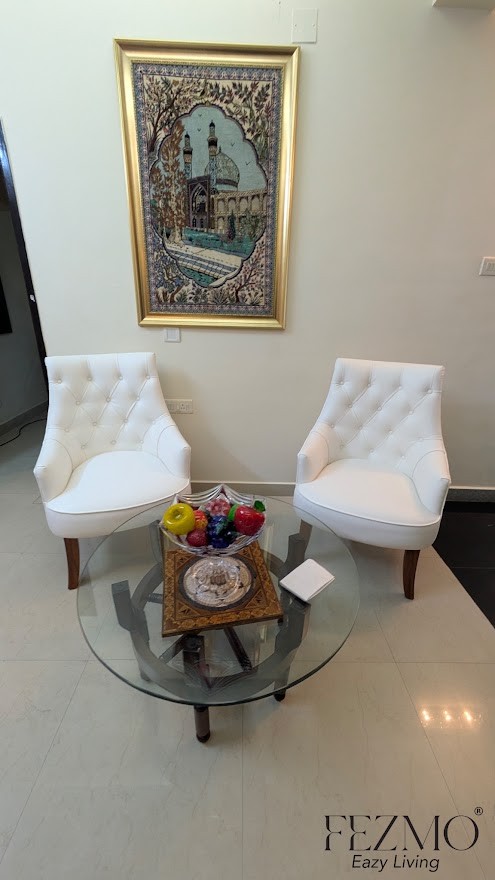
For homeowners, much of this is welcome: more choice, more transparency and more furniture built around real homes rather than generic assumptions. The one thing it asks in return is a little more thought when making a purchase, because a market built on personalisation rewards the buyer who knows what they want.
What to Check Before Ordering
If you are about to furnish or refresh a home in the city, the essentials are straightforward. Measure your space, know your taste, ask direct questions about materials and timelines, and choose a partner who treats the process as seriously as you do. Confirm what any guarantee covers and how long delivery will take before you commit. When you are ready to plan pieces built around your home rather than someone else's template, get in touch with the Fezmo team to start the conversation.
Frequently Asked Questions
Why is made-to-order furniture becoming more common in Chennai?
Because apartments in the city vary in dimensions, layouts and built-in features, and many buyers want pieces sized and styled for their exact space. Furniture built to fit can avoid wasted room and suit personal taste more closely than standard ranges.
Does personalised furniture cost significantly more?
Not always. Some bespoke work carries a premium, but the better fit, longer life and reduced likelihood of early replacement can make it sensible value over time rather than a pure luxury expense. Costs vary by material, size and finish.
How long does custom furniture usually take?
It depends on the piece, materials and finish. Buyers today generally accept a lead time of a few weeks in exchange for something that fits properly. Planning ahead of a move or renovation removes pressure from the timeline, so it helps to confirm the schedule with the store in advance.
What should I check before ordering bespoke furniture?
Confirm the measurements, understand the materials and construction, ask exactly what any guarantee covers, and make sure the store communicates clearly and supports the piece after delivery. It is also worth clarifying delivery timelines and whether a custom order can be modified or cancelled.