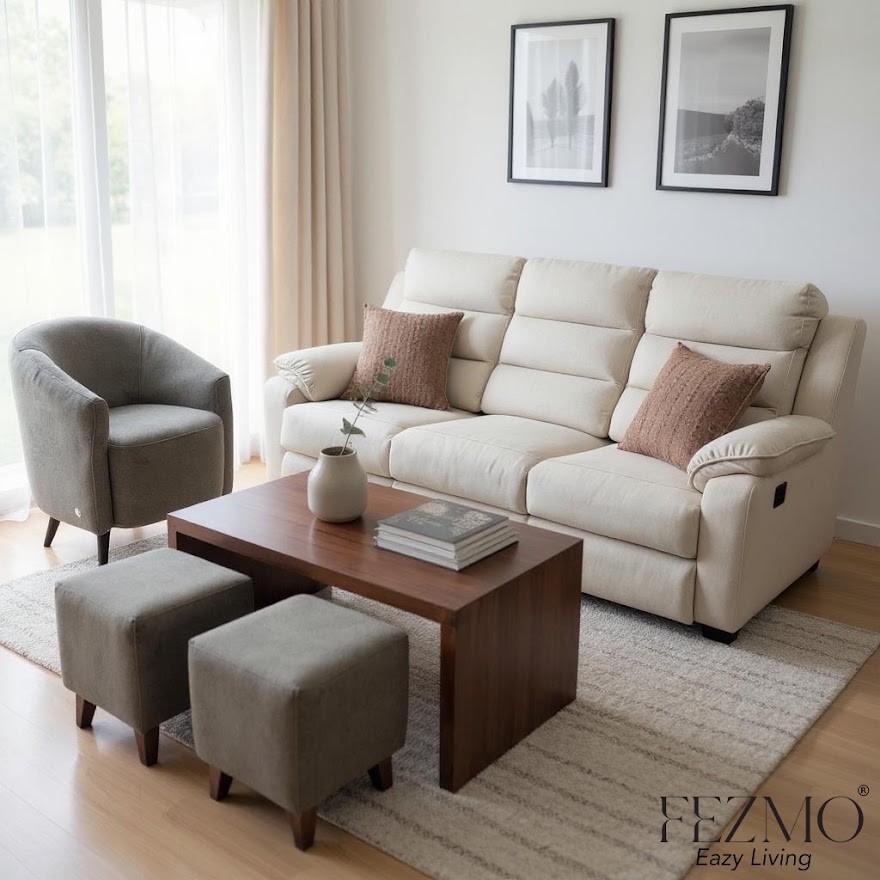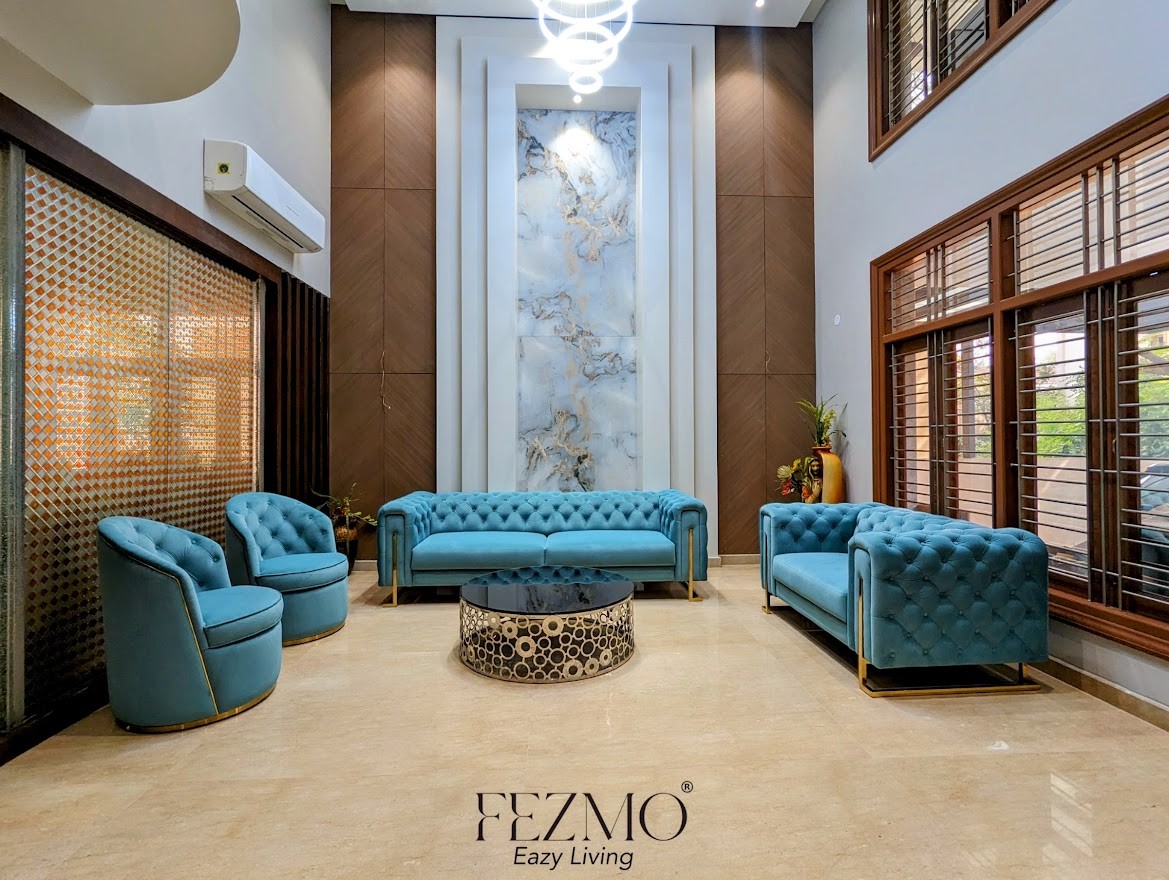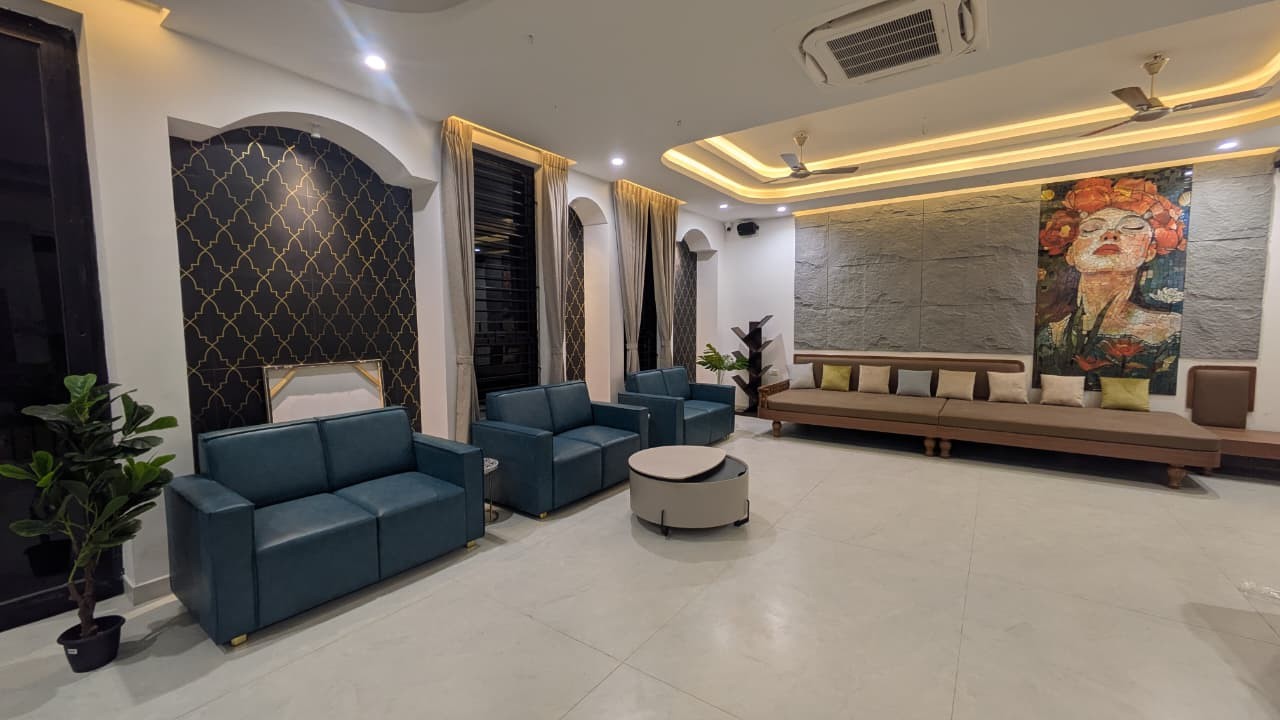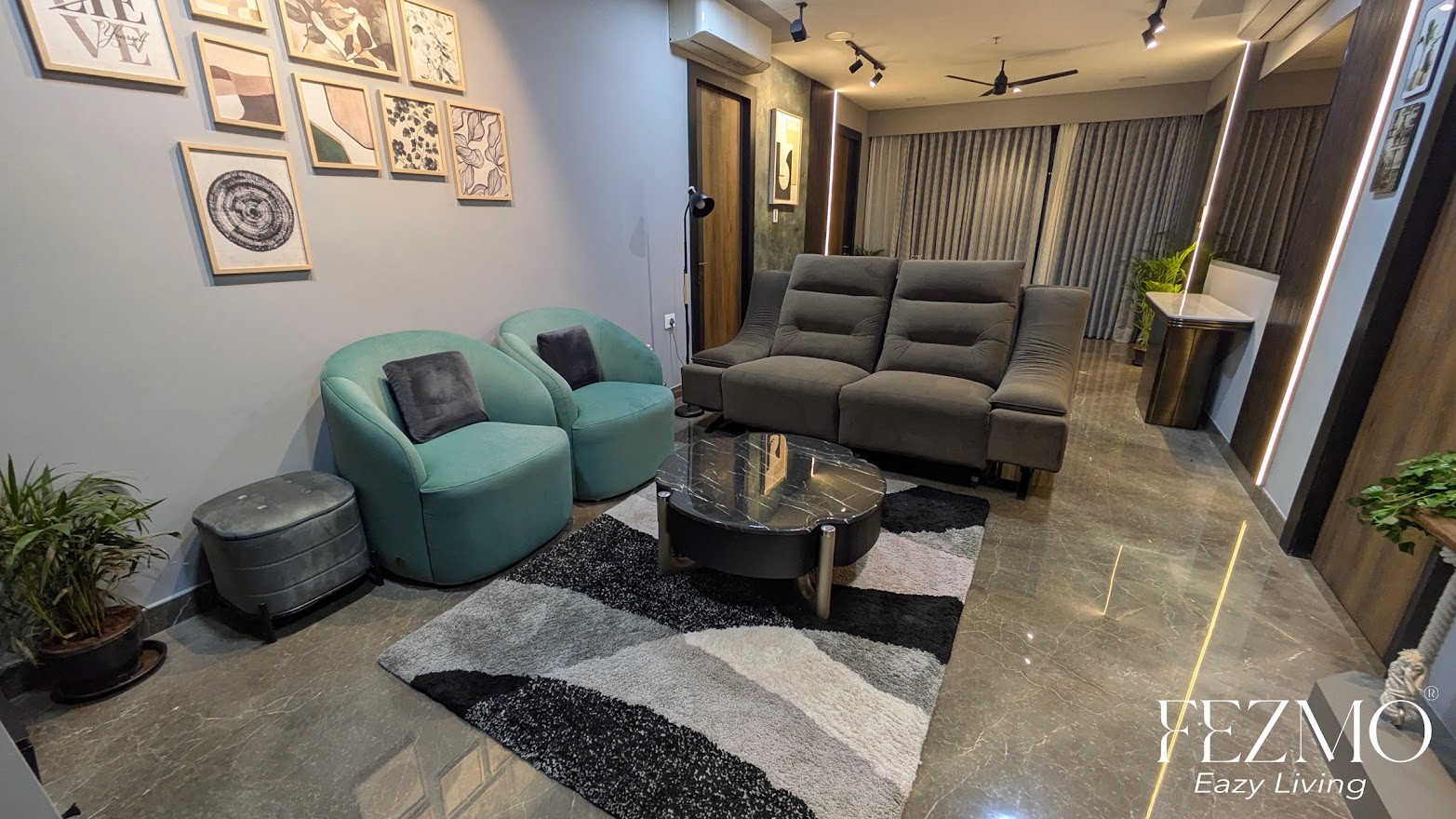
Most people furnish a home in the same predictable way. They walk into a showroom, pick a piece that looks close enough to what they had in mind, and carry it home hoping it fits. It usually works until it does not. The sofa ends up a few inches too long for the wall. The wardrobe finish clashes with the flooring. The dining table seats six when the family actually needs eight. This is the quiet compromise that comes with buying ready-made pieces off a shelf. Choosing customised furniture in Chennai changes that equation completely, because the furniture is built around your space instead of your space being rearranged around the furniture.
Interest in customised and made-to-order furniture is growing in India's urban markets, and Chennai is no exception. As personal taste becomes harder to satisfy with mass-produced catalogues, more households are asking a simple question before they furnish a room: should I buy something close enough, or should I get something made exactly right?
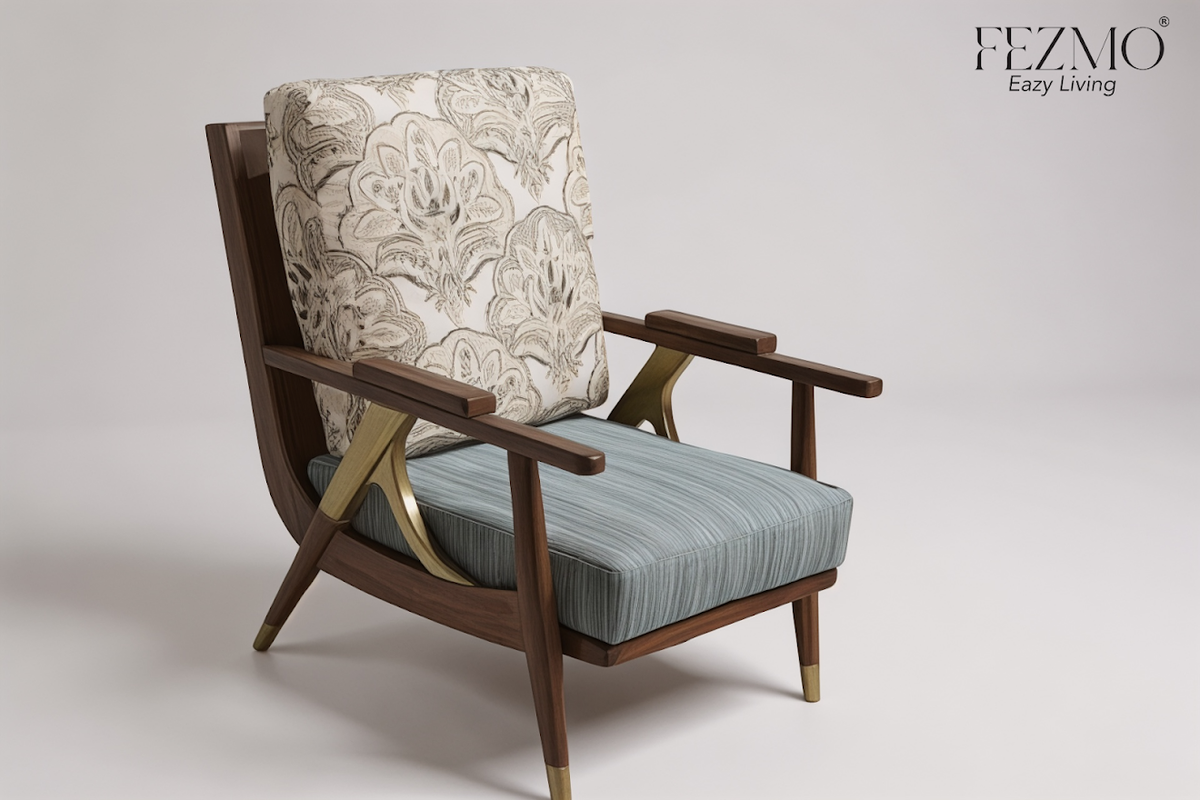
The Shift from Buying to Designing
For decades, furniture buying meant choosing from what was already on the showroom floor. Manufacturers built in bulk, retailers stocked standard sizes, and buyers adjusted their expectations to match whatever was available. That model worked reasonably well when homes followed similar layouts and family needs were fairly uniform. It works far less well today.
Modern homes in Chennai come in every shape imaginable, from compact 2BHK apartments in Velachery to duplex villas in OMR. A wardrobe that fits perfectly in one bedroom might waste a foot of usable space in another. A study table that suits one work-from-home setup might be too shallow for someone who uses dual monitors. Mass-produced furniture is designed around standard dimensions and may not suit every room or household.
Why Ready-Made Furniture Falls Short
Ready-made pieces are built to standard dimensions, standard finishes, and standard price points. That standardisation keeps manufacturing costs low, but it also means buyers are constantly making small trade-offs. A cabinet might be the right height but the wrong depth. A bed frame might look right in the store but feel oversized once it is placed against a bedroom wall. Over time, these small mismatches add up, leaving homes filled with furniture that is functional but never quite ideal.
Why Homeowners Are Rethinking Their Furniture Choices
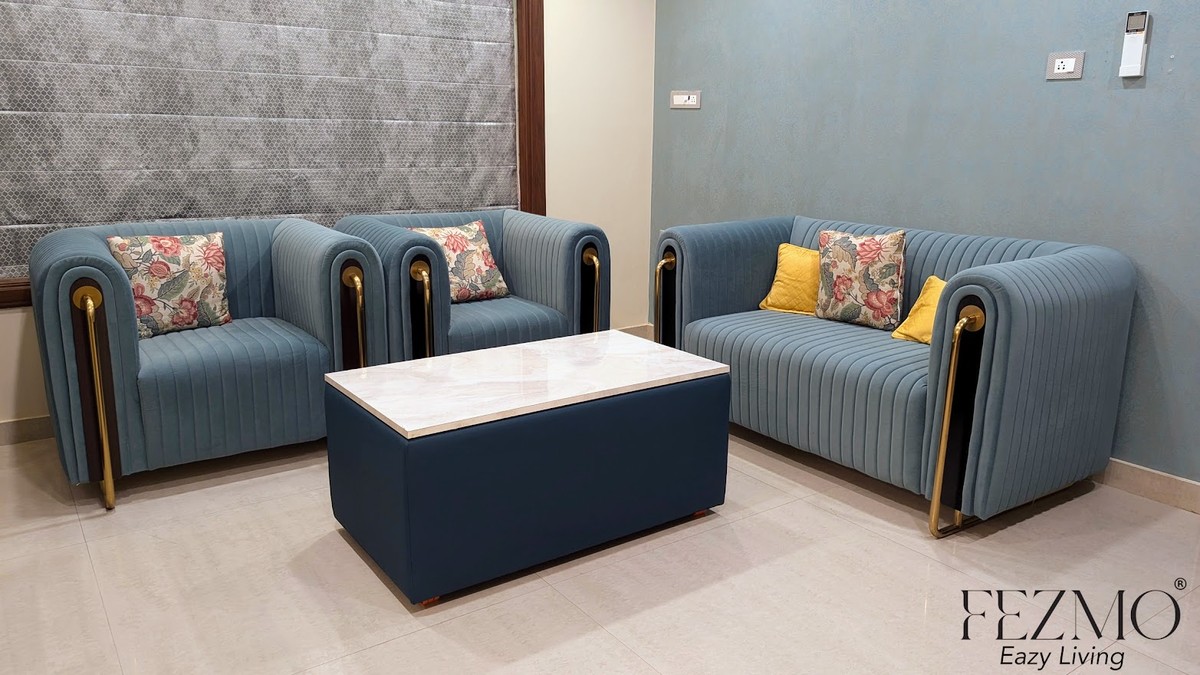
There has been a noticeable change in how people approach home interiors over the past few years, partly driven by more time spent at home after the pandemic and partly by rising awareness of interior design as a serious part of home ownership. People are no longer satisfied with furniture that merely fills a room. They want pieces that reflect how they actually live, work, and relax. This is one reason furniture stores in Chennai that once focused purely on ready-made catalogues have started offering made-to-order options alongside their standard ranges.
The Local Advantage of Designing Furniture in Chennai
Working with a local furniture maker instead of an anonymous online catalogue has practical benefits. An experienced local maker may be familiar with Chennai's coastal climate and common installation conditions, which can affect how wood, veneer, and adhesives perform over time. It is also worth asking whether the maker has experience with common apartment layouts in the city, from Anna Nagar to Sholinganallur, since this can help with sizing for narrow doorways, low ceilings, or compact balconies. This kind of local knowledge is difficult to replicate through a generic, mass-market supplier based elsewhere.
What Actually Changes When You Design Your Own Furniture
The difference between buying and designing is not just about appearance. It touches nearly every aspect of how furniture functions in daily life.
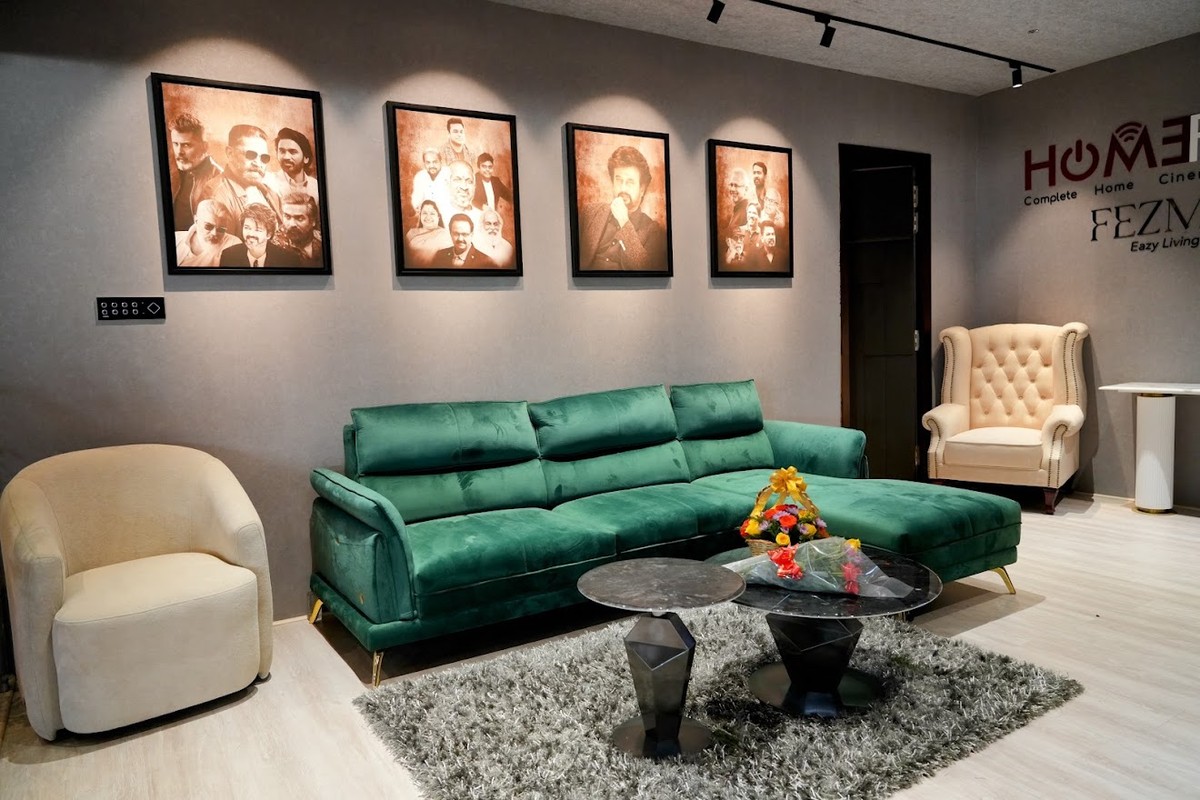
Personalisation Beyond Colour and Fabric
Most people assume customisation only means picking a different upholstery colour or a new laminate finish. In reality, it goes much further. Designing furniture allows you to decide the exact number of drawers in a unit, the height of a cabinet relative to a window, the type of hinge used on a door, and even where a cable management slot should sit on a work desk. These decisions are rarely available when buying something already built.
Better Use of Every Square Foot
Many Chennai apartments require careful space planning, particularly where rooms, passages, or storage areas are limited. A wardrobe designed to fit an awkward alcove, or a bed with built-in storage sized to match the exact width of a bedroom, uses space that would otherwise be wasted. Ready-made furniture, by contrast, is built for generic room dimensions and often leaves gaps that collect clutter.
Material Choices That Match Your Lifestyle
Designing furniture also means choosing materials based on how a piece will actually be used, rather than picking from whatever is in stock. A household with young children might prioritise scratch-resistant laminates and rounded edges. A home office might call for engineered wood with a matte finish that reduces glare from a laptop screen. These choices are difficult to make when selecting from a fixed range of finished products.
Furniture Built to Last Longer
A custom order may allow the buyer to specify better-quality hardware, thicker board materials, and joinery suited to the specific piece, though these details should always be confirmed in writing before production begins. When the materials, hardware, joinery, and workmanship are appropriate and properly maintained, drawers tend to glide more smoothly, hinges wear more slowly, and structural joints are less likely to loosen with daily use. This potential for durability is one of the benefits worth weighing when choosing a design-first approach over a buy-off-the-shelf approach.
Cost: What People Often Get Wrong
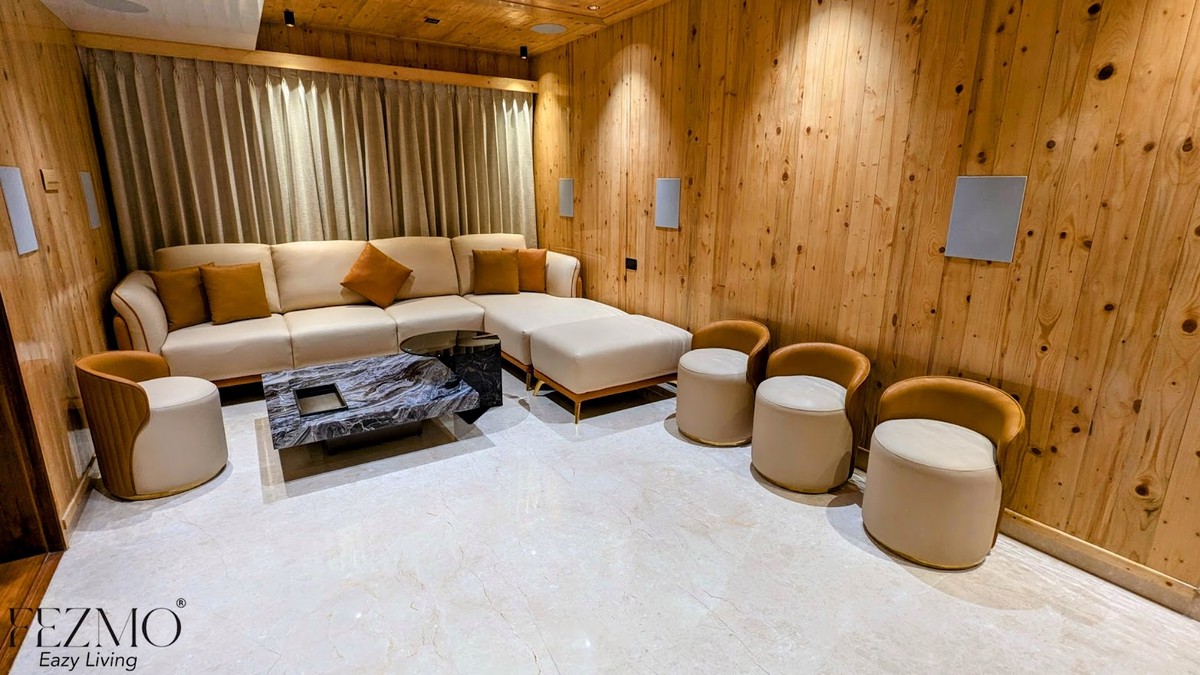
A common assumption is that designing furniture always costs significantly more than buying it ready-made. This is not entirely accurate. While certain bespoke pieces can carry a premium, especially those using solid wood or intricate detailing, some made-to-order options may be comparable in price to mid-range ready-made products, depending on materials, design, and quantity. Ready-made pieces that need replacing within a few years due to wear often end up costing more over time than a single, well-built custom piece designed to last.
How the Furniture Design Process Actually Works
For anyone considering custom furniture in Chennai for the first time, the process is usually more straightforward than expected. It generally follows a few clear stages.
The process typically begins with a consultation, either in person or online, where measurements of the space are taken and requirements are discussed. This is followed by material and finish selection, where budget, durability, and aesthetic preferences are matched to available options. Some designers offer drawings or 3D visualisations at this stage, allowing homeowners to see how the finished piece will look before production begins. Once the design is approved, the furniture is manufactured and finally delivered and installed on-site. Lead times vary depending on complexity and should always be confirmed in the quotation.
This structured approach removes much of the guesswork that comes with buying furniture sight unseen, since every dimension and finish is confirmed before anything is built.
Things Worth Considering Before You Start Designing
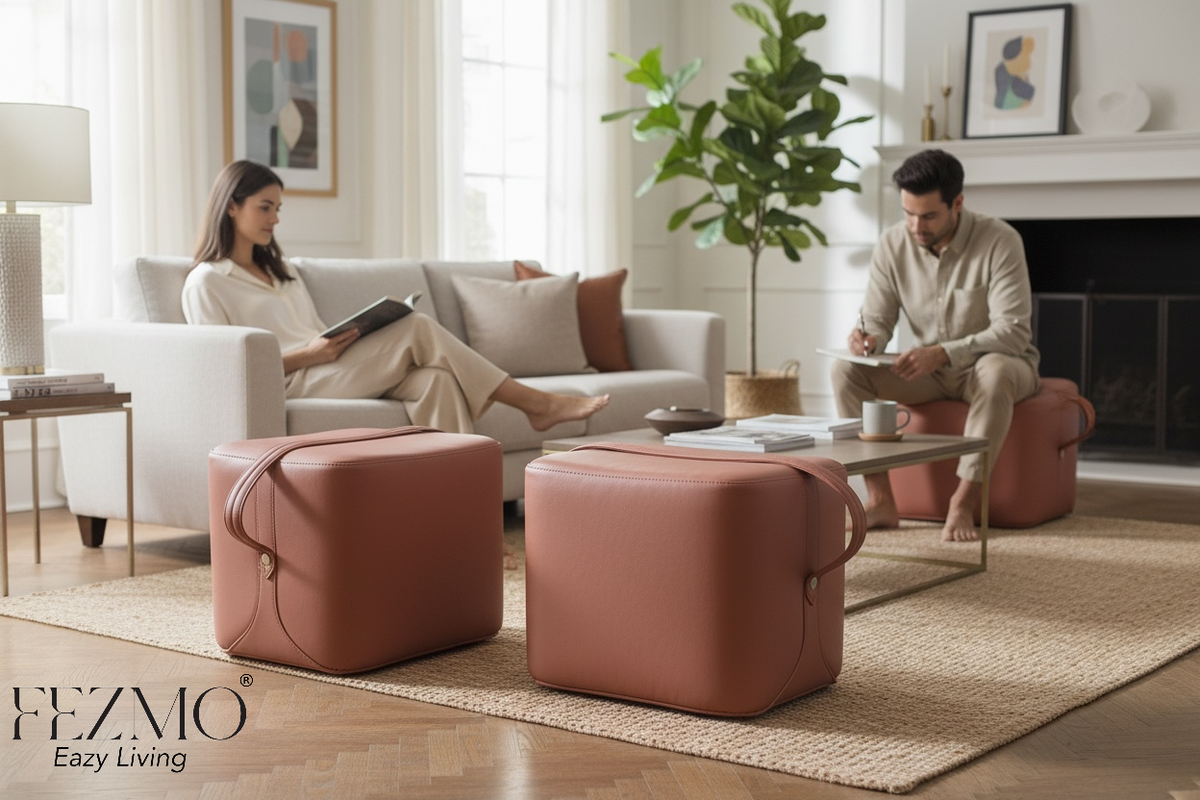
Before committing to a custom furniture project, it helps to have realistic room measurements ready, along with a sense of daily usage patterns for each piece. It is also worth asking about warranty terms, expected delivery timelines, and after-sales servicing, since these vary between manufacturers. Homeowners who take a little time up front to clarify these details tend to have a smoother experience once production begins.
Who Benefits Most from Designing Their Own Furniture
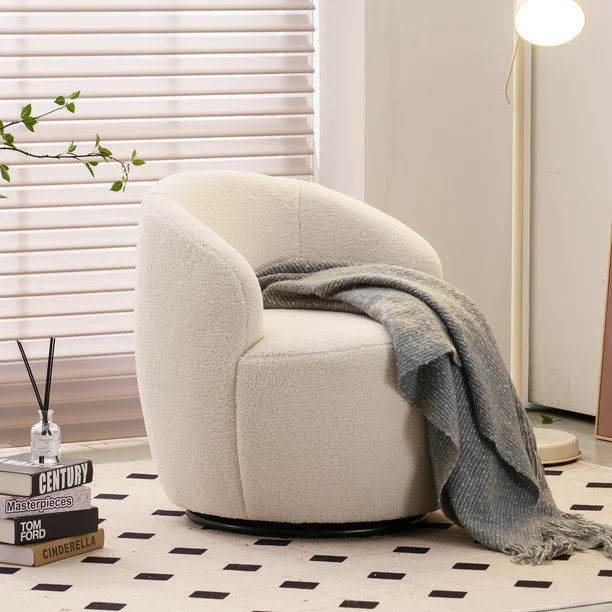
Not every household needs a fully custom approach for every room, but certain situations make it particularly worthwhile. Families moving into an apartment with an irregular layout, such as a sloped ceiling, a narrow passage, or a balcony that doubles as storage, often struggle to find ready-made pieces that fit without wasted space. Similarly, people setting up a dedicated home office, a nursery, or a compact study room tend to have very specific functional needs that generic furniture rarely satisfies.
Renovations and Full Home Interiors
Homeowners undertaking a full renovation or moving into a new build also gain from a design-first approach, since furniture can be planned alongside electrical points, false ceiling layouts, and flooring choices from the start. This coordinated planning is far harder to achieve when furniture is purchased separately after the interior work is already finished.
Small Additions That Still Matter
Custom design is not limited to large purchases like wardrobes or modular kitchens. Smaller additions such as a shoe rack sized for a narrow entryway, a TV unit built to match an existing wall colour, or a bookshelf designed around an odd-shaped alcove can make a noticeable difference in how a room feels, without requiring a full furniture overhaul.
Common Questions Homeowners Ask Before Getting Started
Many first-time buyers want to know how long the process takes. Timelines vary depending on the complexity of the piece and material availability, but a straightforward wardrobe or cabinet is usually ready within a few weeks of design approval. Larger projects involving multiple rooms naturally take longer, since production and installation are scheduled in phases.
Another frequent concern is whether custom pieces can be modified later if needs change. It is worth asking whether adjustable shelves, replaceable hardware, or modular elements can be included in the design, since this can offer more flexibility than fixed, ready-made alternatives.
Final Thoughts
Furniture that is designed rather than simply bought tends to fit better, last longer, and reflect the way people actually use their homes. The shift from buying to designing is less about luxury and more about practicality, especially in a city like Chennai where home layouts vary widely and off-the-shelf dimensions rarely fit perfectly. For anyone weighing the two approaches, the long-term difference in comfort, durability, and space usage is often worth the extra thought at the planning stage.
If you are exploring options for your own home, our team can walk you through measurements, materials, and timelines. Contact us to start a conversation about your space and what would genuinely work best in it.