Most living rooms start with a sofa. Someone falls in love with a design online or in a showroom, buys it, then spends the next few weeks rearranging everything else around it. The result often looks reasonable in photos but feels slightly wrong to actually live in. A people-centered approach flips that order entirely, starting with how people actually move, sit, and gather, and only then choosing pieces to support those activities. For anyone exploring home furnishing options in Chennai with this approach in mind, understanding what people-centered design actually involves changes how a room gets planned from the very first decision.
What People-Centered Design Actually Means in a Living Room
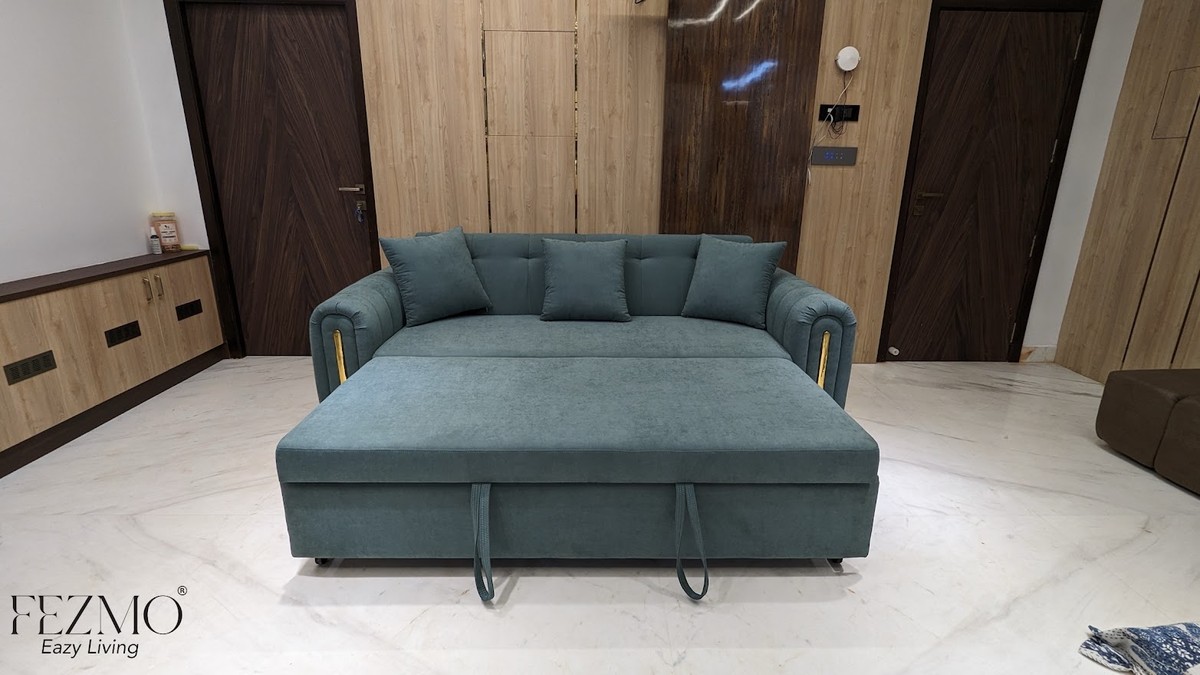
Designing around people means starting with questions about behavior rather than aesthetics. Who uses this room, and when? Do people gather here for long conversations, or mostly pass through on the way somewhere else? Is this a space for a young family with children on the floor, or a couple who mostly reads in separate corners? These questions determine layout and furniture choices long before color palettes or finishes enter the conversation.
This is a meaningful departure from furniture-first design, where a room gets built around a single statement piece and everything else becomes an afterthought. Both approaches can produce visually appealing spaces, but only one tends to produce spaces that genuinely work for daily life.
Why Furniture-First Design Often Fails
A room chosen around a single piece, rather than around how it will actually be used, tends to run into predictable problems once people start living in it.
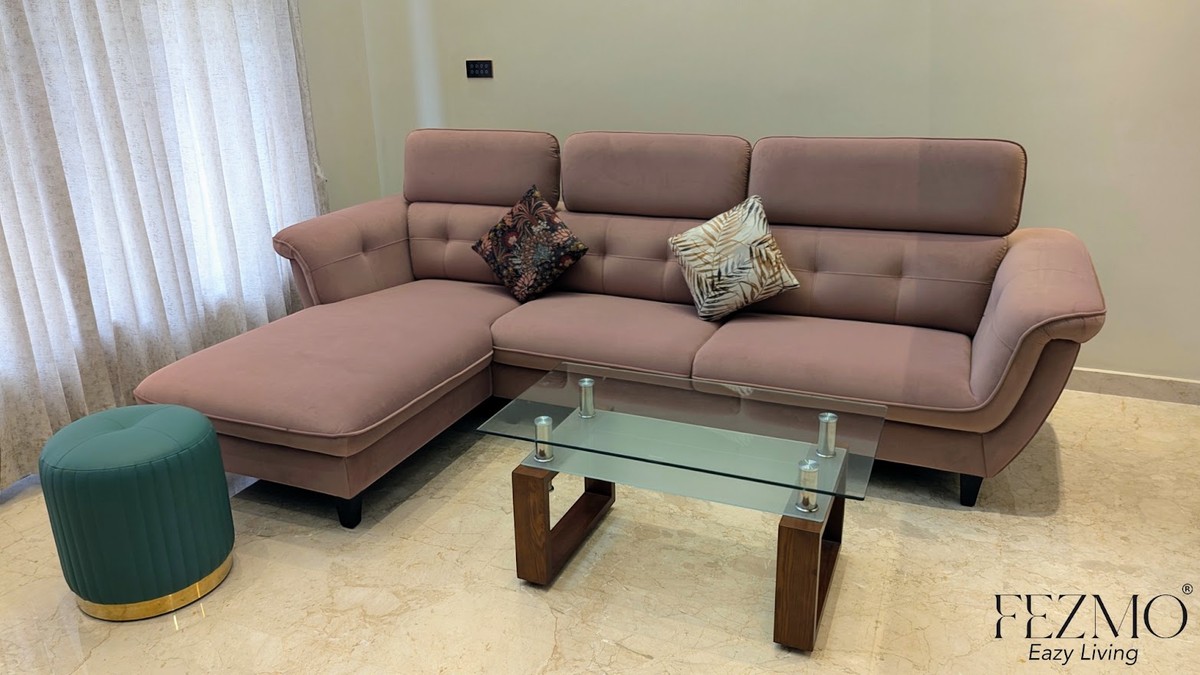
Rooms That Look Good But Don't Get Used
A living room can be beautifully arranged and still sit largely unused if the seating does not actually support how people want to sit, or if the layout discourages the kind of gathering the household actually wants. This mismatch is common in homes where furniture was chosen primarily for how it photographs.
Mismatched Scale and Awkward Circulation
Oversized furniture bought without considering the room's actual proportions creates cramped walkways and forces awkward routes around the space. Research on furniture layout shows that placement affects important aspects of a room, including circulation, accessibility, and conversation. This means that replacing individual furniture pieces may not solve a problem that is actually caused by the overall layout.
The Core Principles of People-Centered Living Room Design
A handful of core ideas separate a room designed around people from one designed around products.
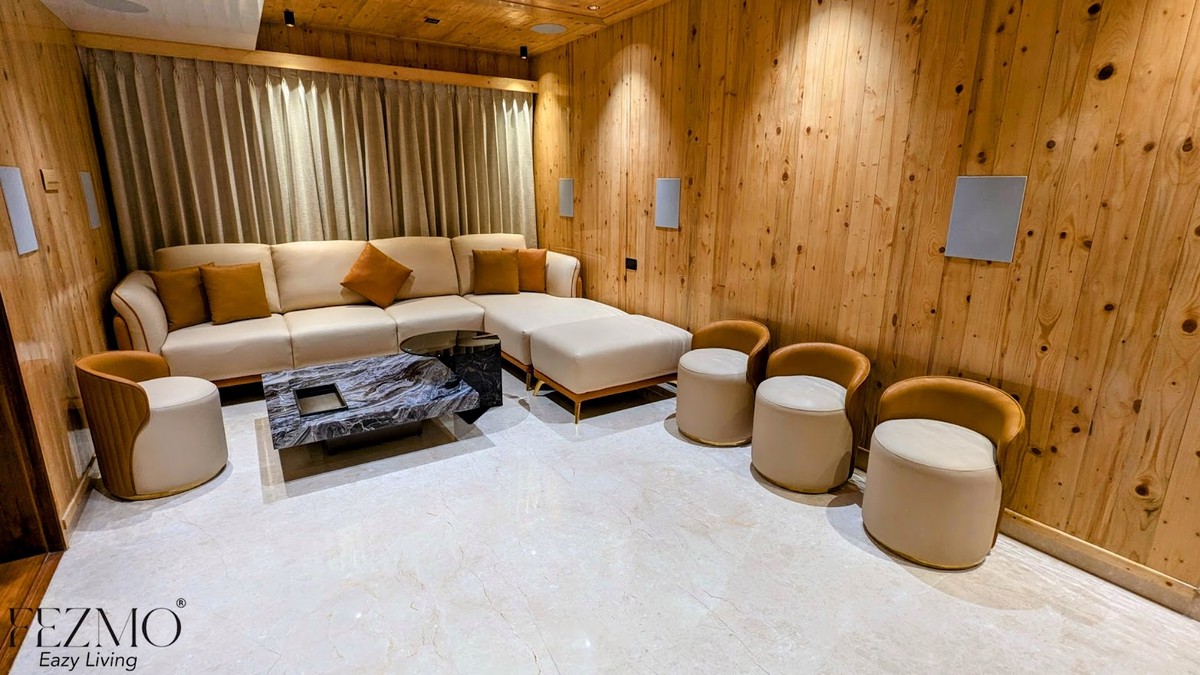
Starting With Routines, Not Room Dimensions
Effective planning begins with understanding daily patterns: where someone naturally drops their bag, where a laptop tends to end up during work calls, where children actually play rather than where a rug suggests they should. These small, specific observations add an important layer of information to the floor plan, helping determine how the space should actually function.
Designing for How People Actually Sit and Move
Seating height, depth, and firmness should reflect how a household actually uses a room, not a generic standard. A household that spends evenings reading benefits from different seating than one that hosts frequent large gatherings, and a single sofa rarely serves both needs equally well.
Planning for Multiple Users With Different Needs
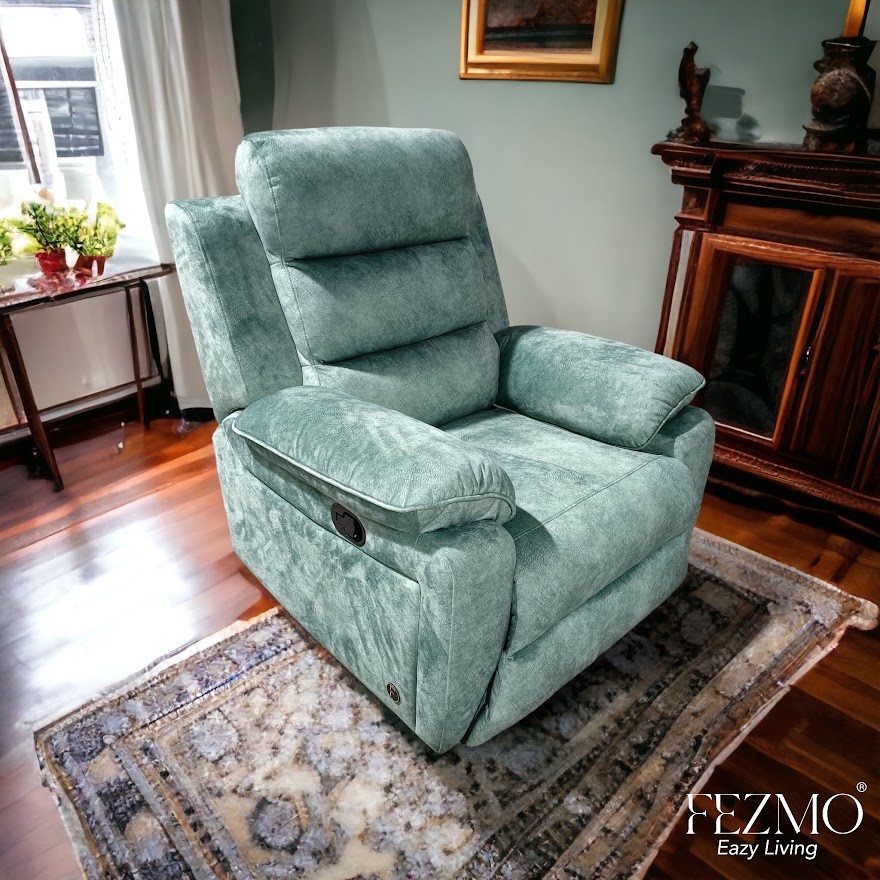
Most living rooms serve more than one person with different habits and physical needs. Offering different seating options, such as variations in seat height, depth, or firmness, can help accommodate different preferences and physical needs across a household, shaping a room that works for everyone rather than just its most vocal user.
Lighting and Acoustics as Part of the Plan
Comfort in a living room depends on more than seating alone. Lighting that suits both quiet reading and evening gatherings, along with soft furnishings that can help reduce sound reflections, can contribute to how comfortable a space feels, even though neither shows up as a distinct line item on a furniture list.
How Layout Changes Everything Before a Single Piece Is Bought
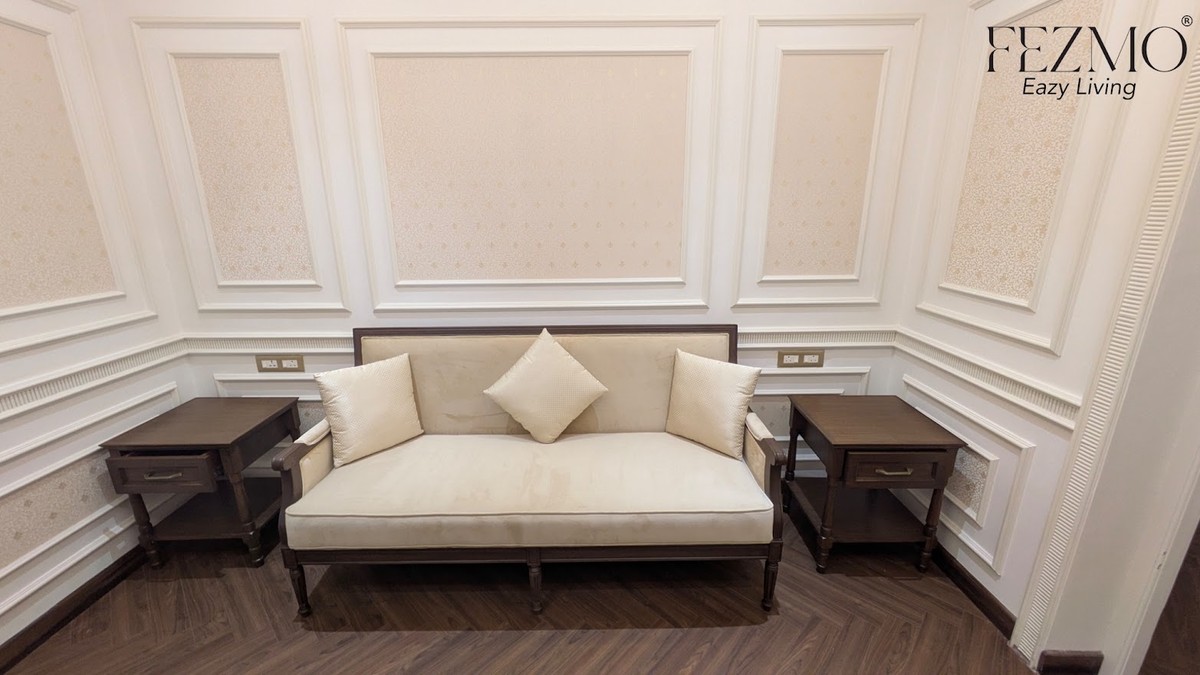
Layout decisions, made before any furniture is purchased, tend to have an outsized effect on how a finished room actually feels.
Zoning: Giving Every Activity Its Own Space
Rather than treating a living room as one undifferentiated area, effective layouts divide the space into zones: a conversation area, a reading corner, perhaps a spot for a child's activities, each with furniture suited to its specific purpose rather than one uniform arrangement.
Circulation Paths and Why They Matter More Than Style
How people physically move through a room can have a greater effect on everyday usability than many purely stylistic decisions. A beautiful room with an awkward path between the doorway and the seating area creates friction every single day, regardless of how well the furniture itself was chosen.
Why a Visit to a Furniture Store Near Anna Nagar Helps
Seeing pieces in person at a furniture store near Anna Nagar can help you judge details that photographs and listed dimensions cannot fully communicate, such as seat feel, proportions, upholstery texture, and how a piece looks from different angles. It is still important to compare those dimensions with the actual circulation space at home before finalizing a purchase.
What This Looks Like in Practice
These principles translate into a few recognizable patterns once applied to an actual living room.
A Living Room Built Around Conversation
Rooms designed for conversation typically arrange seating to face each other rather than all facing a television, often at a distance close enough for comfortable talking without shouting across the room. This single change can shift how a space actually gets used far more than any decor choice.
A Living Room Built Around Flexibility
Modular or easily rearranged pieces allow a room to shift between a quiet evening for two and a larger gathering without requiring an entirely different set of furniture. This flexibility is particularly useful when one living space has to support multiple, sometimes conflicting, purposes throughout the week.
Choosing Decor and Furniture Pieces That Support Real Life in Chennai Homes
Selecting decor and furniture pieces suited to Chennai homes with flexibility, maintenance, and everyday use in mind, rather than a fixed, formal arrangement, can make a living room easier to adapt as household needs change, whether that means a growing family, more remote work at home, or simply changing how a space gets used season to season.
Common Mistakes When Furniture Comes Before People
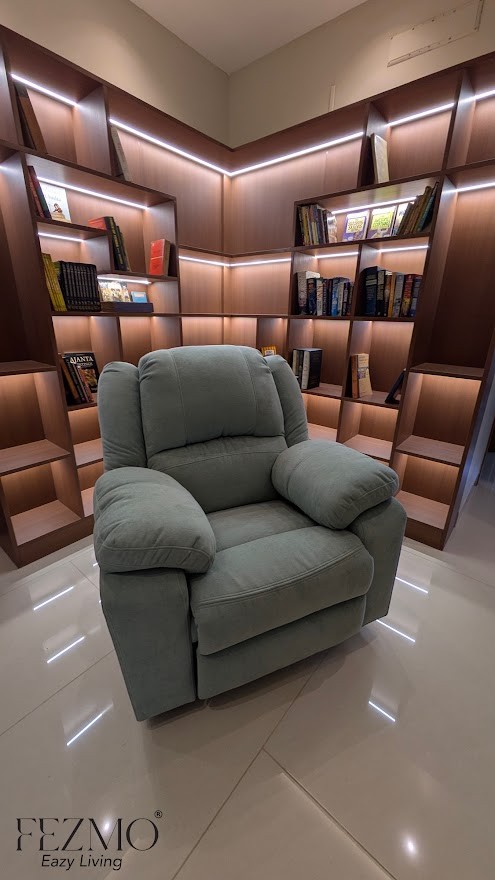
Several recurring issues show up when a room is planned around a piece of furniture rather than around how people will actually use the space.
Choosing a sofa or sectional based purely on appearance, without considering the room's actual proportions or circulation paths.
Arranging all seating to face a television, leaving no natural setup for conversation when it is not in use.
Ignoring differences in physical needs across household members, such as seat height or firmness.
Treating a living room as a single purpose space, rather than dividing it into zones suited to different activities.
Finalizing furniture choices before considering how daily routines actually move through the room.
How to Start Designing Around People, Not Products
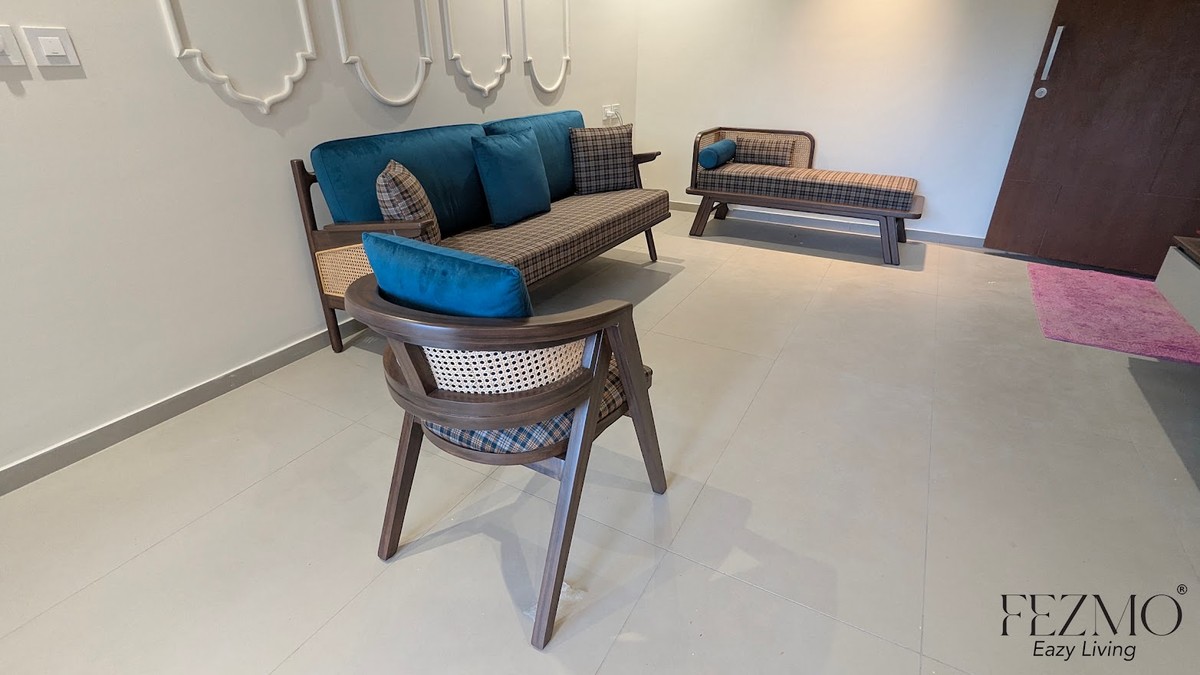
A practical starting point is to observe how a household actually uses its current living space over several days, noting where people naturally gather, where clutter tends to collect, and which areas go largely unused.
From there, it helps to sketch a rough zoning plan for the room, deciding which areas will serve which purposes, before selecting any individual pieces. Furniture choices that follow this kind of planning tend to fit both the room and the household far more comfortably than choices made in the reverse order.
Frequently Asked Questions
Does people-centered design cost more than furniture-first design?
Not necessarily. The approach is more about the order of decisions than the budget involved, and can be applied at a range of price points by prioritizing planning and layout before committing to specific pieces.
How is people-centered design different from just choosing comfortable furniture?
Comfort is one part of the picture, but people-centered design also considers layout, circulation, zoning for different activities, and the varying needs of different household members, not just how a single piece of furniture feels.
Can this approach work in a small living room?
Yes, and it can matter even more in smaller spaces, since poor layout decisions have a larger relative impact when there is less room to compensate for awkward furniture placement or circulation.
Should I plan the layout before or after choosing furniture?
It is usually better to establish the room's functions, zones, and circulation first, then choose furniture whose dimensions fit that plan, since starting with furniture dimensions in mind from the outset helps avoid pieces that look right but do not actually fit the intended layout.
How do I know if my current living room is furniture-first rather than people-centered?
Common signs include seating that rarely gets used the way it was intended, awkward walking paths around key furniture, or a room that looks complete in photos but feels slightly uncomfortable to actually spend time in.
Final Thoughts
A living room designed around people rather than furniture starts with a different question entirely: not what looks good, but how a space will actually be lived in day to day. Layout, zoning, and an honest look at household routines matter more to the final result than any single statement piece ever could. If you are ready to plan a living room around how your household actually lives, get in touch with our design team to talk through what that could look like for your space.