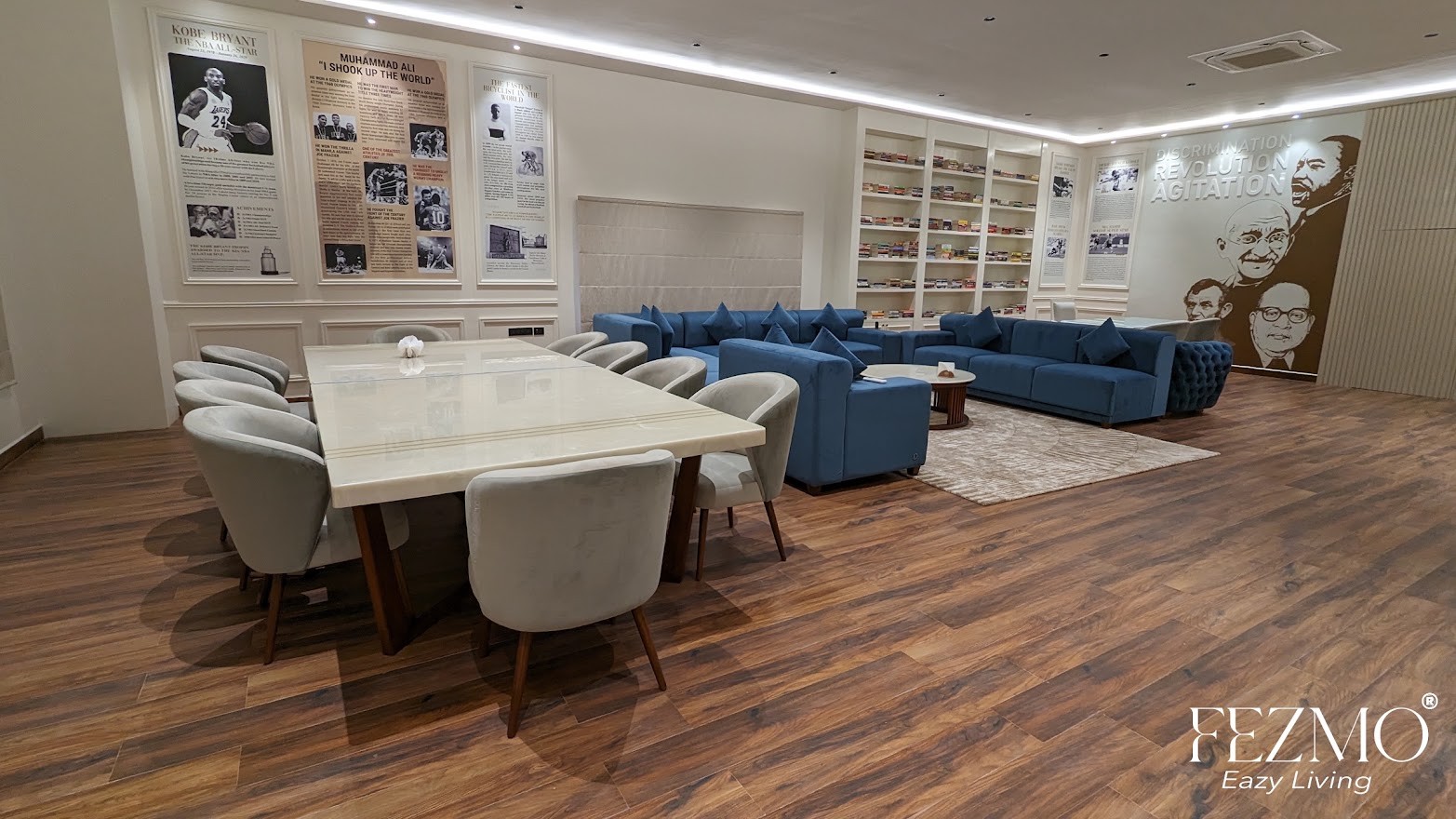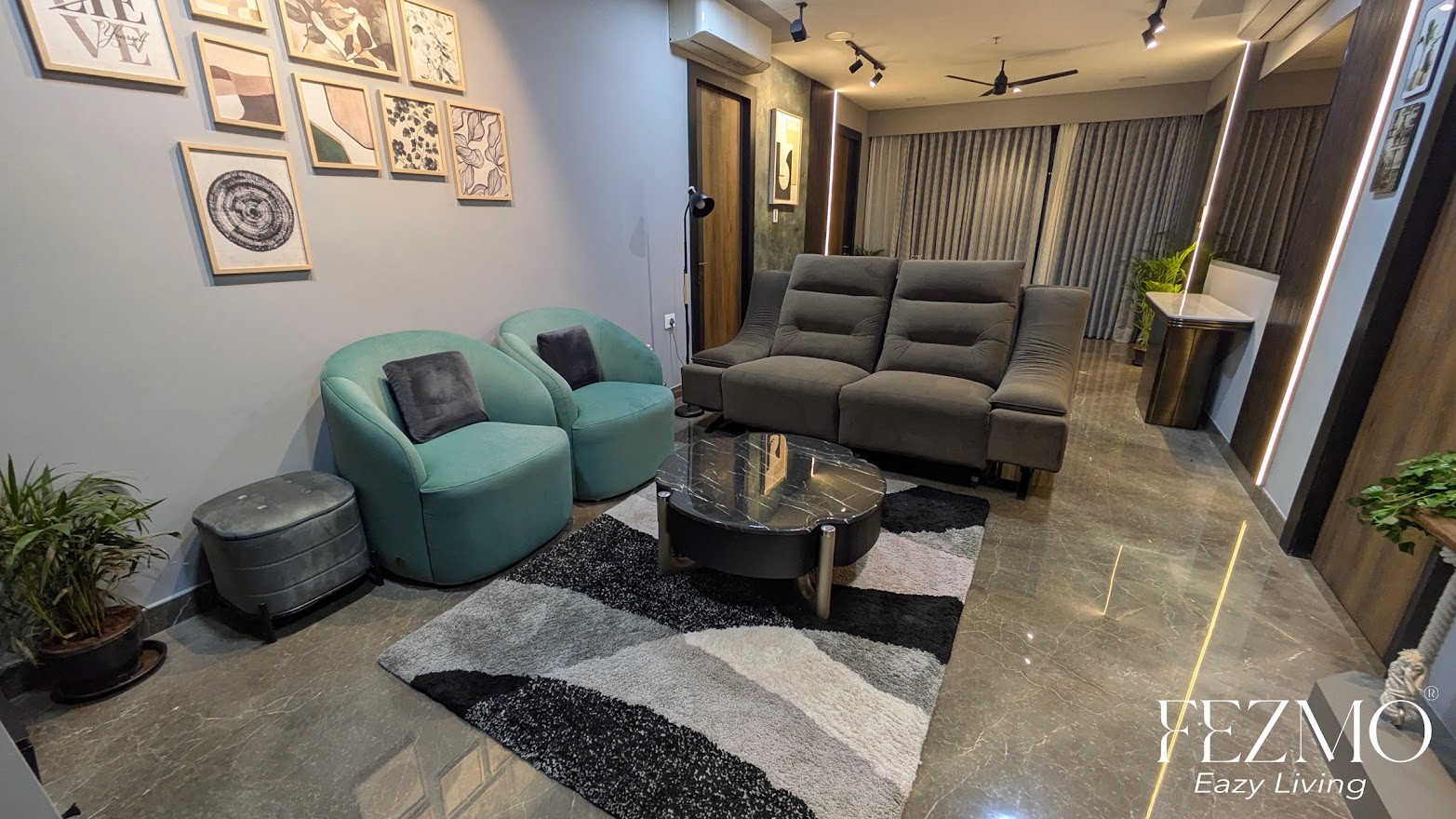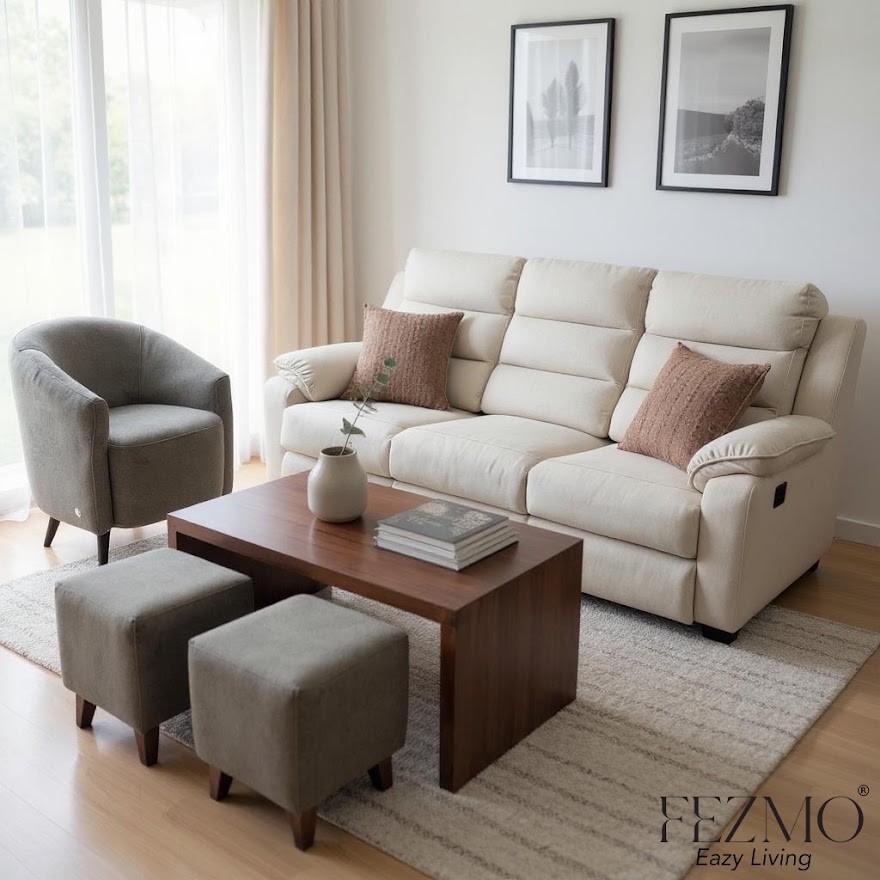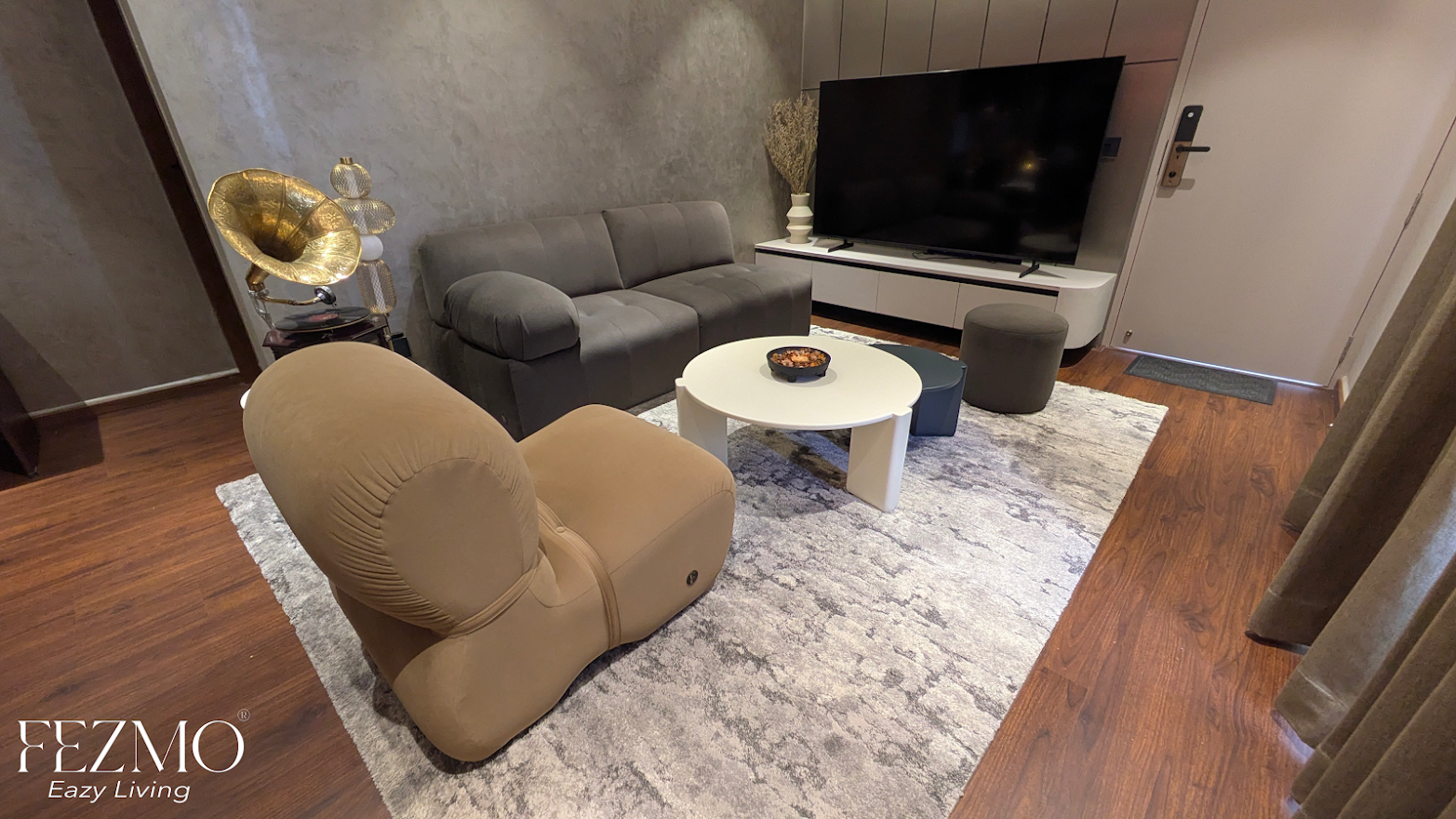
The living room used to have one main job: being the place where the household gathered in the evening. Now it is expected to double as a home office by day, a dining spot when the table is too small for guests, a play area for kids, a gym corner for a quick workout, and a calm, photograph-ready space whenever someone drops by unannounced. Nobody sat down and decided the living room should carry all of this. It happened gradually, as work moved home and households simply started using the space they already had differently. Finding furniture that can actually keep up is where visiting a furniture shop in Anna Nagar can help, particularly when you are looking for pieces that can support several roles without overwhelming the room.
Why the Living Room Became the Hardest Working Room in the House
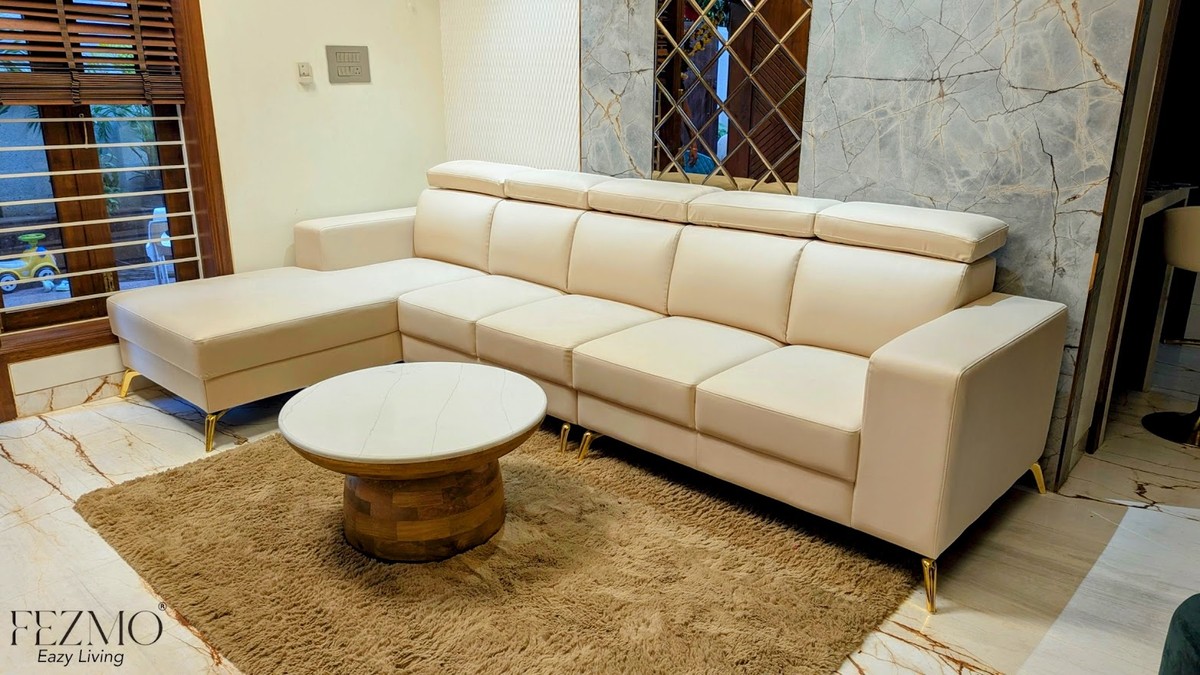
This shift did not necessarily happen because homes got smaller. In Chennai, as in many growing cities, the bigger change is not necessarily the amount of space available but how many different activities households expect that space to accommodate.
More Roles, Not Necessarily Less Space
Hybrid and remote work have made it increasingly common for laptops and video calls to become part of everyday home life, sometimes spilling into the main living area. Multi-generational households can also mean that the living room serves grandparents, children, and guests at different times of the same day. Flexibility is an increasingly useful strategy for living rooms that have to support several activities, with modular sofas, movable pieces, and adaptable layouts offering ways to change how the space works.
What This Actually Looks Like Day to Day
In practice, this means a single room might host a work call at 10 AM, a child's homework session at 4 PM, a family dinner at 8 PM, and a relaxed movie night by 9:30, all without a proper break in between to reset. Furniture that only does one of these things well starts to feel like a liability rather than an asset.
The Core Conflict: Comfort vs Function vs Appearance
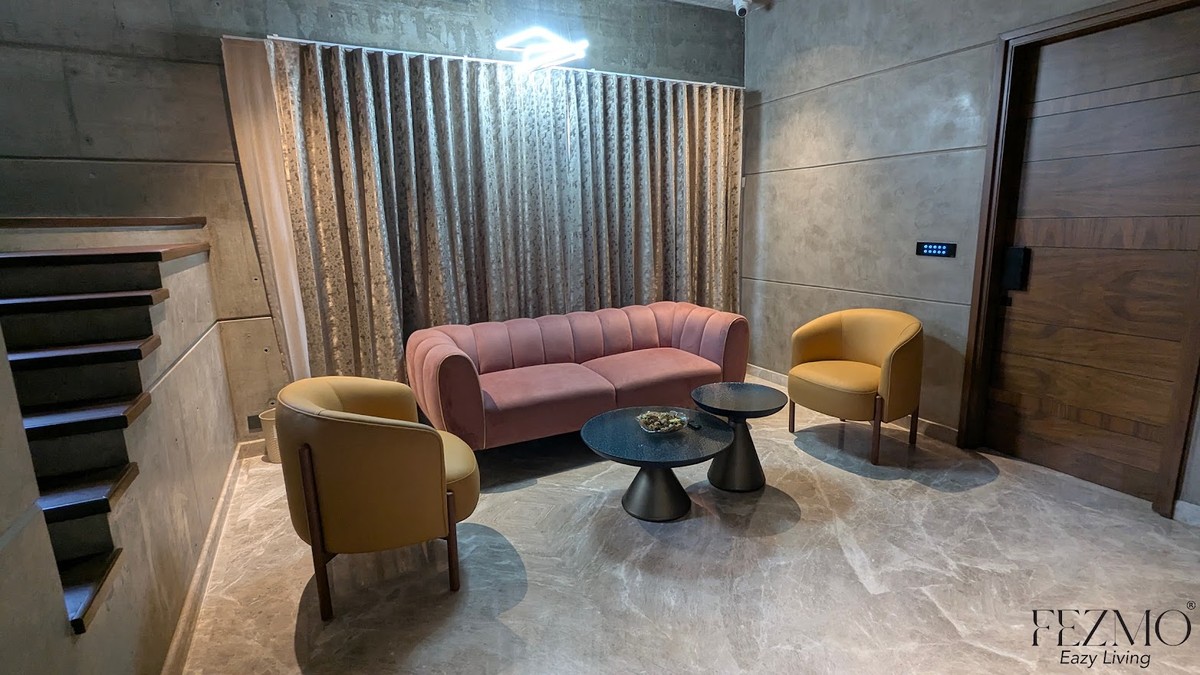
Every multi-role living room runs into the same underlying tension, whether the owner names it directly or not.
When Priorities Compete for the Same Square Footage
A deep, plush sofa is wonderful for lounging but can dominate a room that also needs to host a dining setup twice a week. Open shelving displays decor beautifully but offers no way to hide the clutter that accumulates during a busy week. A room styled entirely for how it looks in photographs often fails the people who actually have to function in it daily. The households that manage this tension well tend to accept early on that no single layout will be perfect for every use, and instead choose furniture flexible enough to shift priorities depending on the day.
Furniture That Actually Earns Its Keep
Once the conflict is acknowledged, the practical fix is choosing pieces designed to do more than one job well, rather than looking for one flawless layout.
Seating That Reconfigures Itself
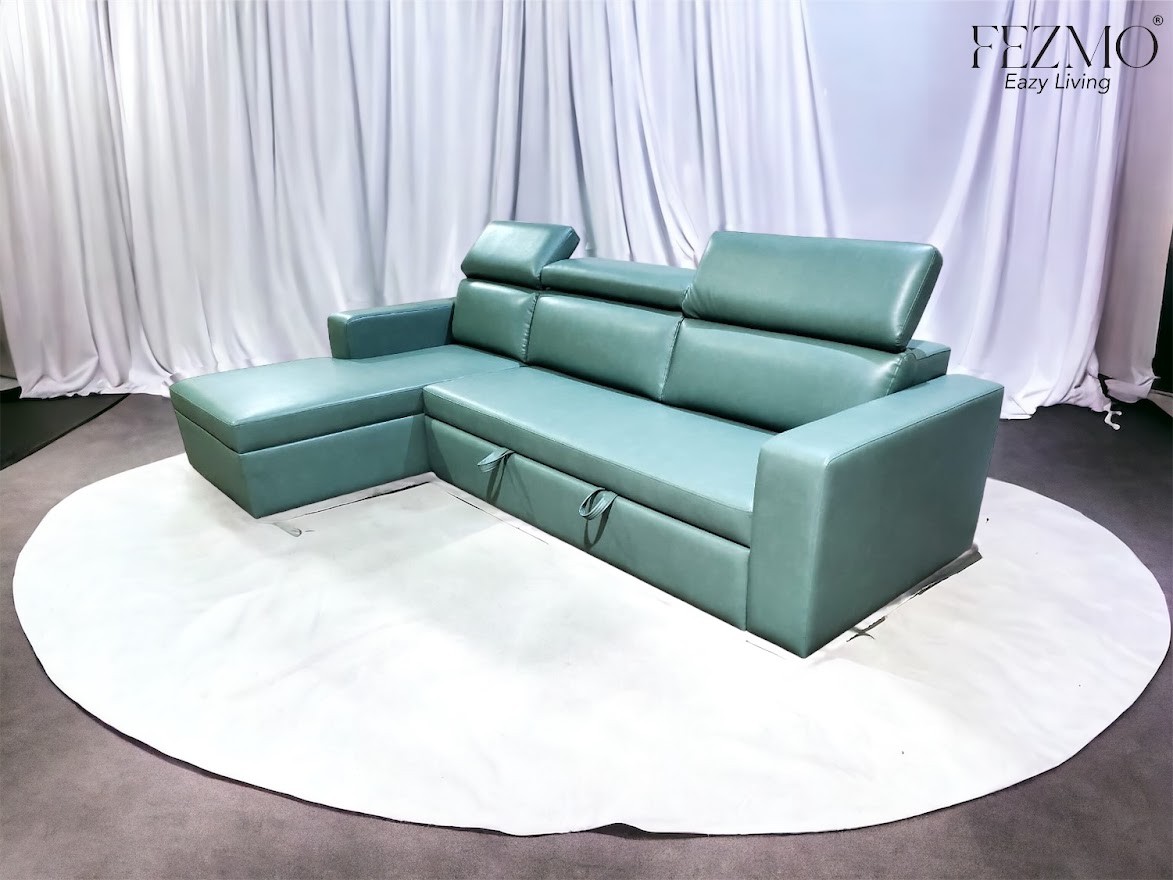
Modular sofas, sectionals with movable ottomans, and chairs that can be pulled into a circle or pushed back against a wall give a room the ability to shift from lounging mode to hosting mode within minutes. This matters more than most people expect, since a fixed, heavy sofa arrangement often quietly discourages a household from rearranging the room at all, even when the current layout stops working.
Storage Hidden in Plain Sight
Ottomans that open to reveal storage, console tables with closed cabinets instead of open shelves, and TV units built with drawers rather than exposed compartments all reduce visible clutter without requiring a separate storage room. Hidden storage is particularly useful in multi-purpose living spaces because it helps keep everyday items out of sight without requiring additional furniture.
The Coffee Table Is No Longer Just a Coffee Table
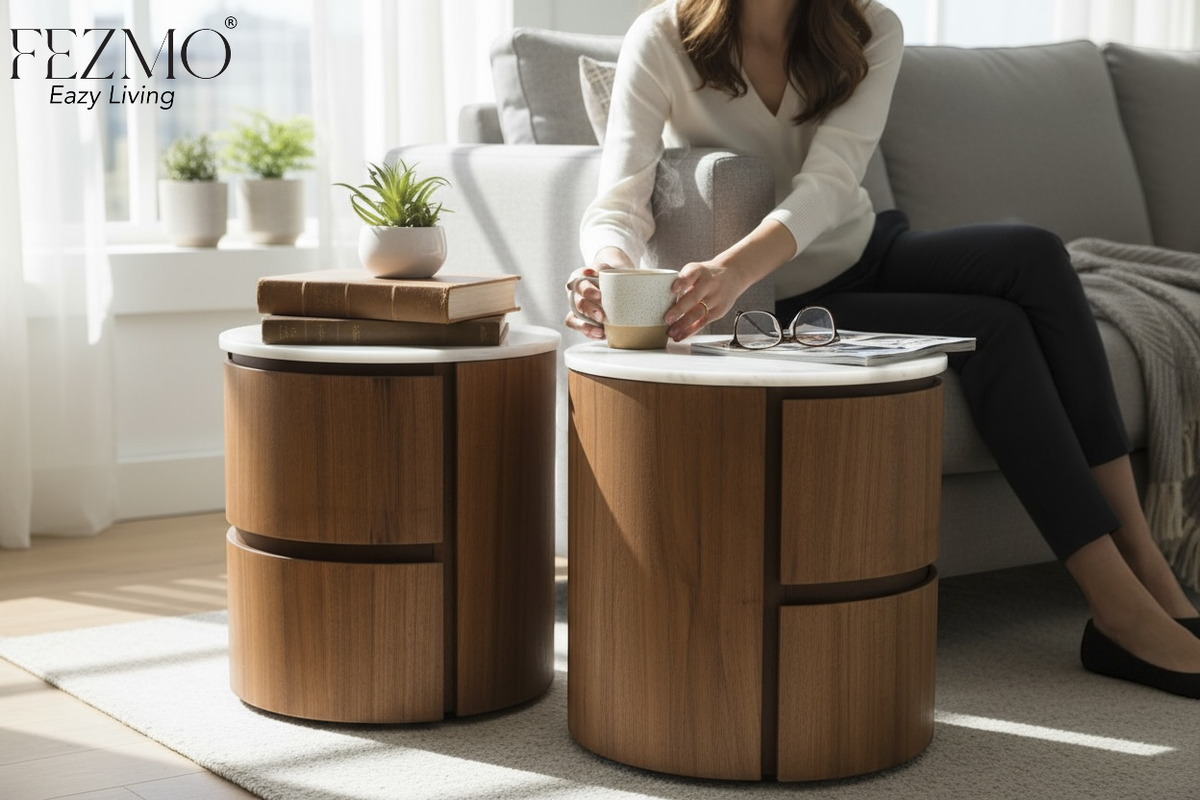
A lift-top coffee table that rises to laptop height can turn a casual seating area into a temporary work surface for an hour, then folds back down for evening use. A nesting set of smaller tables can expand for a gathering and shrink back to a single piece the rest of the time. These small mechanical choices often matter more to daily comfort than the overall style of the piece. For households actively furnishing this kind of flexible setup, exploring furniture for homes across Chennai designed specifically around multi-use rooms tends to surface options that a generic furniture listing would not.
Zoning a Single Room Without Walls
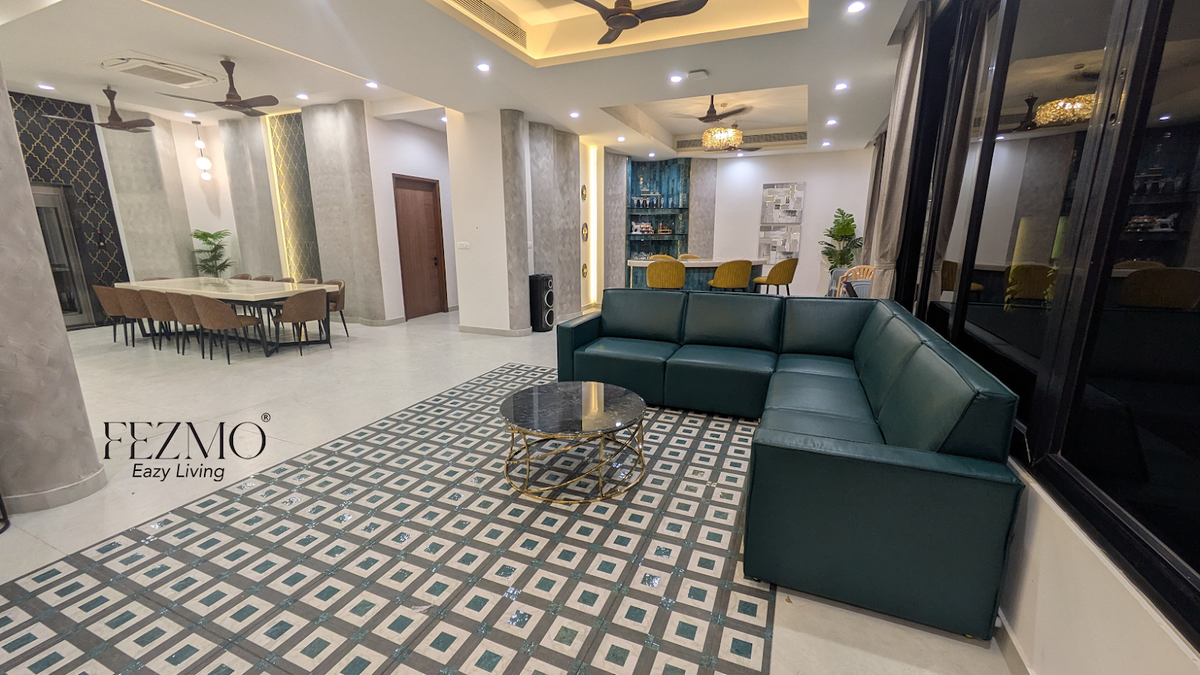
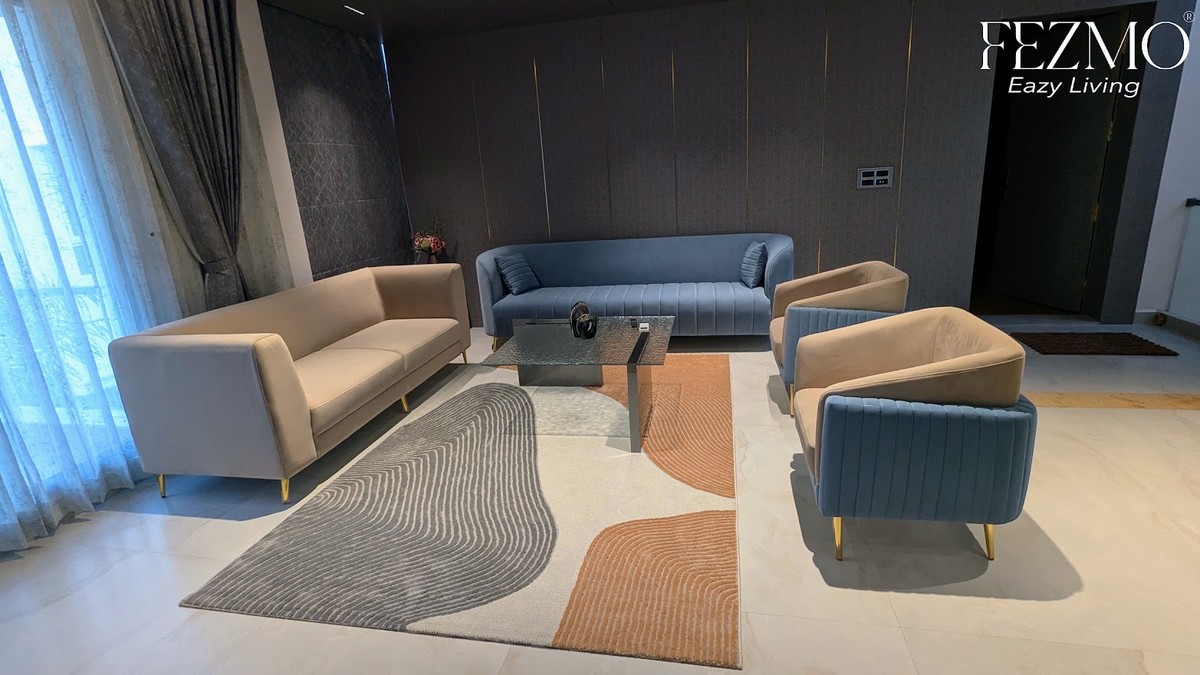
Even with the right furniture, a room still needs a sense of structure so it does not feel like one undivided, chaotic space.
Using Rugs and Lighting to Define "Areas"
A rug placed under the seating cluster signals where the lounging zone ends, even without a physical wall. A distinct floor lamp or pendant light over a reading chair or work corner can create a visual boundary that helps distinguish that area from the rest of the room. Zoning through texture and light can also help distinguish different activities without adding permanent walls or partitions.
The Work Corner That Disappears After 6 PM
A compact desk that folds flat against a wall, or a work surface that can be cleared and repurposed after the workday, lets a work zone exist during the day without permanently claiming the room's identity as an office. The goal is a setup that looks intentional in both modes, not a desk that simply gets covered with a throw blanket every evening.
What to Prioritize When You Can't Have It All
No living room, however well planned, can be equally good at everything it is asked to do. Something has to be prioritized.
Start With the Function You Use Daily
A room used for work five days a week but for hosting only a few times a month should probably be built around the desk setup first, with hosting capacity added through flexible, movable pieces rather than a fixed dining arrangement. Reversing this priority usually means the daily function suffers quietly while the rarely used one looks perfect.
Choose Pieces That Fail Gracefully
Some compromises matter more than others. A sofa that is slightly less plush but easy to rearrange usually serves a busy household better than a stunning but immovable statement piece. When comparing options, it helps to ask which version of each piece causes the least frustration on an ordinary Tuesday, not which one photographs best for a single occasion. Thinking through home decor and furnishing pieces in Chennai with this lens, rather than shopping purely by style, tends to produce a room that holds up under daily use rather than just first impressions.
Conclusion
A living room that has to be everything at once will never look like a single-purpose showroom photograph, and that is fine. The goal is not to disguise its many roles but to furnish it so those roles can coexist without constant rearranging or compromise. Modular seating, hidden storage, furniture with a second function built in, and simple zoning through rugs and lighting all add up to a room that adapts rather than one that quietly fights against how it is actually used. If you are working through what that looks like for your own space, contact us and we can help you think through furniture choices suited to how your living room actually gets used, not just how it looks in a single photograph.
Frequently Asked Questions
How do I make a small living room work for both work and entertaining?
Focus on furniture that can shift roles quickly, such as a lift-top coffee table for work and a modular sofa that can be reconfigured for guests, along with hidden storage to keep work materials out of sight once the day is done.
What furniture actually helps a multi-purpose living room the most?
Pieces that combine two functions in one, like a storage ottoman that doubles as extra seating or a console table with closed cabinets, tend to have the biggest impact, since they reduce clutter without requiring a separate piece of furniture for every task.
Do I need to physically divide my living room to create separate zones?
No. Rugs, lighting, and furniture orientation can visually separate a work corner, a lounging area, and a dining spot without any permanent walls or partitions, which works especially well in open-plan or single-room living spaces.
Should I prioritize how my living room looks or how it functions?
For a multi-purpose living room, function is usually the better starting point, since the space needs to hold up under real daily use. Appearance still matters, but it works best when it supports how the room is actually used.
How often should I rearrange multi-purpose living room furniture?
There is no fixed schedule, but choosing furniture that is genuinely easy to move means you can adjust the layout as needs change, such as during a busy work week versus a weekend with guests, rather than settling for one static arrangement year-round.