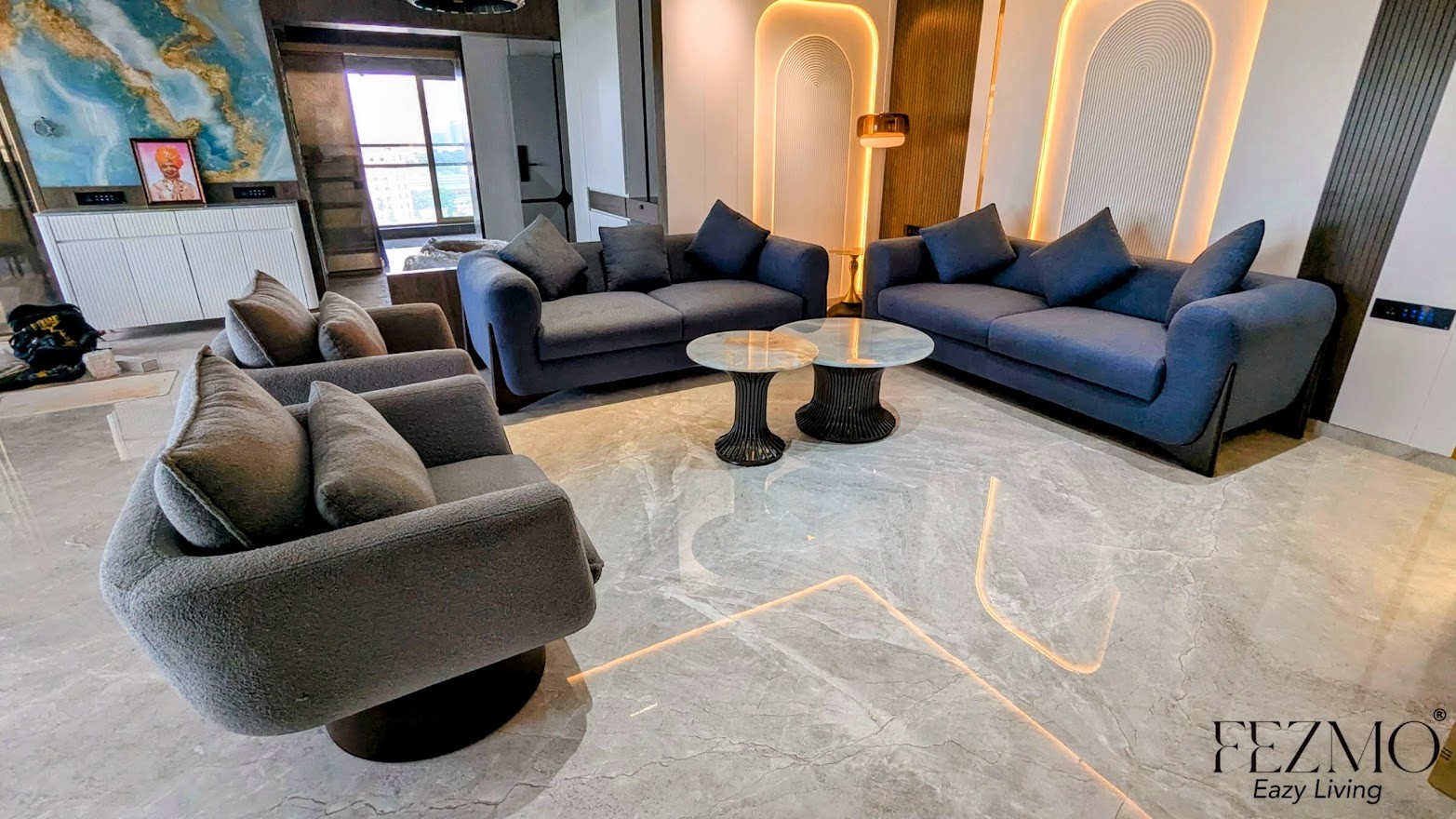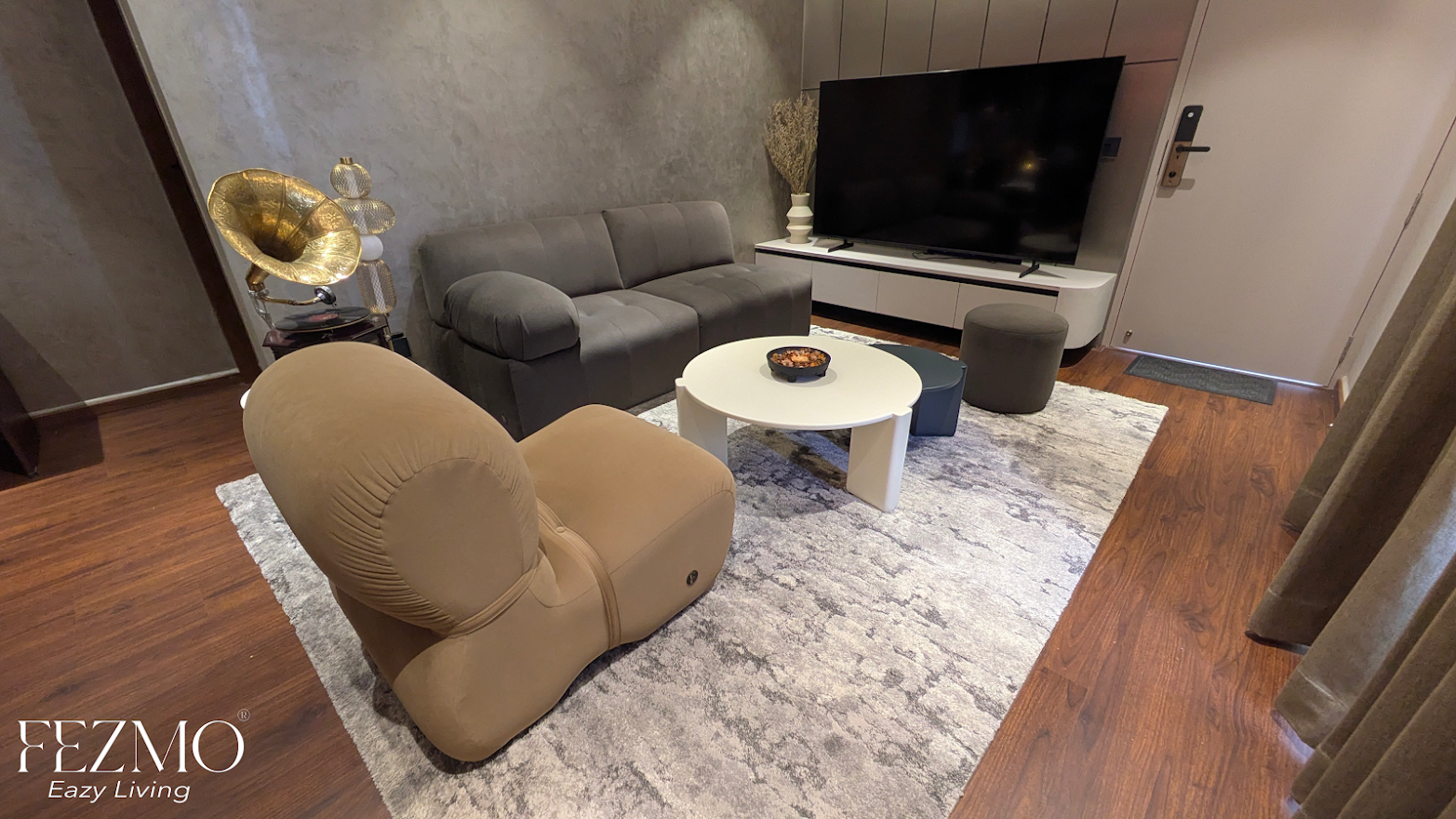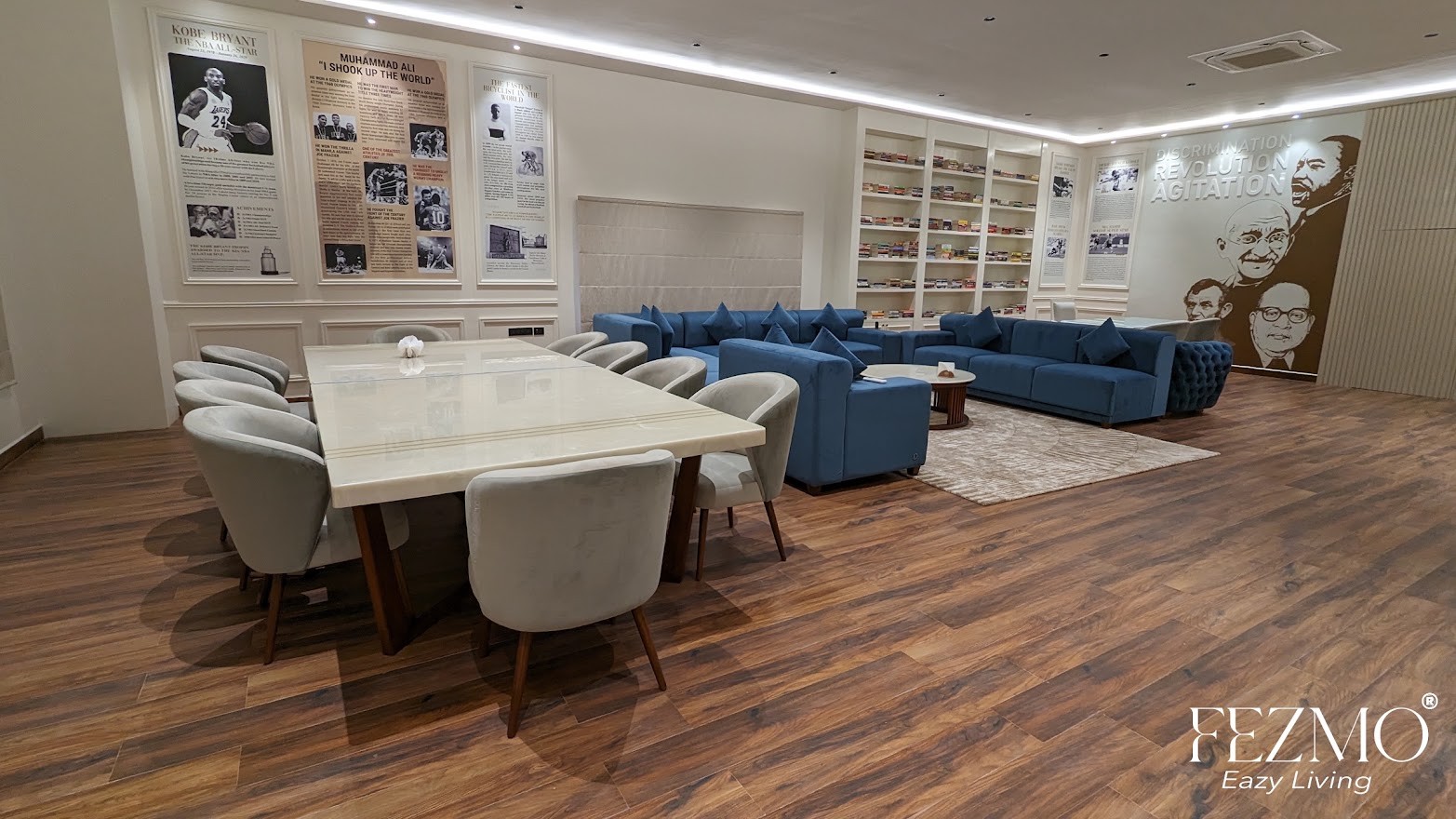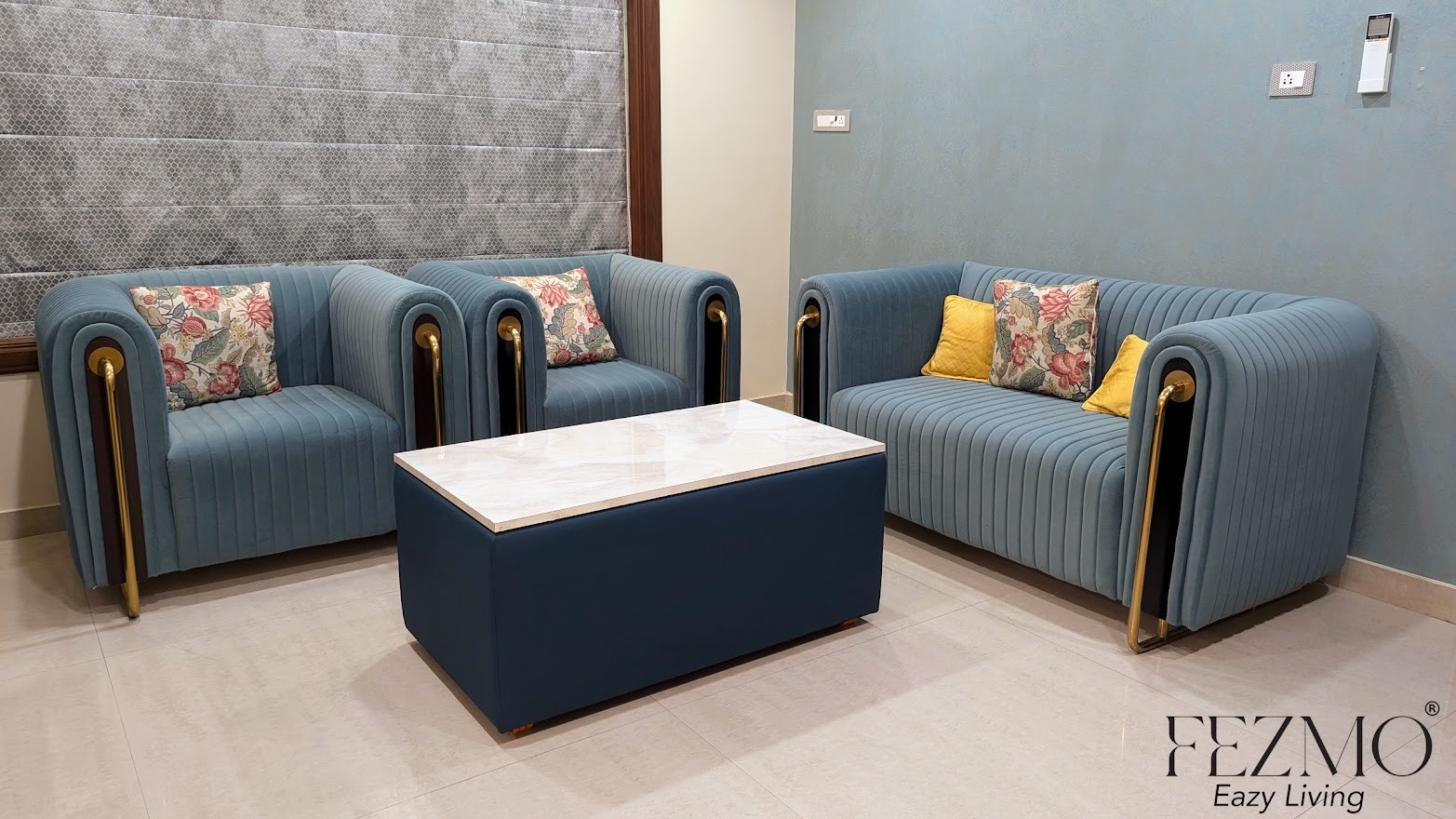
Every home ends up with two unspoken categories of furniture. There is the furniture kept for guests, arranged carefully, rarely sat on, and always ready for a visitor's arrival. Then there is the furniture used every single day, the one with a worn armrest, a slightly sunken cushion, and a permanent spot for the remote. Anyone who has browsed furniture stores in chennai knows this contrast shapes buying decisions long before comfort even enters the conversation. This piece looks at why households furnish differently for guests than for themselves, what that gap reveals about daily habits, and how better design choices can bring the two closer together without compromising on either look or comfort.
Why We Furnish Differently for Guests
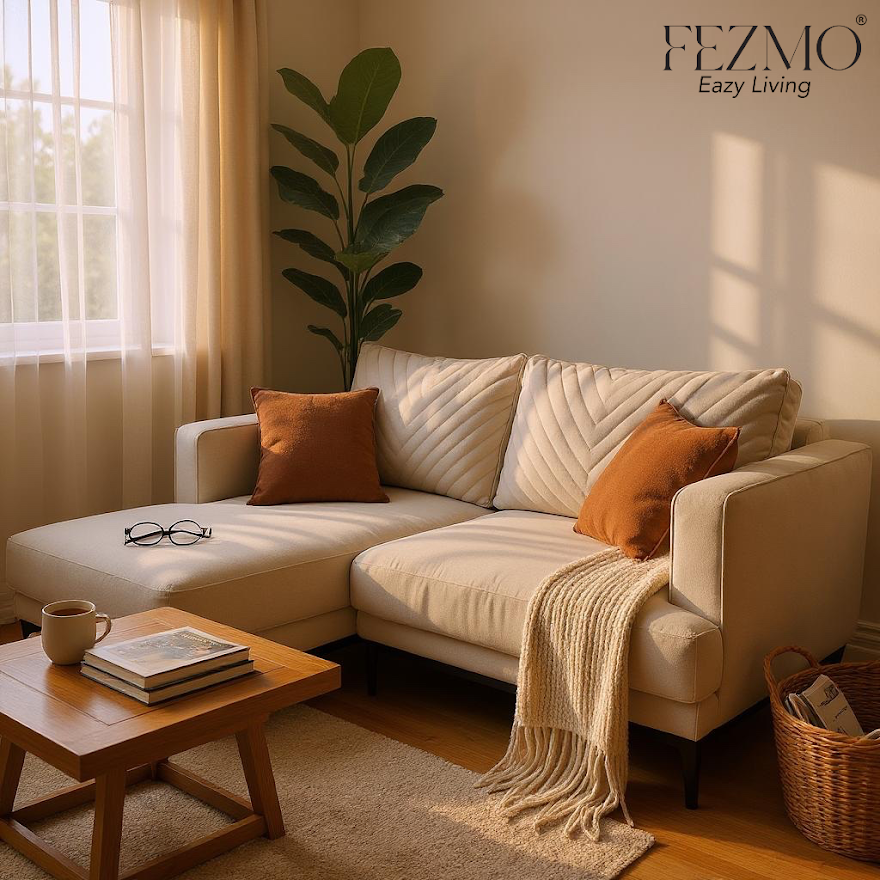
The Psychology Behind "Best Room" Furniture
In many Indian households, the living room doubles as a space for hospitality and a space for showing status. Furniture placed here is often chosen to create a good first impression rather than to support daily comfort. This habit is rooted in a long-standing culture of hosting, where guests are treated with a level of care that sometimes exceeds what the family allows itself. A sofa set bought for visitors is frequently kept covered, cushions stay perfectly plumped, and the good crockery is stored away until someone knocks on the door. This is not necessarily vanity. It reflects the genuine value placed on hospitality. The unintended side effect is that the most presentable furniture in the house often gets the least actual use.
What Guest-Ready Furniture Usually Looks Like
Furniture bought with guests in mind tends to follow a predictable pattern. Symmetrical sofa sets, glass-top centre tables, ornate showcases, and colour-coordinated cushion covers are common choices. These pieces are selected for how they photograph and how they look across a room, not for how they feel after a long day. Fabric choices lean toward lighter shades that show stains easily, and cushioning is often firmer than what people would choose for themselves. None of this is wrong, since a warm and welcoming living room matters. The issue arises when this becomes the only furniture in the house, leaving no separate space designed purely for daily comfort.
How to Tell the Two Categories Apart in Your Own Home
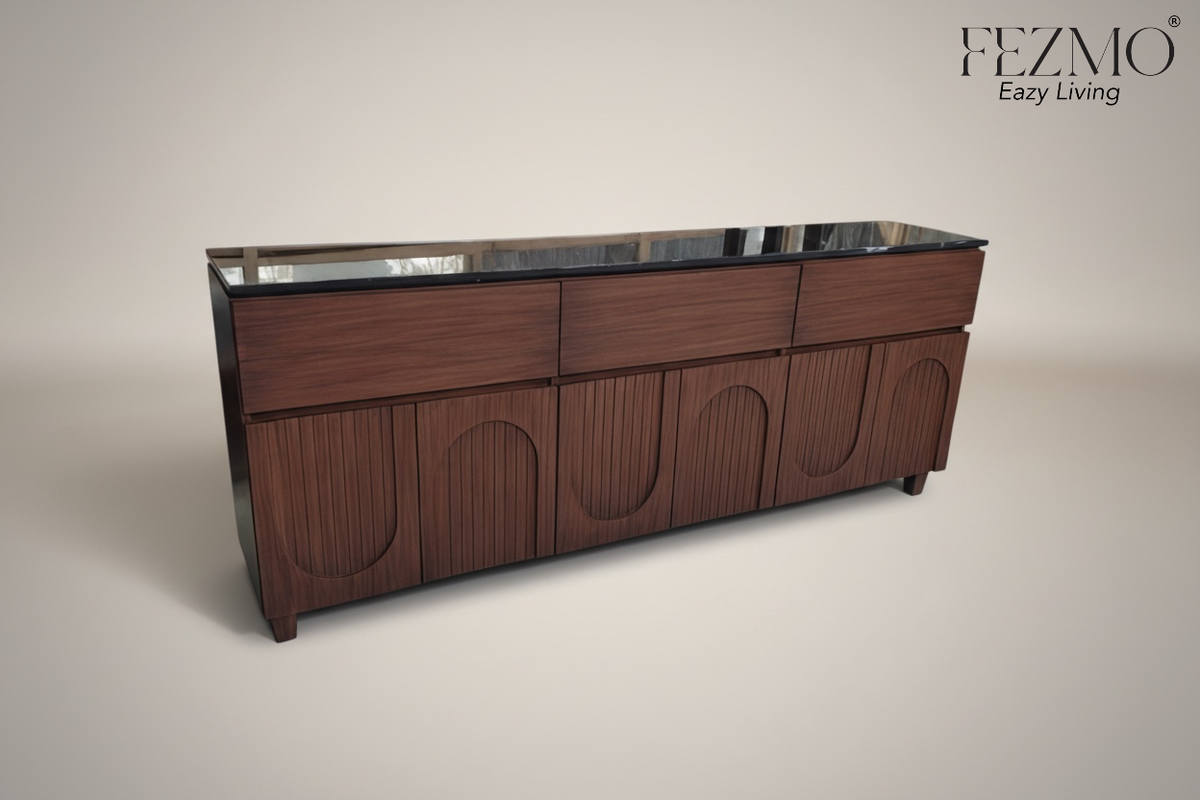
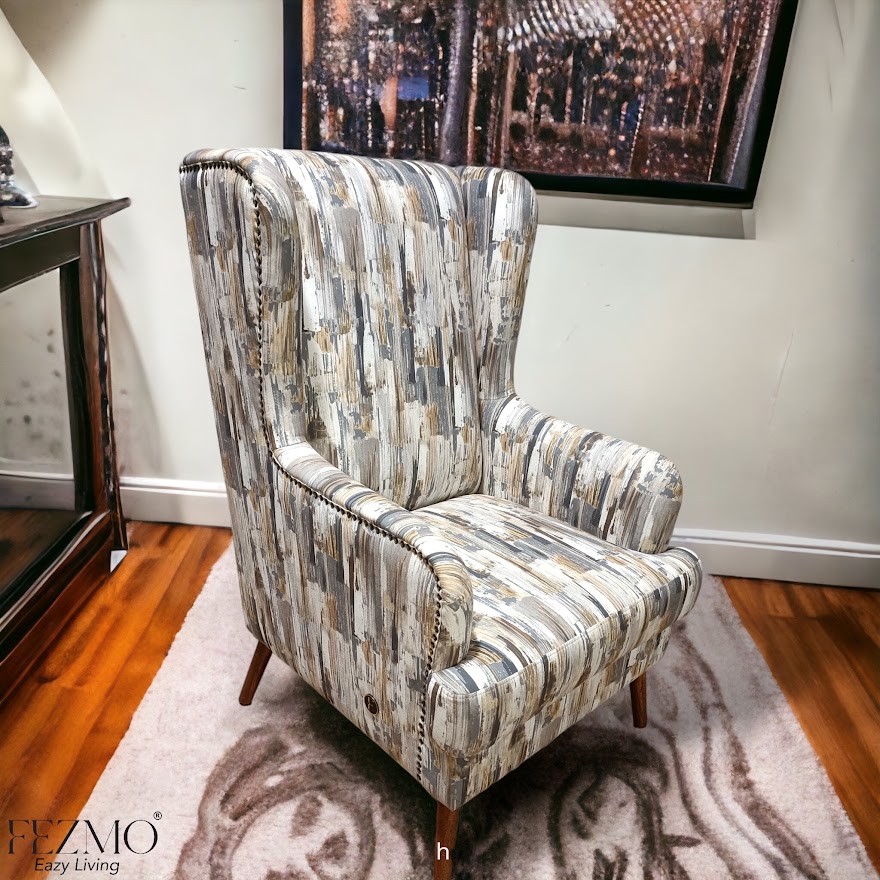
A quick walk through most homes reveals the pattern instantly. The furniture that stays untouched between visits, gets dusted more than it gets used, and is arranged for viewing rather than lounging belongs to the guest category. The furniture with a slightly faded patch, a cushion that has moulded to someone's shape, or a surface covered in daily clutter belongs to the living category. Recognising this split is the first step toward making smarter purchases in future, since it highlights which pieces genuinely earn their place in the home and which ones exist mainly for appearances during festivals or family visits.
The Furniture We Actually Use Every Day
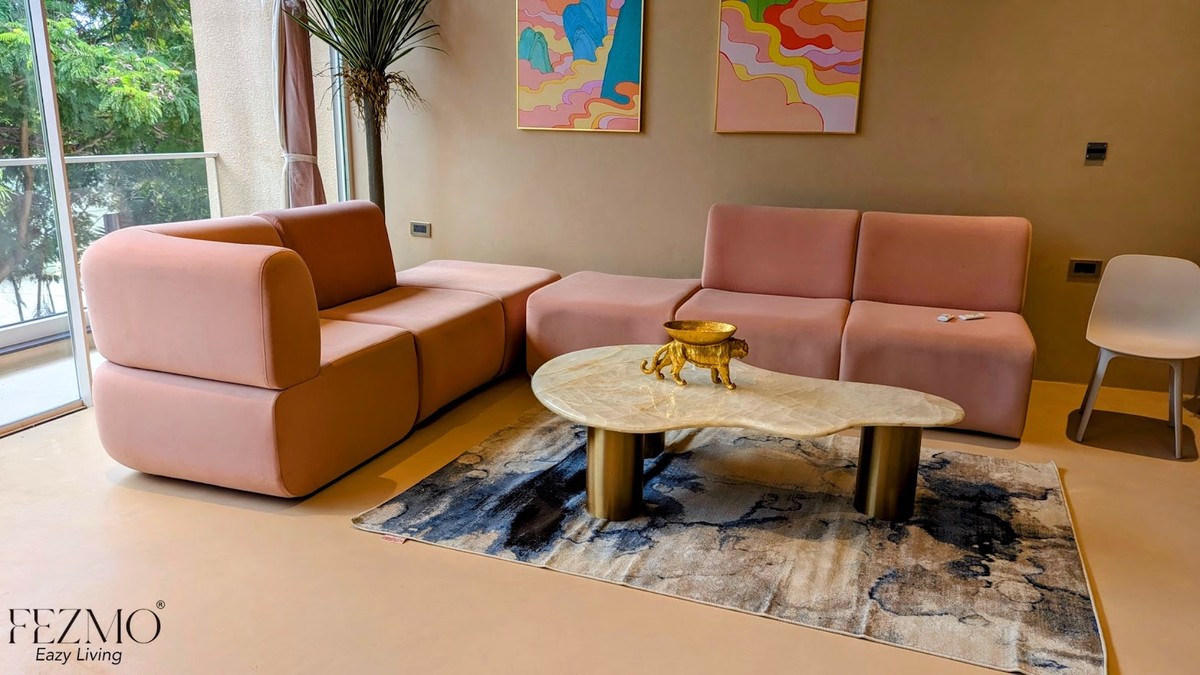
Comfort Over Appearance
Once the guests leave, most families retreat to a completely different set of furniture. This could be a recliner in the corner of the bedroom, a well-worn armchair near the television, or a corner of the sofa that has become someone's permanent spot. These pieces are either chosen or gradually become favourites based on how they feel rather than how they look. Softer cushioning, deeper seating, and practical armrests matter more here than colour coordination. Over time, families gravitate toward furniture that supports actual routines, whether that is working from home, watching television for hours, or simply relaxing after work. This everyday furniture rarely makes it into photographs, yet it is where most of the household's real living happens.
Durability Matters More Than Design
Daily use furniture takes a beating that guest furniture never experiences. Children jumping on sofas, pets scratching at fabric, spilled tea, and constant repositioning all demand materials built for wear rather than appearance alone. This is why many households prefer engineered wood with a durable laminate finish, stain-resistant upholstery, and frames that can handle regular movement. Design still matters, but it takes a back seat to practicality. A dining table used for actual family meals every day needs a sturdier finish than one reserved for occasional festive gatherings. This shift in priority, from looking good to holding up well, reflects what families actually need from their everyday furniture.
The Rise of Multifunctional Pieces
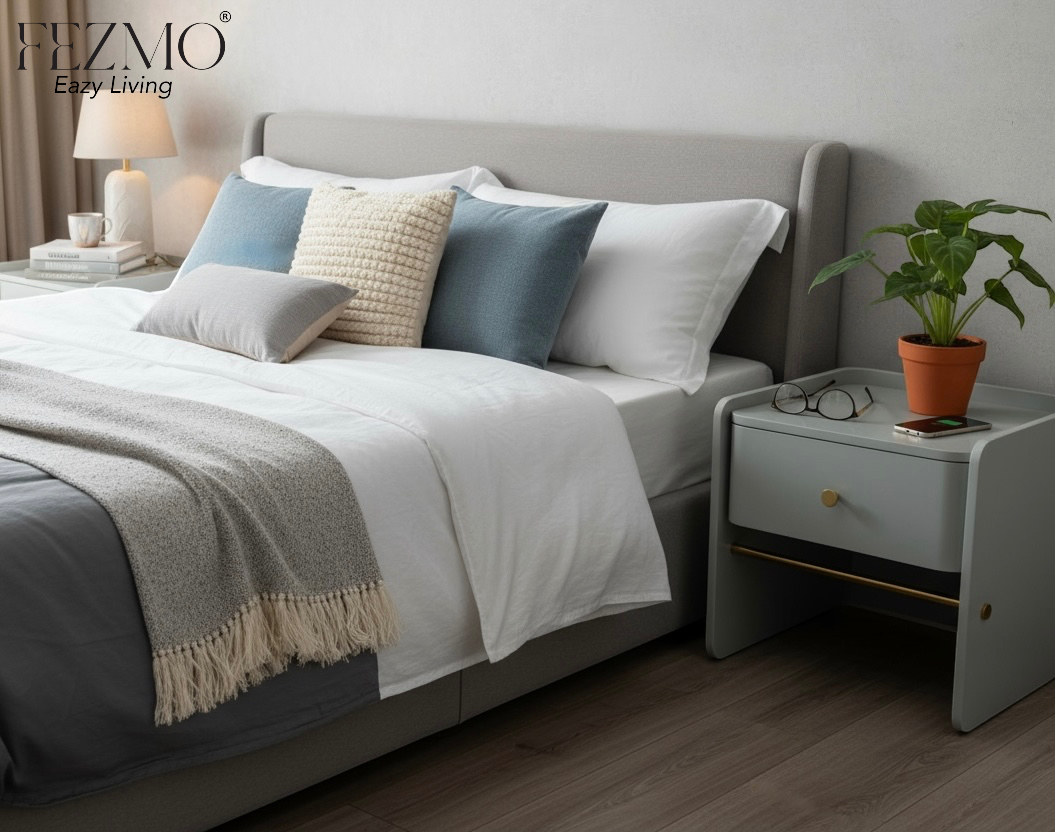
As homes in cities get smaller, multifunctional furniture has become a practical necessity rather than a trend. Storage beds, extendable dining tables, foldable study desks, and modular sofas allow families to make the most of limited square footage. A sofa that converts into a bed, or a coffee table with hidden storage, solves real space problems that guest-focused furniture never has to consider. This category of furniture is rarely bought to impress visitors. It is bought to solve everyday inconvenience, whether that means fitting a workspace into a bedroom corner or storing linen without adding another cupboard to a compact apartment.
Bridging the Gap Between Show Furniture and Everyday Furniture
Choosing Pieces That Work for Both
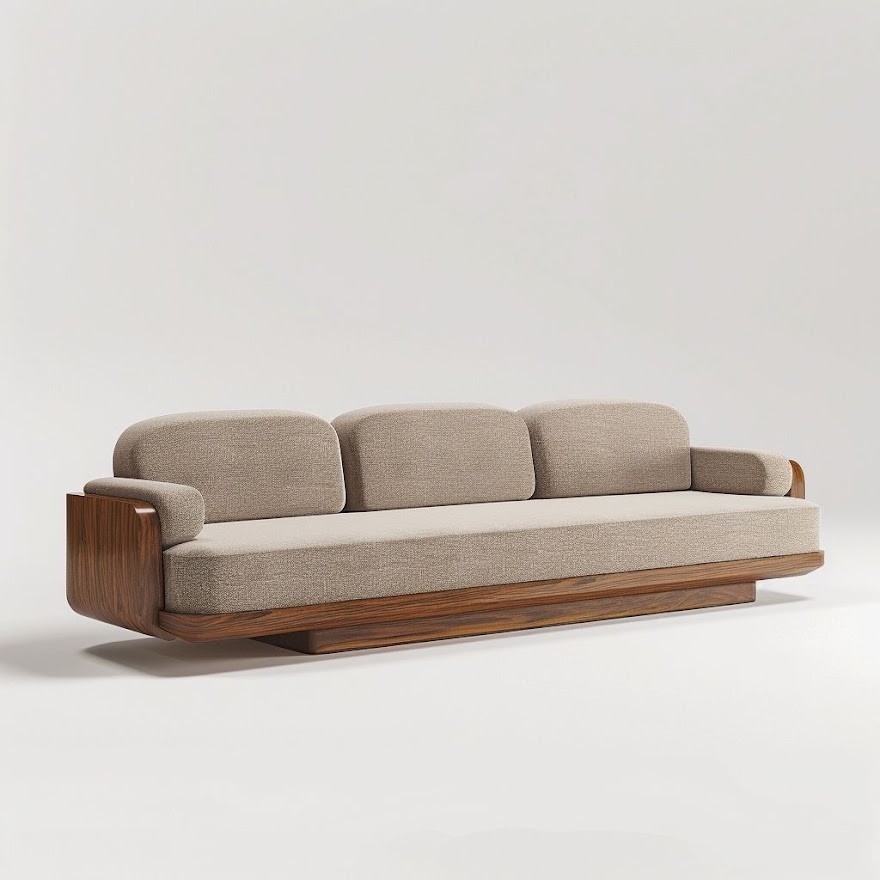
The most practical households eventually stop separating furniture into two extremes. Instead, they look for pieces that hold up to daily use while still looking presentable when guests arrive. This usually means choosing durable fabrics in neutral tones rather than delicate materials in bright shades, opting for well-built frames instead of purely decorative ones, and picking designs that suit both formal and relaxed settings. A well-chosen sofa can handle a lazy Sunday afternoon and still look appropriate for a festival gathering. This approach reduces the need to maintain two separate sets of furniture and often works out more cost-effective in the long run, since fewer pieces are bought purely for appearance.
Why Customisation Solves This Common Problem
One of the most effective ways to close this gap is through customised furniture in chennai. Customisation allows homeowners to decide the exact dimensions, upholstery, finish, and storage features a piece needs, rather than choosing from limited factory options that force a trade-off between looks and function. A custom sofa can be built with a frame sturdy enough for daily use, fabric that resists stains, and a design that still suits a formal living room. Similarly, a dining table can be sized to fit an actual room while including finishes durable enough for daily meals. This approach removes the need to choose between furniture meant for display and furniture meant for everyday living, since the same piece can be designed to do both from the start.
How Chennai Homes Are Adapting This Approach
Space Constraints in Urban Apartments
Chennai's growing apartment culture has changed how families think about furniture altogether. With living spaces getting more compact, especially in areas like OMR, Velachery, and Anna Nagar, there is less room for a formal set of furniture that sits unused most of the year. Many households are now choosing fewer, better-designed pieces that can transition between everyday use and hosting guests. This shift is less about aesthetics and more about practical space management, since maintaining two separate furniture sets simply is not feasible in a two- or three-bedroom apartment.
Local Preferences and Climate Considerations
Chennai's humid climate also plays a role in furniture choices. Wood that is not properly treated tends to warp or attract termites faster in this weather, which pushes many buyers toward engineered wood or treated solid wood options. Breathable fabric upholstery is often preferred over heavier materials that trap moisture. Families searching for custom furniture in Chennai frequently ask for finishes suited to local humidity levels alongside their design preferences, which shows that climate and daily practicality now influence decisions as much as appearance does.
Practical Tips for Choosing Furniture That Works for Guests and Daily Life
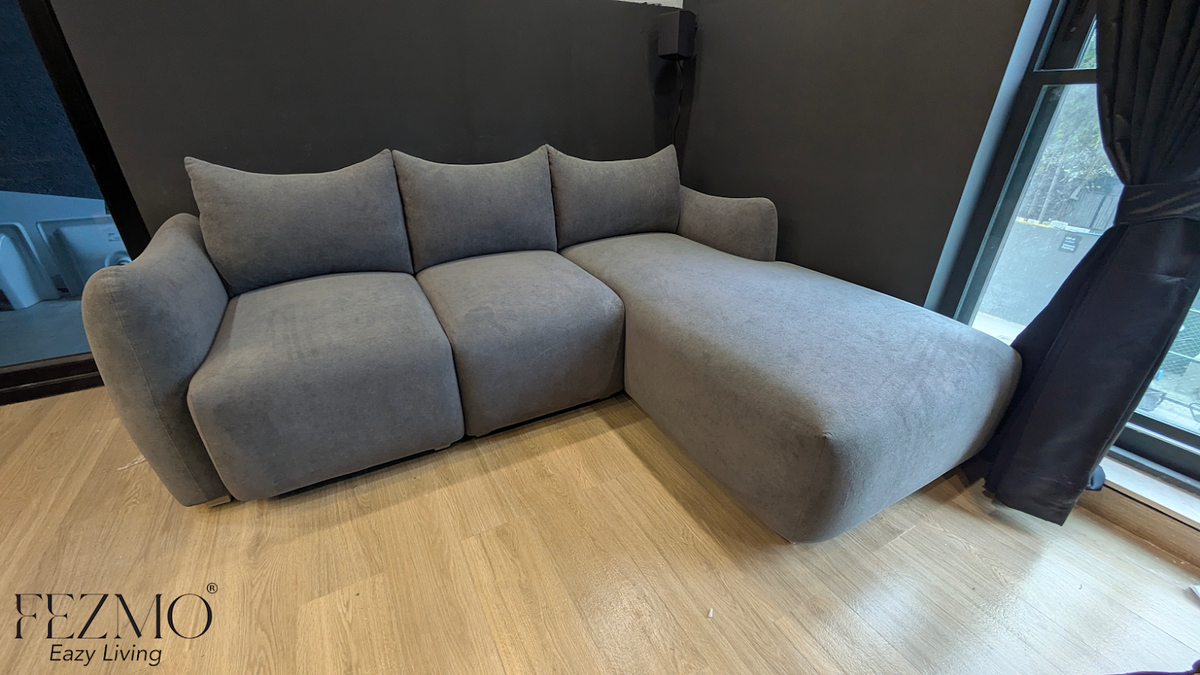
A few practical habits can help households avoid the guest versus daily furniture divide altogether.
Choose upholstery in medium tones that hide light stains without looking dull
Prioritise sturdy frames over decorative detailing that adds no functional value
Pick modular or multifunctional pieces where space is limited
Avoid glass or delicate finishes in high traffic areas of the home
Invest in a few versatile pieces instead of separate sets for guests and family
These choices reduce the pressure to keep certain furniture untouched and allow every piece in the home to be genuinely used, regardless of who is sitting on it.
Common Mistakes to Avoid When Furnishing for Both Purposes
A few recurring mistakes tend to widen the gap between show furniture and everyday furniture rather than closing it. Buying purely on visual appeal without checking the frame quality or fabric strength often leads to pieces that look tired within a year of regular use. Overcrowding a living room with formal furniture leaves no comfortable spot for actual family time, pushing everyone toward a bedroom or a single sofa corner. Ignoring measurements before purchase is another common error, resulting in oversized pieces that block movement in smaller Chennai apartments. Avoiding these mistakes early makes it far easier to build a home where every piece of furniture serves a genuine purpose instead of sitting idle for most of the year.
Conclusion
The divide between furniture bought for guests and furniture used every day often comes down to unclear priorities at the time of purchase. When comfort, durability, and design are considered together rather than separately, a home no longer needs two sets of furniture living side by side. Thoughtful choices, and where needed, tailored designs, allow a single collection of furniture to serve both purposes without compromise. If you are planning to redesign your living spaces with furniture that looks good for guests and holds up for daily life, contact us to discuss options suited to your home and requirements.