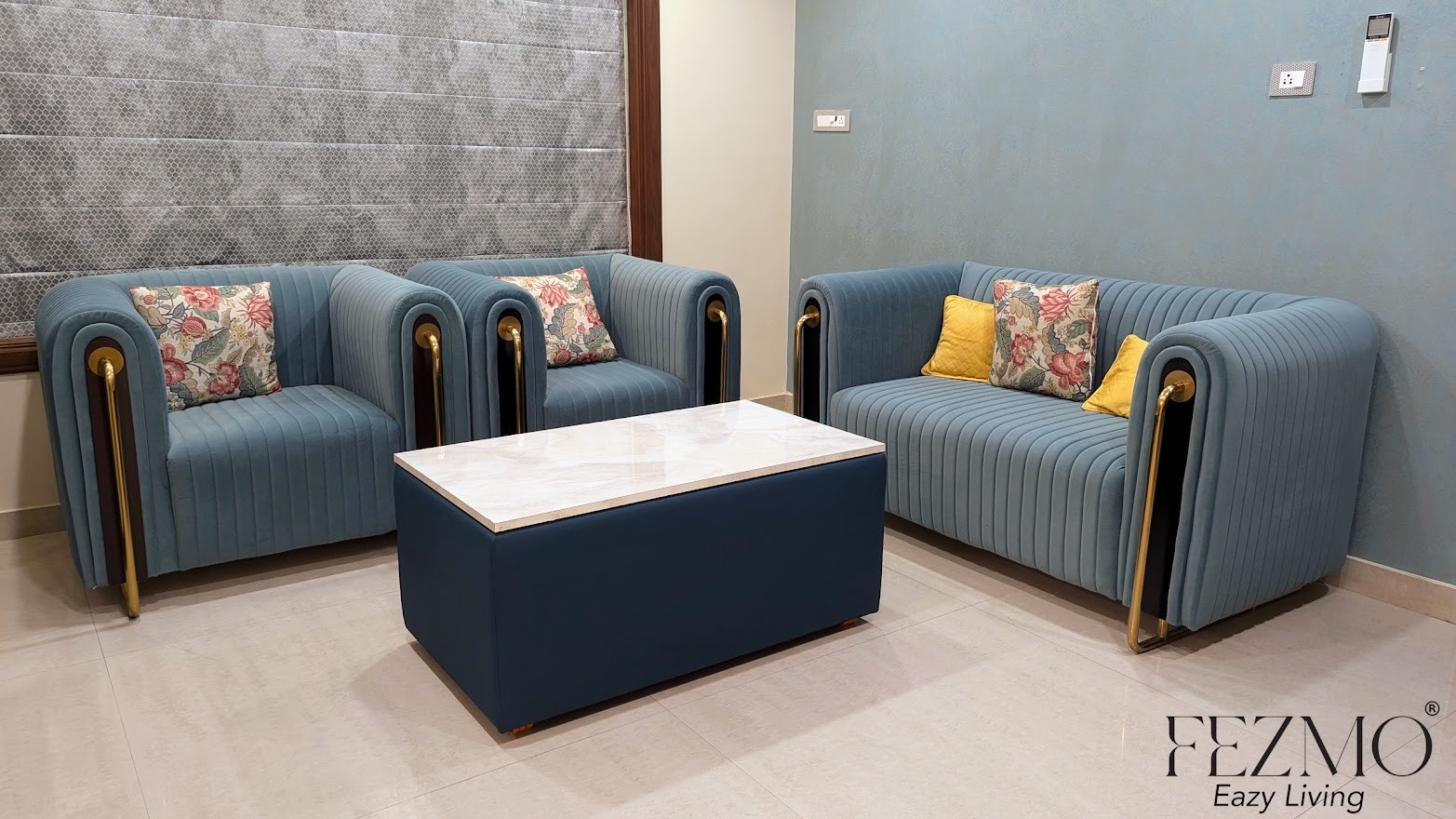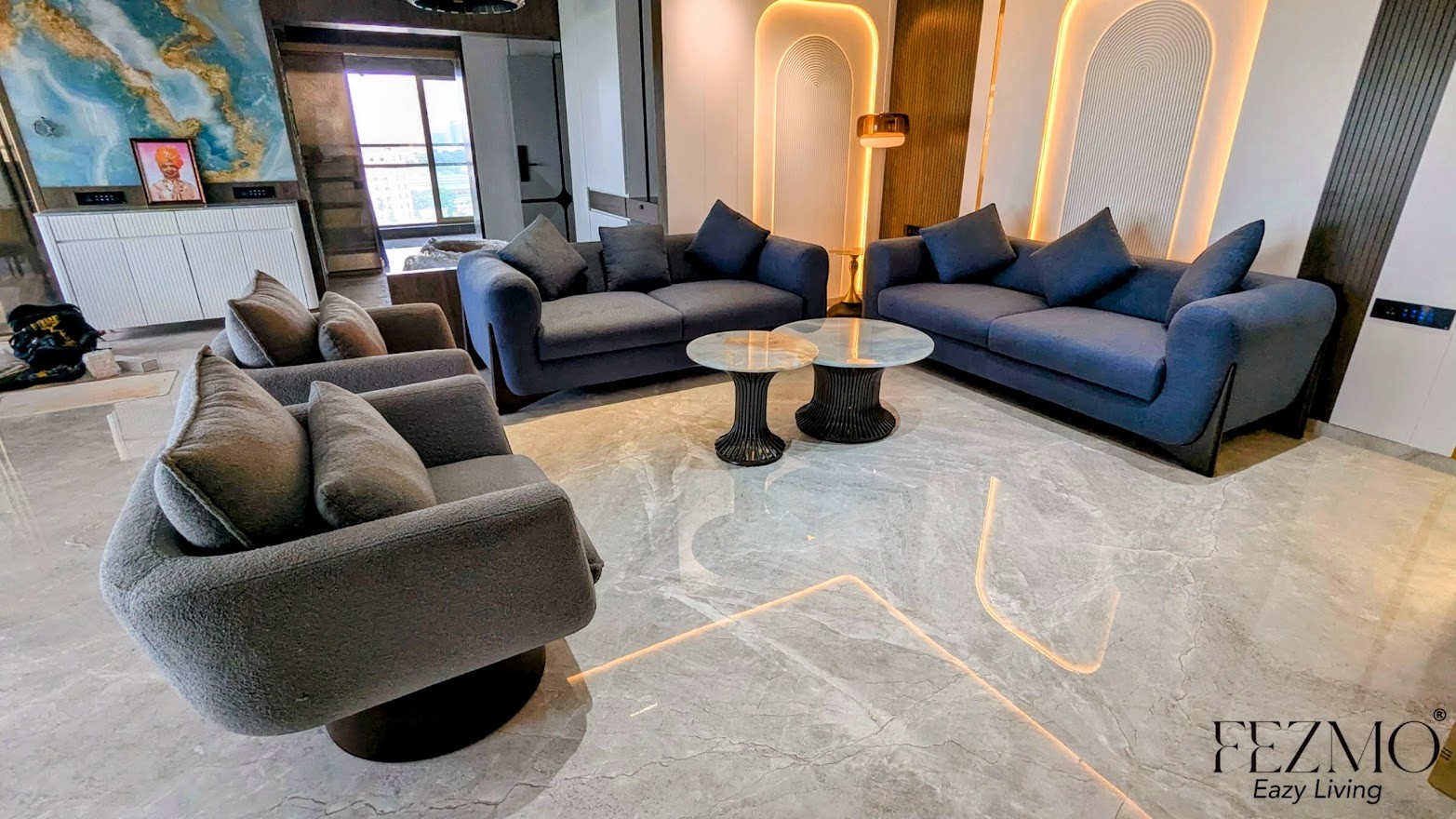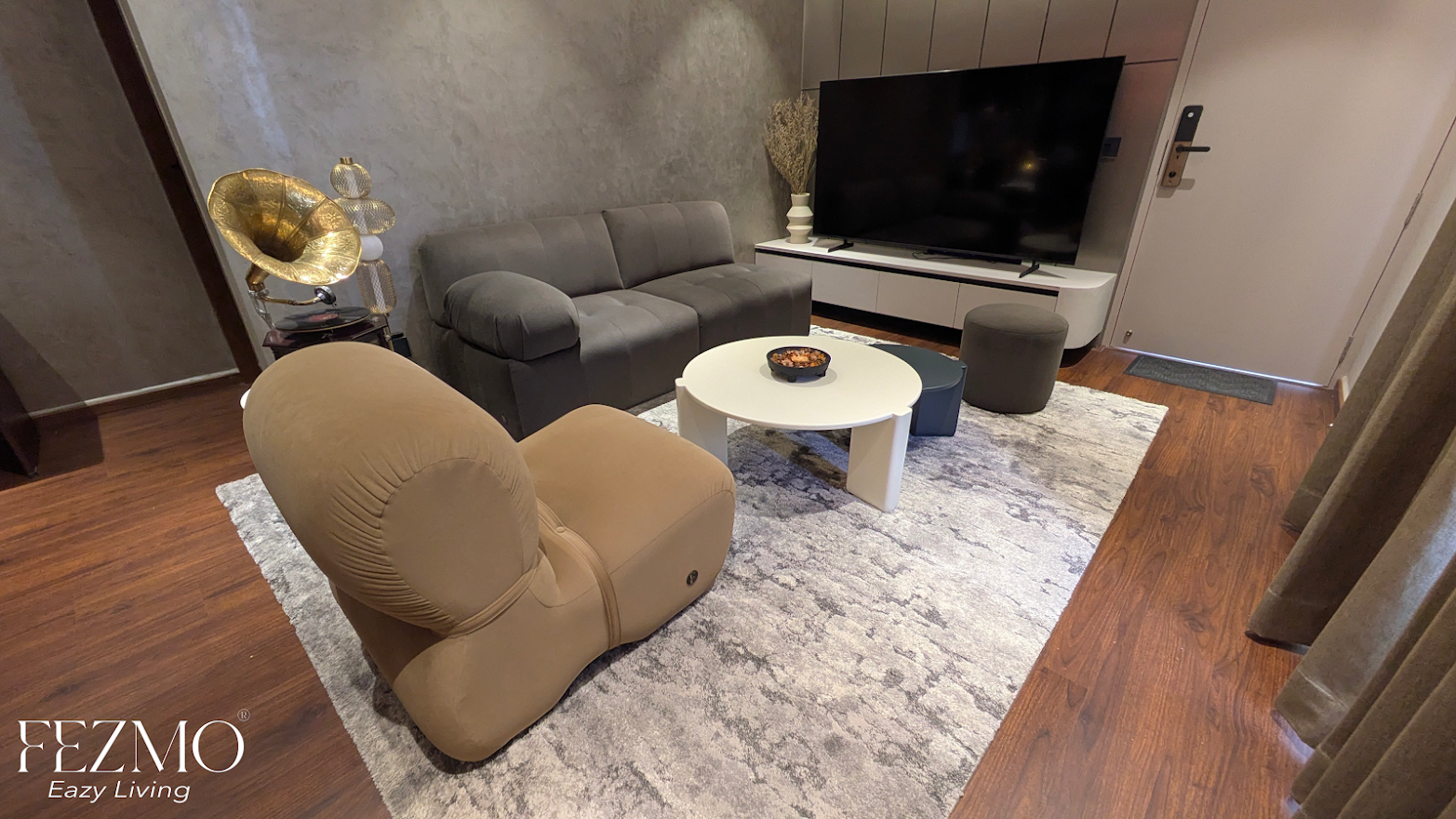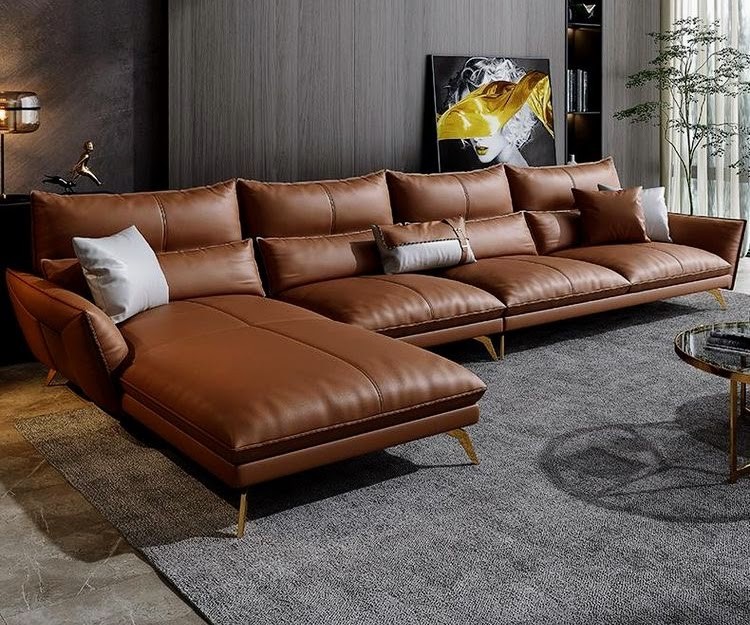
It is a familiar order of events. The walls are painted, the flooring is laid, the lighting is fixed, and only then does the search for furniture begin. The room looks finished on the day the contractor leaves, yet it sits half empty, waiting for the pieces that will actually make it liveable. Plenty of homeowners work this way, and many later wonder whether they got the sequence wrong. The honest answer is that it depends, and understanding why is the difference between a room that comes together and one that quietly fights itself. For homes finished this way, customised furniture in Chennai often becomes less of a luxury and more of a practical fix.
This article looks at the two common ways of sequencing a room, where designing first tends to help, where it can create problems, and what to do if your space is already complete and the furniture still has to fit. The aim is not to declare one order correct for everyone, but to help you see the trade-offs clearly so your next decision is a deliberate one.
Two Common Ways to Sequence a Room
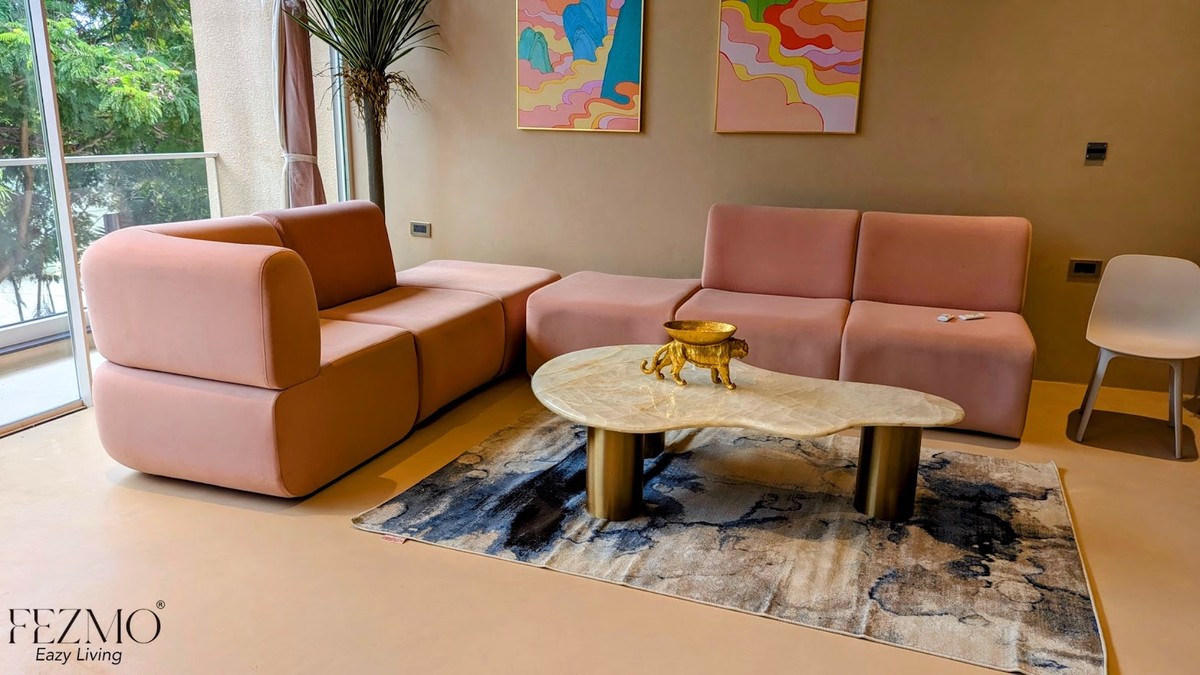
Broadly, people approach a room in one of two orders. Some design the shell first, settling the layout, surfaces and fixed elements, then choose furniture to suit what already exists. Others start with an anchor piece, perhaps a sofa or a dining set they love, and build the room's palette and finishes around it. Neither approach is inherently right, but each sets up a different set of constraints that shape everything after it.
Why Designing First Feels Natural
Designing the room first has an obvious logic. Structural work, flooring and painting are disruptive and hard to undo, so it feels sensible to finish them before bringing in anything that could be damaged by the work. Builders and contractors also prefer an empty room. As a result, furniture often becomes the last item on the list, chosen once the space is already defined. The difficulty is that this leaves furniture to fit into a fixed envelope of dimensions, proportions and colours, rather than being part of the plan from the start.
Where Designing First Can Create Problems
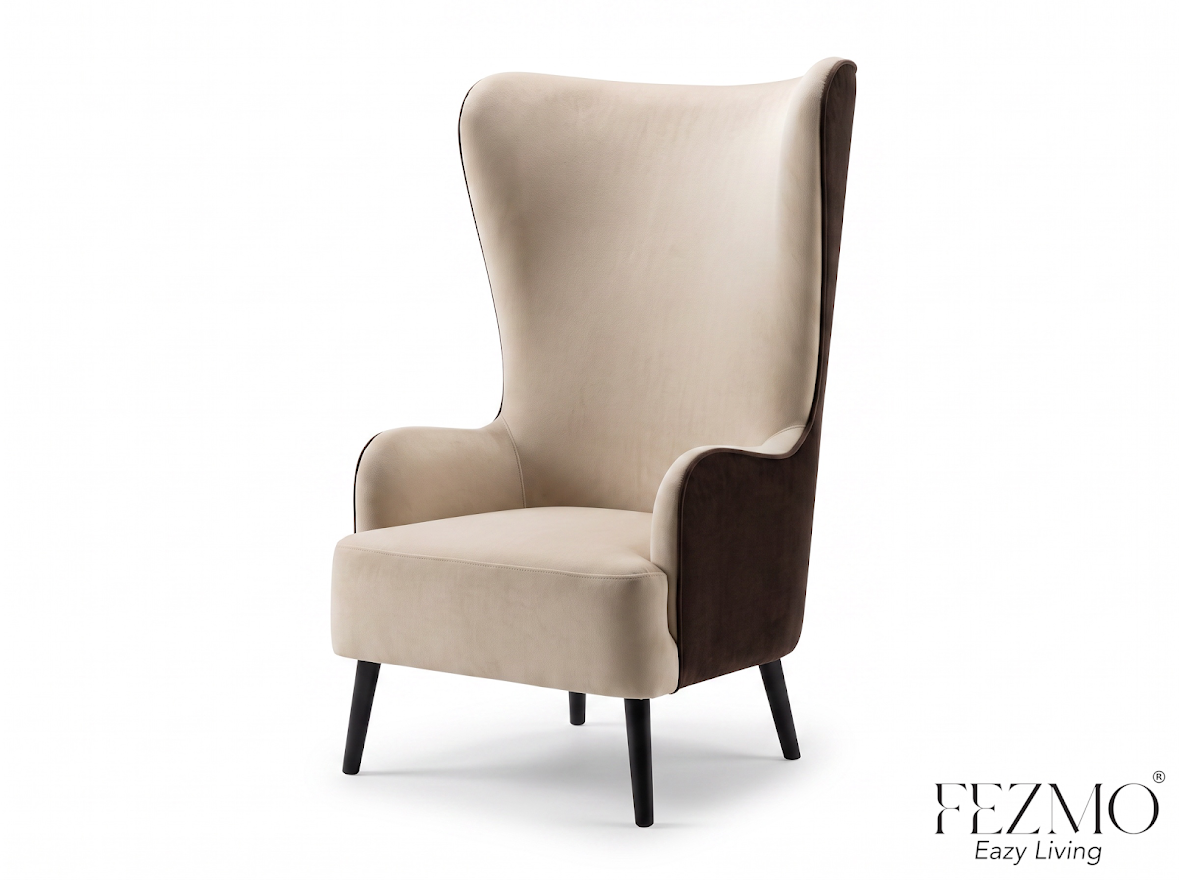
The main risk of finishing a room before choosing furniture is that the space dictates terms the furniture then has to obey. A wall of a certain length, a window at a certain height, or a socket in a particular spot can all quietly narrow what will work. When buyers go looking for ready-made pieces afterwards, they sometimes find that nothing off the shelf fits the exact situation the finished room has created.
Scale is the most common casualty. A living area that looked spacious when empty can feel cramped once a standard three-seater and its companions arrive, or oddly bare if the pieces are too small for the volume. Circulation suffers when a sofa chosen for looks blocks a natural walking path. These are not failures of taste. They are the predictable result of choosing furniture to fit a space that was never planned around it.
The Fit Problem in Compact Homes
This challenge is sharper in smaller homes, where every centimetre is doing work. In a compact flat, a piece that is slightly too deep or too wide does not just look wrong, it makes the room harder to use. Built-in features, beams and awkward corners, common in many apartments, further limit which mass-produced pieces can slot in cleanly. The finished room, in other words, often asks for furniture that the standard market was not designed to supply.
Where Made-to-Order Changes the Equation
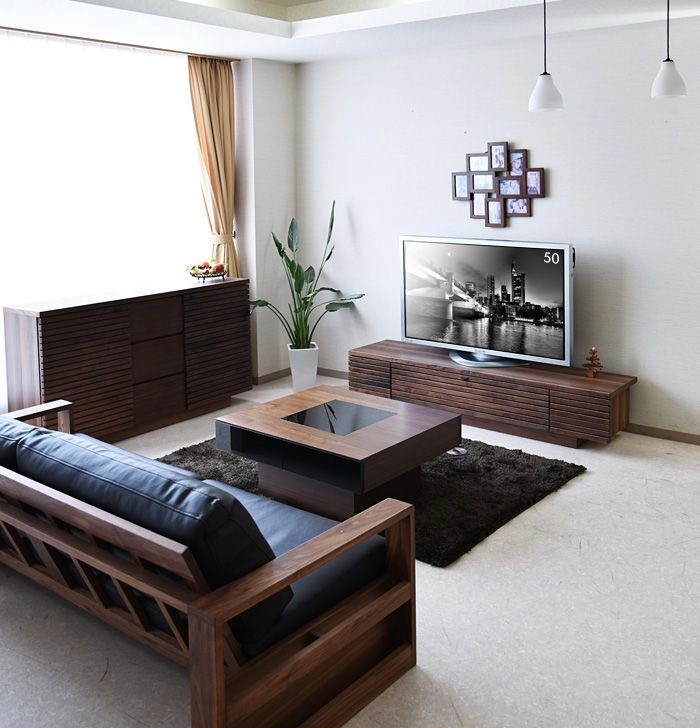
This is the point at which building furniture to fit stops being an indulgence and becomes a sensible response to a room that is already finished. If a wall calls for a two-and-a-half-seater rather than a standard three, or a study needs a desk shaped to an alcove, a bespoke approach solves what ready-made ranges cannot. Choosing custom-made furniture in Chennai allows the pieces to answer the exact dimensions, palette and proportions the finished room has handed over, rather than forcing a compromise on any of them.
Made-to-order work also lets the furniture pick up cues the room has already established. A wood tone can be matched to the flooring, an upholstery colour tuned to the wall paint, a cabinet sized precisely to the gap it has to fill. In a room designed first, this ability to respond to what exists is often what rescues the sequence, turning a fixed set of constraints into a coherent whole rather than a series of near misses. For compact Chennai apartments in particular, modular and custom pieces designed around the room layout are often preferred over bulky traditional furniture, since they make better use of limited floor space.
When Choosing Furniture First Is the Smarter Order
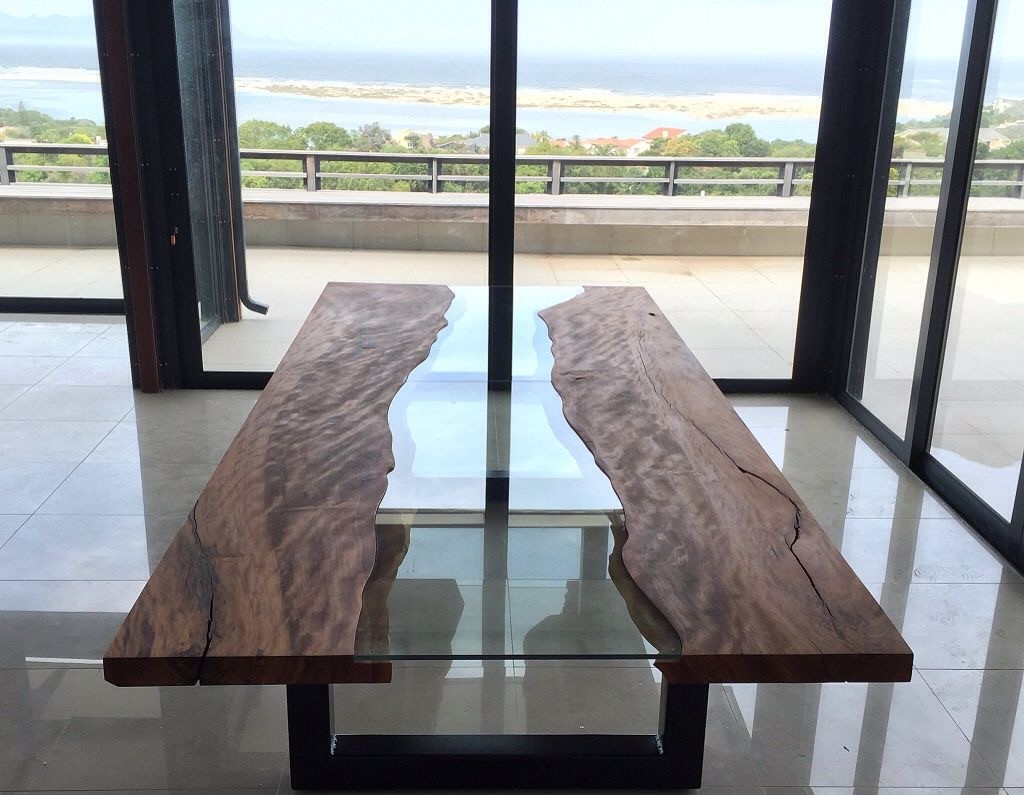
There are cases where reversing the order makes more sense. If a particular piece matters deeply, such as an heirloom dining table, a statement sofa, or a much-loved cabinet, it is often wiser to choose it early and design the room around it. Anchoring the palette, lighting and layout to a known object avoids the awkward search for finishes that flatter a piece bought later. For buyers who already know the centrepiece they want, letting it lead can produce a more unified result.
This furniture-first order also suits people who care most about comfort and daily use. Choosing the sofa you will actually live with, then selecting a wall colour and flooring that support it, keeps the room honest about how it will be used. The design follows the life rather than the other way around, which many find is a more natural way to arrive at a home that works.
Comparing the Two Approaches
If You Design the Room First
- Surfaces and fixtures are settled early.
- Furniture must fit a fixed envelope.
- Ready-made options may fall short.
- Layout follows the main piece.
- There is a risk of scale and circulation issues.
- Works well when the structure comes first.
If You Choose Key Furniture First
- An anchor piece guides the palette.
- Finishes are chosen to flatter the piece.
- The room adapts to what you love.
- Made-to-order furniture can bridge the gap.
- There is a risk of overcommitting to one item.
- Works well when a centrepiece matters most.
How to Bridge the Gap If the Room Is Already Finished
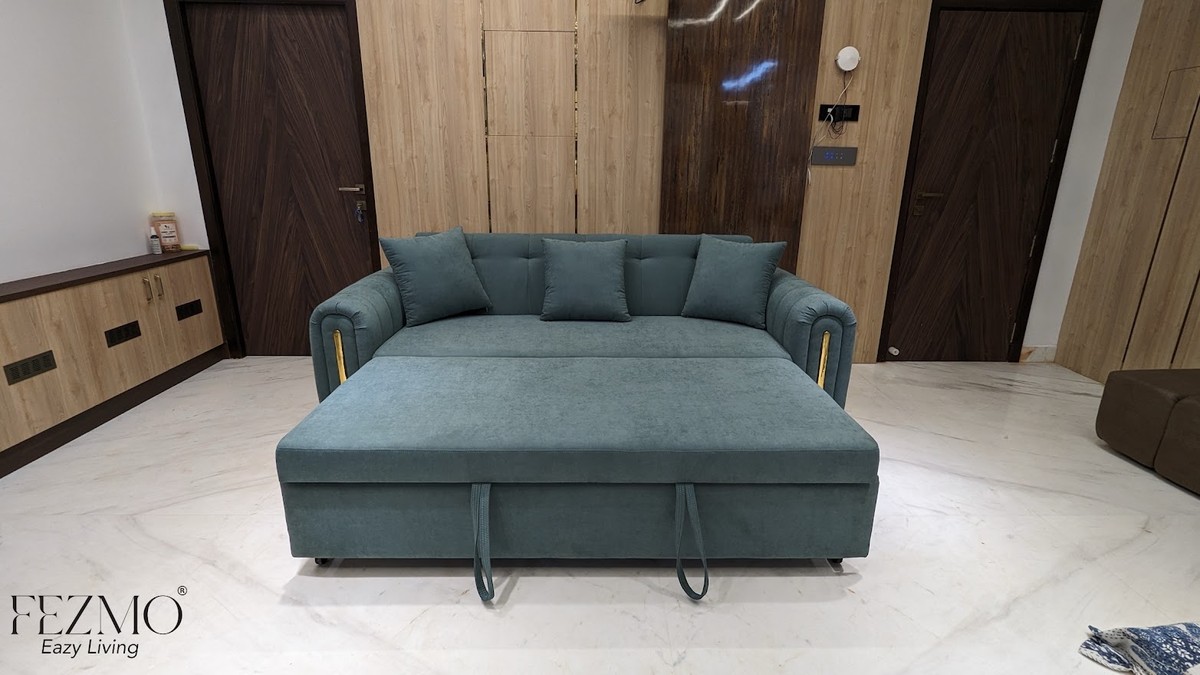
If your space is already complete, the sequence is not a mistake you are stuck with. It simply changes what to look for. Start by measuring carefully: the wall lengths, the ceiling height, the position of windows, sockets and doors, and the width of the route furniture must travel to reach the room. Take those measurements, along with photographs and a note of your finishes, when you visit Fezmo's Chennai furniture showroom, so the conversation starts from the real constraints rather than guesswork.
From there, prioritise fit over impulse. A piece that is close to right but slightly off in scale will nag for years, so it is usually worth exploring a made-to-order option before settling for an approximate match. Bring samples or clear references of your flooring and wall colour, because judging a fabric or wood tone against them in person is far more reliable than trusting memory or a screen. It also helps to be clear about how the room will be used day-to-day, since that shapes the depth, height and durability that will suit it best.
Small Checks That Prevent Big Regrets
A few simple habits reduce the risk. Tape out the footprint of a proposed sofa or table on the floor before buying, to feel how it affects movement through the room. Sit on seating for several minutes rather than seconds. Ask how a piece is built, what any guarantee covers and how long delivery will take. These checks cost nothing and tend to matter far more than the finish that first caught your eye in the display.
So, Was It a Mistake?
Designing a room before choosing its furniture is rarely a mistake in itself. It becomes one only when the finished space is handed a set of constraints and then filled with pieces that were never meant to meet them. The sequence works when the furniture is allowed to respond to the room, which is exactly where a considered, made-to-fit approach earns its place. If your room is already complete and you would like help choosing pieces that suit it precisely, get in touch with the Fezmo team to talk through your measurements, finishes and options.
Frequently Asked Questions
Is it wrong to buy furniture after the room is finished?
Not necessarily. Many homeowners finish surfaces and fixtures first for practical reasons. The order works well as long as the furniture is chosen to fit the room's actual dimensions and palette, rather than forcing an approximate match from standard ranges.
Why does ready-made furniture sometimes not fit a finished room?
Because standard pieces are built to common sizes, while a completed room has fixed wall lengths, window positions and built-in features. When those do not align with off-the-shelf dimensions, a made-to-order piece can fill the exact gap more comfortably.
Should I ever design a room around a piece of furniture?
Yes, when a particular item matters most, such as an heirloom or a statement piece. Choosing it early and building the palette, lighting and layout around it often produces a more unified result than searching for finishes that suit it afterwards.
What should I bring when shopping for furniture for a finished room?
Take accurate measurements of the space and access routes, photographs of the room, and samples or references of your flooring and wall colour. These help match scale and tone reliably and make it easier to judge whether a bespoke option is worthwhile.