Ask someone what they look for in a new sofa, and the answer almost always starts with colour. Grey, beige, a bold mustard for an accent piece, whatever fits the mood board. Colour matters, but it is only the surface of a decision that actually rests on frame strength, cushion fill, seat depth, and how well a piece works with the exact shape of a living room. A sofa is one of the few furniture purchases meant to last ten years or more, which is exactly why it deserves more scrutiny than a quick glance at a swatch. Anyone comparing options at a best sofa shop in Chennai will get a far better result by understanding what sits underneath the fabric than by relying on colour alone.
Why the Frame Matters More Than Most Buyers Realise
Solid Wood Versus Engineered Wood Versus Particleboard
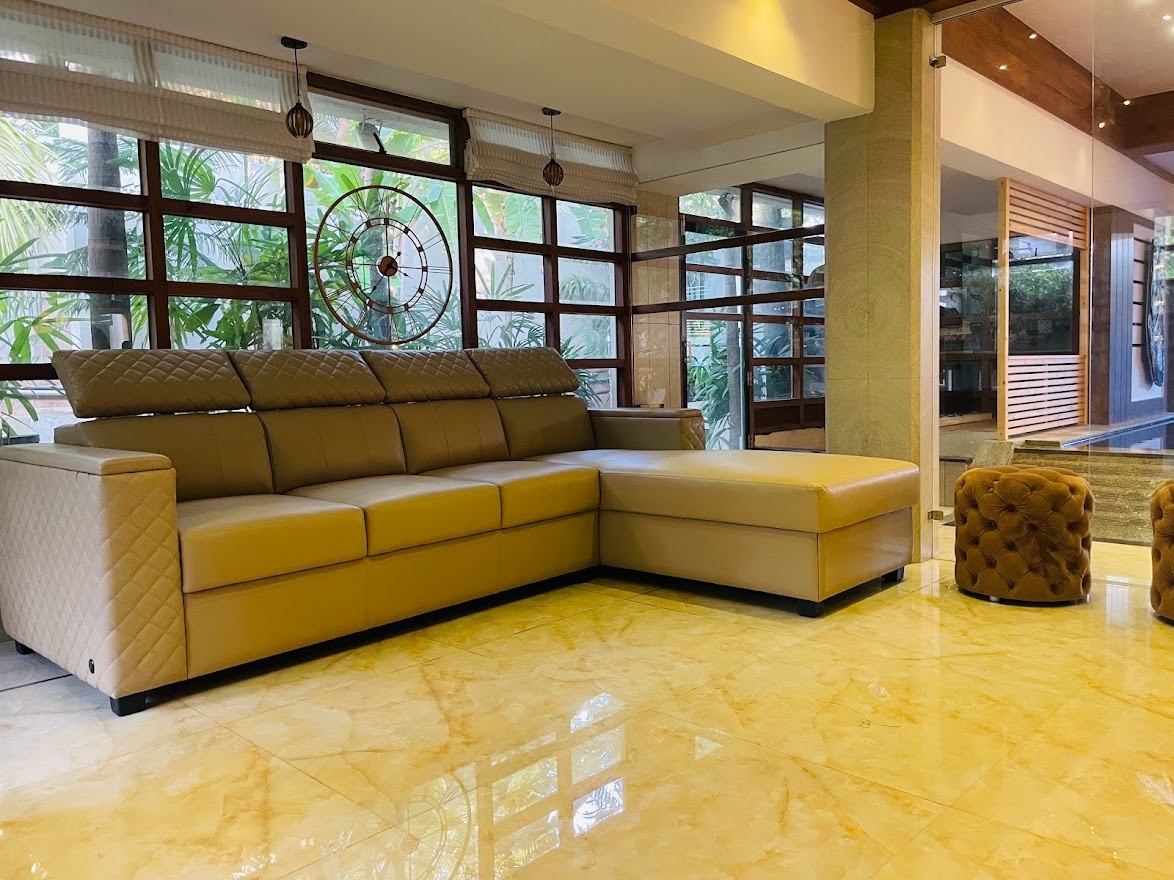
A sofa's frame is its skeleton, and it quietly determines how long the piece will hold its shape under daily use. Solid hardwood frames tend to be the most durable, resisting warping and holding joints tightly for years. Engineered wood, such as high grade plywood, is a reasonable middle ground that balances cost and strength when built well. Particleboard frames are the most common source of early sofa failure, since they can weaken at the joints far sooner than either solid or engineered wood, particularly under repeated pressure from sitting and standing.
Joinery and Corner Blocks Often Get Overlooked
How a frame's corners are joined matters almost as much as the wood itself. Corner blocks, screws, and glued dowel joints add significant strength compared to frames held together with staples alone. This detail rarely appears in a product description, which is why asking directly about construction, rather than assuming quality from a photo, is worth the extra minute during a showroom visit.
Understanding What Is Inside the Cushions
Foam Density and Why It Predicts Longevity
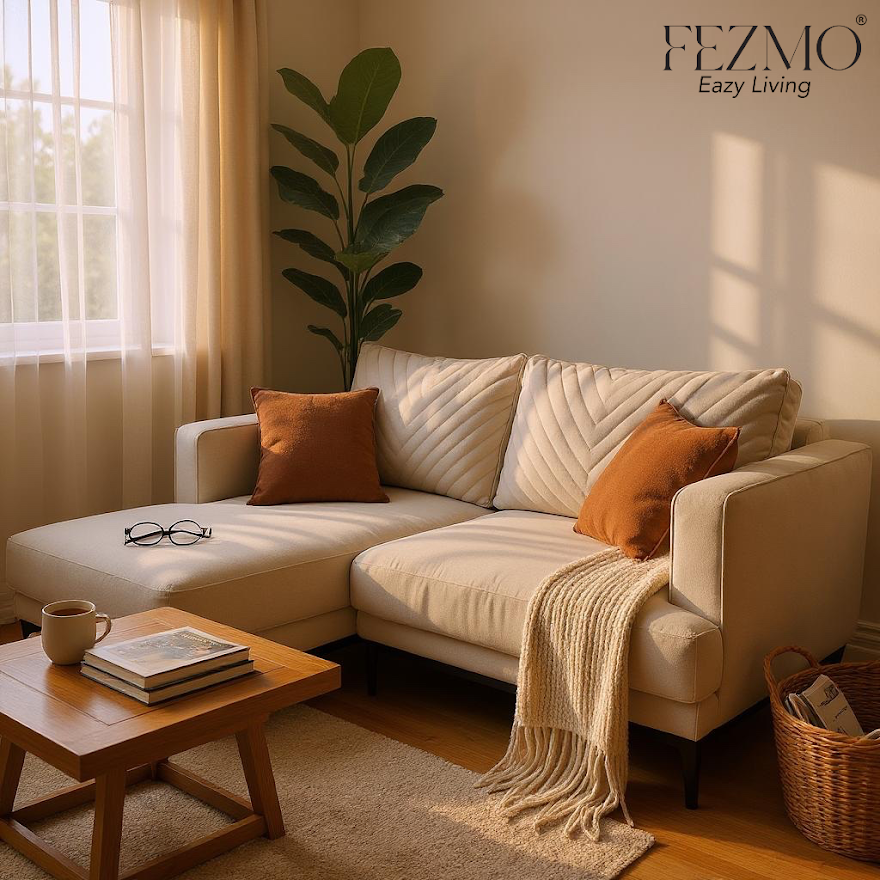
Cushion comfort on day one tells you very little about how a sofa will feel a year later. What actually predicts long-term comfort is foam density, measured in kilograms per cubic metre. For a seat cushion used daily, a density in the range of thirty to thirty five kilograms per cubic metre is generally considered a reliable baseline for resisting sagging over time. Lower density foam can feel just as soft in the showroom, but it tends to flatten noticeably faster, sometimes within a year or two of regular use.
Fill Types and How They Affect Feel
Beyond density, the type of fill changes how a cushion behaves. Pure foam cushions tend to hold their shape consistently but can feel firmer. Foam wrapped in a layer of fibre or down blend softens the initial feel while retaining more support than pure fibre fill alone, which tends to flatten quickly and needs regular fluffing to look presentable. Buyers who prioritise a plush, sink-in feel should be aware that this comfort often comes with slightly more maintenance to keep cushions looking full.
Choosing Upholstery for Chennai's Climate and Lifestyle
Fabric Options and Their Everyday Practicality
Fabric upholstery offers warmth and a wide range of textures, but not every fabric suits a warm, humid climate equally well. Performance weave fabrics and treated microfiber resist moisture and stains far better than untreated cotton blends, which can hold humidity and show wear more quickly in coastal weather. Linen blends breathe well and feel cool against skin, making them a popular choice for households that prioritise everyday comfort over low maintenance.
Leather and Its Trade-Offs
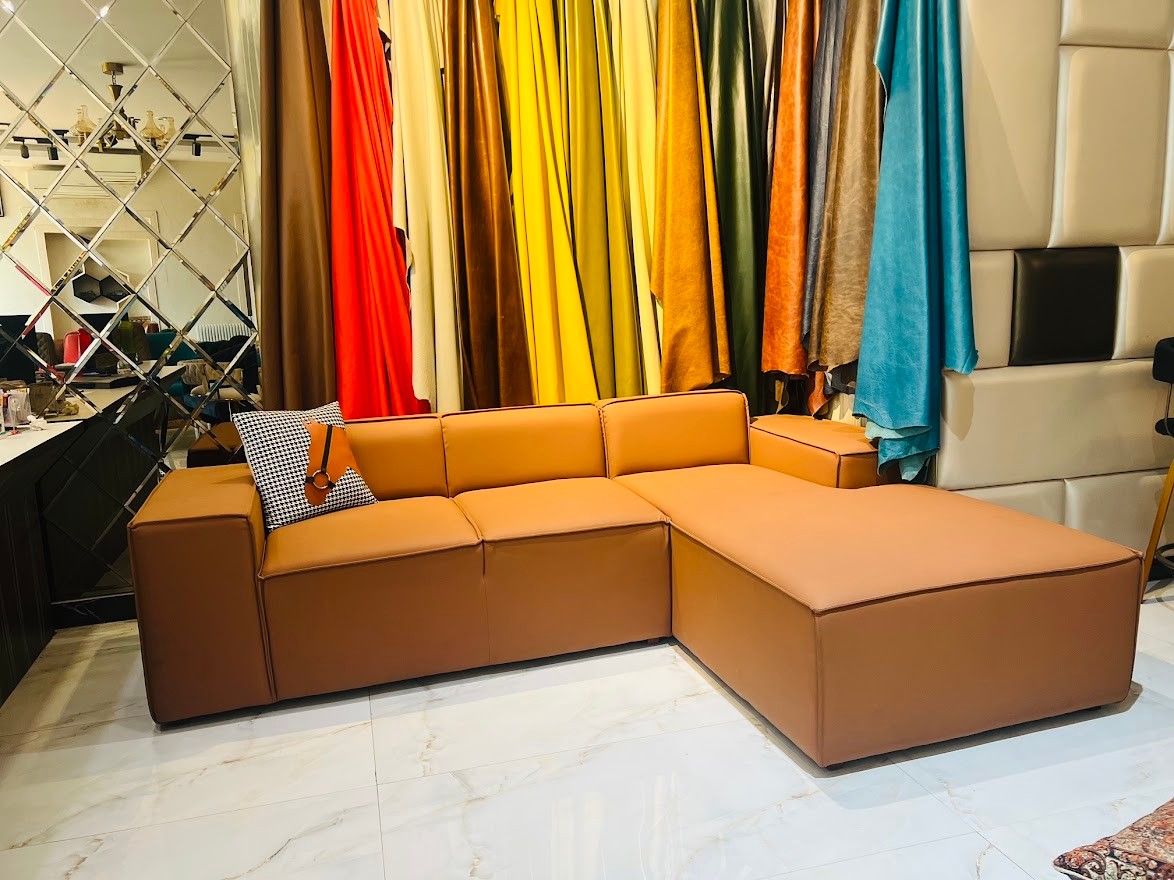
Leather remains popular for its durability and easy clean up, particularly in households with children or pets. Top grain leather offers a strong balance of softness and long-term resilience, while treated leather variants are often better suited to humid conditions since they resist cracking more effectively over time. The trade-off is that leather can feel warmer to sit on during peak summer months, which is worth considering for a living room that gets significant afternoon sun.
Sizing a Sofa to Fit Your Actual Living Room
Matching Sofa Scale to Room Proportions
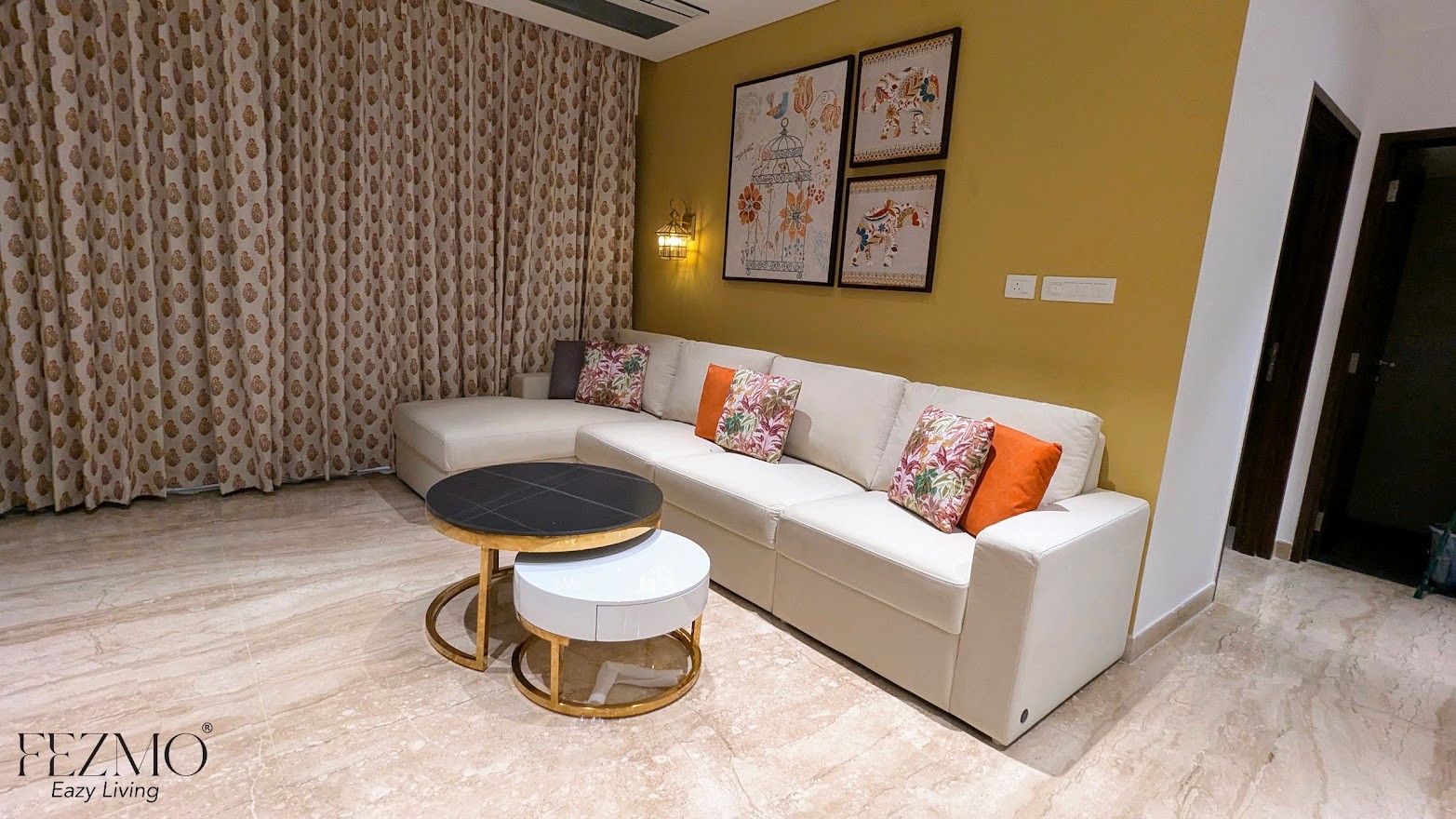
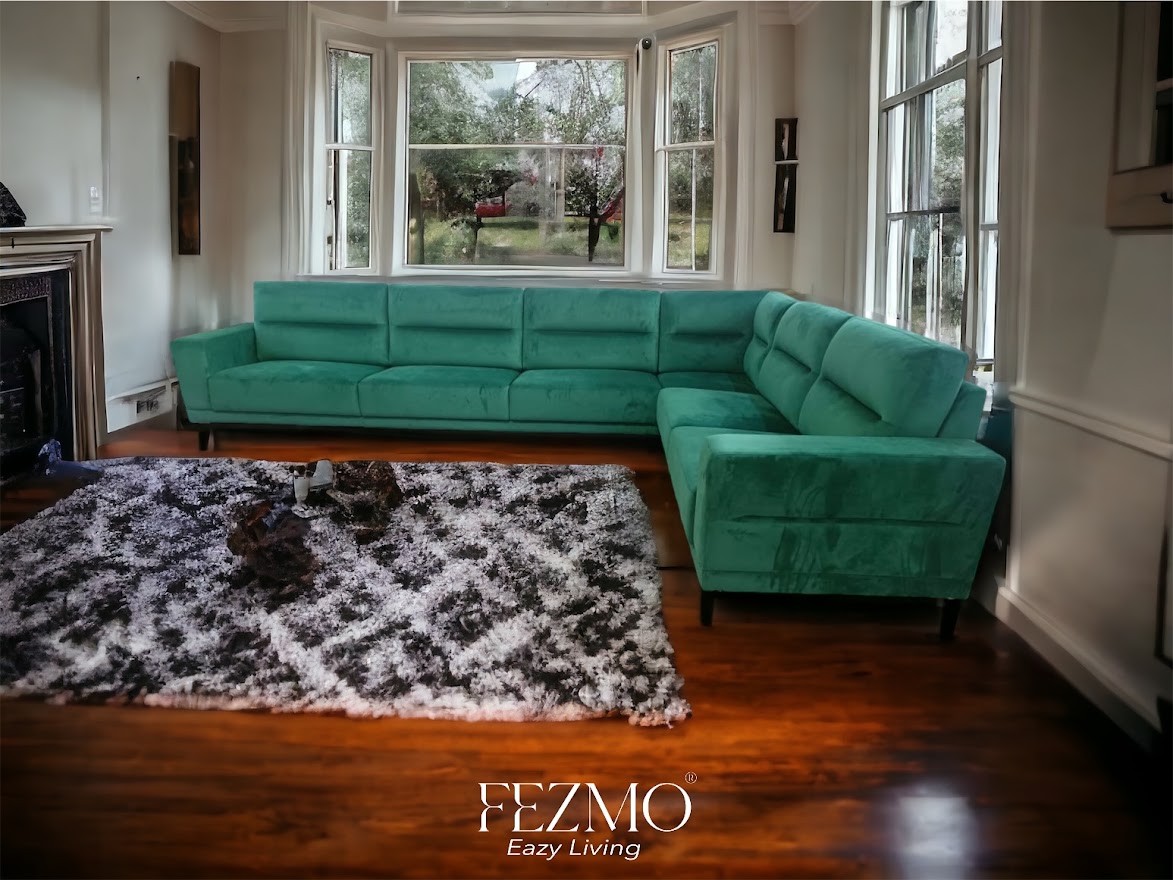
A general guideline many designers follow is that larger rooms suit bigger sectional or corner sofas, while smaller living rooms are better served by a compact two or three seater or a loveseat. Beyond overall square footage, it helps to think about how much open floor space needs to remain for walking, since a sofa that technically fits against the wall can still make a room feel cramped if it leaves no comfortable path through the space.
Seat Depth and Arm Width Change How Furniture Feels to Use
Seat depth, typically measured from the front edge of the cushion to the backrest, has a direct impact on comfort for different body types and sitting habits. A seat depth in the range of fifty five to sixty five centimetres tends to suit most adults, allowing feet to rest flat on the floor while still offering enough room to sit back comfortably. Arm width matters too, since chunky arms look striking but quietly eat into usable seating space, particularly on smaller sofas where every centimetre counts.
Current Design Trends Worth Knowing About
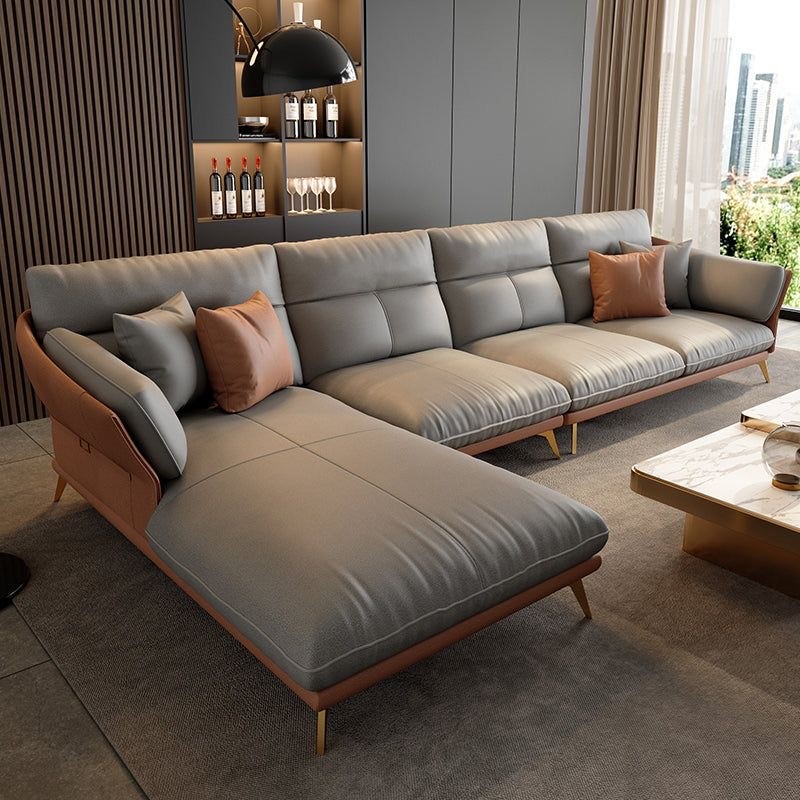
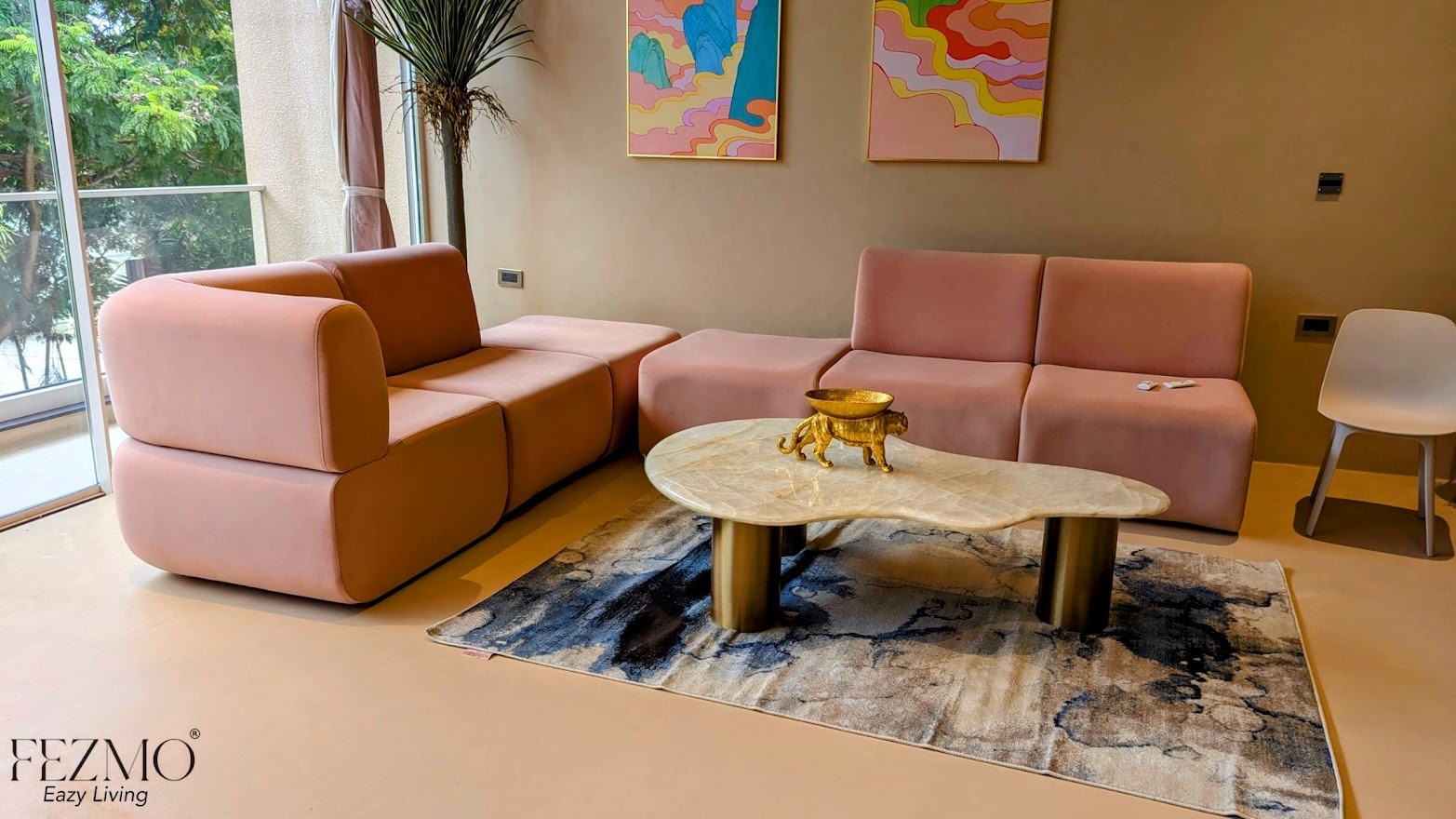
Sofa design has shifted noticeably toward comfort focused engineering rather than shape alone this year, with brands investing heavily in improved foam systems and modular frames that adapt to how people actually sit, whether cross legged, sideways, or fully reclined. Curved silhouettes with rounded backs and soft arms have also gained popularity, replacing the sharp, boxy profiles that dominated for years. Modular and sectional configurations continue to be in demand as well, since they let a household rearrange seating as a room's layout or needs change over time. A visit to a sofa showroom in Chennai makes it easy to see how these design shifts translate into pieces that suit a specific room, rather than judging them purely from online photos.
Questions to Ask Before You Buy
A short list of direct questions can prevent most regrets. What is the foam density in the seat cushions, and is it consistent across the entire piece. Is the frame solid wood, engineered wood, or particleboard, and how are the joints reinforced. Is the fabric or leather treated for stain resistance, and what does routine cleaning involve. Does the price include delivery, and what is the return policy if the colour or size does not match expectations once it arrives. A seller who answers these questions clearly and without hesitation is generally a more trustworthy source for a purchase that needs to last years, not months.
Common Mistakes That Shorten a Sofa's Lifespan
Buying Based Purely on Showroom Comfort
A sofa can feel wonderfully soft after sitting on it for two minutes in a showroom, yet lose that same softness within months of daily use at home. Showroom cushions are often freshly fluffed and rarely tested under sustained weight, which makes a quick sit-test an unreliable way to judge long-term comfort. Asking specifically about foam density and fill type gives a far more accurate picture than the first impression alone.
Ignoring How the Sofa Will Actually Be Delivered
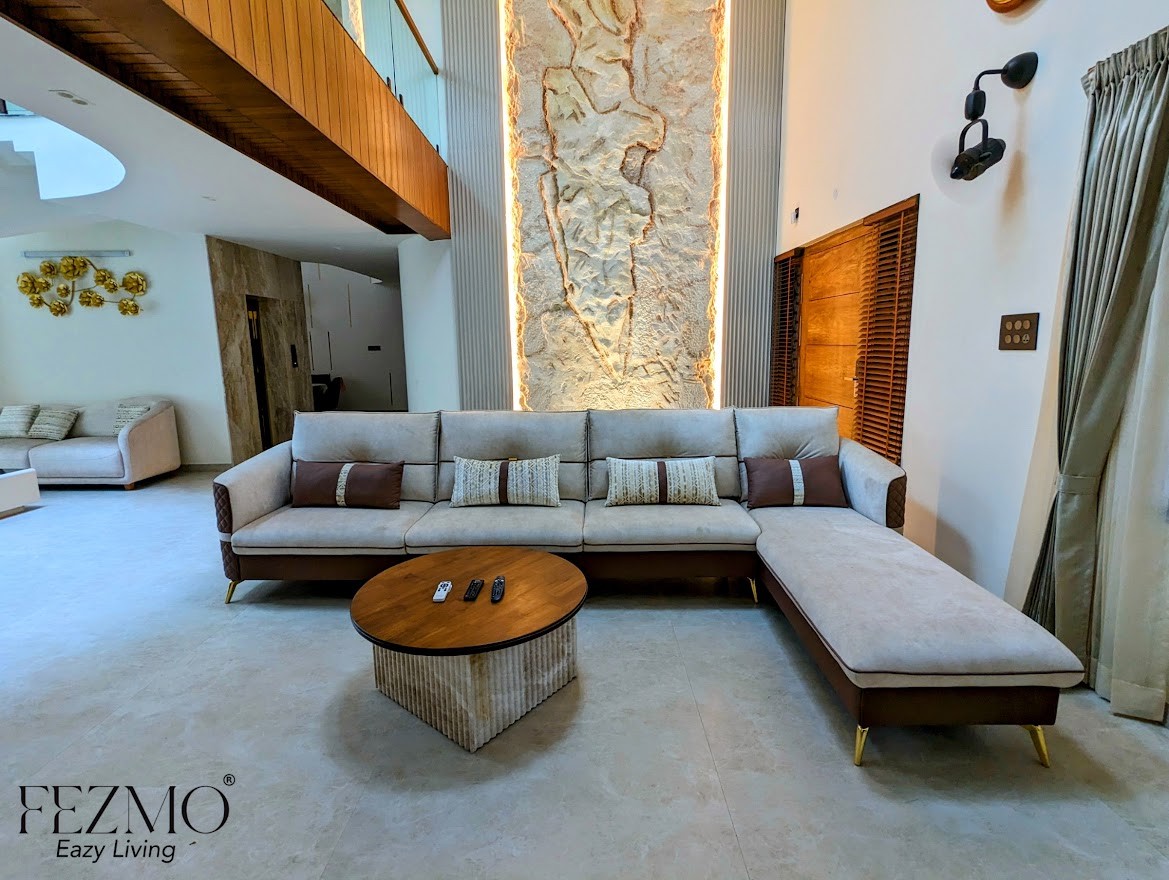
A sofa that fits beautifully in a living room can still become a problem if it cannot be carried through a doorway, around a stairwell landing, or into a lift. This is a common oversight for larger sectional or L-shaped sofas in particular, which is why choosing the right sofa store in Chennai can also mean considering practical delivery and access requirements. Their overall footprint is often significantly larger than any single cushion or armrest suggests. Checking packed dimensions against doorway and lift measurements before ordering avoids a frustrating delivery-day surprise.
Simple Care That Extends a Sofa's Life
Rotating and Fluffing Cushions Regularly
Cushions that are used in the same position every day tend to wear unevenly, developing a noticeable dip where weight is repeatedly placed. Rotating and flipping cushions every few weeks, where the design allows it, helps distribute wear more evenly and keeps the seating surface looking fuller for longer. Fibre-filled cushions in particular benefit from regular fluffing to prevent them from looking flat within just a few months.
Protecting Upholstery From Sun and Spills
Direct sunlight can fade both fabric and leather over time, so positioning a sofa away from a window that receives strong afternoon light helps preserve its original colour. For households with children or pets, a fabric protector spray or a removable, washable cover can make everyday spills far less stressful to deal with, without needing to replace the entire piece after an accident.
Conclusion
Choosing a sofa well means looking past colour and cushion softness to the frame, foam density, and upholstery choices that actually determine how the piece performs over years of daily use. A little extra attention to these details during shopping saves far more disappointment than it costs in time. If you want guidance on finding a sofa that suits your room, your lifestyle, and Chennai's climate, contact us and our team will help you choose a piece built to last.