Think of the last room that made you feel instantly at ease. Chances are nothing in it matched perfectly, yet everything seemed to belong. The secret rarely lies in a single statement piece. It is the quiet conversation between hard and soft surfaces: a matte oak table beside a bouclé armchair, a walnut console behind a linen sofa. If you are choosing furniture for your Chennai home, learning that conversation will help you spend wisely and live comfortably. In this guide, we look at how wood finishes, fabrics and leather work together, what to consider in a humid coastal city, and how the same ideas carry over to a workspace.
Why Material Pairing Matters More Than Matching
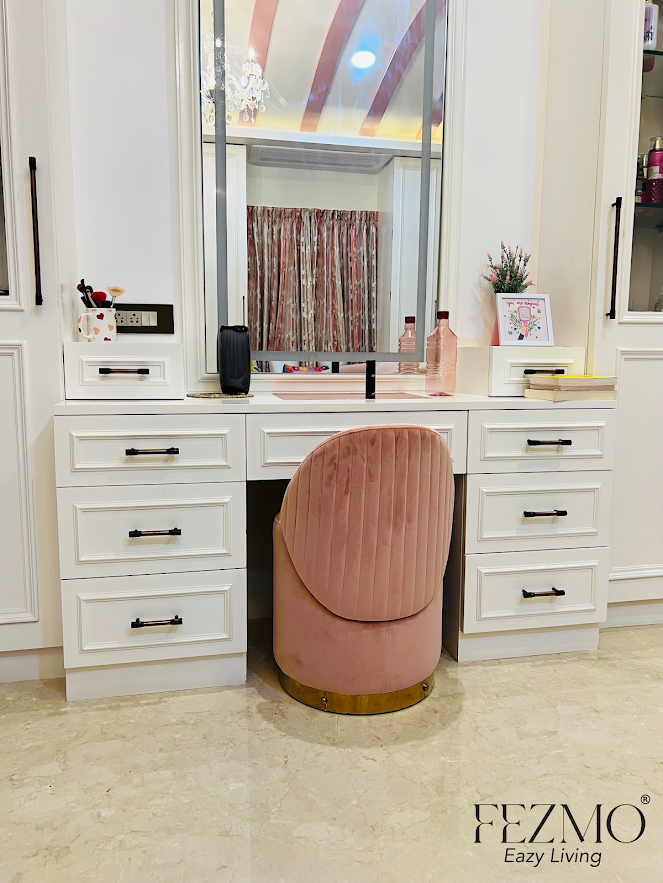
Picture two rooms. In the first, every piece is identical, and it feels a little like a showroom: neat, but flat and cold. In the second, every piece is shouting for attention, and you cannot quite relax. Good pairing lives between those extremes. It starts with noticing what each material does for the eye and for the body.
Hard and Soft Surfaces Need Each Other
Wood brings structure, grain and visual weight. Upholstery brings give, colour and a sense of welcome. Take either one away and the room loses something. Too much timber and the space turns heavy and formal. Too much fabric and it can feel shapeless, with nothing to anchor the layout.
What the Eye Notices First
Your eye usually picks up colour, contrast and pattern before anything else. A warm honey wood beside a cool grey sofa reads as a confident contrast. A mid-brown wood beside a similar mid-brown fabric feels calm and cohesive. Both work nicely, as long as you choose one on purpose.
Tone, Texture and Weight
Whenever you pair two pieces, try asking yourself three things. Are the tones close together or far apart? Do the textures differ enough to stay interesting? Does one piece look much heavier than the other? Stylists often suggest matching undertones while letting textures vary, because a similar colour with a different surface keeps a room serene without making it dull. Visual weight counts too. A chunky solid wood coffee table can swallow a slim-legged sofa, and a light table beside a bulky sectional can look a little lost.
Matte Wood and Its Best Soft Partners
Why Matte Finishes Deserve Attention
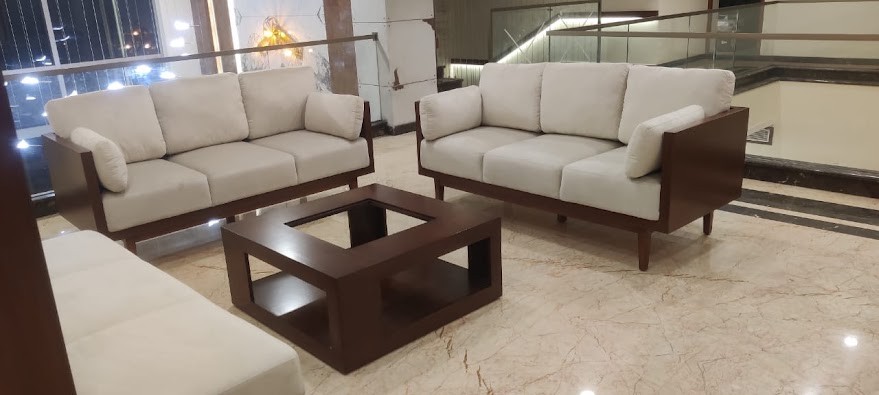
Matte finishes reduce direct reflections and give wood a softer look than high gloss. They can also make some minor surface marks less noticeable, although that depends on the finish, colour and texture. Satin sits somewhere in the middle. What makes matte timber so useful is how quietly it shows off the grain. Because the wood stays understated, the fabric beside it gets room to speak, which makes matte a flexible base for almost any upholstery story.
Fabrics That Flatter Natural Grain
Linen and Cotton Blends
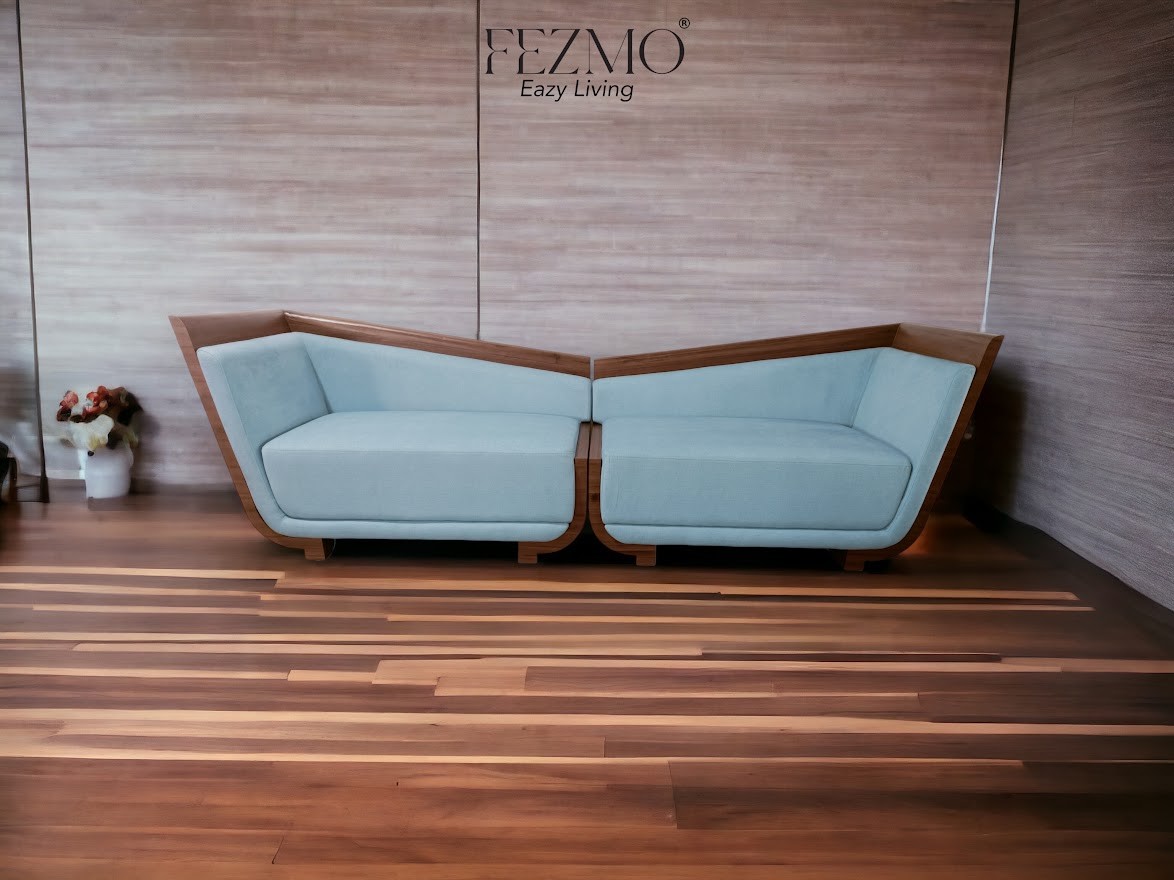
Light, breathable and a little rumpled, these fabrics are happy beside pale oak, ash and softly finished teak. They create a relaxed mood and feel at home in warm weather. Expect gentle creasing, which many people come to see as part of the charm.
Velvet
Velvet adds depth and a subtle sheen beside dark walnut or deep-stained wood, and design writers often describe the pairing as opulent. Before you fall for one in Chennai's warm climate, compare fibre composition, pile, backing and maintenance, especially if it is meant for everyday seating.
Bouclé and Textured Weaves
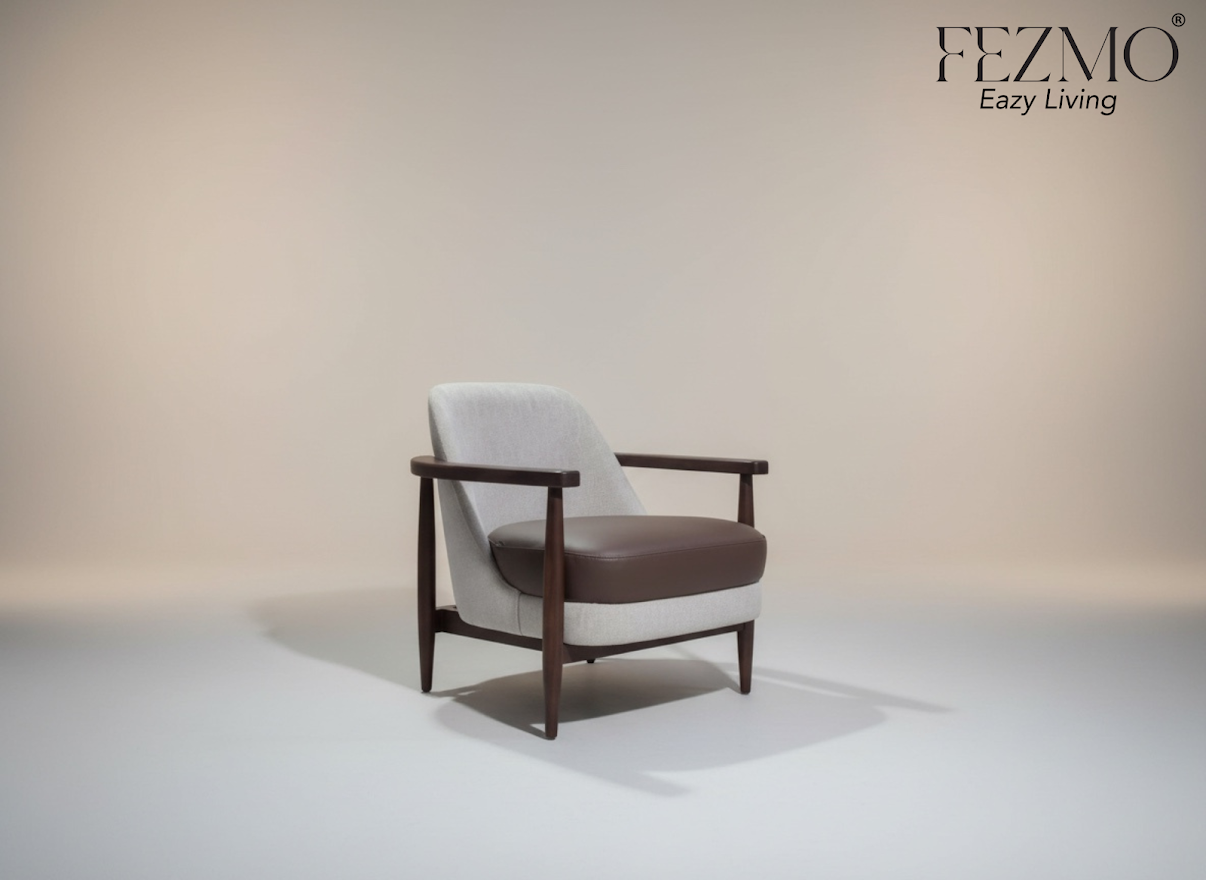
A creamy bouclé next to dark burl or deep brown wood feels elevated and contemporary, a combination stylists often recommend. Its looped construction may need extra care depending on the yarn and weave, so check the cleaning guidance before putting it on a busy family sofa.
Leather and Wood: A Classic Duo
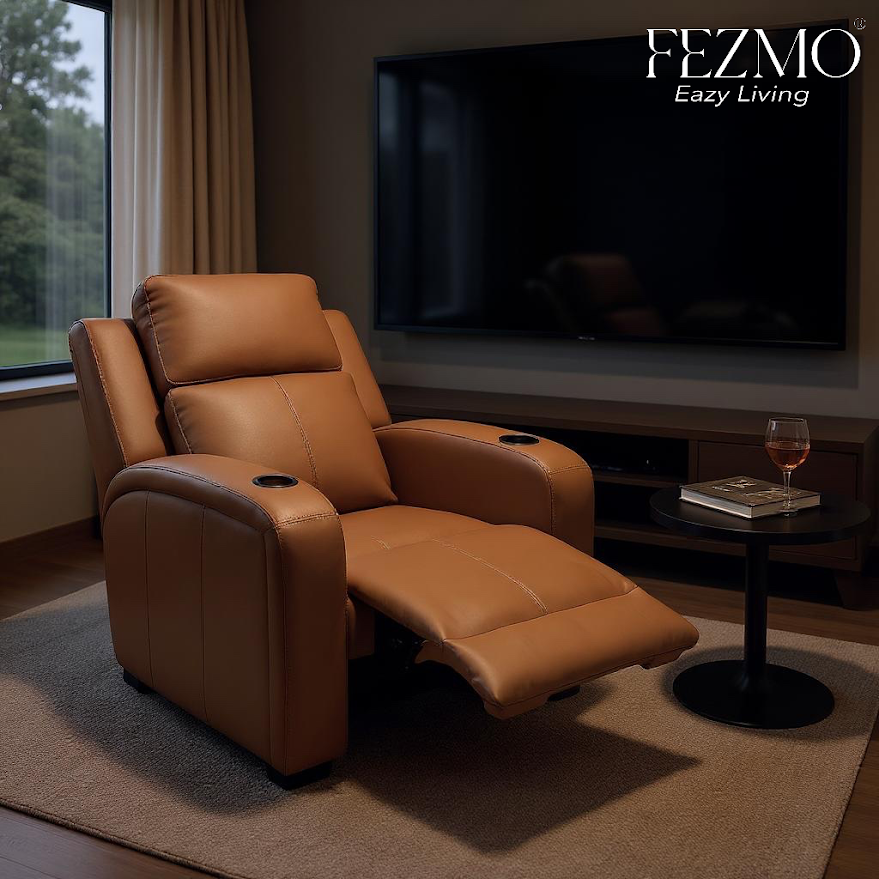
Dark leather with dark wood creates a subdued, sophisticated look, while tan leather warms up pale timber. In a coastal city, though, comfort deserves a test. It depends on the leather type, finish and room conditions, so compare leather with breathable woven upholstery and sit on both before settling on a material for everyday seating.
Mixing More Than Two Materials
Three is a handy guideline, though larger or more eclectic rooms can carry more: one wood tone, one main upholstery and one accent, such as a leather ottoman or a wool throw. Repeating materials around the room helps everything feel connected. A cushion that echoes the wood's undertone, or a side table that picks up the finish of the sofa legs, quietly ties the scheme together.
Pairing by Room: From Living Space to Workspace
The Living Room
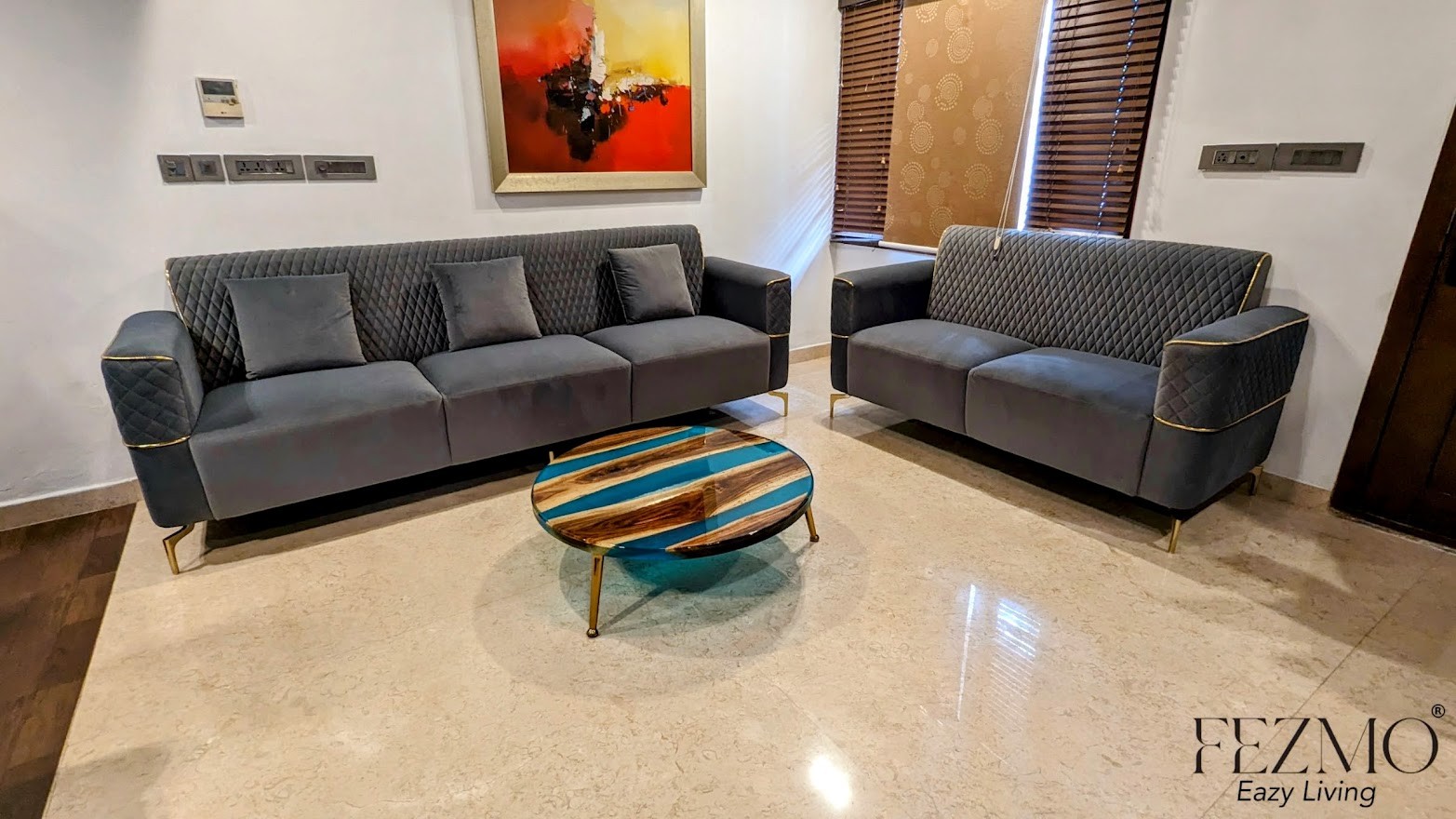
The sofa and the coffee table do most of the talking here. Choose the sofa first, since upholstery has the biggest colour footprint, then pick timber that shares an undertone with something already in the room, such as the flooring or a cabinet. If the sofa is a bold shade like deep green or rust, let the wood stay neutral and matte. If the sofa is neutral, the wood can carry more grain and character. One small tip: keep seating heights reasonably close, because a sudden jump from a low sofa to a very tall chair can make a layout feel awkward.
Dining and Bedroom
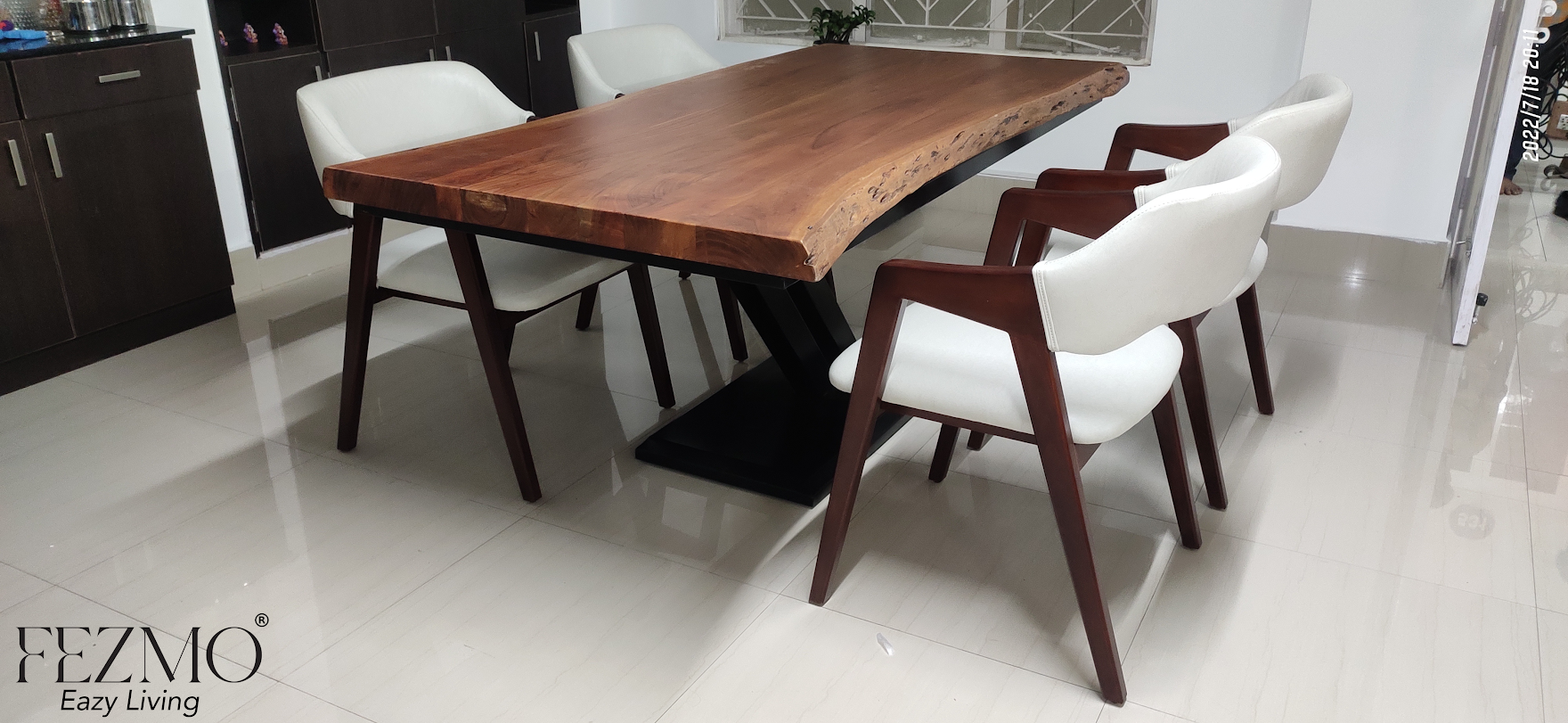
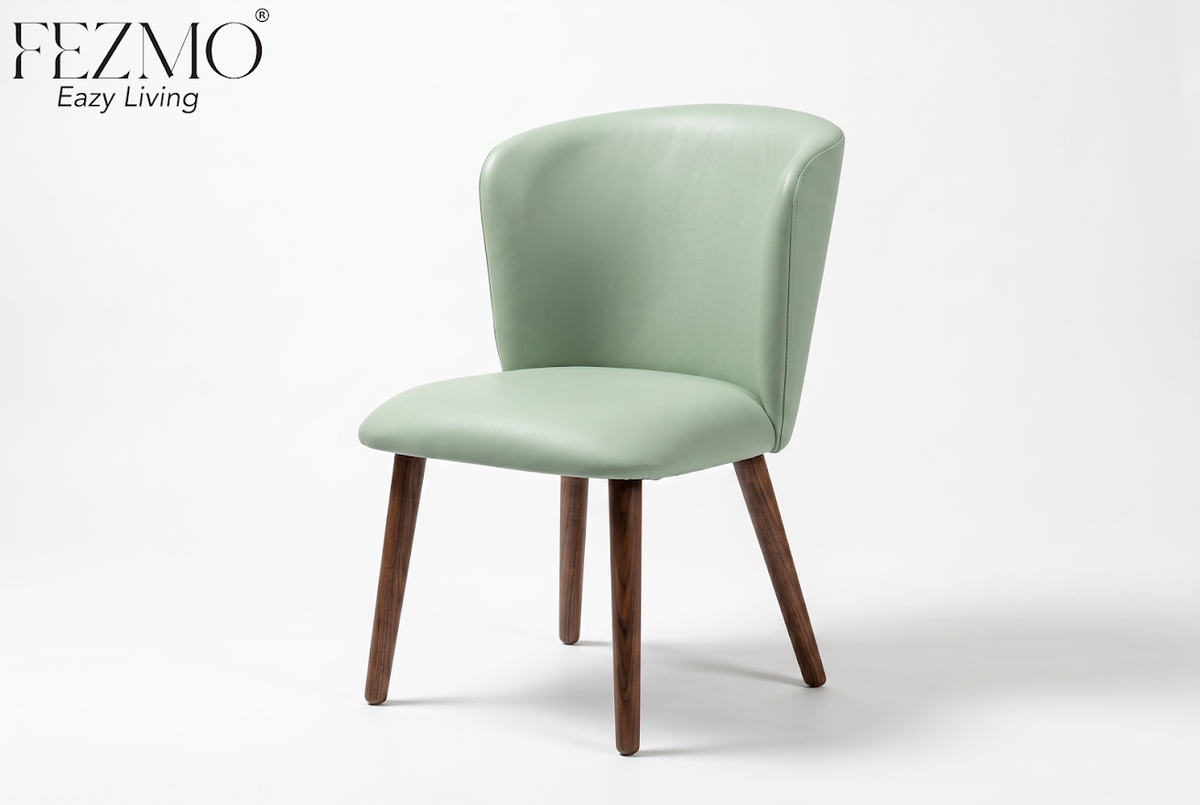
Dining chairs are the easiest place to experiment. Upholstered seats at a solid wood table make long dinners far more comfortable. Choose fabrics that forgive spills, and consider matching the chair legs to the table so the set reads as one family while the seats bring in colour. In the bedroom, an upholstered headboard against wooden nightstands repeats the same hard and soft rhythm on a smaller scale.
The Workspace
Offices deserve the same care, with comfort over long hours added to the brief. When you plan workspace furniture in Chennai, start with the chair, because it carries the most contact time, then pair it with a desk finish that suits the room's light.
Seating
Mesh backs can let air move across your back, depending on the weave and chair construction. Thick foam seats can feel warm in hot rooms, so check the cushion specification and test the chair over a long sitting. A fabric seat on a timber frame is a sensible middle path for a reception area or a private cabin.
Desks and Storage
Matte desk finishes can reduce distracting reflections from the desk surface, and a leather desk pad or a fabric panel adds a soft note without clutter. Keep the wood tone consistent across desk, cabinet and shelving, and let the upholstery supply the contrast.
Choosing Materials That Handle Chennai's Climate
Fabric and Humidity
Upholstery comfort depends on fibre composition, weave, backing and surface treatment, so it pays to compare more than looks. Think about airflow, cleaning needs, stain resistance and how a fabric feels on a warm afternoon. For leather, faux leather or bonded leather, ask about composition, expected wear, maintenance and warranty before you buy.
Frames and Foam
What lies beneath the cover matters as much as the cover itself. Ask whether the wooden frame is properly dried, how the joints are built and what protection it has against moisture. Kiln-dried timber can reduce moisture-related movement, but durability also depends on the material, construction and conditions. Foam density, firmness and resilience shape comfort and long-term performance, so request the foam specification and warranty terms instead of relying on a general quality claim.
Sunlight and Care
Prolonged direct sunlight can fade wood finishes and dyed fabrics, so keep seating away from unshaded windows or soften the light with sheer curtains. A little routine care goes a long way: vacuum upholstery regularly, blot spills at once and let the room ventilate. Wipe matte wood with a soft, barely damp cloth and dry it straight away, because standing moisture can mark an unsealed finish.
Seeing Samples at Home
Swatches look different under showroom lights and in your own daylight, so try them at home if you can. When you browse high-end furniture in Chennai, favour makers who let you test fabrics and finishes against your actual walls and floor. Fezmo states that it offers more than 1,200 fabric, upholstery and finish options, and that its team can bring selected materials to your home for evaluation, which helps you compare colours and textures in your own lighting.
Bringing the Palette Together
In the end, material pairing is less about rules and more about paying attention. Start with one wood finish, choose an upholstery that suits your climate and daily habits, and let texture do the work that bright colours usually do. Repeat materials for cohesion, keep visual weights in balance and test samples at home before you commit. When you are ready to see these ideas in real pieces, explore a sofa for Chennai living rooms and picture how its fabric would sit beside the timber you already own. Small, thoughtful pairings add up to a home that looks composed and feels easy to live in.
Frequently Asked Questions
Which wood tone suits a grey sofa?
Warm woods such as teak, oak or honey-toned finishes add lovely contrast to cool grey, while a cool-toned ash gives a calm, coordinated look. Decide whether you want contrast or serenity, then choose the wood to match.
Is leather a sensible choice in humid weather?
It can be, but comfort depends on the leather type, finish and room conditions. Sit on leather and on a breathable woven fabric for a few minutes each before choosing everyday seating.
Should upholstered legs match the wooden tables?
Not necessarily. Formal rooms often repeat leg shape and colour, while relaxed rooms look fine with variation. If you mix, keep one shared undertone so the pieces still feel related.
How many materials can one room handle?
Three is a comfortable starting point for most rooms: one wood, one main upholstery and one accent. Repeating materials helps the mix look intentional.
Which upholstery is easiest to maintain for a family?
Tightly woven performance fabrics and microfiber are commonly recommended for daily use. Bouclé and heavy velvet need more careful cleaning, so they suit lower-traffic seating.