Step into a few flats in Adyar, Velachery or Anna Nagar and you will notice a pattern. The hall is packed, a sofa swallows half the room, and the shelves hold everything except the things people actually love. Furnishing a home in Chennai goes better when each piece has a real job to do. Here is a friendly walk through editing your space, picking materials that cope with coastal weather, and letting your personality show without crowding the room.
Why Chennai Homes Fill Up So Fast
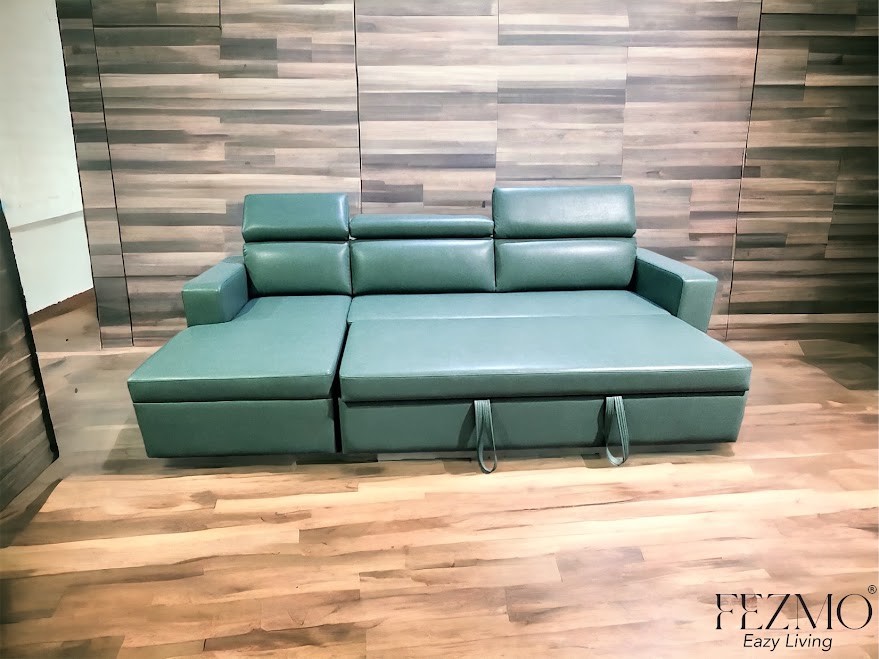
Most city homes juggle two realities: limited floor area and a great deal of life happening inside it. The living room often doubles as a dining space, a guest room and a homework zone. Buy a piece here and another there with no plan, and the room is full long before it has any personality.
Small Footprints, Big Expectations
A two bedroom flat today hosts festival gatherings, video calls, school projects and relatives who stay for the weekend. That is a long list of activities for a relatively small living space. The fix is rarely more furniture. It is smarter furniture, picked for scale, storage and flexibility.
Homes Shared Across Generations
Plenty of households have grandparents, parents and children under one roof. That calls for seats that are easy to get up from, surfaces that forgive spills and walkways that stay clear. Designing for everyone at once is a good reason to keep the layout open.
Edit First, Shop Later
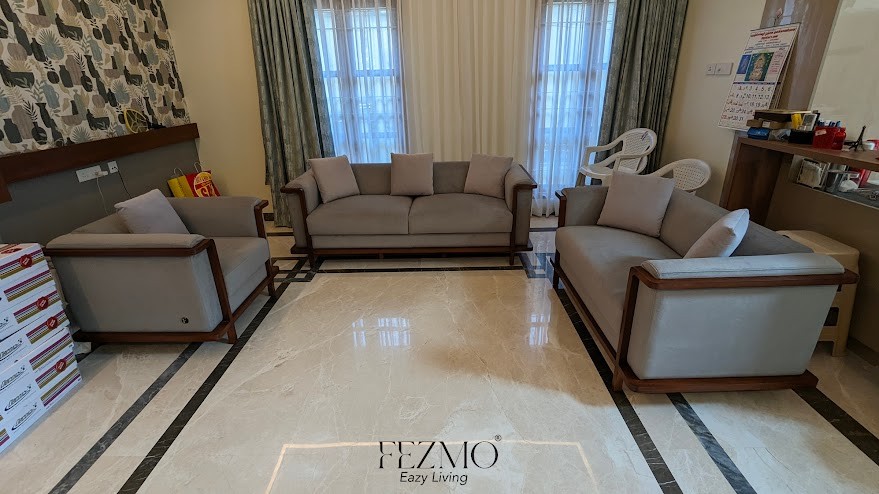
Calm rarely comes from buying something new. A room feels cluttered not because it has furniture, but because some of that furniture does nothing, or because certain objects have no proper home.
Look at Your Room Like a Guest
Stand at the door and notice where your eye lands first, and where it snags. Then jot down what you actually used this past week. Anything missing from that list can be stored, gifted or let go.
The One-In, One-Out Habit
Whenever something new arrives, something older leaves. It sounds strict, yet this tiny rule keeps surfaces clear and stops a tidy hall from slowly turning into a storeroom.
A Relaxed Weekend Plan
- Saturday morning: clear one surface, such as a console or side table, and put back only what you love or use.
- Saturday afternoon: measure the room, including door swings and the distance from the entrance to the balcony.
- Sunday: sketch a rough floor plan on paper and mark the paths your family walks every day.
Those three small steps give you a clear brief before you spend a single rupee.
Choosing Materials That Cope With the Coast
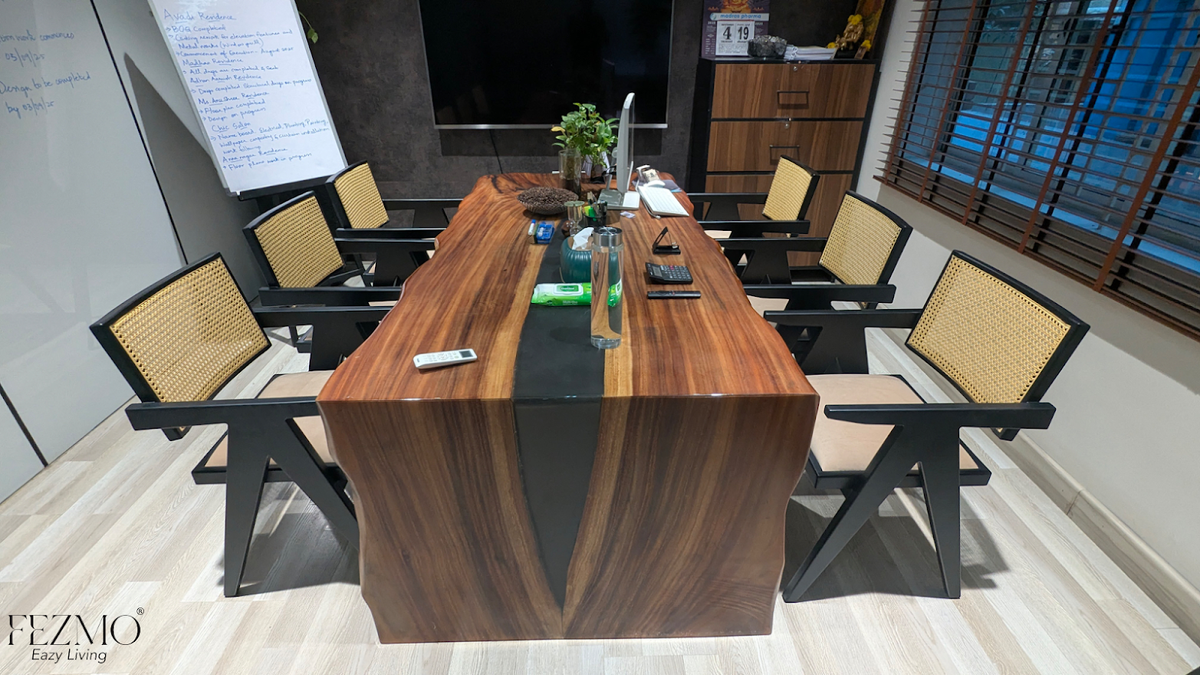
Chennai stays warm for most of the year, and the Bay of Bengal keeps the air humid. The northeast monsoon, which usually arrives between October and December, can bring substantial rainfall and periods of elevated indoor humidity. A piece that looks wonderful under showroom lights can behave very differently once the rains settle in.
Wood, Humidity and Seasonal Movement
Solid wood swells and shrinks as its moisture content changes. Well seasoned timber with a proper finish copes with this far better than poorly dried planks. Engineered boards can suit wardrobes and storage, but their performance depends on the board type, edge sealing, finish and exposure to moisture. Ask how a piece was seasoned and finished, and look closely at the joints. Tight, well fitted joinery tends to outlast surfaces held together by glue alone.
Looking After Furniture in Damp Months
Keep furniture away from damp external walls where possible, and deal with any seepage promptly. Avoid covering furniture with plastic for long stretches, since moisture can get trapped underneath. Air out cupboards now and then when indoor conditions are dry, and check wooden pieces for signs of dampness or termite activity.
Upholstery That Feels Good in the Heat
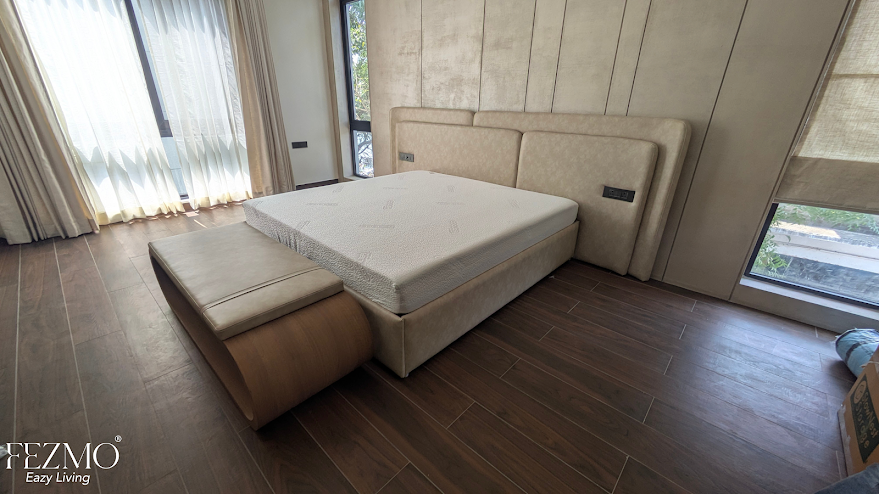
Heavy synthetic covers can feel sticky on a warm evening. Cotton blends, linen mixes and tightly woven performance fabrics are usually more comfortable day to day.
Fabric or Leather-Look?
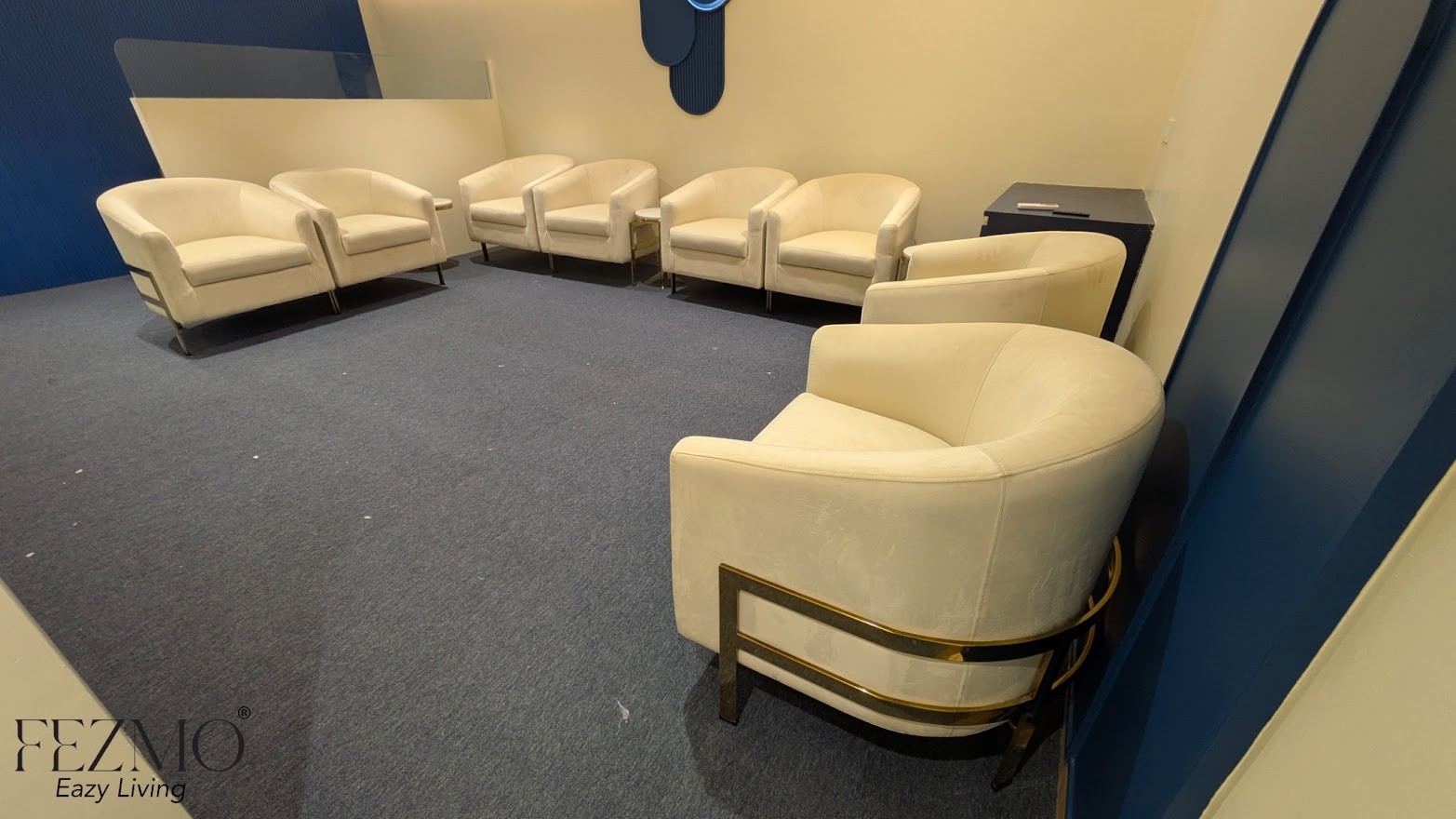
If easy cleaning is a priority, consider a leather-look material with a finish suited to your household. For extended everyday seating, compare breathability, cleaning needs, durability and comfort before choosing. Many families go with fabric for the main seating and leather-look pieces for occasional chairs.
The Living Room: Where Seating Sets the Mood
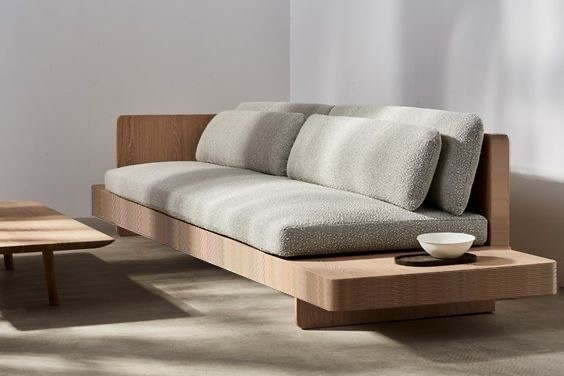
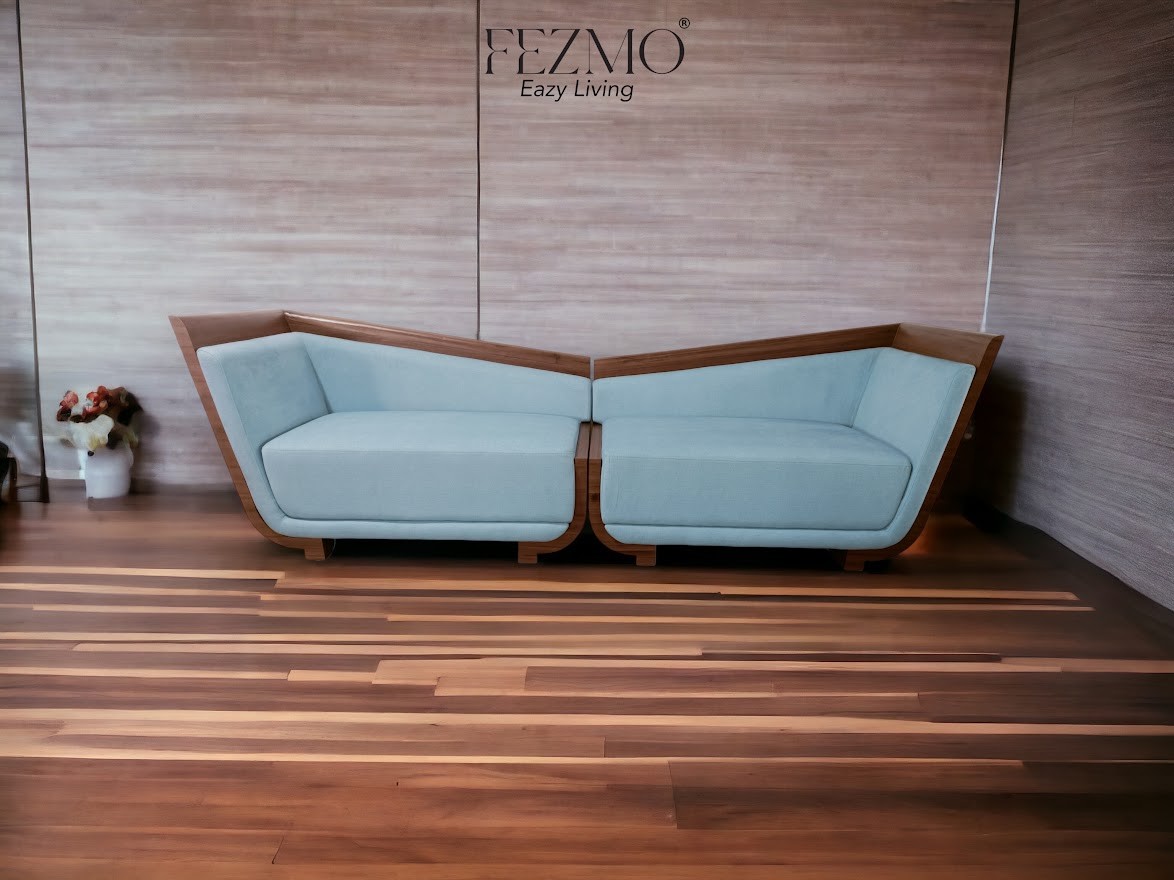
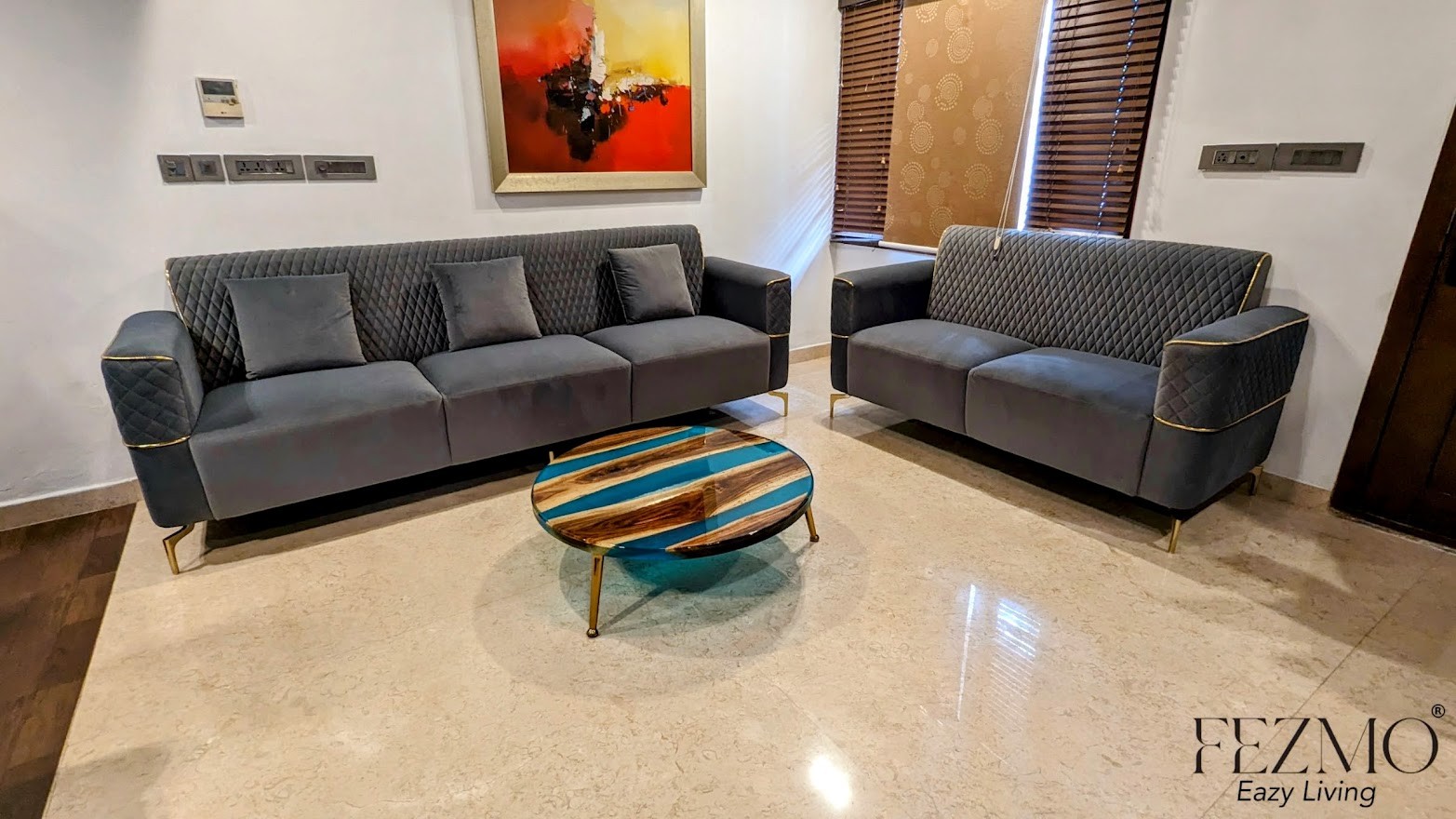
The living room does the most work in a home, so it deserves your most careful decisions. A well-chosen sofa sets the tone for everything around it.
Get the Size Right
Measure the wall, then subtract. As practical planning guidelines, leave roughly 75 to 90 centimetres for walkways and keep the coffee table about 40 to 45 centimetres from the front of the seat, adjusting for your own household. A three seater is not always the answer in a compact room. A two seater with a pair of light armchairs often feels more flexible and far less heavy.
Shape, Legs and Visual Weight
Pieces on slim legs let the floor show underneath, which makes a room feel bigger. Low, boxy designs with skirted bases can look bulky in small spaces. Softly rounded arms are kinder to children and glide around corners more easily.
Colours That Age Gracefully
Neutral bases such as warm grey, sand, olive or deep teal hide wear and pair easily with changing cushions. Keep bold colour for things that are cheap to swap, like throws and cushion covers, so the room can evolve without a big new purchase.
Bedrooms and Dining: Quiet Storage, Honest Surfaces
Bedrooms gain the most from hidden storage. Beds with drawers or lift-up storage bases, slim wardrobes with sliding doors and wall shelves all free up floor space. Keep the bedside simple: one lamp, one book, one glass of water.
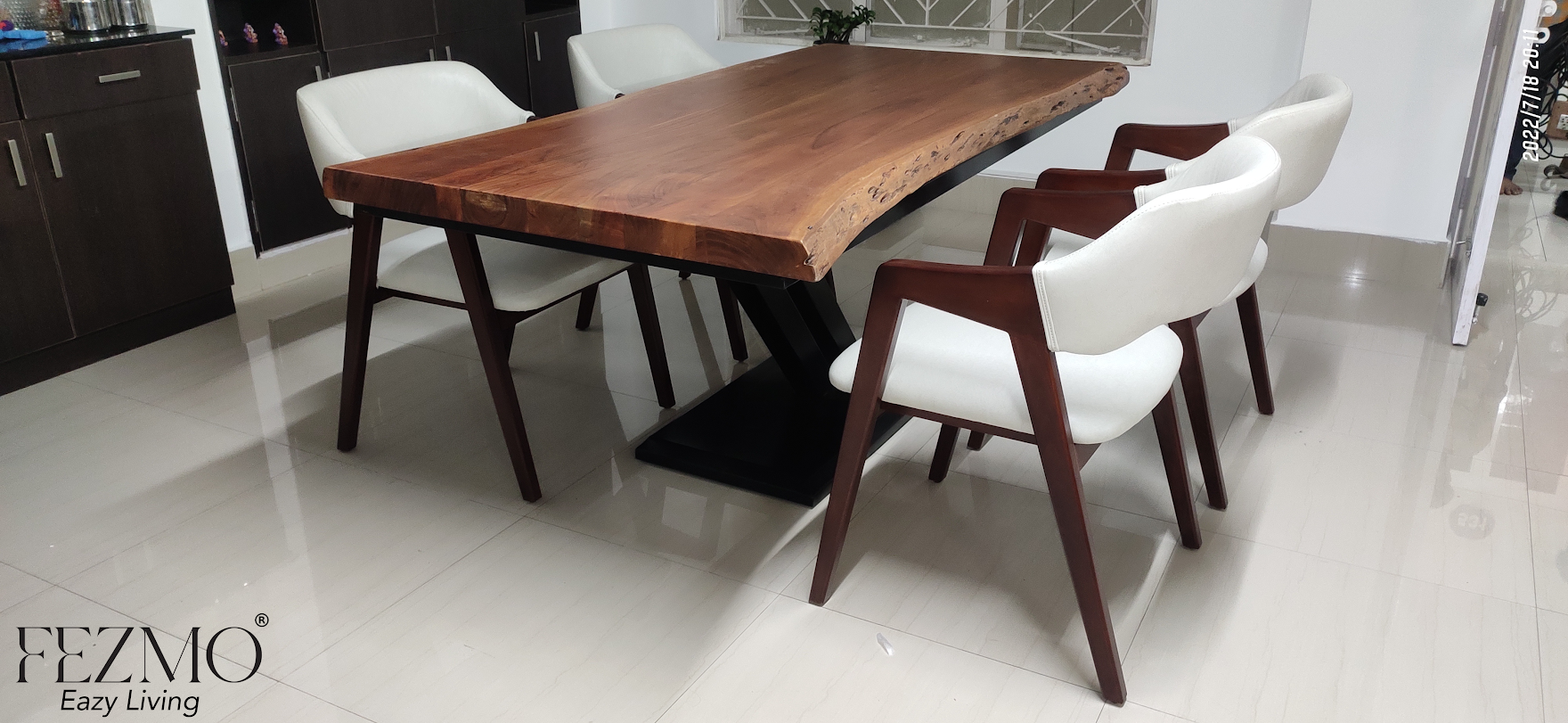
In the dining area, a round or oval table suits tight rooms because it removes sharp corners and lets people squeeze past. An extendable top is handy when relatives arrive for festivals but you want open floor the rest of the year. Benches slide under the table and seat more people than separate chairs.
Working From Home Without Letting Work Take Over
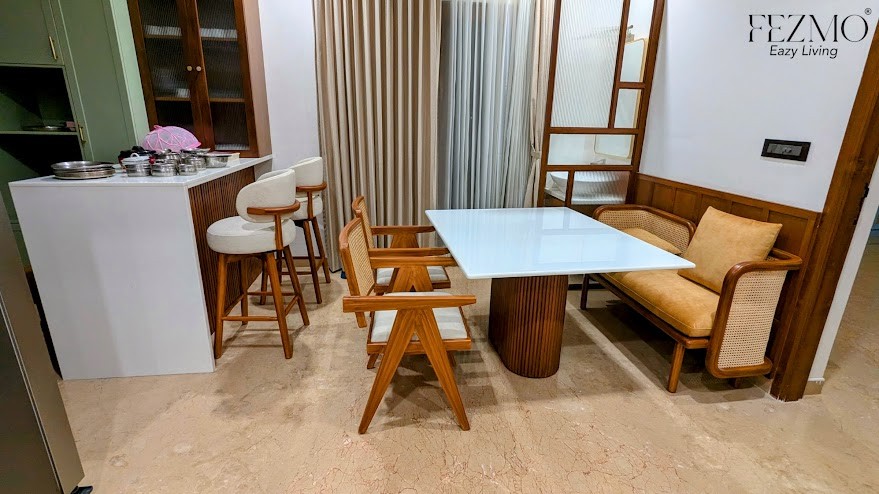
Hybrid routines have changed how families use space. A dining table that doubles as a desk rarely lasts, because the laptop and papers never quite leave. Even a small dedicated corner protects your focus and keeps the rest of the home restful.
A Compact Study Corner
Choose a desk deep enough for your monitor, keyboard and essentials without crowding the surface. Adjust the desk and chair so your shoulders stay relaxed, your forearms are roughly parallel to the floor and your elbows are comfortably bent. Add a chair with lumbar support, since long hours on a flat seat strain the back. Cable trays or a small drawer unit keep wires and stationery out of sight.
When the Business Needs More
Small studios, consultancies and home-based start-ups need sturdier setups than a spare desk. Dependable workspace furniture in Chennai should combine ergonomic seating, enough storage for files and a surface that handles daily wear. Match the look to your brand, because clients notice the surroundings as much as the conversation.
Where It Pays to Spend More
Not every item needs a generous budget. Spend where use is highest and replacement is most disruptive: seating, mattresses, dining tables and wardrobes. Decorative side tables and accent stools can stay modest.
What to Check in High-End Pieces
When browsing high-end furniture in Chennai, look beyond the finish. Check frame construction, hardware quality, foam density and the warranty on structural parts. A lovely surface is easy to find. A frame that stays square after years of daily use is harder, and that is where quality shows.
Buying Once, Buying Well
A good piece can last through several redesigns. Classic proportions and flexible colours let it travel from room to room as life changes. Choosing durable furniture that adapts to changing needs may reduce frequent replacements, though the overall environmental impact also depends on materials, manufacturing, repairability and eventual disposal.
Adding Character Without Adding Clutter
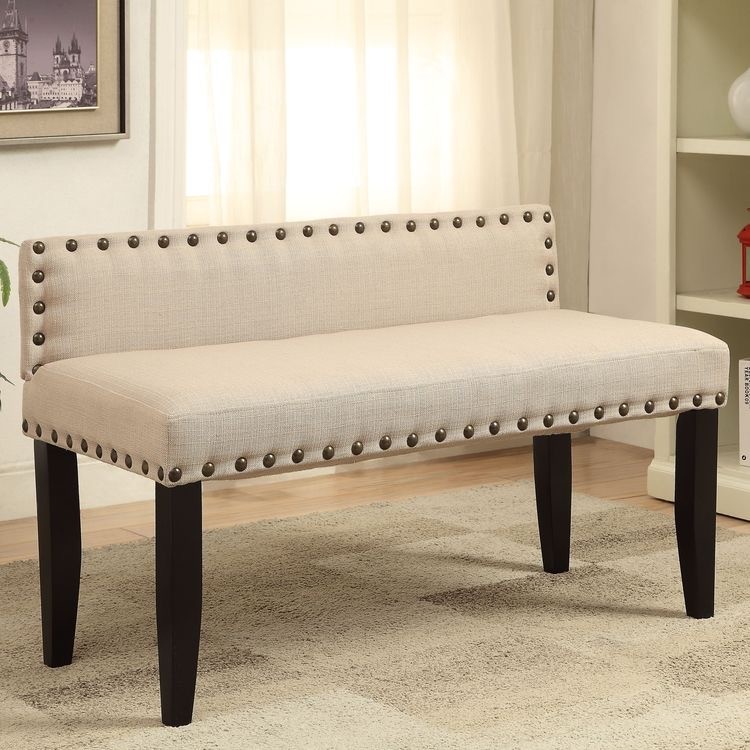
Personality comes from a few deliberate choices, not from quantity.
Curate Instead of Collect
Group a small set of meaningful objects together rather than scattering many across every shelf. Three well-chosen items on a console look intentional. Fifteen look accidental.
Bring in Texture and Local Craft
Handwoven cane, brass lamps, cotton dhurries and Kanchipuram-inspired textile accents add warmth that mass-produced decor cannot match. Natural materials such as cane, cotton and woven textiles can add texture and, depending on their construction, improve airflow and comfort.
Let Light Do the Work
Chennai enjoys strong daylight for much of the year. Sheer curtains soften glare while keeping rooms bright. Layered lighting, such as a floor lamp with warm bulbs in the evening, adds depth without adding objects.
Frequently Asked Questions
How can I make a small living room feel larger?
Choose furniture on slim legs, keep big pieces against the walls, use light colours on large surfaces and let a mirror bounce daylight from a window. Also trim the small objects on display, since many little items make a space feel busier than it really is.
Which wood suits humid weather?
Teak and sheesham are popular hardwood choices, but suitability depends on timber quality, moisture content, treatment, construction and finish. Check the manufacturer's specifications and maintenance recommendations before buying.
How often should I rearrange furniture?
There is no fixed rule, but a seasonal check works well. Moving pieces every few months shows you what is not working and lets you air out corners that might trap moisture.
Should I buy a full set or individual pieces?
Individual pieces give you more control over scale and style, and they help you avoid a showroom look. A set helps when you want a quick, coordinated result, as long as each piece suits the room's dimensions.
What should I check before buying a sofa?
Sit on it for several minutes, lift one corner to test the frame, ask about foam density and fabric rub counts, and confirm that it will fit through your door and lift. Measure twice, especially in apartment buildings.
Conclusion
A home with fewer things and better choices feels calmer, and it feels more like you. Start with an honest edit, choose materials that suit the coast, give each room one clear purpose and let a few meaningful objects carry the personality. When you are ready for the heart of the living room, explore a sofa for your Chennai living room and see how one well-chosen piece can anchor the whole space.